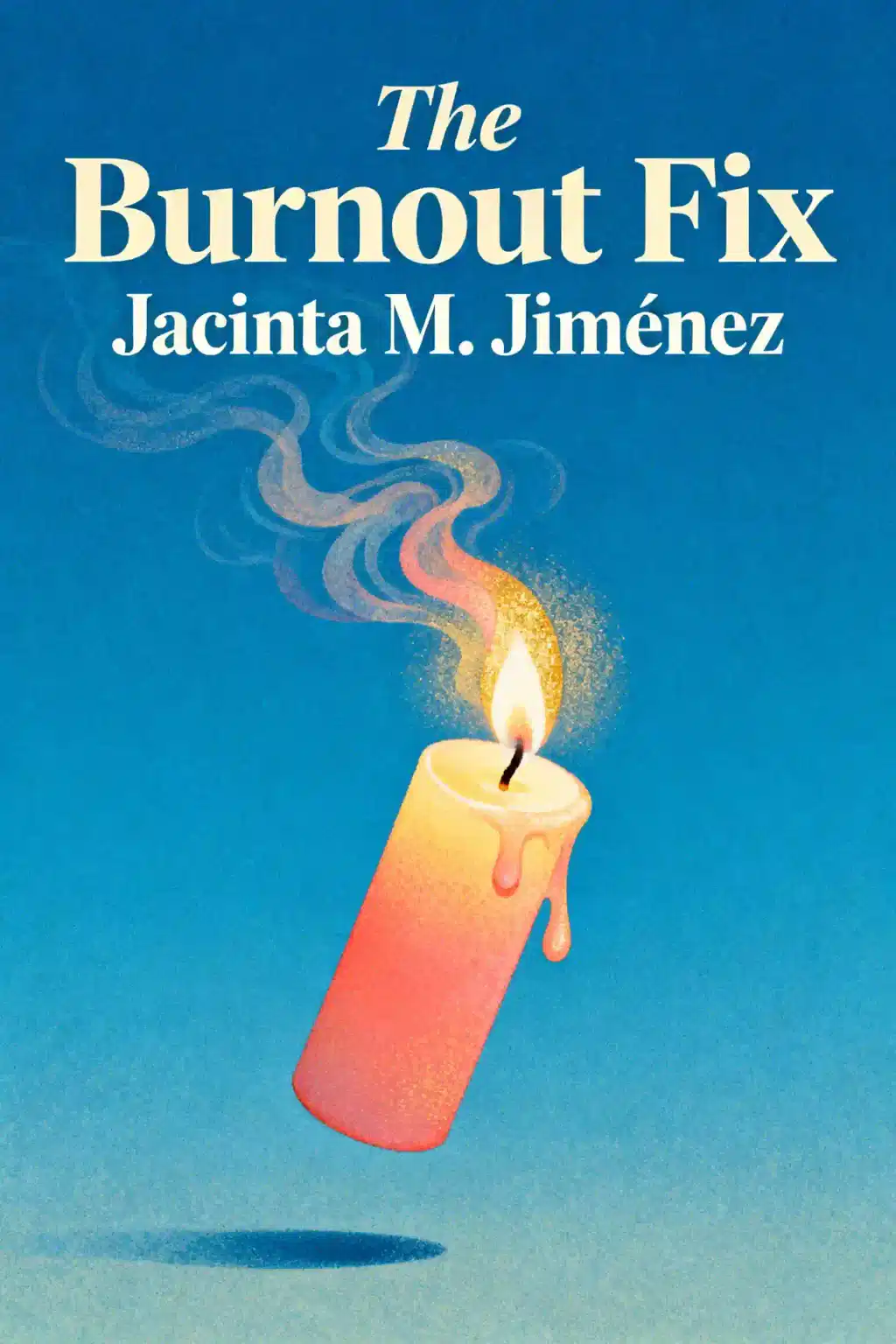
『The Burnout』の概要
Sophie Kinsella's "The Burnout" tackles workplace exhaustion with signature humor. Endorsed by Jojo Moyes as "brilliantly done," this 40-million-copy bestselling author explores self-care and forgotten passions through a touching story featuring an unexpected subplot about a surf instructor with dementia.
- Sophie Kinsella's The Burnout depicts realistic workplace stress and breaking points
- Sasha Worth escapes her toxic startup job to a childhood seaside resort
- Two burned-out strangers bond while healing at a crumbling British hotel
- Mysterious beach notes force Sasha and Finn to open up completely
- Rediscovering surfing helps the characters reconnect with forgotten joy and vitality
- The Burnout shows how shared vulnerability builds authentic romantic connection naturally
- Terry the surf coach becomes an unexpected mentor for both main characters
- Kinsella balances hilarious workplace satire with genuine heartfelt emotional healing moments
- Childhood nostalgia provides a powerful foundation for adult recovery and self-discovery
- Burnout recovery requires rest and actively rediscovering what brings you joy
- Sasha learns that setting workplace boundaries protects long-term mental health
- The novel proves healing and romance flourish when both people prioritize themselves
『The Burnout』の著者について
Sophie Kinsella, born Madeleine Sophie Wickham, is the bestselling author of The Burnout and a master of contemporary women's fiction. With her signature blend of humor, heart, and relatable insight into modern life, Kinsella explores themes of stress, burnout, and self-discovery in this standalone novel, drawing on her deep understanding of the pressures facing women today.
Before achieving literary fame, Kinsella worked as a financial journalist, experience that inspired her iconic Shopaholic series, which launched in 2000 and was adapted into a hit Disney film. She has published over 20 novels, including fan favorites like Can You Keep a Secret?, I've Got Your Number, and Wedding Night.
Her books have sold more than 50 million copies worldwide and have been translated into over 40 languages. Kinsella's ability to balance sharp wit with genuine emotional depth has made her one of the most beloved voices in contemporary fiction, resonating with readers across generations.
『The Burnout』に関するよくある質問
What is The Burnout by Sophie Kinsella about?
The Burnout by Sophie Kinsella follows Sasha Worth, a marketing director drowning in work stress at startup Zoose, who experiences a complete breakdown. She escapes to Rilston Bay, a dilapidated seaside resort from her childhood, where she meets Finn, an equally burned-out management consultant. Together, they rediscover joy through surfing, solve mysterious beach messages, and develop a slow-burn romance while healing from their respective workplace exhaustion.
Who is Sophie Kinsella?
Sophie Kinsella is the pen name of Madeleine Sophie Wickham, an English author born December 12, 1969, whose books have sold over 50 million copies in more than 60 countries. She is best known for the bestselling Shopaholic series featuring Becky Bloomwood, which was adapted into a 2009 film starring Isla Fisher. Before using her pseudonym, Kinsella published seven novels under her real name and worked as a financial journalist.
Is The Burnout by Sophie Kinsella worth reading?
The Burnout by Sophie Kinsella is worth reading if you enjoy romantic comedies with relatable workplace themes and emotional healing journeys. The novel balances humor with genuine exploration of burnout recovery, featuring witty banter between Sasha and Finn as they navigate stress relief methods from manifesting to wild swimming. Readers praise its delightful escape, heartwarming moments, and reminder to find joy amid modern work pressures.
Who should read The Burnout by Sophie Kinsella?
The Burnout by Sophie Kinsella is ideal for professionals experiencing workplace exhaustion, fans of contemporary romance, and readers seeking lighthearted yet meaningful fiction about self-discovery. It particularly resonates with those struggling with work-life balance, endless emails, and corporate wellness programs that miss the mark. Sophie Kinsella's trademark humor makes it perfect for readers who enjoyed her Shopaholic series or other witty romantic comedies.
What is the main message of The Burnout by Sophie Kinsella?
The Burnout by Sophie Kinsella emphasizes that true healing from workplace exhaustion requires reconnecting with forgotten passions and authentic human connection, not corporate wellness programs. Through Sasha and Finn's journey, the novel illustrates that recovery involves rediscovering activities that once brought joy—like surfing—and allowing yourself to be vulnerable with others. The story champions taking genuine breaks and addressing root causes rather than superficial self-care solutions.
What happens between Sasha and Finn in The Burnout?
Sasha and Finn start as grumpy beach rivals in The Burnout, disagreeing on stress relief methods—she tries manifesting and wild swimming while he prefers whisky and pizza delivery. Mysterious messages appearing on the beach force them to communicate, revealing shared burnout experiences and forming an unexpected friendship. Their relationship evolves from enemies to friends to lovers as they rediscover surfing together, with their attraction "flaring even in the face of their bone-deep exhaustion".
How does The Burnout by Sophie Kinsella portray workplace burnout?
The Burnout by Sophie Kinsella authentically depicts workplace burnout through Sasha's overwhelming email backlog, constant staff departures that pile more work onto her, and an HR department focused on "wellness boards" rather than adequate staffing. The novel shows how burnout manifests as losing appetite for life, inability to see friends, and even attempting to join a nearby convent in desperation. Sophie Kinsella captures the modern workplace reality where "urgent" emails aren't actually urgent and corporate joyfulness programs feel empty.
What is the setting of The Burnout by Sophie Kinsella?
The Burnout by Sophie Kinsella is set primarily at Rilston Bay, a seaside resort on the British coast that Sasha remembers fondly from childhood visits before her father died. However, she arrives during off-season to find the hotel "in a dilapidated shambles," far from the idyllic memory she cherished. The deserted, rundown beachside location becomes a sanctuary where both Sasha and Finn can escape professional pressures and rediscover themselves.
What role does surfing play in The Burnout?
Surfing serves as the transformative activity that helps Sasha and Finn reconnect with joy and excitement in The Burnout by Sophie Kinsella. Both characters rediscover their shared love for surfing through their former surf teacher, who becomes "their mentor and hero" at Rilston Bay. The physical thrill of riding waves provides moments of personal growth and represents reclaiming passions they abandoned during their burnout, symbolizing their journey toward authentic healing.
What are the mysterious messages in The Burnout by Sophie Kinsella?
Mysterious notes and gifts begin appearing on the beach in The Burnout, seemingly addressed to Sasha and Finn from an unknown couple. These curious messages force the two burned-out professionals to communicate and work together despite their initial antagonism. Sasha and Finn embark on a quest to solve the mystery of who's leaving these tokens, though they insist the messages aren't actually meant for them, creating an intriguing subplot throughout their healing journey.
How does The Burnout compare to other Sophie Kinsella novels?
The Burnout by Sophie Kinsella shares the author's signature witty humor and romantic comedy style seen in her Shopaholic series, but tackles more serious themes of workplace mental health and exhaustion. Unlike the shopping-obsessed Becky Bloomwood, Sasha Worth represents modern professional burnout rather than financial mishaps. The novel sits alongside Sophie Kinsella's other standalone works like My Not So Perfect Life and Surprise Me, offering relatable contemporary issues wrapped in entertaining, heartwarming storytelling.
What makes The Burnout by Sophie Kinsella relevant in 2025?
The Burnout by Sophie Kinsella remains highly relevant as workplace stress, email overload, and hustle culture continue escalating in 2025. The novel's critique of performative corporate wellness programs that ignore systemic issues like understaffing resonates with today's professionals facing similar challenges. Sophie Kinsella's exploration of how technology enables constant work availability and the desperate need for genuine disconnection speaks directly to modern burnout epidemics affecting workers across industries.
著者の声を通じて本を感じる
知識を魅力的で例が豊富な洞察に変換
キーアイデアを瞬時にキャプチャして素早く学習
楽しく魅力的な方法で本を楽しむ
『The Burnout』の登場人物
- SashaProtagonist and director at travel app Zoose
- JoanneThe empowerment and well-being officer at Zoose
- Sister AgnesA nun who Sasha encounters during her breakdown
- PamSasha's aunt who suggests recovery options
- LinaSasha's colleague whose resignation triggers her
『The Burnout』の主要テーマ
- workplace exhaustion
- wellness culture satire
- recovering from burnout
- childhood nostalgia
- forced self-discovery
『The Burnout』の名言
Wellness culture often sets unrealistic expectations that make us feel worse rather than better.
Sasha's not actually becoming healthier-she's just creating another exhausting persona to maintain.
あなたに合った学び方を探す
 クイックサマリーモード
『The Burnout』の要約を8分で読む・聴く
『The Burnout』の核心的なアイデアを分かりやすいポイントに分解し、革新的なチームがどのように創造、協力、成長するかを理解します。

 エンタメモード
『The Burnout』のレッスンを18分のストーリーで
鮮やかなストーリーテリングを通じて『The Burnout』を体験し、イノベーションのレッスンを記憶に残り、応用できる瞬間に変えます。
 パーソナライズモード
The Burnoutを自分の学習スタイルで体験
何でも質問し、学習スタイルを選び、自分に本当に響くインサイトを一緒に作れます。
"Instead of endless scrolling, I just hit play on BeFreed. It saves me so much time."


"I never knew where to start with nonfiction—BeFreed’s book lists turned into podcasts gave me a clear path."


"Perfect balance between learning and entertainment. Finished ‘Thinking, Fast and Slow’ on my commute this week."
"Crazy how much I learned while walking the dog. BeFreed = small habits → big gains."
"Reading used to feel like a chore. Now it’s just part of my lifestyle."

"Feels effortless compared to reading. I’ve finished 6 books this month already."
"BeFreed turned my guilty doomscrolling into something that feels productive and inspiring."

"BeFreed turned my commute into learning time. 20-min podcasts are perfect for finishing books I never had time for."
"BeFreed replaced my podcast queue. Imagine Spotify for books — that’s it. 🙌"

"It is great for me to learn something from the book without reading it."
"The themed book list podcasts help me connect ideas across authors—like a guided audio journey."
"Makes me feel smarter every time before going to work"
"Instead of endless scrolling, I just hit play on BeFreed. It saves me so much time."
"I never knew where to start with nonfiction—BeFreed’s book lists turned into podcasts gave me a clear path."
"Perfect balance between learning and entertainment. Finished ‘Thinking, Fast and Slow’ on my commute this week."
"Crazy how much I learned while walking the dog. BeFreed = small habits → big gains."
"Reading used to feel like a chore. Now it’s just part of my lifestyle."
"Feels effortless compared to reading. I’ve finished 6 books this month already."
"BeFreed turned my guilty doomscrolling into something that feels productive and inspiring."
"BeFreed turned my commute into learning time. 20-min podcasts are perfect for finishing books I never had time for."
"BeFreed replaced my podcast queue. Imagine Spotify for books — that’s it. 🙌"
"It is great for me to learn something from the book without reading it."
"The themed book list podcasts help me connect ideas across authors—like a guided audio journey."
"Makes me feel smarter every time before going to work"
"Instead of endless scrolling, I just hit play on BeFreed. It saves me so much time."
"I never knew where to start with nonfiction—BeFreed’s book lists turned into podcasts gave me a clear path."
"Perfect balance between learning and entertainment. Finished ‘Thinking, Fast and Slow’ on my commute this week."
"Crazy how much I learned while walking the dog. BeFreed = small habits → big gains."
"Reading used to feel like a chore. Now it’s just part of my lifestyle."
"Feels effortless compared to reading. I’ve finished 6 books this month already."
"BeFreed turned my guilty doomscrolling into something that feels productive and inspiring."
"BeFreed turned my commute into learning time. 20-min podcasts are perfect for finishing books I never had time for."
"BeFreed replaced my podcast queue. Imagine Spotify for books — that’s it. 🙌"
"It is great for me to learn something from the book without reading it."
"The themed book list podcasts help me connect ideas across authors—like a guided audio journey."
"Makes me feel smarter every time before going to work"
"Instead of endless scrolling, I just hit play on BeFreed. It saves me so much time."
"I never knew where to start with nonfiction—BeFreed’s book lists turned into podcasts gave me a clear path."
"Perfect balance between learning and entertainment. Finished ‘Thinking, Fast and Slow’ on my commute this week."
"Crazy how much I learned while walking the dog. BeFreed = small habits → big gains."
"Reading used to feel like a chore. Now it’s just part of my lifestyle."
"Feels effortless compared to reading. I’ve finished 6 books this month already."
"BeFreed turned my guilty doomscrolling into something that feels productive and inspiring."
"BeFreed turned my commute into learning time. 20-min podcasts are perfect for finishing books I never had time for."
"BeFreed replaced my podcast queue. Imagine Spotify for books — that’s it. 🙌"
"It is great for me to learn something from the book without reading it."
"The themed book list podcasts help me connect ideas across authors—like a guided audio journey."
"Makes me feel smarter every time before going to work"

The Burnoutの要約をダウンロード
The Burnoutの要約をPDFまたはEPUBで無料でダウンロード。印刷やオフラインでいつでもお読みいただけます。