Powerful Phrases for Dealing with Difficult People: Over 325 Ready-to-Use Words and Phrases for Working with Challenging Personalities

Overview of Powerful Phrases for Dealing with Difficult People
Master the art of workplace harmony with 325 ready-to-use phrases that transform confrontations into solutions. Praised by Retailing Insight for its five-step conflict resolution formula, this guide might be why the colleague who handles office drama effortlessly keeps getting promoted over technical experts.
- Replace "you" statements with "I" phrases to reduce defensiveness during conflicts.
- Renée Evenson's five-stage process transforms confrontations into cooperative solutions.
- Avoid absolute terms like "always" and "never" to keep conversations solution-focused.
- Active listening phrases like "What I'm hearing is..." clarify misunderstandings effectively.
- Express appreciation first to lower emotional barriers before addressing issues.
- The "Powerful Phrases" framework turns blame into collaborative problem-solving strategies.
- Confront disrespect by stating "I need you to stop..." clearly and calmly.
- Validate perspectives with "I understand..." before redirecting to common goals.
- Neutral body language and open posture ease tension in difficult talks.
- Renée Evenson's method emphasizes mutual benefit over winning arguments.
About the Author of Powerful Phrases for Dealing with Difficult People
Renée Evenson, author of Powerful Phrases for Dealing with Difficult People, is a seasoned customer service expert and communication strategist with over 30 years of experience in conflict resolution and workplace dynamics.
Specializing in practical communication solutions, her book combines actionable phrases with psychological insights to navigate challenging interpersonal situations.
Evenson’s expertise stems from decades as a customer service manager and trainer, reflected in her other works like Powerful Phrases for Effective Customer Service and Customer Service Training 101, which are widely used in professional development programs. Her clear, results-driven approach has made her a trusted voice in the field, with actionable frameworks adopted by teams across industries.
Evenson’s website, reneeevenson.com, further shares her methodologies for fostering respectful workplace communication. Powerful Phrases for Dealing with Difficult People has garnered over 1,100 ratings on Goodreads, cementing its status as a go-to resource for professionals seeking to transform contentious interactions into constructive dialogue.
FAQs About Powerful Phrases for Dealing with Difficult People
What is Powerful Phrases for Dealing with Difficult People about?
Powerful Phrases for Dealing with Difficult People by Renée Evenson provides actionable strategies for resolving workplace conflicts using over 325 targeted phrases and a five-step conflict-resolution framework. It addresses 30 common challenging personality types, offers sample dialogues, and emphasizes replacing accusatory "you" statements with collaborative "I" language to foster productive conversations.
Who should read Powerful Phrases for Dealing with Difficult People?
This book is ideal for professionals, managers, and team leaders seeking tools to navigate interpersonal conflicts, diffuse tense situations, and improve workplace communication. It’s particularly valuable for those handling egotistical colleagues, credit-taking peers, or passive-aggressive supervisors.
Is Powerful Phrases for Dealing with Difficult People worth reading?
Yes—readers praise its practicality, with scenarios for handling bullies, micromanagers, and disruptive coworkers. The step-by-step phrasing templates and focus on nonverbal communication make it a go-to guide for transforming adversarial interactions into cooperative solutions.
What is the five-step process in Powerful Phrases for Dealing with Difficult People?
Evenson’s conflict-resolution framework includes:
- Analyzing the issue calmly.
- Seeking to understand the other person’s perspective.
- Defining the problem collaboratively.
- Proposing actionable solutions.
- Agreeing on measurable outcomes.
How does Powerful Phrases for Dealing with Difficult People recommend handling accusatory language?
The book advises replacing blame-focused "you" statements (e.g., “You never listen”) with "I" phrases that focus on impacts (e.g., “I feel frustrated when ideas aren’t acknowledged”). This reduces defensiveness and encourages mutual problem-solving.
What are key phrases for dealing with a workplace bully from Powerful Phrases for Dealing with Difficult People?
Evenson suggests assertive yet respectful lines like:
- “Going forward, I expect to be treated respectfully.”
- “If you can’t discuss this calmly, let’s revisit this later.” These phrases set boundaries without escalating tensions.
How does Powerful Phrases for Dealing with Difficult People address credit-stealing colleagues?
The book recommends immediately addressing credit-takers in meetings with phrases like: “I’d like to clarify that this project resulted from team collaboration.” This reinforces collective contributions and discourages solo credit claims.
What are common criticisms of Powerful Phrases for Dealing with Difficult People?
Some readers note the advice may oversimplify deeply rooted conflicts, and the sheer volume of phrases can feel overwhelming. However, most praise its structured approach for providing a starting point in tough conversations.
How does Powerful Phrases for Dealing with Difficult People apply to remote work challenges in 2025?
Evenson’s emphasis on clear, non-confrontational communication remains relevant for remote teams navigating misunderstandings via email or video calls. Phrases like “Let’s realign on expectations” help mitigate digital miscommunication.
How does Powerful Phrases for Dealing with Difficult People compare to Perfect Phrases for Dealing with Difficult People?
While both offer scripted responses, Evenson’s book uniquely integrates a five-step resolution model and nonverbal strategies. Perfect Phrases focuses more on situational scripts without a overarching framework.
What are memorable quotes from Powerful Phrases for Dealing with Difficult People?
Key quotes include:
- “Never open a conversation with ‘you’.”
- “Conflict thrusts us out of our comfort zone, but resolution strengthens relationships.”
- “I’m glad we talked this out—now I’m confident we can solve future issues.”
How can Powerful Phrases for Dealing with Difficult People aid career advancement?
Mastering its techniques can position employees as adept conflict resolvers—a trait linked to leadership potential. The book notes that communication skills often outweigh technical expertise in promotion decisions.
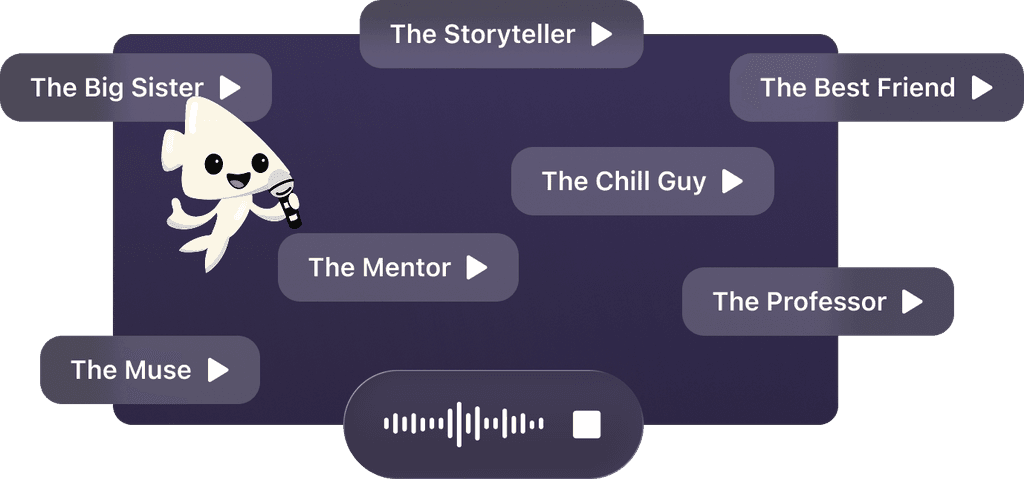
Feel the book through the author's voice
Turn knowledge into engaging, example-rich insights
Capture key ideas in a flash for fast learning
Enjoy the book in a fun and engaging way
Characters in Powerful Phrases for Dealing with Difficult People
- Renée EvensonAuthor and communication expert
Key Themes in Powerful Phrases for Dealing with Difficult People
- conflict resolution scripts
- workplace boundary setting
- nonverbal communication cues
- assertive dialogue techniques
- professional relationship management
Quotes from Powerful Phrases for Dealing with Difficult People
When words become weapons-can define our professional relationships.
Opening with 'you' immediately triggers defensiveness.
'I'm sorry' means you value the relationship.
People believe what they see rather than what they hear.
Assertiveness projects confidence and self-assurance.
Explore Your Way of Learning
 Quick Summary Mode
Read or listen to Powerful Phrases for Dealing with Difficult People Summary in 8 Minutes
Break down key ideas from Powerful Phrases for Dealing with Difficult People into bite-sized takeaways to understand how innovative teams create, collaborate, and grow.

 Fun Mode
Powerful Phrases for Dealing with Difficult People Lessons Told Through 25-Min Stories
Experience Powerful Phrases for Dealing with Difficult People through vivid storytelling that turns innovation lessons into moments you'll remember and apply.
 Personalize Mode
Experience Powerful Phrases for Dealing with Difficult People in your own learning style
Ask anything, choose your learning style, and co-create insights that truly resonate with you.
From Columbia University alumni built in San Francisco
"Instead of endless scrolling, I just hit play on BeFreed. It saves me so much time."


"I never knew where to start with nonfiction—BeFreed’s book lists turned into podcasts gave me a clear path."


"Perfect balance between learning and entertainment. Finished ‘Thinking, Fast and Slow’ on my commute this week."
"Crazy how much I learned while walking the dog. BeFreed = small habits → big gains."
"Reading used to feel like a chore. Now it’s just part of my lifestyle."

"Feels effortless compared to reading. I’ve finished 6 books this month already."
"BeFreed turned my guilty doomscrolling into something that feels productive and inspiring."

"BeFreed turned my commute into learning time. 20-min podcasts are perfect for finishing books I never had time for."
"BeFreed replaced my podcast queue. Imagine Spotify for books — that’s it. 🙌"

"It is great for me to learn something from the book without reading it."
"The themed book list podcasts help me connect ideas across authors—like a guided audio journey."
"Makes me feel smarter every time before going to work"
From Columbia University alumni built in San Francisco
"Instead of endless scrolling, I just hit play on BeFreed. It saves me so much time."
"I never knew where to start with nonfiction—BeFreed’s book lists turned into podcasts gave me a clear path."
"Perfect balance between learning and entertainment. Finished ‘Thinking, Fast and Slow’ on my commute this week."
"Crazy how much I learned while walking the dog. BeFreed = small habits → big gains."
"Reading used to feel like a chore. Now it’s just part of my lifestyle."
"Feels effortless compared to reading. I’ve finished 6 books this month already."
"BeFreed turned my guilty doomscrolling into something that feels productive and inspiring."
"BeFreed turned my commute into learning time. 20-min podcasts are perfect for finishing books I never had time for."
"BeFreed replaced my podcast queue. Imagine Spotify for books — that’s it. 🙌"
"It is great for me to learn something from the book without reading it."
"The themed book list podcasts help me connect ideas across authors—like a guided audio journey."
"Makes me feel smarter every time before going to work"
"Instead of endless scrolling, I just hit play on BeFreed. It saves me so much time."
"I never knew where to start with nonfiction—BeFreed’s book lists turned into podcasts gave me a clear path."
"Perfect balance between learning and entertainment. Finished ‘Thinking, Fast and Slow’ on my commute this week."
"Crazy how much I learned while walking the dog. BeFreed = small habits → big gains."
"Reading used to feel like a chore. Now it’s just part of my lifestyle."
"Feels effortless compared to reading. I’ve finished 6 books this month already."
"BeFreed turned my guilty doomscrolling into something that feels productive and inspiring."
"BeFreed turned my commute into learning time. 20-min podcasts are perfect for finishing books I never had time for."
"BeFreed replaced my podcast queue. Imagine Spotify for books — that’s it. 🙌"
"It is great for me to learn something from the book without reading it."
"The themed book list podcasts help me connect ideas across authors—like a guided audio journey."
"Makes me feel smarter every time before going to work"
"Instead of endless scrolling, I just hit play on BeFreed. It saves me so much time."
"I never knew where to start with nonfiction—BeFreed’s book lists turned into podcasts gave me a clear path."
"Perfect balance between learning and entertainment. Finished ‘Thinking, Fast and Slow’ on my commute this week."
"Crazy how much I learned while walking the dog. BeFreed = small habits → big gains."
"Reading used to feel like a chore. Now it’s just part of my lifestyle."
"Feels effortless compared to reading. I’ve finished 6 books this month already."
"BeFreed turned my guilty doomscrolling into something that feels productive and inspiring."
"BeFreed turned my commute into learning time. 20-min podcasts are perfect for finishing books I never had time for."
"BeFreed replaced my podcast queue. Imagine Spotify for books — that’s it. 🙌"
"It is great for me to learn something from the book without reading it."
"The themed book list podcasts help me connect ideas across authors—like a guided audio journey."
"Makes me feel smarter every time before going to work"

Download Summary of Powerful Phrases for Dealing with Difficult People
Get the Powerful Phrases for Dealing with Difficult People summary as a free PDF or EPUB. Print it or read offline anytime.