The Lost Art of Connecting: The Gather, Ask, Do Method for Building Meaningful Relationships

Overview of The Lost Art of Connecting
In our disconnected digital age, Susan McPherson's "The Lost Art of Connecting" reveals her transformative Gather-Ask-Do method for building authentic relationships. Released during the pandemic when we needed it most, this guide has become essential reading for leaders rebuilding post-isolation networks with purpose, not transactions.
- Shift from transactional "What can I get?" to generous "How can I help?" mindset for deeper connections
- Susan McPherson’s Gather phase requires self-reflection on strengths before expanding networks
- Ask phase prioritizes curiosity-driven questions over rehearsed elevator pitches
- Active listening builds trust faster than self-promotion in professional relationships
- Diverse networks spark innovation through cross-industry perspectives and experiences
- The Do phase turns connections into action through consistent follow-through
- Weekly micro-actions (2-3 intentional outreaches) compound into meaningful relationship portfolios
- Pre-digital connection tactics (like handwritten notes) foster memorable human engagement
- Combats loneliness by blurring lines between personal and professional support systems
- "Serial connector" strategy values quality conversations over business card collections
- Shared values and purpose create stickier bonds than transactional exchanges
- Post-pandemic relationships thrive on vulnerability and mutual pandemic-era understanding
About the Author of The Lost Art of Connecting
Susan McPherson, author of The Lost Art of Connecting: The Gather, Ask, Do Method for Building Meaningful Relationships, is a renowned corporate responsibility expert and serial connector with over three decades of experience in social impact strategy.
Blending insights from her roles as founder/CEO of McPherson Strategies—a communications consultancy advising brands like Intel and Tiffany & Co. Foundation—and as an angel investor in women-led startups, the book reflects her career-long focus on purpose-driven relationship-building.
A regular contributor to Harvard Business Review, Forbes, and Fast Company, McPherson has been featured on NPR, CNN, and in USA Today while serving on boards for USA for UNHCR and The 19th News.
Her groundbreaking Gather, Ask, Do methodology, distilled from 30+ years of networking expertise, earned recognition in Forbes’ 50 over 50—Impact list and Worth Media’s Worthy100. The book has become essential reading for professionals seeking to align career success with community impact.
FAQs About The Lost Art of Connecting
What is The Lost Art of Connecting by Susan McPherson about?
The Lost Art of Connecting offers a human-centric approach to building meaningful relationships in a tech-dominated world. Susan McPherson introduces the Gather, Ask, Do methodology, emphasizing empathy over transactional networking. The book critiques superficial digital interactions and provides actionable strategies to foster authentic connections through collaboration and service-minded thinking.
Who should read The Lost Art of Connecting?
This book is ideal for professionals, entrepreneurs, and leaders seeking to deepen relationships in business and life. It’s particularly valuable for those feeling isolated in digital-first environments or aiming to transition from self-focused networking to community-driven collaboration.
Is The Lost Art of Connecting worth reading?
Yes—the book won acclaim as a Soundview Magazine Best Business Book (2021) and provides practical frameworks like the Gather, Ask, Do method. McPherson’s blend of humor, case studies (e.g., Adam Grant, Whitney Johnson), and emphasis on mental health benefits make it a standout guide for modern relationship-building.
What is the Gather, Ask, Do method?
McPherson’s three-step framework:
- Gather: Intentionally expand your network through shared values.
- Ask: Engage others with curiosity, focusing on “How can I help?” rather than self-promotion.
- Do: Follow through with actionable support to cement trust.
This approach shifts networking from transactional to transformative.
How does The Lost Art of Connecting address loneliness in the digital age?
The book argues that tech-driven interactions exacerbate isolation by prioritizing quantity over quality. McPherson advocates for “value-based connections,” urging readers to prioritize in-person or intentional virtual engagements that align with personal and professional goals.
What are key quotes from The Lost Art of Connecting?
- “Lead with ‘How can I help?’ instead of ‘What can I get?’”
- “Networking is not a spreadsheet exercise—it’s a human one.”
These lines underscore the book’s theme of service-driven relationships.
How does The Lost Art of Connecting compare to Never Eat Alone by Keith Ferrazzi?
While both focus on relationship-building, McPherson’s work prioritizes quality and mutual support over Ferrazzi’s emphasis on strategic networking. The Lost Art of Connecting also integrates modern challenges like digital burnout, offering a post-pandemic perspective.
What criticisms exist about The Lost Art of Connecting?
Some reviewers note the methodology may feel overly structured for introverts. However, McPherson balances this with adaptable strategies, acknowledging that connection styles vary.
Why is The Lost Art of Connecting relevant in 2025?
As remote work and AI-driven communication rise, the book’s focus on human-centric collaboration addresses growing concerns about workplace disconnection. Its lessons on empathy and intentionality align with 2025 trends in employee well-being and CSR.
How can managers apply lessons from The Lost Art of Connecting?
Managers can use the Ask phase to foster psychological safety by soliciting team input, and Do to implement mentorship programs. McPherson’s emphasis on “celebrating others” also aligns with inclusive leadership practices.
What actionable tips does Susan McPherson provide for introverts?
McPherson advises introverts to leverage small-group interactions (Gather) and focus on deep listening during the Ask phase. She also recommends digital tools for follow-up, reducing pressure in real-time conversations.
How does The Lost Art of Connecting redefine networking?
The book reframes networking as “community-building”—a long-term investment in shared growth rather than short-term gains. McPherson highlights stories where collaborative connections led to unexpected opportunities, like cross-industry partnerships.
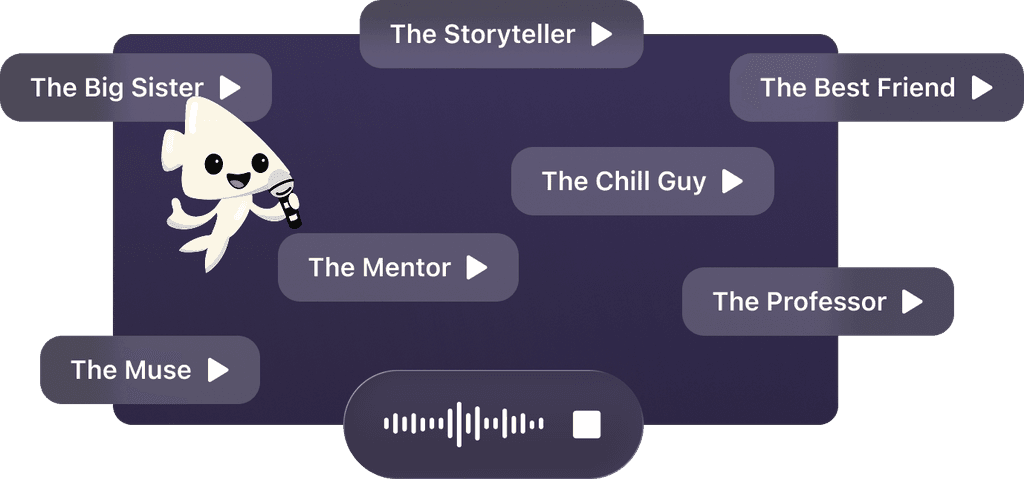
Feel the book through the author's voice
Turn knowledge into engaging, example-rich insights
Capture key ideas in a flash for fast learning
Enjoy the book in a fun and engaging way
Characters in The Lost Art of Connecting
- Susan McPhersonAuthor and expert on meaningful networking
- Reshma SaujaniBusiness leader and advocate for connection
Key Themes in The Lost Art of Connecting
- intentional relationship building
- service-based networking
- authentic professional connection
- combating workplace loneliness
- reciprocal social capital
Quotes from The Lost Art of Connecting
Relationships are relationships regardless of context.
Your existing network is your biggest asset.
Become the host and doing the inviting yourself.
Explore Your Way of Learning
 Quick Summary Mode
Read or listen to The Lost Art of Connecting Summary in 8 Minutes
Break down key ideas from The Lost Art of Connecting into bite-sized takeaways to understand how innovative teams create, collaborate, and grow.

 Fun Mode
The Lost Art of Connecting Lessons Told Through 21-Min Stories
Experience The Lost Art of Connecting through vivid storytelling that turns innovation lessons into moments you'll remember and apply.
 Personalize Mode
Experience The Lost Art of Connecting in your own learning style
Ask anything, choose your learning style, and co-create insights that truly resonate with you.
From Columbia University alumni built in San Francisco
"Instead of endless scrolling, I just hit play on BeFreed. It saves me so much time."


"I never knew where to start with nonfiction—BeFreed’s book lists turned into podcasts gave me a clear path."


"Perfect balance between learning and entertainment. Finished ‘Thinking, Fast and Slow’ on my commute this week."
"Crazy how much I learned while walking the dog. BeFreed = small habits → big gains."
"Reading used to feel like a chore. Now it’s just part of my lifestyle."

"Feels effortless compared to reading. I’ve finished 6 books this month already."
"BeFreed turned my guilty doomscrolling into something that feels productive and inspiring."

"BeFreed turned my commute into learning time. 20-min podcasts are perfect for finishing books I never had time for."
"BeFreed replaced my podcast queue. Imagine Spotify for books — that’s it. 🙌"

"It is great for me to learn something from the book without reading it."
"The themed book list podcasts help me connect ideas across authors—like a guided audio journey."
"Makes me feel smarter every time before going to work"
From Columbia University alumni built in San Francisco
"Instead of endless scrolling, I just hit play on BeFreed. It saves me so much time."
"I never knew where to start with nonfiction—BeFreed’s book lists turned into podcasts gave me a clear path."
"Perfect balance between learning and entertainment. Finished ‘Thinking, Fast and Slow’ on my commute this week."
"Crazy how much I learned while walking the dog. BeFreed = small habits → big gains."
"Reading used to feel like a chore. Now it’s just part of my lifestyle."
"Feels effortless compared to reading. I’ve finished 6 books this month already."
"BeFreed turned my guilty doomscrolling into something that feels productive and inspiring."
"BeFreed turned my commute into learning time. 20-min podcasts are perfect for finishing books I never had time for."
"BeFreed replaced my podcast queue. Imagine Spotify for books — that’s it. 🙌"
"It is great for me to learn something from the book without reading it."
"The themed book list podcasts help me connect ideas across authors—like a guided audio journey."
"Makes me feel smarter every time before going to work"
"Instead of endless scrolling, I just hit play on BeFreed. It saves me so much time."
"I never knew where to start with nonfiction—BeFreed’s book lists turned into podcasts gave me a clear path."
"Perfect balance between learning and entertainment. Finished ‘Thinking, Fast and Slow’ on my commute this week."
"Crazy how much I learned while walking the dog. BeFreed = small habits → big gains."
"Reading used to feel like a chore. Now it’s just part of my lifestyle."
"Feels effortless compared to reading. I’ve finished 6 books this month already."
"BeFreed turned my guilty doomscrolling into something that feels productive and inspiring."
"BeFreed turned my commute into learning time. 20-min podcasts are perfect for finishing books I never had time for."
"BeFreed replaced my podcast queue. Imagine Spotify for books — that’s it. 🙌"
"It is great for me to learn something from the book without reading it."
"The themed book list podcasts help me connect ideas across authors—like a guided audio journey."
"Makes me feel smarter every time before going to work"
"Instead of endless scrolling, I just hit play on BeFreed. It saves me so much time."
"I never knew where to start with nonfiction—BeFreed’s book lists turned into podcasts gave me a clear path."
"Perfect balance between learning and entertainment. Finished ‘Thinking, Fast and Slow’ on my commute this week."
"Crazy how much I learned while walking the dog. BeFreed = small habits → big gains."
"Reading used to feel like a chore. Now it’s just part of my lifestyle."
"Feels effortless compared to reading. I’ve finished 6 books this month already."
"BeFreed turned my guilty doomscrolling into something that feels productive and inspiring."
"BeFreed turned my commute into learning time. 20-min podcasts are perfect for finishing books I never had time for."
"BeFreed replaced my podcast queue. Imagine Spotify for books — that’s it. 🙌"
"It is great for me to learn something from the book without reading it."
"The themed book list podcasts help me connect ideas across authors—like a guided audio journey."
"Makes me feel smarter every time before going to work"

Download Summary of The Lost Art of Connecting
Get the The Lost Art of Connecting summary as a free PDF or EPUB. Print it or read offline anytime.