Panoramica di The High 5 Habit
Transform your life with Mel Robbins' NYT bestseller that teaches one revolutionary habit: high-fiving yourself daily. This simple mirror ritual has sparked a global movement, rewiring self-doubt into confidence through science-backed psychology. Even skeptics admit - it's impossible not to smile back at yourself.
- Start each morning with a high-five to your reflection to boost self-confidence.
- The Reticular Activating System (RAS) amplifies positivity when focused on self-support.
- Replace self-doubt with daily high-fives to rewire your brain for success.
- Physical self-high-fives build neural pathways for self-trust and decisive action.
- Cheer for yourself first to transform relationships and goal achievement.
- Mel Robbins’ High 5 Habit breaks cycles of guilt and past trauma.
- Mirror high-fives combat morning anxiety by shifting focus to capability.
- Consistent self-high-fives teach the brain to prioritize opportunities over failures.
- The High 5 Habit turns self-criticism into a celebration of potential.
- Robbins’ method uses a 3-step morning ritual to unlock limitless potential.
- High-five practice proves self-worth is the foundation of daily motivation.
- Transform negative self-talk by physically affirming your value each morning.
Sull'autore di The High 5 Habit
Melanie Lee Robbins, #1 New York Times bestselling author of The High 5 Habit, is a leading voice in personal development and habit formation. A former criminal defense attorney and CNN legal analyst, Robbins combines psychological research with practical strategies to help readers rebuild confidence and self-trust.
Her groundbreaking "5 Second Rule" framework, introduced in her 2017 multimillion-copy bestseller The 5 Second Rule, became a global phenomenon with translations in 41 languages.
As host of the award-winning Mel Robbins Podcast and creator of the transformative 143 Studios media platform, she reaches 25 million monthly followers through bite-sized science-backed tools. Robbins’ work is frequently featured on CNN, TEDx (her San Francisco talk has 33 million views), and corporate training programs for Fortune 500 companies.
The High 5 Habit builds on her signature approach to mindset shifts, endorsed by mental health professionals and educators worldwide. Translated into 41 languages within its first year, the book continues Robbins’ legacy of creating accessible, action-oriented personal growth resources.
FAQ su The High 5 Habit
What is The High 5 Habit by Mel Robbins about?
The High 5 Habit introduces a simple daily practice of high-fiving your reflection to combat self-criticism and build self-compassion. Mel Robbins combines neuroscience, personal stories, and actionable strategies to help readers silence negative inner dialogue, boost confidence, and create lasting behavioral change. The habit aims to rewire your brain to focus on encouragement rather than self-doubt.
Who should read The High 5 Habit?
This book is ideal for individuals struggling with self-esteem, motivation, or anxiety, as well as anyone seeking practical tools for personal growth. It resonates with self-help enthusiasts, professionals facing burnout, and fans of Mel Robbins’ previous work, like The 5 Second Rule. The strategies are particularly useful for those seeking mindset shifts in careers, relationships, or daily habits.
Is The High 5 Habit worth reading?
Yes—the book offers science-backed, easy-to-implement techniques for improving self-talk and confidence. With over 41 language translations and millions sold, its global impact underscores its value. Readers praise its relatable anecdotes and actionable steps, though critics note its simplicity may not address deeper psychological issues.
What is the main concept in The High 5 Habit?
The core idea is a morning ritual: high-fiving your mirror reflection to disrupt negative self-talk and foster self-support. Robbins explains how this act activates neural pathways linked to encouragement, creating a “habit of belief” that improves decision-making and resilience. The practice builds on principles of neuroplasticity and behavioral psychology.
How does The High 5 Habit help with anxiety?
By replacing criticism with self-acknowledgment, the habit interrupts anxiety-inducing thought cycles. Robbins cites studies showing how consistent self-affirmation lowers cortisol levels and improves emotional regulation. The physical act of high-fiving triggers dopamine release, creating a positive feedback loop for mental health.
Can The High 5 Habit improve relationships?
Yes—Robbins argues that self-compassion directly enhances interpersonal connections. By cultivating self-acceptance, readers develop healthier boundaries, reduced projection of insecurities, and increased empathy. Case studies in the book show improved marital communication and workplace collaboration among practitioners.
How does The High 5 Habit differ from Mel Robbins’ The 5 Second Rule?
While The 5 Second Rule focuses on action initiation to combat procrastination, The High 5 Habit targets self-perception and inner dialogue. The newer book emphasizes emotional resilience over task completion, using neuroscience rather than behavioral triggers as its primary framework.
What are key quotes from The High 5 Habit?
- “You can’t hate yourself into a better life” – challenges perfectionism.
- “Your reflection is the most important relationship you’ll ever have” – underscores self-compassion’s role.
- “Celebration isn’t the reward—it’s the requirement” – reframes success psychology.
What are common criticisms of The High 5 Habit?
Some reviewers argue the method oversimplifies complex mental health issues, while others find the mirror exercise awkward or culturally specific. Critics also note overlap with Robbins’ earlier work, though fans appreciate the deepened focus on self-image.
How to apply The High 5 Habit in daily life?
- Morning ritual: High-five your reflection immediately after waking.
- Midday check-ins: Use the gesture during stressful moments.
- Journaling: Pair the habit with writing one self-acknowledgment daily.
Robbins recommends 66 days for full habit formation, citing habit-loop research.
Why is The High 5 Habit relevant in 2025?
Amid rising rates of anxiety and burnout, the book’s focus on self-compassion aligns with 2025’s mental health trends. Its simplicity suits time-constrained professionals, while the tactile ritual counters screen-dominated routines. Robbins also addresses remote work challenges and social media comparison culture.
Books similar to The High 5 Habit
- Atomic Habits by James Clear (systems for behavior change)
- Daring Greatly by Brené Brown (vulnerability and self-acceptance)
- The Gifts of Imperfection by Brené Brown (self-compassion frameworks)
- Think Like a Monk by Jay Shetty (mindfulness practices)
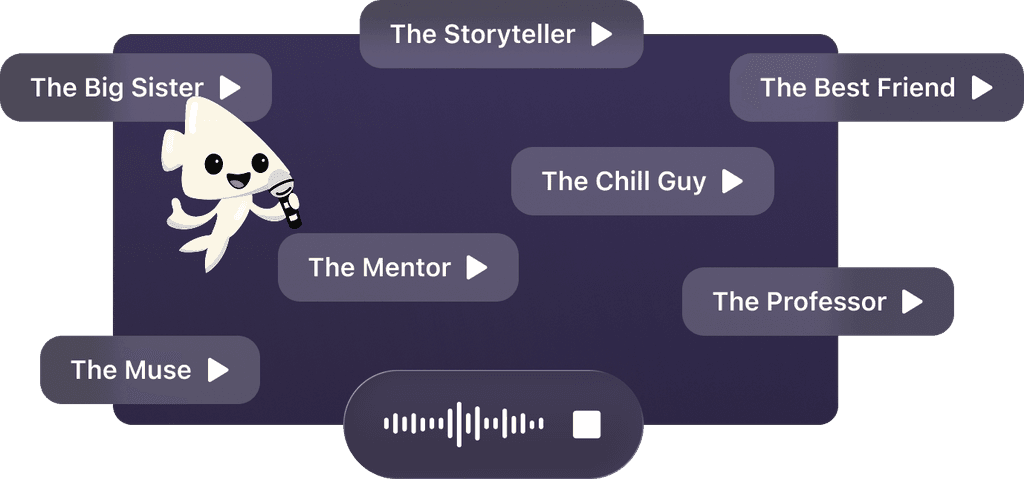
Senti il libro attraverso la voce dell'autore
Trasforma la conoscenza in spunti coinvolgenti e ricchi di esempi
Cattura le idee chiave in un lampo per un apprendimento veloce
Goditi il libro in modo divertente e coinvolgente
Personaggi di The High 5 Habit
- Mel RobbinsAuthor and protagonist who discovered the habit
- Dr. Lawrence KatzDuke University researcher who discovered neurobics
- Dr. Judy WillisNeuroscientist who validates the habit's effects
Temi chiave in The High 5 Habit
- radical self-acceptance
- inner critic silencing
- positive neural reprogramming
- behavioral ritual design
- self-encouragement techniques
Citazioni da The High 5 Habit
Self-acceptance is the strongest predictor of happiness and satisfaction.
Being hard on yourself isn't motivating-it's defeating and discouraging.
Morning high fives impact your productivity all day and teach you to prioritize yourself.
The mirror is required!
Esplora il Tuo Modo di Imparare
 Modalità Riassunto Rapido
Leggi o ascolta il riassunto di The High 5 Habit in 8 minuti
Scomponi le idee chiave di The High 5 Habit in punti facili da capire per comprendere come i team innovativi creano, collaborano e crescono.

 Modalità Divertente
Lezioni da The High 5 Habit Raccontate in Storie di 20 Min
Vivi The High 5 Habit attraverso narrazioni vivide che trasformano le lezioni di innovazione in momenti che ricorderai e applicherai.
 Modalità Personalizza
Vivi The High 5 Habit nel tuo stile di apprendimento
Chiedi qualsiasi cosa, scegli il tuo stile di apprendimento e co-crea intuizioni che risuonano davvero con te.
Creato da alumni della Columbia University a San Francisco
"Instead of endless scrolling, I just hit play on BeFreed. It saves me so much time."


"I never knew where to start with nonfiction—BeFreed’s book lists turned into podcasts gave me a clear path."


"Perfect balance between learning and entertainment. Finished ‘Thinking, Fast and Slow’ on my commute this week."
"Crazy how much I learned while walking the dog. BeFreed = small habits → big gains."
"Reading used to feel like a chore. Now it’s just part of my lifestyle."

"Feels effortless compared to reading. I’ve finished 6 books this month already."
"BeFreed turned my guilty doomscrolling into something that feels productive and inspiring."

"BeFreed turned my commute into learning time. 20-min podcasts are perfect for finishing books I never had time for."
"BeFreed replaced my podcast queue. Imagine Spotify for books — that’s it. 🙌"

"It is great for me to learn something from the book without reading it."
"The themed book list podcasts help me connect ideas across authors—like a guided audio journey."
"Makes me feel smarter every time before going to work"
Creato da alumni della Columbia University a San Francisco
"Instead of endless scrolling, I just hit play on BeFreed. It saves me so much time."
"I never knew where to start with nonfiction—BeFreed’s book lists turned into podcasts gave me a clear path."
"Perfect balance between learning and entertainment. Finished ‘Thinking, Fast and Slow’ on my commute this week."
"Crazy how much I learned while walking the dog. BeFreed = small habits → big gains."
"Reading used to feel like a chore. Now it’s just part of my lifestyle."
"Feels effortless compared to reading. I’ve finished 6 books this month already."
"BeFreed turned my guilty doomscrolling into something that feels productive and inspiring."
"BeFreed turned my commute into learning time. 20-min podcasts are perfect for finishing books I never had time for."
"BeFreed replaced my podcast queue. Imagine Spotify for books — that’s it. 🙌"
"It is great for me to learn something from the book without reading it."
"The themed book list podcasts help me connect ideas across authors—like a guided audio journey."
"Makes me feel smarter every time before going to work"
"Instead of endless scrolling, I just hit play on BeFreed. It saves me so much time."
"I never knew where to start with nonfiction—BeFreed’s book lists turned into podcasts gave me a clear path."
"Perfect balance between learning and entertainment. Finished ‘Thinking, Fast and Slow’ on my commute this week."
"Crazy how much I learned while walking the dog. BeFreed = small habits → big gains."
"Reading used to feel like a chore. Now it’s just part of my lifestyle."
"Feels effortless compared to reading. I’ve finished 6 books this month already."
"BeFreed turned my guilty doomscrolling into something that feels productive and inspiring."
"BeFreed turned my commute into learning time. 20-min podcasts are perfect for finishing books I never had time for."
"BeFreed replaced my podcast queue. Imagine Spotify for books — that’s it. 🙌"
"It is great for me to learn something from the book without reading it."
"The themed book list podcasts help me connect ideas across authors—like a guided audio journey."
"Makes me feel smarter every time before going to work"
"Instead of endless scrolling, I just hit play on BeFreed. It saves me so much time."
"I never knew where to start with nonfiction—BeFreed’s book lists turned into podcasts gave me a clear path."
"Perfect balance between learning and entertainment. Finished ‘Thinking, Fast and Slow’ on my commute this week."
"Crazy how much I learned while walking the dog. BeFreed = small habits → big gains."
"Reading used to feel like a chore. Now it’s just part of my lifestyle."
"Feels effortless compared to reading. I’ve finished 6 books this month already."
"BeFreed turned my guilty doomscrolling into something that feels productive and inspiring."
"BeFreed turned my commute into learning time. 20-min podcasts are perfect for finishing books I never had time for."
"BeFreed replaced my podcast queue. Imagine Spotify for books — that’s it. 🙌"
"It is great for me to learn something from the book without reading it."
"The themed book list podcasts help me connect ideas across authors—like a guided audio journey."
"Makes me feel smarter every time before going to work"

Scarica il riassunto di The High 5 Habit
Ottieni il riassunto di The High 5 Habit in formato PDF o EPUB gratuito. Stampalo o leggilo offline quando vuoi.