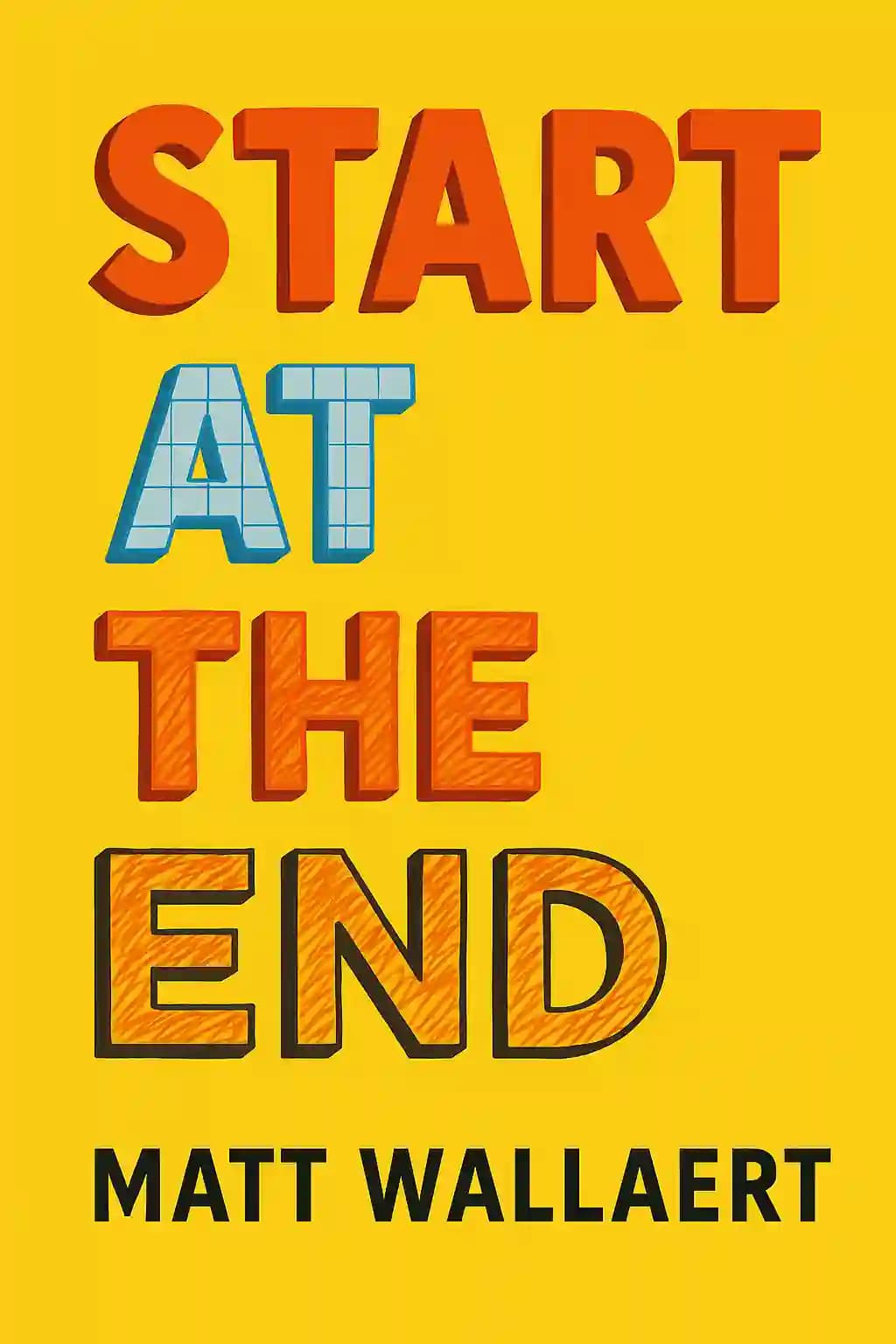
Partire dalla fine
Come costruire prodotti che generano cambiamento
Panoramica di Partire dalla fine
"Start at the End" di Matt Wallaert rivoluziona il design di prodotto concentrandosi innanzitutto sui risultati comportamentali. Utilizzando il suo Processo di Progettazione degli Interventi (Intervention Design Process) - illustrato attraverso le storie di successo dell'iPhone di Apple e dei Flamin' Hot Cheetos - questo scienziato comportamentale rivela perché la maggior parte delle innovazioni fallisce: dimenticano di chiedersi "quale comportamento stiamo cambiando?"
Temi chiave in Partire dalla fine
- behavioral design
- intervention design process
- inhibiting pressures
- behavioral gap analysis
- evidence-based product development
Citazioni da Partire dalla fine
Start with the behavior you want to create, then work backward.
Evidence over assumptions.
Love isn't measurable or observable.
Effective behavioral statements should be bold rather than timid.
Rather than directly controlling behavior, we must influence these underlying forces.
Personaggi di Partire dalla fine
- Matt WallaertAuthor and behavioral scientist
Scarica il riassunto di Partire dalla fine
Ottieni il riassunto di Partire dalla fine in formato PDF o EPUB gratuito. Stampalo o leggilo offline quando vuoi.





![[start-with-why-by-simon-sinek:c0000] Start With Why p1-1](/_next/image?url=https%3A%2F%2Fd1y2du6z1jfm9e.cloudfront.net%2Fassets%2Fpodcast%2Fpurple.png&w=1024&q=50)
![[start-with-why-by-simon-sinek:c0001] Start With Why p1-1](/_next/image?url=https%3A%2F%2Fd1y2du6z1jfm9e.cloudfront.net%2Fassets%2Fpodcast%2Fgreen.png&w=1024&q=50)
![[start-with-why-by-simon-sinek:c0002] Start With Why p1-1](/_next/image?url=https%3A%2F%2Fd1y2du6z1jfm9e.cloudfront.net%2Fassets%2Fpodcast%2Fyellow.png&w=1024&q=50)
![[start-with-why-by-simon-sinek:c0003] Start With Why p1-1](/_next/image?url=https%3A%2F%2Fd1y2du6z1jfm9e.cloudfront.net%2Fassets%2Fpodcast%2Fblue.png&w=1024&q=50)