
What Philosophy Can Teach You about Being a Better Leader

Overview of What Philosophy Can Teach You about Being a Better Leader
When philosophy meets boardrooms: four business school experts reveal how Aristotle, Kant, and Nietzsche offer solutions to today's leadership crisis. Discover why ethical frameworks outperform profit-driven management - the wisdom that's reshaping corporate culture after tech industry scandals.
- Alison Reynolds redefines leadership through philosophy’s emphasis on human fulfillment
- Replace hierarchical control with Socrates-inspired dialogue to spark critical thinking
- Nietzsche’s will-to-power theory reveals why traditional engagement tactics often fail
- Kantian ethics show how fairness becomes organizations’ most competitive leadership advantage
- “Humanized strategy” blends Aristotle’s practical wisdom with modern employee autonomy
- Why stoic acceptance of ethical pluralism strengthens decision-making in complex teams
- Transform town halls into Nietzschean “encounters” that challenge status quo thinking
- Epicurus’ pleasure principle applied: align purpose with employees’ deepest motivations
- Kierkegaard’s leap of faith paradox - less control creates more committed teams
- Plato’s cave allegory explains why leaders must model curiosity over certainty
- How Spinoza’s concept of conatus reshapes performance management as self-actualization
- Marcus Aurelius’ meditations prove self-aware leadership outlasts ego-driven authority
About the Author of What Philosophy Can Teach You about Being a Better Leader
Alison Reynolds, Jules Goddard, Dominic Houlder, and David Giles Lewis are renowned leadership strategists and co-authors of What Philosophy Can Teach You About Being a Better Leader, blending decades of executive education expertise with philosophical insights to redefine modern leadership.
Reynolds, a strategy execution consultant and faculty member at Ashridge Business School, partners with Goddard—a London Business School Fellow specializing in competitive strategy—and Houlder, an internationally recognized strategist and LBS professor. Lewis, a London Business School program director, rounds out this quartet of thought leaders who met while pursuing a joint Master’s in Philosophy at the University of Buckingham.
Their work bridges ancient philosophical frameworks with contemporary management challenges, particularly in fostering purposeful, adaptive organizations. Goddard’s prior works like Uncommon Sense, Common Nonsense and Mavericks further explore unconventional leadership strategies.
Published by Kogan Page, the book has become essential reading in executive programs globally, endorsed by institutions like London Business School and corporate leaders for its actionable blend of theory and practice. It reflects their collective 100+ years of experience transforming leadership development across Fortune 500 companies and academic curricula.
FAQs About What Philosophy Can Teach You about Being a Better Leader
What is What Philosophy Can Teach You About Being a Better Leader about?
The book explores how philosophical concepts from Aristotle, Socrates, Kant, and Nietzsche can transform leadership practices. It emphasizes ethics, effective communication, and adaptability to change, advocating for a shift from productivity-centric management to empowering employees. Key themes include virtue ethics, the Socratic method, and balancing organizational goals with employee well-being.
Who should read What Philosophy Can Teach You About Being a Better Leader?
Leaders, managers, and HR professionals seeking to integrate ethical frameworks and philosophical insights into their leadership style. It’s ideal for those addressing workplace challenges like engagement, generational differences, or fostering innovation through cognitive diversity.
Is What Philosophy Can Teach You About Being a Better Leader worth reading?
Yes, it offers actionable strategies for creating empathetic, adaptable leadership practices. By linking timeless philosophical ideas to modern workplace issues, it provides a fresh perspective on building trust, fostering teamwork, and navigating complexity.
How does Aristotle’s philosophy influence the book’s leadership model?
The book applies Aristotle’s virtue ethics, emphasizing character-driven leadership. It argues leaders should cultivate traits like courage and wisdom to create ethical workplaces, rather than relying solely on rules or outcomes.
What does Kant’s deontology contribute to the book’s ethical framework?
Kant’s duty-based ethics informs the book’s focus on principled decision-making. Leaders are urged to prioritize moral obligations over short-term gains, ensuring fairness and respect for employees.
How does the book address communication in leadership?
It advocates for the Socratic method—asking probing questions to clarify goals and resolve conflicts. The book also highlights language’s role in shaping organizational culture and fostering mutual understanding.
What does the book say about managing organizational change?
Drawing on Nietzsche’s concept of “creative destruction,” it encourages leaders to embrace uncertainty and inspire teams to adapt. The book frames change as an opportunity for growth rather than a threat.
How does the book critique traditional management practices?
It challenges overreliance on KPIs and productivity metrics, arguing this erodes trust. Instead, the authors propose valuing employees as individuals to drive sustainable success.
Why does the book emphasize cognitive diversity?
Research by co-author Alison Reynolds shows diverse teams solve problems faster. The book advises leaders to foster varied perspectives to enhance innovation and decision-making.
How does Socrates’ approach apply to modern leadership challenges?
The book uses Socratic questioning to help leaders challenge assumptions and refine strategies. This method promotes critical thinking and aligns teams around shared goals.
What ethical frameworks does the book recommend for leaders?
It outlines three approaches:
- utilitarianism (outcome-focused)
- deontology (rule-based)
- virtue ethics (character-driven)
Leaders are encouraged to blend these based on context.
How does the book suggest balancing company and employee interests?
By reconnecting shareholder goals with employee fulfillment, it argues that ethical leadership creates harmony. Examples include prioritizing fair treatment and meaningful work over rigid metrics.
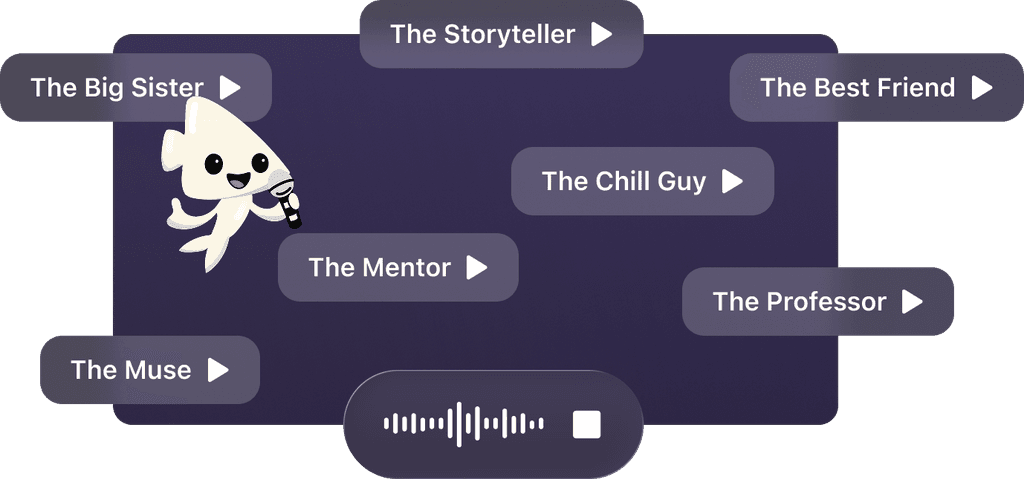
Feel the book through the author's voice
Turn knowledge into engaging, example-rich insights
Capture key ideas in a flash for fast learning
Enjoy the book in a fun and engaging way
Characters in What Philosophy Can Teach You about Being a Better Leader
- Alison ReynoldsCo-author and Thinkers50 Radar honoree
- DoloresHR manager used as a case study on alienation
Key Themes in What Philosophy Can Teach You about Being a Better Leader
- workplace alienation
- human flourishing
- virtue ethics
- authentic leadership
- organizational dehumanization
Quotes from What Philosophy Can Teach You about Being a Better Leader
The dehumanization of work is the fundamental leadership challenge.
Philosophy matters because it addresses what makes us fully human.
Aristotle would view many modern workplaces as forms of slavery.
Organizations must design organizations around people.
Empathy becomes strategically critical in uncertain times.
Explore Your Way of Learning
 Quick Summary Mode
Read or listen to What Philosophy Can Teach You about Being a Better Leader Summary in 9 Minutes
Break down key ideas from What Philosophy Can Teach You about Being a Better Leader into bite-sized takeaways to understand how innovative teams create, collaborate, and grow.

 Fun Mode
What Philosophy Can Teach You about Being a Better Leader Lessons Told Through 24-Min Stories
Experience What Philosophy Can Teach You about Being a Better Leader through vivid storytelling that turns innovation lessons into moments you'll remember and apply.
 Personalize Mode
Experience What Philosophy Can Teach You about Being a Better Leader in your own learning style
Ask anything, choose your learning style, and co-create insights that truly resonate with you.
From Columbia University alumni built in San Francisco
"Instead of endless scrolling, I just hit play on BeFreed. It saves me so much time."


"I never knew where to start with nonfiction—BeFreed’s book lists turned into podcasts gave me a clear path."


"Perfect balance between learning and entertainment. Finished ‘Thinking, Fast and Slow’ on my commute this week."
"Crazy how much I learned while walking the dog. BeFreed = small habits → big gains."
"Reading used to feel like a chore. Now it’s just part of my lifestyle."

"Feels effortless compared to reading. I’ve finished 6 books this month already."
"BeFreed turned my guilty doomscrolling into something that feels productive and inspiring."

"BeFreed turned my commute into learning time. 20-min podcasts are perfect for finishing books I never had time for."
"BeFreed replaced my podcast queue. Imagine Spotify for books — that’s it. 🙌"

"It is great for me to learn something from the book without reading it."
"The themed book list podcasts help me connect ideas across authors—like a guided audio journey."
"Makes me feel smarter every time before going to work"
From Columbia University alumni built in San Francisco
"Instead of endless scrolling, I just hit play on BeFreed. It saves me so much time."
"I never knew where to start with nonfiction—BeFreed’s book lists turned into podcasts gave me a clear path."
"Perfect balance between learning and entertainment. Finished ‘Thinking, Fast and Slow’ on my commute this week."
"Crazy how much I learned while walking the dog. BeFreed = small habits → big gains."
"Reading used to feel like a chore. Now it’s just part of my lifestyle."
"Feels effortless compared to reading. I’ve finished 6 books this month already."
"BeFreed turned my guilty doomscrolling into something that feels productive and inspiring."
"BeFreed turned my commute into learning time. 20-min podcasts are perfect for finishing books I never had time for."
"BeFreed replaced my podcast queue. Imagine Spotify for books — that’s it. 🙌"
"It is great for me to learn something from the book without reading it."
"The themed book list podcasts help me connect ideas across authors—like a guided audio journey."
"Makes me feel smarter every time before going to work"
"Instead of endless scrolling, I just hit play on BeFreed. It saves me so much time."
"I never knew where to start with nonfiction—BeFreed’s book lists turned into podcasts gave me a clear path."
"Perfect balance between learning and entertainment. Finished ‘Thinking, Fast and Slow’ on my commute this week."
"Crazy how much I learned while walking the dog. BeFreed = small habits → big gains."
"Reading used to feel like a chore. Now it’s just part of my lifestyle."
"Feels effortless compared to reading. I’ve finished 6 books this month already."
"BeFreed turned my guilty doomscrolling into something that feels productive and inspiring."
"BeFreed turned my commute into learning time. 20-min podcasts are perfect for finishing books I never had time for."
"BeFreed replaced my podcast queue. Imagine Spotify for books — that’s it. 🙌"
"It is great for me to learn something from the book without reading it."
"The themed book list podcasts help me connect ideas across authors—like a guided audio journey."
"Makes me feel smarter every time before going to work"
"Instead of endless scrolling, I just hit play on BeFreed. It saves me so much time."
"I never knew where to start with nonfiction—BeFreed’s book lists turned into podcasts gave me a clear path."
"Perfect balance between learning and entertainment. Finished ‘Thinking, Fast and Slow’ on my commute this week."
"Crazy how much I learned while walking the dog. BeFreed = small habits → big gains."
"Reading used to feel like a chore. Now it’s just part of my lifestyle."
"Feels effortless compared to reading. I’ve finished 6 books this month already."
"BeFreed turned my guilty doomscrolling into something that feels productive and inspiring."
"BeFreed turned my commute into learning time. 20-min podcasts are perfect for finishing books I never had time for."
"BeFreed replaced my podcast queue. Imagine Spotify for books — that’s it. 🙌"
"It is great for me to learn something from the book without reading it."
"The themed book list podcasts help me connect ideas across authors—like a guided audio journey."
"Makes me feel smarter every time before going to work"

Download Summary of What Philosophy Can Teach You about Being a Better Leader
Get the What Philosophy Can Teach You about Being a Better Leader summary as a free PDF or EPUB. Print it or read offline anytime.


