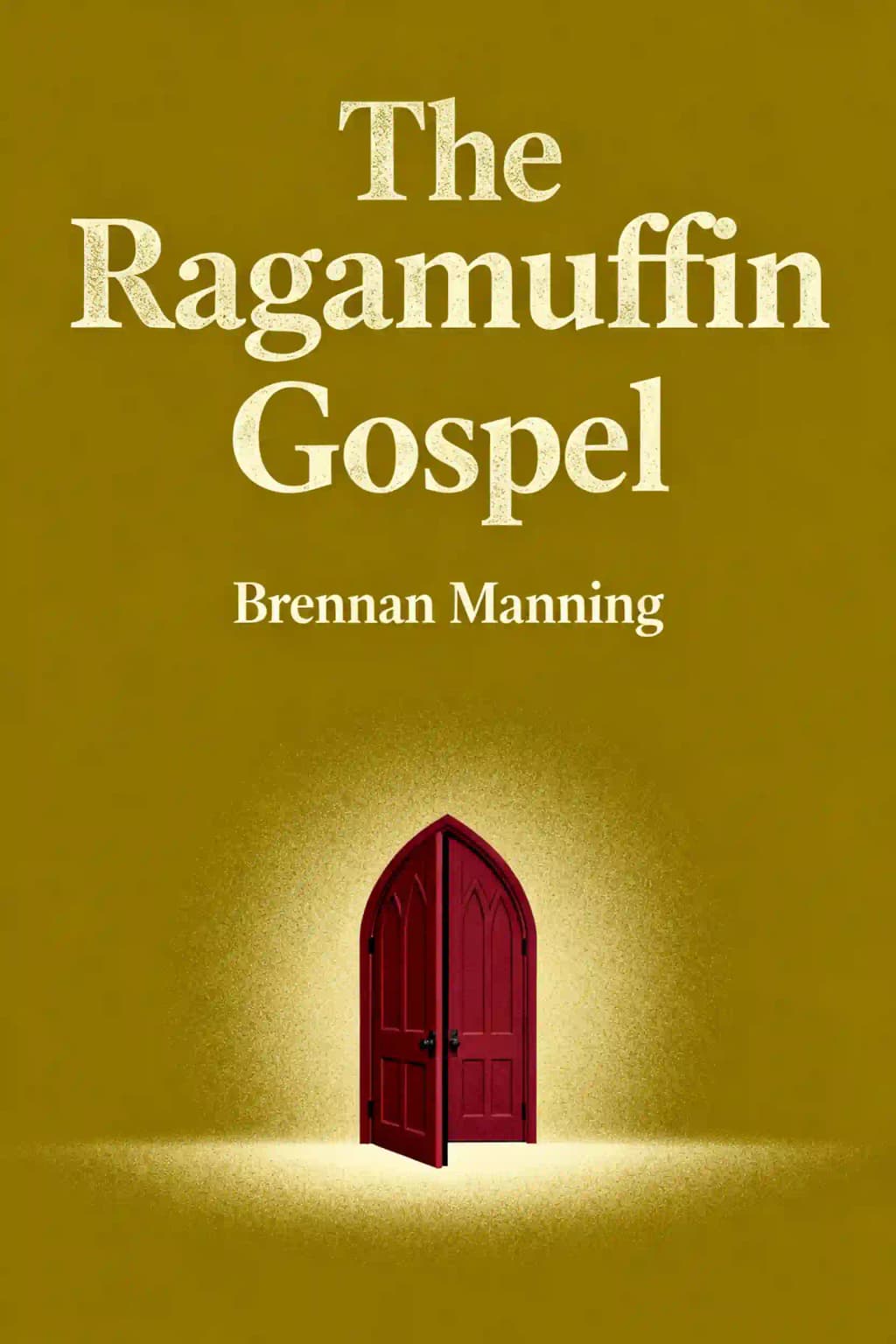
The Ragamuffin Gospel
Overview of The Ragamuffin Gospel
In "The Ragamuffin Gospel," Brennan Manning challenges religious performance with radical grace. So revolutionary it inspired Rich Mullins' band name and TobyMac's "Speak Life," yet controversial enough to be labeled heretical. What if God's love requires nothing but acceptance?

Key Themes in The Ragamuffin Gospel
- unconditional grace
- religious legalism
- spiritual inadequacy
- divine compassion
- radical acceptance
Quotes from The Ragamuffin Gospel
Define yourself radically as one beloved of God. This is the single most important thing you do in your life.
In every encounter we either give life or we drain it; there is no neutral exchange.
We are all, in the last analysis, ragamuffins.
God loves you exactly as you are, not as you should be.
Characters in The Ragamuffin Gospel
- Brennan ManningAuthor, former priest, and recovering alcoholic
- Rich MullinsMusician who formed the Ragamuffin Band
- Martin LutherTheologian who wrestled with the gospel of grace
- Paul TillichTheologian who wrote about the nature of grace
About the Author
About the Author of The Ragamuffin Gospel
Richard Francis Xavier Manning, known as Brennan Manning (1934-2013), was the bestselling author of The Ragamuffin Gospel and a former Franciscan priest whose writings on God's unconditional grace resonated deeply with Christian audiences.
Published in 1990, this Christian living classic explores themes of divine grace, redemption, and acceptance for the broken—topics rooted in Manning's struggles with alcoholism and his experiences serving the poor with the Little Brothers of Jesus in Europe.
A Marine Corps veteran of the Korean War who became an ordained priest, Manning left the Franciscan order but continued his ministry through writing and speaking to evangelical audiences. His approximately 23 books, including All is Grace, The Wisdom of Tenderness, and Stranger to Self-Hatred, all echoed his message of radical grace. The Ragamuffin Gospel inspired Christian musicians Rich Mullins and Michael W. Smith, and its title became the namesake of Mullins' band, A Ragamuffin Band, cementing Manning's lasting influence on contemporary Christian culture.
Download Summary of The Ragamuffin Gospel
Get the The Ragamuffin Gospel summary as a free PDF or EPUB. Print it or read offline anytime.
FAQs About This Book
The Ragamuffin Gospel is about God's unconditional love and grace for broken, hurting people. Originally published in 1990, Brennan Manning's bestselling book challenges religious pretense and shows that the Gospel is for those who recognize they can't earn God's acceptance. Manning emphasizes that we're all "ragamuffins"—ragged, imperfect people who need grace—and that God's furious love accepts us exactly as we are, not as we should be.
The Ragamuffin Gospel is written for the "bedraggled, beat-up, and burnt-out"—those who feel inadequate, broken, or rejected by religious communities. It's ideal for anyone struggling with perfectionism, shame, or the feeling they can never measure up spiritually. Manning specifically speaks to people who are tired of pretending to have it all together and those seeking authentic understanding of God's grace rather than performance-based religion.
Brennan Manning (1934-2013) was a former Franciscan priest, author, and speaker who struggled openly with alcoholism throughout his life. Born Richard Francis Xavier Manning in Depression-era Brooklyn, he served in the Korean War, became a priest in 1963, and later lived among the poor with the Little Brothers of Jesus. His personal battles with addiction and experiences in AA profoundly shaped his understanding of grace, brokenness, and God's unconditional love.
The Ragamuffin Gospel is worth reading if you seek a fresh perspective on God's grace and struggle with religious performance. Manning's tender, unflinching approach to brokenness resonates deeply with readers tired of pretense. However, some critics note his ecumenical and mystical spiritual approach may not align with all theological perspectives. The book's lasting influence—inspiring Christian musicians like Rich Mullins and remaining popular decades after publication—demonstrates its meaningful impact.
In The Ragamuffin Gospel, "ragamuffin" refers to the ragged, disreputable, broken people Jesus ministered to—the sick, sinners, tax collectors, and outcasts. Manning uses this term to describe all believers, emphasizing that everyone comes to God "beat-up, burnt-out, ragged and dirty." The concept challenges the idea that we must clean ourselves up before approaching God, showing instead that Jesus specifically loves and accepts ragamuffins.
The main message is that God's grace accepts the unacceptable and we cannot earn divine love through performance or good behavior. Manning argues that pretending to have it together spiritually leads to "pseudo-repentance and pseudo-bliss." True faith requires honest acknowledgment of our brokenness and sinfulness, combined with radical acceptance of God's furious love. The book insists we're all equally privileged but unentitled beggars at God's mercy.
Famous quotes include:
- "We are all equally privileged but unentitled beggars at the door of God's mercy"
- "To be alive is to be broken. And to be broken is to stand in need of grace."
Manning asks, "Do you really accept the message that God is head over heels in love with you?" These quotes capture his central message that spiritual maturity requires believing God loves us unconditionally, not because we've earned it.
Manning directly confronts religious hypocrisy by targeting "so-called Christians who disfigure the face of God, mutilate the gospel of grace, and intimidate others through fear." He criticizes believers who pretend to acknowledge their sinfulness at Sunday worship while maintaining spiritual superiority. Drawing from his AA experiences, Manning emphasizes radical honesty about our struggles rather than maintaining religious facades that prevent genuine transformation and authentic community.
Honesty is central to Manning's theology, requiring "candid acknowledgment of our fragile humanity" before God and others. He argues that pretending creates pseudo-spirituality where people "pretend to believe we are sinners" and therefore can only "pretend to believe we have been forgiven." Manning draws from his alcoholism recovery experiences to show how admitting our true condition—without religious pretense—brings us into reality and opens us to receiving authentic grace.
The Ragamuffin Gospel profoundly influenced Christian musicians, particularly Rich Mullins, who loved the book so much he formed the Ragamuffin Band in 1993. Michael W. Smith also embraced Manning's message. The book's themes of brokenness, grace, and God's furious love for outcasts resonated with artists seeking authentic spiritual expression beyond polished religious performance, shaping a generation of Christian music focused on vulnerability and honest faith.
Critics note Manning's ecumenical and mystical approach to spirituality may not align with evangelical or conservative theological frameworks. Some argue his emphasis on brokenness and struggle, while honest, could overshadow the transformative power of grace to actually change people. Others caution that focusing too heavily on self-examination and sin-consciousness might keep readers from embracing their new identity in Christ and experiencing true spiritual freedom.
The Ragamuffin Gospel remains relevant for modern Christians struggling with social media perfectionism, church performance culture, and spiritual burnout. Manning's message that "you are accepted—never confuse your perception of yourself with the mystery that you really are accepted" speaks powerfully to contemporary issues of identity, shame, and belonging. His emphasis on community honesty over religious pretense addresses current discussions about authentic faith and mental health in church contexts.