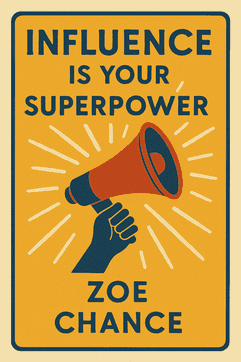
The Art of Influence: Persuading Others Begins with You

Overview of The Art of Influence
In "The Art of Influence," Chris Widener reveals why true leadership isn't about manipulation but transformation. Shared stages with Zig Ziglar, this book challenges conventional influence tactics. What made billionaire Bobby Gold's philosophy so revolutionary? Discover the character-first approach reshaping business leadership worldwide.
- True influence starts with self-improvement, not manipulation tactics.
- Develop the Four Golden Rules: integrity, attitude, service, excellence.
- Become a person others want to follow through admirable character.
- Influence requires earning trust via consistent actions, not slick talk.
- Leadership begins by choosing positive reactions to life’s challenges.
- Optimism and charisma attract others more than persuasive arguments.
- Serve others first to build lasting influence and loyalty.
- Admirable character inspires natural followership without forceful persuasion.
- Transform yourself into a trusted leader before influencing others.
- Influence grows when prioritizing personal growth over transactional tactics.
- Hard work and resilience in adversity define authentic leadership.
- Confidence-building through self-improvement eliminates social awkwardness and doubt.
About the Author of The Art of Influence
Chris Widener, bestselling author of The Art of Influence, is a renowned leadership expert and motivational speaker with over three decades of experience in personal and professional development. He specializes in influence, success strategies, and executive coaching, bridging practical business insights with timeless principles of human potential. Widener’s background as a youth pastor and founder of Made for Success Publishing informs his relatable, action-oriented approach to leadership.
As a member of the Motivational Speakers Hall of Fame, Widener has co-authored impactful works like Twelve Pillars with Jim Rohn and penned The Angel Inside and The Leadership Rules. His client list includes Fortune 500 companies like Microsoft and Harvard Business School.
Widener's global speaking engagements span more than 15 countries, and his books have been translated into 12 languages. The Art of Influence remains a staple in corporate training programs worldwide.
FAQs About The Art of Influence
What is The Art of Influence by Chris Widener about?
The Art of Influence explores leadership through a fictional parable where Marcus Drake learns four golden rules of influence from billionaire Bobby Gold. It emphasizes self-improvement over manipulation, teaching readers to cultivate character traits like integrity, positivity, and vision to naturally attract followers. The book reframes influence as a skill rooted in personal growth, not persuasion tactics.
Who should read The Art of Influence?
Aspiring leaders, sales professionals, and anyone seeking to improve interpersonal relationships will benefit. Chris Widener’s insights are particularly valuable for executives, entrepreneurs, and coaches aiming to inspire teams or clients through authentic leadership. The parable format also appeals to readers who prefer narrative-driven personal development.
Is The Art of Influence worth reading?
Yes—it’s a Wall Street Journal bestseller praised for its actionable framework on ethical leadership. Readers gain tools to build trust, foster optimism, and lead with purpose. The storytelling approach makes complex concepts accessible, though those seeking data-driven strategies may prefer more academic texts.
What are the four golden rules of influence in the book?
- Live with complete integrity: Minor deceptions destroy trust (e.g., a CFO’s white lie costs a $50M deal).
- Cultivate a positive attitude: Hope attracts followers; negativity repels.
- Prioritize people: Influence grows by valuing others’ needs.
- Pursue excellence: Mastery inspires confidence and loyalty.
How does The Art of Influence compare to How to Win Friends and Influence People?
While Dale Carnegie’s classic focuses on social tactics, Widener emphasizes internal growth. The Art of Influence argues that becoming someone worth following (via character) is more sustainable than external techniques. Both books stress empathy but differ in philosophy.
What is the “fishing vs. hunting” metaphor in the book?
Widener contrasts aggressive “hunting” (chasing influence) with strategic “fishing” (attracting it). Key fishing skills include believing in abundant opportunities, focusing efforts where interest exists, crafting an authentic “bait” (character/skills), and adapting to audiences.
What are key quotes from The Art of Influence?
- “Influence is the art of becoming, not the act of persuasion.”
- “People don’t follow arguments—they follow people they trust.”
- “Excellence isn’t perfection; it’s the relentless pursuit of improvement.”
How does the book address overcoming leadership challenges?
It advocates leading by example: a leader’s response to crises sets the tone. The parable shows how Bobby Gold navigates setbacks by maintaining transparency, reinforcing team values, and focusing on long-term vision over short-term wins.
What criticisms exist about The Art of Influence?
Some reviewers note the parable format oversimplifies complex organizational dynamics. While the principles are timeless, those seeking modern case studies or neuropsychological research on influence may need supplemental resources.
How can The Art of Influence help with career advancement?
The book teaches professionals to build reputations as trustworthy, solution-oriented collaborators. By embodying Widener’s four rules, individuals organically gain mentors, promotions, and networking opportunities.
Why is The Art of Influence relevant in 2025?
Remote work and AI-driven communication heighten the need for authentic human connections. Widener’s emphasis on character-based leadership aligns with trends toward emotional intelligence and ethical management in hybrid workplaces.
What do characters Marcus and Bobby symbolize?
Marcus represents the aspiring leader grappling with self-doubt, while Bobby embodies the mentor who converts wisdom into actionable steps. Their interactions model how influence flows from vulnerability and shared growth.
Feel the book through the author's voice
Turn knowledge into engaging, example-rich insights
Capture key ideas in a flash for fast learning
Enjoy the book in a fun and engaging way
Characters in The Art of Influence
- Bobby GoldA billionaire mentor and successful entrepreneur
- Marcus DrakeA recent MBA graduate and Bobby Gold's student
- Tom ReynoldsBobby Gold's former business partner
Key Themes in The Art of Influence
- character-based leadership
- authentic persuasion
- integrity in business
- personal brand development
- ethical influence
Quotes from The Art of Influence
True influence comes not from what you do, but who you are.
Character compounds like interest.
You are the bait.
Explore Your Way of Learning
 Quick Summary Mode
Read or listen to The Art of Influence Summary in 9 Minutes
Break down key ideas from The Art of Influence into bite-sized takeaways to understand how innovative teams create, collaborate, and grow.

 Fun Mode
The Art of Influence Lessons Told Through 22-Min Stories
Experience The Art of Influence through vivid storytelling that turns innovation lessons into moments you'll remember and apply.
 Personalize Mode
Experience The Art of Influence in your own learning style
Ask anything, choose your learning style, and co-create insights that truly resonate with you.

From Columbia University alumni built in San Francisco
"Instead of endless scrolling, I just hit play on BeFreed. It saves me so much time."


"I never knew where to start with nonfiction—BeFreed’s book lists turned into podcasts gave me a clear path."


"Perfect balance between learning and entertainment. Finished ‘Thinking, Fast and Slow’ on my commute this week."
"Crazy how much I learned while walking the dog. BeFreed = small habits → big gains."
"Reading used to feel like a chore. Now it’s just part of my lifestyle."

"Feels effortless compared to reading. I’ve finished 6 books this month already."
"BeFreed turned my guilty doomscrolling into something that feels productive and inspiring."

"BeFreed turned my commute into learning time. 20-min podcasts are perfect for finishing books I never had time for."
"BeFreed replaced my podcast queue. Imagine Spotify for books — that’s it. 🙌"

"It is great for me to learn something from the book without reading it."
"The themed book list podcasts help me connect ideas across authors—like a guided audio journey."
"Makes me feel smarter every time before going to work"
From Columbia University alumni built in San Francisco
"Instead of endless scrolling, I just hit play on BeFreed. It saves me so much time."
"I never knew where to start with nonfiction—BeFreed’s book lists turned into podcasts gave me a clear path."
"Perfect balance between learning and entertainment. Finished ‘Thinking, Fast and Slow’ on my commute this week."
"Crazy how much I learned while walking the dog. BeFreed = small habits → big gains."
"Reading used to feel like a chore. Now it’s just part of my lifestyle."
"Feels effortless compared to reading. I’ve finished 6 books this month already."
"BeFreed turned my guilty doomscrolling into something that feels productive and inspiring."
"BeFreed turned my commute into learning time. 20-min podcasts are perfect for finishing books I never had time for."
"BeFreed replaced my podcast queue. Imagine Spotify for books — that’s it. 🙌"
"It is great for me to learn something from the book without reading it."
"The themed book list podcasts help me connect ideas across authors—like a guided audio journey."
"Makes me feel smarter every time before going to work"
"Instead of endless scrolling, I just hit play on BeFreed. It saves me so much time."
"I never knew where to start with nonfiction—BeFreed’s book lists turned into podcasts gave me a clear path."
"Perfect balance between learning and entertainment. Finished ‘Thinking, Fast and Slow’ on my commute this week."
"Crazy how much I learned while walking the dog. BeFreed = small habits → big gains."
"Reading used to feel like a chore. Now it’s just part of my lifestyle."
"Feels effortless compared to reading. I’ve finished 6 books this month already."
"BeFreed turned my guilty doomscrolling into something that feels productive and inspiring."
"BeFreed turned my commute into learning time. 20-min podcasts are perfect for finishing books I never had time for."
"BeFreed replaced my podcast queue. Imagine Spotify for books — that’s it. 🙌"
"It is great for me to learn something from the book without reading it."
"The themed book list podcasts help me connect ideas across authors—like a guided audio journey."
"Makes me feel smarter every time before going to work"
"Instead of endless scrolling, I just hit play on BeFreed. It saves me so much time."
"I never knew where to start with nonfiction—BeFreed’s book lists turned into podcasts gave me a clear path."
"Perfect balance between learning and entertainment. Finished ‘Thinking, Fast and Slow’ on my commute this week."
"Crazy how much I learned while walking the dog. BeFreed = small habits → big gains."
"Reading used to feel like a chore. Now it’s just part of my lifestyle."
"Feels effortless compared to reading. I’ve finished 6 books this month already."
"BeFreed turned my guilty doomscrolling into something that feels productive and inspiring."
"BeFreed turned my commute into learning time. 20-min podcasts are perfect for finishing books I never had time for."
"BeFreed replaced my podcast queue. Imagine Spotify for books — that’s it. 🙌"
"It is great for me to learn something from the book without reading it."
"The themed book list podcasts help me connect ideas across authors—like a guided audio journey."
"Makes me feel smarter every time before going to work"

Download Summary of The Art of Influence
Get the The Art of Influence summary as a free PDF or EPUB. Print it or read offline anytime.