

Overview of Better Than Before
Discover why 40% of your daily behavior is habit-driven in Gretchen Rubin's bestseller that decodes your personality type to transform your life. Are you an Upholder, Questioner, Obliger, or Rebel? The answer unlocks your path to lasting change.
- The Four Tendencies framework reveals your habit success style through self-assessment.
- Identity shapes habits—labeling yourself a “healthy eater” reinforces better dietary choices.
- Scheduling beats willpower: fix habits to specific times for automatic daily execution.
- Foundation habits like sleep and exercise create energy for other positive routines.
- Treats (not rewards) boost motivation without the guilt of traditional incentive systems.
- Clutter blocks energy flow—uncluttering physical spaces supports mental clarity and habit adherence.
- Obligers need external accountability while Questioners require internal logic to maintain habits.
- Abstainers succeed with total elimination; Moderators thrive on controlled occasional indulgences.
- Pair unwanted tasks with enjoyable activities to build sustainable habit associations.
- Monitoring through tracking apps or journals creates awareness that drives behavioral change.
- “Invisible architecture” of daily habits determines long-term wellbeing more than drastic overhauls.
- Better Than Before argues self-knowledge beats generic advice for personalized habit success.
About the Author of Better Than Before
Gretchen Rubin, the #1 New York Times bestselling author of Better Than Before, is a leading expert on habits, happiness, and human nature.
A former lawyer who clerked for Supreme Court Justice Sandra Day O’Connor, Rubin shifted her focus to exploring the science of self-improvement and well-being. Better Than Before distills her research on harnessing habits to shape a happier life.
Her other notable works include The Happiness Project, which sparked a global movement with its actionable insights, and Outer Order, Inner Calm, which examines the link between organization and mental clarity.
Rubin hosts the award-winning podcast Happier with Gretchen Rubin, boasting over 220 million downloads. Her ideas have been featured everywhere from Oprah’s SuperSoul 100 list to Jeopardy! clues, and her books have been translated into 35 languages with more than two million copies sold worldwide.
FAQs About Better Than Before
What is Better Than Before by Gretchen Rubin about?
Better Than Before explores how to build lasting habits by aligning strategies with personal tendencies. Gretchen Rubin identifies 21 practical methods to create or break habits, emphasizing self-awareness through her "Four Tendencies" framework. The book argues that habits simplify life by reducing decision fatigue, enabling progress through consistent, automatic behaviors.
Who should read Better Than Before?
This book suits anyone struggling with habit formation, particularly those interested in self-improvement or behavior psychology. It’s ideal for readers seeking actionable strategies tailored to their personality type, including moms, professionals, or individuals navigating lifestyle changes.
Is Better Than Before worth reading?
Yes, for its actionable insights and relatable anecdotes. Rubin blends research with real-life examples, offering tools like the "Four Tendencies" quiz to personalize habit-building. Readers praise its accessible style and practical frameworks, though some may desire more scientific citations.
What are the "Four Tendencies" in Better Than Before?
Rubin’s framework categorizes people based on how they respond to expectations:
- Upholders (meet inner/outer expectations).
- Questioners (challenge expectations unless justified).
- Obligers (prioritize others’ expectations over their own).
- Rebels (resist all expectations). Understanding your type helps tailor habit strategies.
How does Better Than Before address identity and habits?
Rubin highlights how self-perception (e.g., “I’m a procrastinator”) blocks habit change. She urges readers to adopt identity-aligned habits, such as reframing “I’m a runner” to reinforce exercise routines. This approach reduces internal resistance by aligning behaviors with self-image.
What are key habit strategies from Better Than Before?
Notable tactics include:
- Monitoring (tracking progress).
- Scheduling (fixed routines).
- Abstaining (avoiding temptation entirely).
- Pairing (combining habits with enjoyable activities). These methods cater to different tendencies, such as Obligers benefiting from external accountability.
What are impactful quotes from Better Than Before?
- “Habits make change possible by freeing us from decision-making.”
- “If we change our habits, we change our lives.” These emphasize habit automation as a tool for personal growth and stress reduction.
How does Better Than Before compare to Atomic Habits?
While both focus on habit science, Rubin prioritizes personality-driven strategies, whereas James Clear’s Atomic Habits emphasizes environment design and incremental progress. Better Than Before is ideal for readers seeking self-awareness frameworks; Atomic Habits suits those wanting systemic behavior-change tactics.
What criticisms exist about Better Than Before?
Some note Rubin’s reliance on anecdotal evidence over peer-reviewed studies. Critics suggest the “Four Tendencies” oversimplify behavior, potentially ignoring situational factors. However, fans appreciate its practical, relatable approach.
How can Better Than Before help with workplace habits?
The book advises tailoring strategies to work contexts—e.g., Obligers thrive with team accountability, while Rebels need autonomy. Rubin’s scheduling and monitoring tips aid productivity, time management, and stress reduction in professional settings.
Why is Better Than Before relevant in 2025?
Its focus on habit sustainability resonates amid rising burnout and AI-driven lifestyle changes. The book’s emphasis on self-knowledge and flexibility aligns with modern needs for adaptive, personalized self-improvement strategies.
What is the role of “identity” in Better Than Before?
Rubin argues that habits rooted in identity (e.g., “I’m a health-conscious person”) are more sustainable. She advises readers to consciously adopt labels that support desired behaviors, leveraging self-perception as a habit anchor.
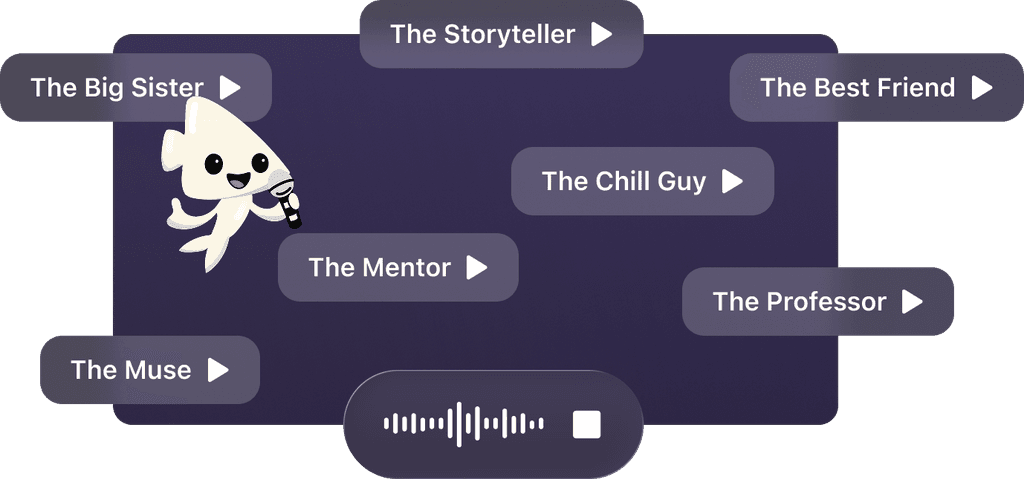
Feel the book through the author's voice
Turn knowledge into engaging, example-rich insights
Capture key ideas in a flash for fast learning
Enjoy the book in a fun and engaging way
Characters in Better Than Before
- Gretchen RubinAuthor and researcher of habit formation
- Gretchen's friendThe person whose struggle sparked the book's study
Key Themes in Better Than Before
- habit formation strategies
- four tendencies framework
- decision fatigue prevention
- external accountability
- self-knowledge and personality
Quotes from Better Than Before
What we do every day matters more than what we do once in a while.
We build our lives, habit by habit.
People resist change from others, but they embrace change they choose themselves.
Outer order contributes to inner calm.
When we change our habits, we truly change our lives.
Explore Your Way of Learning
 Quick Summary Mode
Read or listen to Better Than Before Summary in 11 Minutes
Break down key ideas from Better Than Before into bite-sized takeaways to understand how innovative teams create, collaborate, and grow.

 Fun Mode
Better Than Before Lessons Told Through 23-Min Stories
Experience Better Than Before through vivid storytelling that turns innovation lessons into moments you'll remember and apply.
 Personalize Mode
Experience Better Than Before in your own learning style
Ask anything, choose your learning style, and co-create insights that truly resonate with you.
From Columbia University alumni built in San Francisco
"Instead of endless scrolling, I just hit play on BeFreed. It saves me so much time."


"I never knew where to start with nonfiction—BeFreed’s book lists turned into podcasts gave me a clear path."


"Perfect balance between learning and entertainment. Finished ‘Thinking, Fast and Slow’ on my commute this week."
"Crazy how much I learned while walking the dog. BeFreed = small habits → big gains."
"Reading used to feel like a chore. Now it’s just part of my lifestyle."

"Feels effortless compared to reading. I’ve finished 6 books this month already."
"BeFreed turned my guilty doomscrolling into something that feels productive and inspiring."

"BeFreed turned my commute into learning time. 20-min podcasts are perfect for finishing books I never had time for."
"BeFreed replaced my podcast queue. Imagine Spotify for books — that’s it. 🙌"

"It is great for me to learn something from the book without reading it."
"The themed book list podcasts help me connect ideas across authors—like a guided audio journey."
"Makes me feel smarter every time before going to work"
From Columbia University alumni built in San Francisco
"Instead of endless scrolling, I just hit play on BeFreed. It saves me so much time."
"I never knew where to start with nonfiction—BeFreed’s book lists turned into podcasts gave me a clear path."
"Perfect balance between learning and entertainment. Finished ‘Thinking, Fast and Slow’ on my commute this week."
"Crazy how much I learned while walking the dog. BeFreed = small habits → big gains."
"Reading used to feel like a chore. Now it’s just part of my lifestyle."
"Feels effortless compared to reading. I’ve finished 6 books this month already."
"BeFreed turned my guilty doomscrolling into something that feels productive and inspiring."
"BeFreed turned my commute into learning time. 20-min podcasts are perfect for finishing books I never had time for."
"BeFreed replaced my podcast queue. Imagine Spotify for books — that’s it. 🙌"
"It is great for me to learn something from the book without reading it."
"The themed book list podcasts help me connect ideas across authors—like a guided audio journey."
"Makes me feel smarter every time before going to work"
"Instead of endless scrolling, I just hit play on BeFreed. It saves me so much time."
"I never knew where to start with nonfiction—BeFreed’s book lists turned into podcasts gave me a clear path."
"Perfect balance between learning and entertainment. Finished ‘Thinking, Fast and Slow’ on my commute this week."
"Crazy how much I learned while walking the dog. BeFreed = small habits → big gains."
"Reading used to feel like a chore. Now it’s just part of my lifestyle."
"Feels effortless compared to reading. I’ve finished 6 books this month already."
"BeFreed turned my guilty doomscrolling into something that feels productive and inspiring."
"BeFreed turned my commute into learning time. 20-min podcasts are perfect for finishing books I never had time for."
"BeFreed replaced my podcast queue. Imagine Spotify for books — that’s it. 🙌"
"It is great for me to learn something from the book without reading it."
"The themed book list podcasts help me connect ideas across authors—like a guided audio journey."
"Makes me feel smarter every time before going to work"
"Instead of endless scrolling, I just hit play on BeFreed. It saves me so much time."
"I never knew where to start with nonfiction—BeFreed’s book lists turned into podcasts gave me a clear path."
"Perfect balance between learning and entertainment. Finished ‘Thinking, Fast and Slow’ on my commute this week."
"Crazy how much I learned while walking the dog. BeFreed = small habits → big gains."
"Reading used to feel like a chore. Now it’s just part of my lifestyle."
"Feels effortless compared to reading. I’ve finished 6 books this month already."
"BeFreed turned my guilty doomscrolling into something that feels productive and inspiring."
"BeFreed turned my commute into learning time. 20-min podcasts are perfect for finishing books I never had time for."
"BeFreed replaced my podcast queue. Imagine Spotify for books — that’s it. 🙌"
"It is great for me to learn something from the book without reading it."
"The themed book list podcasts help me connect ideas across authors—like a guided audio journey."
"Makes me feel smarter every time before going to work"

Download Summary of Better Than Before
Get the Better Than Before summary as a free PDF or EPUB. Print it or read offline anytime.


