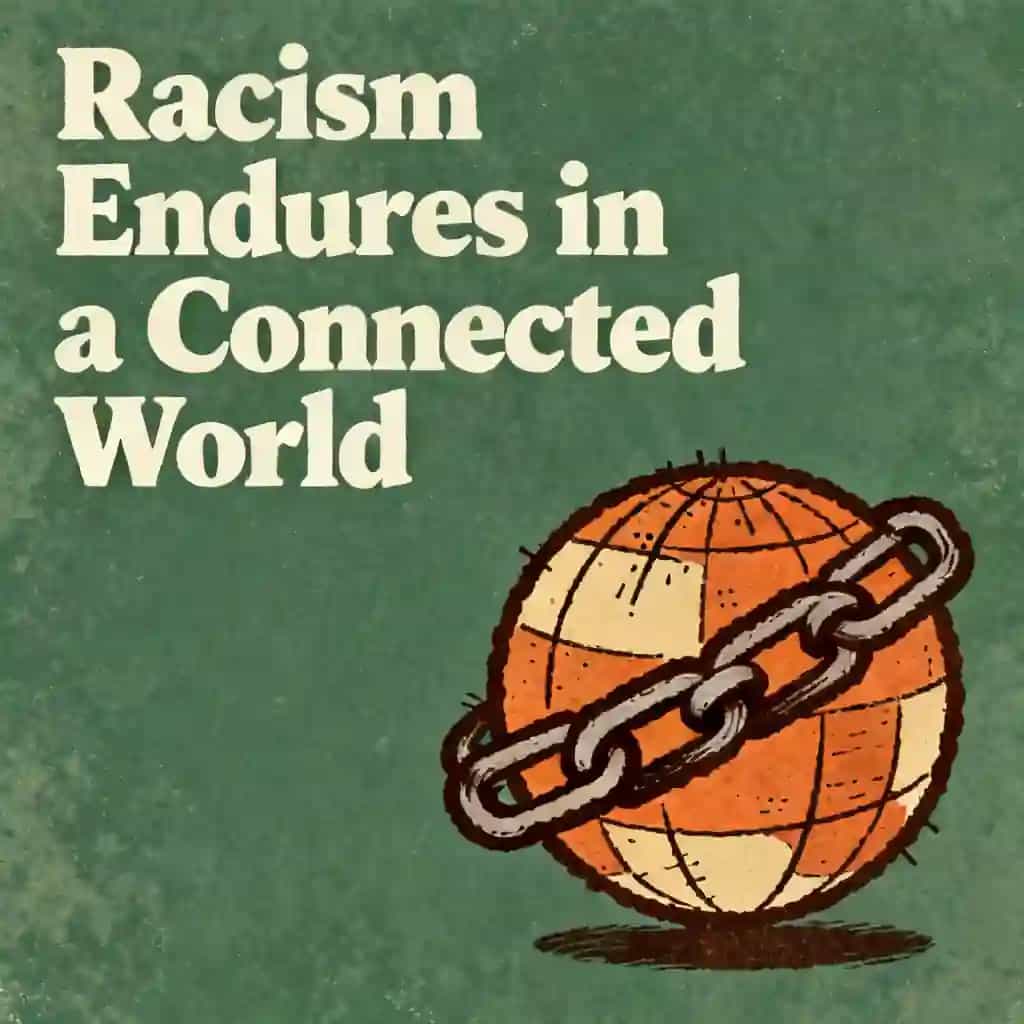
Overview of How to Be Less Stupid About Race
Crystal Marie Fleming's unflinching guide dismantles racial ignorance with razor-sharp clarity. Starred by Kirkus and praised by Senator Nina Turner for leaving readers "thinking, offended, and transformed," this book reveals uncomfortable truths about systemic racism that even the most "woke" among us miss.
- Systemic racism persists through normalized ignorance and white supremacist structures.
- Racial stupidity thrives on historical denial of genocide, slavery, and colonialism.
- Critical race theory exposes how power systems camouflage racial inequality.
- Personal anti-racist action requires dismantling internalized racial biases and misinformation.
- White supremacy adapts through "colorblind" rhetoric and performative allyship.
- Racial literacy demands confronting uncomfortable truths about systemic oppression.
- Crystal Fleming ties modern racial disparities to unaddressed historical violence.
- Humor and memoir bridge academic theory with everyday racial realities.
- Intersectional oppression cannot be solved without centering Black queer voices.
- Ten steps for racial literacy include education, activism, and accountability.
- Trump’s presidency reflected entrenched racism, not a post-racial anomaly.
- How to Be Less Stupid About Race merges scholarship with irreverent social critique.
About the Author of How to Be Less Stupid About Race
Crystal Marie Fleming, author of How to Be Less Stupid About Race: On Racism, White Supremacy and the Racial Divide, is an award-winning sociologist, public intellectual, and leading expert on systemic racism. A Professor of Sociology and Africana Studies at Stony Brook University with a Ph.D. from Harvard, Fleming combines academic rigor with accessible storytelling to dismantle myths about race.
Her critically acclaimed book blends memoir, critical race theory, and satire to expose structural inequities, drawing from her research on global white supremacy and anti-racism movements in the U.S., France, and Brazil.
Fleming’s work extends beyond academia: she contributes to Newsweek, The Root, and Vox, and engages over 33,000 Twitter followers in dialogues about racial justice. Her previous book, Resurrecting Slavery: Racial Legacies and White Supremacy in France, won the Georges Lavau Dissertation Award and established her as a transnational authority on racial legacies.
A sought-after speaker, Fleming has presented at institutions worldwide and authored the young adult guide Rise Up! How You Can Join the Fight Against White Supremacy.
How to Be Less Stupid About Race has become a staple in anti-racism education, praised for merging scholarly insights with actionable strategies to confront systemic inequality.
FAQs About How to Be Less Stupid About Race
What is How to Be Less Stupid About Race about?
How to Be Less Stupid About Race by Crystal Marie Fleming is a sharp critique of systemic racism in America, blending humor, personal stories, and academic research. It dismantles myths about race, exposes how white supremacy shapes society, and provides actionable steps to combat racial ignorance. The book addresses topics like critical race theory, intersectionality, and historical oppression while advocating for antiracist activism.
Who should read How to Be Less Stupid About Race?
This book is ideal for activists, educators, and anyone seeking to challenge racial inequality. Fleming’s accessible style makes it valuable for readers new to antiracism, while her scholarly rigor appeals to those familiar with critical race theory. It’s particularly relevant for people navigating workplace racism, familial debates, or social justice movements.
Is How to Be Less Stupid About Race worth reading?
Yes—the book’s blend of wit, memoir, and rigorous analysis makes complex concepts digestible. It’s praised for bridging academic discourse with practical advice, offering tools to confront racism personally and structurally. Fans of Angela Davis, Issa Rae, or Morgan Jerkins will appreciate its bold tone and modern relevance.
What are the main ideas in How to Be Less Stupid About Race?
Key ideas include:
- Systemic racism as a perpetuated structural force, not just individual bias.
- Racial stupidity: widespread denial/minimization of racial oppression.
- Intersectionality’s role in understanding overlapping systems of oppression.
- A roadmap for using critical race theory to drive social change.
How does How to Be Less Stupid About Race use critical race theory?
Fleming applies critical race theory to dissect systemic racism’s roots in colonialism, slavery, and modern policies. She explains how legal and social structures uphold white supremacy, using examples like racial disparities in education and criminal justice. The book also critiques “colorblind” ideologies and emphasizes storytelling to challenge dominant narratives.
What actionable steps does the book recommend for antiracism?
Fleming suggests:
- Joining or starting antiracist study groups.
- Educating youth about systemic racism.
- Publicly challenging racist remarks/policies.
- Supporting grassroots movements for racial justice. She stresses that effective activism requires discomfort and sustained effort.
How does How to Be Less Stupid About Race define “racial stupidity”?
The term describes beliefs and behaviors that perpetuate racial ignorance, such as denying systemic racism, promoting colorblindness, or stereotyping. Fleming argues this “stupidity” is cultivated by white supremacy and hinders progress toward equity.
What criticisms exist about How to Be Less Stupid About Race?
Some readers find the tone overly confrontational, while others desire more nuanced solutions beyond individual action. Critics also note the book focuses heavily on U.S. contexts, though Fleming acknowledges global white supremacy’s reach.
How does Fleming’s personal experience shape the book?
As a queer Black sociologist, Fleming shares anecdotes about teaching college students, confronting microaggressions, and evolving her own racial consciousness. These stories ground academic concepts in real-life struggles, making the content relatable.
How does the book address intersectionality?
Fleming examines how race intersects with gender, sexuality, and class, arguing that effective antiracism must address overlapping oppressions. She highlights issues like police violence against Black women and LGBTQ+ communities to illustrate systemic inequities.
What quotes are highlighted in How to Be Less Stupid About Race?
Notable lines include:
- “If you’re not making powerful white people uncomfortable, you’re doing antiracism wrong.”
- “Racial stupidity is the water we swim in.” These emphasize the pervasiveness of racism and the need for bold activism.
Why is How to Be Less Stupid About Race relevant in 2025?
Despite progress, racial disparities persist in areas like voting rights, healthcare, and AI bias. Fleming’s framework helps readers navigate contemporary issues like digital activism, corporate “diversity theater,” and global racial justice movements.
Feel the book through the author's voice
Turn knowledge into engaging, example-rich insights
Capture key ideas in a flash for fast learning
Enjoy the book in a fun and engaging way
Key Themes in How to Be Less Stupid About Race
Quotes from How to Be Less Stupid About Race
White supremacy is fundamentally about power, resources, and who gets access to them.
It's kryptonite for color-blindness myths.
Racist societies socialize all of us to be racial idiots.
Europeans invented modern racism for material profit.
Characters in How to Be Less Stupid About Race
Quick Summary Mode - Read or listen to How to Be Less Stupid About Race Summary in 9 Minutes

Break down key ideas from How to Be Less Stupid About Race into bite-sized takeaways to understand how innovative teams create, collaborate, and grow.

Flash Card Mode - Top 9 Insights from How to Be Less Stupid About Race in a Nutshell

Distill How to Be Less Stupid About Race into rapid-fire memory cues that highlight key principles of candor, teamwork, and creative resilience.

Fun Mode - How to Be Less Stupid About Race Lessons Told Through 25-Min Stories

Experience How to Be Less Stupid About Race through vivid storytelling that turns innovation lessons into moments you'll remember and apply.
Personalize Mode - Read or listen to How to Be Less Stupid About Race Summary in 0 Minutes

Ask anything, pick the voice, and co-create insights that truly resonate with you.

From Columbia University alumni built in San Francisco
"Instead of endless scrolling, I just hit play on BeFreed. It saves me so much time."


"I never knew where to start with nonfiction—BeFreed’s book lists turned into podcasts gave me a clear path."


"Perfect balance between learning and entertainment. Finished ‘Thinking, Fast and Slow’ on my commute this week."
"Crazy how much I learned while walking the dog. BeFreed = small habits → big gains."
"Reading used to feel like a chore. Now it’s just part of my lifestyle."

"Feels effortless compared to reading. I’ve finished 6 books this month already."
"BeFreed turned my guilty doomscrolling into something that feels productive and inspiring."

"BeFreed turned my commute into learning time. 20-min podcasts are perfect for finishing books I never had time for."
"BeFreed replaced my podcast queue. Imagine Spotify for books — that’s it. 🙌"

"It is great for me to learn something from the book without reading it."
"The themed book list podcasts help me connect ideas across authors—like a guided audio journey."
"Makes me feel smarter every time before going to work"
From Columbia University alumni built in San Francisco
"Instead of endless scrolling, I just hit play on BeFreed. It saves me so much time."
"I never knew where to start with nonfiction—BeFreed’s book lists turned into podcasts gave me a clear path."
"Perfect balance between learning and entertainment. Finished ‘Thinking, Fast and Slow’ on my commute this week."
"Crazy how much I learned while walking the dog. BeFreed = small habits → big gains."
"Reading used to feel like a chore. Now it’s just part of my lifestyle."
"Feels effortless compared to reading. I’ve finished 6 books this month already."
"BeFreed turned my guilty doomscrolling into something that feels productive and inspiring."
"BeFreed turned my commute into learning time. 20-min podcasts are perfect for finishing books I never had time for."
"BeFreed replaced my podcast queue. Imagine Spotify for books — that’s it. 🙌"
"It is great for me to learn something from the book without reading it."
"The themed book list podcasts help me connect ideas across authors—like a guided audio journey."
"Makes me feel smarter every time before going to work"
"Instead of endless scrolling, I just hit play on BeFreed. It saves me so much time."
"I never knew where to start with nonfiction—BeFreed’s book lists turned into podcasts gave me a clear path."
"Perfect balance between learning and entertainment. Finished ‘Thinking, Fast and Slow’ on my commute this week."
"Crazy how much I learned while walking the dog. BeFreed = small habits → big gains."
"Reading used to feel like a chore. Now it’s just part of my lifestyle."
"Feels effortless compared to reading. I’ve finished 6 books this month already."
"BeFreed turned my guilty doomscrolling into something that feels productive and inspiring."
"BeFreed turned my commute into learning time. 20-min podcasts are perfect for finishing books I never had time for."
"BeFreed replaced my podcast queue. Imagine Spotify for books — that’s it. 🙌"
"It is great for me to learn something from the book without reading it."
"The themed book list podcasts help me connect ideas across authors—like a guided audio journey."
"Makes me feel smarter every time before going to work"
"Instead of endless scrolling, I just hit play on BeFreed. It saves me so much time."
"I never knew where to start with nonfiction—BeFreed’s book lists turned into podcasts gave me a clear path."
"Perfect balance between learning and entertainment. Finished ‘Thinking, Fast and Slow’ on my commute this week."
"Crazy how much I learned while walking the dog. BeFreed = small habits → big gains."
"Reading used to feel like a chore. Now it’s just part of my lifestyle."
"Feels effortless compared to reading. I’ve finished 6 books this month already."
"BeFreed turned my guilty doomscrolling into something that feels productive and inspiring."
"BeFreed turned my commute into learning time. 20-min podcasts are perfect for finishing books I never had time for."
"BeFreed replaced my podcast queue. Imagine Spotify for books — that’s it. 🙌"
"It is great for me to learn something from the book without reading it."
"The themed book list podcasts help me connect ideas across authors—like a guided audio journey."
"Makes me feel smarter every time before going to work"

Get the How to Be Less Stupid About Race summary as a free PDF or EPUB. Print it or read offline anytime.