

Overview of Invisible Women
"Invisible Women" exposes the world's dangerous gender data gap. Winner of the 2019 Royal Society Science Book Prize, this #1 bestseller reveals how everything - from medicine to urban planning - overlooks women. "Required reading for decision makers everywhere," says The Times.
- The gender data gap excludes women from medical research and drug trials.
- Male-default crash test dummies increase injury risks for female drivers.
- Urban planning prioritizes male commuters over women’s trip-chaining travel patterns.
- “Neutral” public policies systemically ignore unpaid care work performed by women.
- AI algorithms perpetuate bias by training on male-dominated data sets.
- Women face longer wait times for heart attack diagnoses due to male-centric symptoms.
- Smartphone designs default to male hand sizes, disadvantaging smaller grips.
- Workplace temperatures favor male metabolic rates, creating thermal inequality for women.
- Snow-clearing schedules prioritize car lanes over sidewalks used disproportionately by women.
- Female-focused data collection reduces economic costs of gendered infrastructure failures.
- Caroline Criado Perez exposes how ‘neutral’ data perpetuates male-centric design.
- Gender-blind disaster relief overlooks women’s hygiene needs during crises.
About the Author of Invisible Women
Caroline Criado Perez, bestselling author of Invisible Women: Exposing Data Bias in a World Designed for Men, is an award-winning feminist writer and data equality activist. A British journalist and OBE recipient, her work focuses on systemic gender gaps in public policy, technology, and healthcare.
Invisible Women, her groundbreaking 2019 exposé of male-centric data systems, won the Royal Society Science Book Prize and Financial Times Business Book of the Year, spending 16 weeks on the Sunday Times bestseller list.
Criado Perez’s expertise stems from high-impact campaigns like securing Jane Austen’s place on UK banknotes and erecting Parliament Square’s first female statue (Millicent Fawcett). Her debut book, Do It Like a Woman, profiles global pioneers challenging gender norms. She hosts the Visible Women podcast, writes a newsletter with 35,000+ subscribers, and has been featured in The Guardian, TED Talks, and BBC News. Translated into 24 languages, Invisible Women remains a seminal text in feminist nonfiction, required reading across policymaking and academic circles worldwide.
FAQs About Invisible Women
What is Invisible Women by Caroline Criado Perez about?
Invisible Women exposes systemic gender data gaps where male-centric data shapes everything from medical research to workplace policies, leading to widespread discrimination against women. Caroline Criado Pérez reveals how flawed assumptions about "default male" norms in product design, urban planning, and AI algorithms endanger women’s health, safety, and economic opportunities.
Who should read Invisible Women by Caroline Criado Perez?
Policy makers, healthcare professionals, product designers, and business leaders will gain critical insights into gender-blind systems. Social scientists and activists can leverage its data-driven analysis to advocate for equitable reforms. It’s also essential for anyone interested in systemic bias and inclusive design.
Is Invisible Women by Caroline Criado Perez worth reading?
Yes. The book provides a compelling, research-backed examination of how data gaps perpetuate inequality, with actionable insights for addressing bias. Critics praise its eye-opening examples, from crash-test dummy standards to drug dosage miscalculations, making it vital for understanding modern gender disparities.
What is the "gender data gap" in Invisible Women?
The gender data gap refers to the systemic omission of female-specific data in research and policy-making. Criado Pérez shows how this leads to male-biased outcomes, like smartphones sized for male hands or PPE gear ill-fitted for female bodies, which disproportionately harm women’s safety and efficiency.
How does Invisible Women address medical bias against women?
Women face higher misdiagnosis rates for heart attacks due to male-centric symptom criteria and are underrepresented in clinical trials, resulting in dangerous medication side effects. Criado Pérez highlights how biased medical research perpetuates preventable health risks for women.
What does Invisible Women say about workplace inequality?
The book critiques unpaid care burdens disproportionately placed on women and workplace tools designed for male norms. For example, voice recognition software trained on male voices fails 70% more often for women, exacerbating professional inequities.
What are the main criticisms of Invisible Women?
Some critics argue the book focuses more on exposing problems than offering concrete solutions. Others note limited intersectional analysis of how race, class, and disability compound data gaps for marginalized women.
How does Invisible Women use crash-test dummies as an example?
Criado Pérez explains that crash-test dummies historically modeled male body types, leading to seatbelts and airbags that inadequately protect women. This data oversight results in 47% higher serious injury rates for female drivers.
What quotes from Invisible Women highlight its themes?
“The default male is not a conspiracy – it’s a consequence.” This encapsulates the book’s argument that systemic data gaps arise from unexamined biases, not malice. Another key line: “When we exclude half of humanity, we create a world that’s less safe, less prosperous, and less equitable”
How does Invisible Women compare to Lean In by Sheryl Sandberg?
While Lean In focuses on individual career strategies, Invisible Women critiques systemic structural barriers. Criado Pérez emphasizes collective action and policy reforms over personal resilience, offering a macro-level analysis of institutional bias.
Why is Invisible Women relevant in 2025?
As AI and big data dominate decision-making, male-biased algorithms perpetuate discrimination in hiring, healthcare, and finance. The book remains urgent for addressing tech-sector gender gaps and ensuring inclusive data practices in emerging technologies.
What solutions does Invisible Women propose?
Criado Pérez advocates for gender-disaggregated data collection, inclusive design processes, and policy reforms prioritizing women’s needs. She stresses that closing data gaps requires intentional effort, not neutral algorithms, to counteract historical biases.
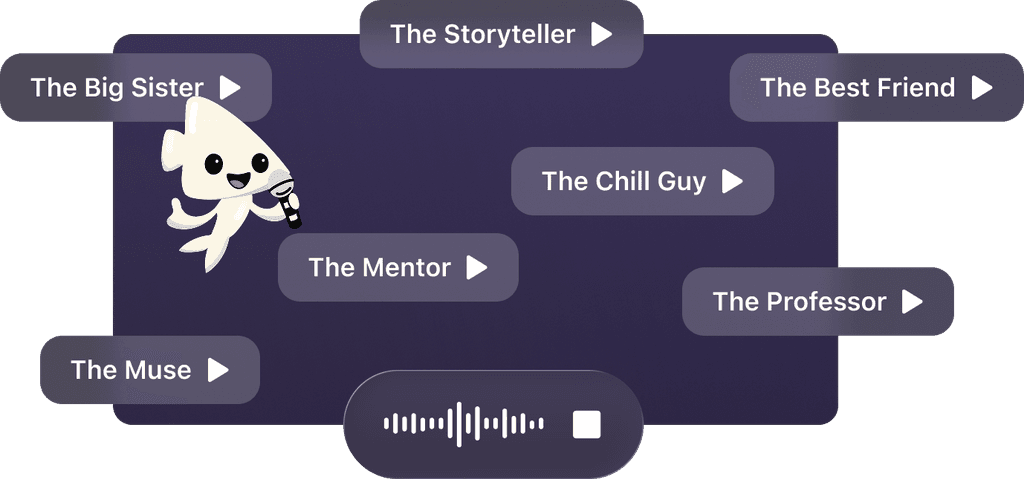
Feel the book through the author's voice
Turn knowledge into engaging, example-rich insights
Capture key ideas in a flash for fast learning
Enjoy the book in a fun and engaging way
Characters in Invisible Women
- Caroline Criado PerezAuthor and researcher of the gender data gap
- Fanny HenselComposer whose work was published under her brother
- Felix MendelssohnComposer whose name was used for his sister's work
- Hertha AyrtonScientist who noted the erasure of women's work
Key Themes in Invisible Women
- gender data gap
- default male bias
- trip chaining
- unpaid care work
- systemic exclusion
Quotes from Invisible Women
The assumption that men represent the human default runs deep.
Women's fear in public spaces is rooted in reality, not paranoia.
Errors attributing women's work to men have more lives than a cat.
Road-building receives lavish funding while feminized transport like buses faces cuts.
Explore Your Way of Learning
 Quick Summary Mode
Read or listen to Invisible Women Summary in 11 Minutes
Break down key ideas from Invisible Women into bite-sized takeaways to understand how innovative teams create, collaborate, and grow.

 Fun Mode
Invisible Women Lessons Told Through 23-Min Stories
Experience Invisible Women through vivid storytelling that turns innovation lessons into moments you'll remember and apply.
 Personalize Mode
Experience Invisible Women in your own learning style
Ask anything, choose your learning style, and co-create insights that truly resonate with you.
From Columbia University alumni built in San Francisco
"Instead of endless scrolling, I just hit play on BeFreed. It saves me so much time."


"I never knew where to start with nonfiction—BeFreed’s book lists turned into podcasts gave me a clear path."


"Perfect balance between learning and entertainment. Finished ‘Thinking, Fast and Slow’ on my commute this week."
"Crazy how much I learned while walking the dog. BeFreed = small habits → big gains."
"Reading used to feel like a chore. Now it’s just part of my lifestyle."

"Feels effortless compared to reading. I’ve finished 6 books this month already."
"BeFreed turned my guilty doomscrolling into something that feels productive and inspiring."

"BeFreed turned my commute into learning time. 20-min podcasts are perfect for finishing books I never had time for."
"BeFreed replaced my podcast queue. Imagine Spotify for books — that’s it. 🙌"

"It is great for me to learn something from the book without reading it."
"The themed book list podcasts help me connect ideas across authors—like a guided audio journey."
"Makes me feel smarter every time before going to work"
From Columbia University alumni built in San Francisco
"Instead of endless scrolling, I just hit play on BeFreed. It saves me so much time."
"I never knew where to start with nonfiction—BeFreed’s book lists turned into podcasts gave me a clear path."
"Perfect balance between learning and entertainment. Finished ‘Thinking, Fast and Slow’ on my commute this week."
"Crazy how much I learned while walking the dog. BeFreed = small habits → big gains."
"Reading used to feel like a chore. Now it’s just part of my lifestyle."
"Feels effortless compared to reading. I’ve finished 6 books this month already."
"BeFreed turned my guilty doomscrolling into something that feels productive and inspiring."
"BeFreed turned my commute into learning time. 20-min podcasts are perfect for finishing books I never had time for."
"BeFreed replaced my podcast queue. Imagine Spotify for books — that’s it. 🙌"
"It is great for me to learn something from the book without reading it."
"The themed book list podcasts help me connect ideas across authors—like a guided audio journey."
"Makes me feel smarter every time before going to work"
"Instead of endless scrolling, I just hit play on BeFreed. It saves me so much time."
"I never knew where to start with nonfiction—BeFreed’s book lists turned into podcasts gave me a clear path."
"Perfect balance between learning and entertainment. Finished ‘Thinking, Fast and Slow’ on my commute this week."
"Crazy how much I learned while walking the dog. BeFreed = small habits → big gains."
"Reading used to feel like a chore. Now it’s just part of my lifestyle."
"Feels effortless compared to reading. I’ve finished 6 books this month already."
"BeFreed turned my guilty doomscrolling into something that feels productive and inspiring."
"BeFreed turned my commute into learning time. 20-min podcasts are perfect for finishing books I never had time for."
"BeFreed replaced my podcast queue. Imagine Spotify for books — that’s it. 🙌"
"It is great for me to learn something from the book without reading it."
"The themed book list podcasts help me connect ideas across authors—like a guided audio journey."
"Makes me feel smarter every time before going to work"
"Instead of endless scrolling, I just hit play on BeFreed. It saves me so much time."
"I never knew where to start with nonfiction—BeFreed’s book lists turned into podcasts gave me a clear path."
"Perfect balance between learning and entertainment. Finished ‘Thinking, Fast and Slow’ on my commute this week."
"Crazy how much I learned while walking the dog. BeFreed = small habits → big gains."
"Reading used to feel like a chore. Now it’s just part of my lifestyle."
"Feels effortless compared to reading. I’ve finished 6 books this month already."
"BeFreed turned my guilty doomscrolling into something that feels productive and inspiring."
"BeFreed turned my commute into learning time. 20-min podcasts are perfect for finishing books I never had time for."
"BeFreed replaced my podcast queue. Imagine Spotify for books — that’s it. 🙌"
"It is great for me to learn something from the book without reading it."
"The themed book list podcasts help me connect ideas across authors—like a guided audio journey."
"Makes me feel smarter every time before going to work"

Download Summary of Invisible Women
Get the Invisible Women summary as a free PDF or EPUB. Print it or read offline anytime.


