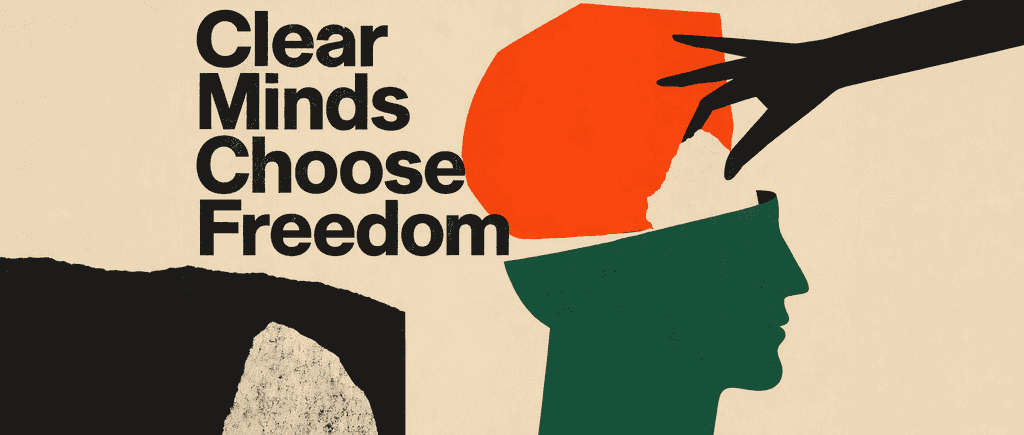
Overview of The Easy Way to Stop Smoking
Allen Carr's revolutionary method has helped over 7 million smokers quit without willpower or withdrawal. Clinically proven more effective than nicotine replacement therapy, this 1985 phenomenon earned Richard Branson's endorsement and NHS approval. Ready to experience freedom from cigarettes?
- Allen Carr's Easyway method eliminates willpower by reframing quitting as gain, not sacrifice.
- Smoking addiction stems from brainwashing, not physical nicotine dependency, according to Allen Carr.
- Quitting becomes enjoyable when you view cigarettes as prison guards, not friends.
- The "moment of revelation" occurs when smokers realize they’re truly free from cravings.
- Allen Carr’s method prevents weight gain by addressing psychological triggers, not appetite changes.
- Smokers fear quitting’s difficulty because society exaggerates nicotine withdrawal’s severity and duration.
- Success requires rejecting the illusion that smoking provides stress relief or pleasure.
- Allen Carr’s seminars show higher 12-month quit rates than nicotine replacement therapies.
- The book’s structured approach dismantles 44 common myths about smoking’s perceived benefits.
- Quitting via Easyway means no substitutes, gimmicks, or gradual reduction – just immediate freedom.
- Allen Carr frames withdrawal symptoms as positive signs of detoxification, not suffering.
- Easyway’s success lies in treating smoking as psychological trap, not chemical addiction.
About the Author of The Easy Way to Stop Smoking
Allen John Carr (1934–2006), bestselling author of The Easy Way to Stop Smoking, revolutionized smoking cessation as a self-help pioneer and addiction recovery expert.
A former accountant who smoked 100 cigarettes daily for 33 years, Carr developed his unconventional method after quitting cold turkey in 1983, rejecting nicotine replacements and focusing on psychological reprogramming.
His book—a cornerstone of the self-help genre—combines cognitive-behavioral principles with candid insights into addiction, framed through Carr’s empathetic, conversational style. The work has been endorsed by celebrities like Richard Branson and Anthony Hopkins, featured in BBC Radio 4 documentaries, and translated into over 40 languages.
Carr’s clinic network and follow-up books, including The Easy Way to Stop Drinking and The Only Way to Stop Smoking Permanently, extend his legacy. With an estimated 25 million smokers cured worldwide, his method continues to challenge Big Tobacco while remaining a global benchmark in addiction recovery literature.
FAQs About The Easy Way to Stop Smoking
What is The Easy Way to Stop Smoking by Allen Carr about?
The Easy Way to Stop Smoking outlines Allen Carr’s drug-free method to quit smoking by dismantling the psychological dependence on cigarettes. It reframes smoking as an addiction to relief rather than pleasure, teaching readers to eliminate cravings without willpower, substitutes, or withdrawal symptoms. The updated edition includes guidance on vaping, cannabis, and habitual triggers.
Who should read The Easy Way to Stop Smoking?
This book is ideal for smokers seeking a painless, immediate quit method, those who’ve struggled with nicotine replacements, and individuals wary of weight gain or anxiety during withdrawal. It’s also recommended by organizations like the UK National Health Service for its structured, no-nonsense approach.
Is The Easy Way to Stop Smoking effective?
Clinical studies report a 40-55% success rate after one year, comparable to other pharmacotherapy-free methods. The method’s popularity stems from its focus on eradicating the psychological need to smoke, with millions attributing their quit success to Carr’s approach.
How does Allen Carr address the fear of quitting smoking?
Carr reframes quitting as a liberating gain rather than a sacrifice. He dismantles misconceptions about smoking’s benefits, emphasizing immediate health improvements and freedom from addiction. The book provides reassurance through logical arguments and supportive advice.
What role does "brainwashing" play in smoking addiction according to Allen Carr?
Carr argues societal conditioning convinces smokers cigarettes offer stress relief or social appeal, creating self-deception about their necessity. His method exposes these myths, empowering smokers to reject the illusion and quit confidently.
What is the "moment of revelation" in The Easy Way to Stop Smoking?
This pivotal moment occurs when ex-smokers realize they no longer desire cigarettes, often within days of quitting. It marks psychological freedom, described as a joyful realization of control over addiction.
How does Allen Carr’s method compare to nicotine replacement therapies (NRT)?
Unlike NRT, Carr’s approach targets psychological dependency without substitutes, medications, or gradual reduction. Studies show comparable effectiveness, but his method avoids prolonged withdrawal and costs associated with nicotine products.
What are notable quotes from The Easy Way to Stop Smoking?
Key endorsements include:
- “I read this book and quit smoking instantly” – Nikki Glaser
- “His skill is in removing the psychological dependence” – The Sunday Times
What criticisms exist about Allen Carr’s method?
Some researchers note a lack of robust long-term studies, though recent trials confirm its efficacy. Critics argue it oversimplifies biological aspects of addiction, but proponents highlight its accessibility and success rates.
Why is The Easy Way to Stop Smoking still relevant in 2025?
Updated editions address modern challenges like vaping and cannabis use, while its core principles remain effective. The rise of digital programs (e.g., on-demand videos) extends its reach, maintaining its status as a bestseller.
How does Carr’s method handle withdrawal symptoms?
The book asserts that withdrawal is a myth perpetuated by nicotine addiction. By reframing cravings as fleeting reminders of breaking free, smokers report minimal discomfort during quitting.
Can The Easy Way to Stop Smoking help lifelong heavy smokers?
Yes—Carr himself quit after 30 years of heavy smoking. The method’s focus on mindset over duration or intensity of addiction makes it applicable to all smokers, including those using 40+ cigarettes daily.
Feel the book through the author's voice
Turn knowledge into engaging, example-rich insights
Capture key ideas in a flash for fast learning
Enjoy the book in a fun and engaging way
Characters in The Easy Way to Stop Smoking
Key Themes in The Easy Way to Stop Smoking
Quotes from The Easy Way to Stop Smoking
Smoking represents perhaps the most subtle, sinister trap devised by man.
Contrary to stereotype, smokers aren't weak-willed people.
Smoking offers nothing but the temporary relief of withdrawal symptoms.
The fundamental misconception is the belief that cigarettes provide genuine pleasure.
The physical withdrawal from nicotine is remarkably mild.
Quick Summary Mode - Read or listen to The Easy Way to Stop Smoking Summary in 9 Minutes

Break down key ideas from The Easy Way to Stop Smoking into bite-sized takeaways to understand how innovative teams create, collaborate, and grow.

Flash Card Mode - Top 6 Insights from The Easy Way to Stop Smoking in a Nutshell

Distill The Easy Way to Stop Smoking into rapid-fire memory cues that highlight key principles of candor, teamwork, and creative resilience.

Fun Mode - The Easy Way to Stop Smoking Lessons Told Through 23-Min Stories

Experience The Easy Way to Stop Smoking through vivid storytelling that turns innovation lessons into moments you'll remember and apply.
Personalize Mode - Read or listen to The Easy Way to Stop Smoking Summary in 0 Minutes

Ask anything, pick the voice, and co-create insights that truly resonate with you.

From Columbia University alumni built in San Francisco
"Instead of endless scrolling, I just hit play on BeFreed. It saves me so much time."


"I never knew where to start with nonfiction—BeFreed’s book lists turned into podcasts gave me a clear path."


"Perfect balance between learning and entertainment. Finished ‘Thinking, Fast and Slow’ on my commute this week."
"Crazy how much I learned while walking the dog. BeFreed = small habits → big gains."
"Reading used to feel like a chore. Now it’s just part of my lifestyle."

"Feels effortless compared to reading. I’ve finished 6 books this month already."
"BeFreed turned my guilty doomscrolling into something that feels productive and inspiring."

"BeFreed turned my commute into learning time. 20-min podcasts are perfect for finishing books I never had time for."
"BeFreed replaced my podcast queue. Imagine Spotify for books — that’s it. 🙌"

"It is great for me to learn something from the book without reading it."
"The themed book list podcasts help me connect ideas across authors—like a guided audio journey."
"Makes me feel smarter every time before going to work"
From Columbia University alumni built in San Francisco
"Instead of endless scrolling, I just hit play on BeFreed. It saves me so much time."
"I never knew where to start with nonfiction—BeFreed’s book lists turned into podcasts gave me a clear path."
"Perfect balance between learning and entertainment. Finished ‘Thinking, Fast and Slow’ on my commute this week."
"Crazy how much I learned while walking the dog. BeFreed = small habits → big gains."
"Reading used to feel like a chore. Now it’s just part of my lifestyle."
"Feels effortless compared to reading. I’ve finished 6 books this month already."
"BeFreed turned my guilty doomscrolling into something that feels productive and inspiring."
"BeFreed turned my commute into learning time. 20-min podcasts are perfect for finishing books I never had time for."
"BeFreed replaced my podcast queue. Imagine Spotify for books — that’s it. 🙌"
"It is great for me to learn something from the book without reading it."
"The themed book list podcasts help me connect ideas across authors—like a guided audio journey."
"Makes me feel smarter every time before going to work"
"Instead of endless scrolling, I just hit play on BeFreed. It saves me so much time."
"I never knew where to start with nonfiction—BeFreed’s book lists turned into podcasts gave me a clear path."
"Perfect balance between learning and entertainment. Finished ‘Thinking, Fast and Slow’ on my commute this week."
"Crazy how much I learned while walking the dog. BeFreed = small habits → big gains."
"Reading used to feel like a chore. Now it’s just part of my lifestyle."
"Feels effortless compared to reading. I’ve finished 6 books this month already."
"BeFreed turned my guilty doomscrolling into something that feels productive and inspiring."
"BeFreed turned my commute into learning time. 20-min podcasts are perfect for finishing books I never had time for."
"BeFreed replaced my podcast queue. Imagine Spotify for books — that’s it. 🙌"
"It is great for me to learn something from the book without reading it."
"The themed book list podcasts help me connect ideas across authors—like a guided audio journey."
"Makes me feel smarter every time before going to work"
"Instead of endless scrolling, I just hit play on BeFreed. It saves me so much time."
"I never knew where to start with nonfiction—BeFreed’s book lists turned into podcasts gave me a clear path."
"Perfect balance between learning and entertainment. Finished ‘Thinking, Fast and Slow’ on my commute this week."
"Crazy how much I learned while walking the dog. BeFreed = small habits → big gains."
"Reading used to feel like a chore. Now it’s just part of my lifestyle."
"Feels effortless compared to reading. I’ve finished 6 books this month already."
"BeFreed turned my guilty doomscrolling into something that feels productive and inspiring."
"BeFreed turned my commute into learning time. 20-min podcasts are perfect for finishing books I never had time for."
"BeFreed replaced my podcast queue. Imagine Spotify for books — that’s it. 🙌"
"It is great for me to learn something from the book without reading it."
"The themed book list podcasts help me connect ideas across authors—like a guided audio journey."
"Makes me feel smarter every time before going to work"

Get the The Easy Way to Stop Smoking summary as a free PDF or EPUB. Print it or read offline anytime.