Overview of Crucial Accountability 2e
Master the art of accountability that transforms broken promises into productive outcomes. Endorsed by Stephen Covey and Ken Blanchard, this book reveals why unaddressed disappointments reduce organizational performance by 50%. What crucial conversation are you avoiding that's costing your relationships or business everything?
- Kerry Patterson’s "Describe the Gap" method clarifies expectations versus outcomes
- Master the "Start with Heart" technique to align conversations with core goals
- Fix broken commitments by addressing the root cause, not surface symptoms
- Use the "See-Hear-Feel" model to objectively frame accountability discussions
- Transform conflict by prioritizing mutual purpose and respect before problem-solving
- The Accountability Ladder reveals why people avoid responsibility in crucial moments
- "Make It Motivating" shows how to align consequences with intrinsic values
- Avoid assumption traps by exploring multiple perspectives before confronting behavior
- Effective accountability requires documenting patterns, not isolated incidents
- "Crucial Accountability" proves silence damages relationships more than tough conversations
- Combine bold clarity with empathetic curiosity to sustain workplace trust
About the Author of Crucial Accountability 2e
Kerry Patterson is the bestselling author of Crucial Accountability and a pioneer in organizational behavior and workplace communication. He co-founded VitalSmarts with the mission of transforming corporate training and leadership development.
A Stanford-trained expert, Patterson’s work focuses on resolving conflicts, fostering accountability, and improving interpersonal dynamics. These themes are central to his influential books.
Patterson co-authored multiple New York Times bestsellers, including Crucial Conversations and Influencer. These works have become essential resources for professionals and organizations worldwide. Patterson’s methodologies are taught in Fortune 500 companies and have empowered over two million individuals through workshops and training programs.
His legacy includes creating award-winning frameworks that address broken promises, violated expectations, and high-stakes dialogue. Crucial Accountability has sold millions of copies, been translated into 28 languages, and remains a cornerstone in leadership and management education.
FAQs About Crucial Accountability 2e
What is Crucial Accountability by Kerry Patterson about?
Crucial Accountability provides a step-by-step framework for addressing broken commitments, missed deadlines, and behavioral issues through structured accountability conversations. It teaches how to resolve conflicts permanently while preserving relationships, using methods like identifying the "key issue" causing problems and applying the CPR (Content, Pattern, Relationship) model. The book emphasizes preparation, empathy, and addressing root causes rather than symptoms.
Who should read Crucial Accountability?
Leaders, managers, frontline employees, parents, and anyone needing to hold others accountable in personal or professional settings will benefit. The book is particularly valuable for those managing teams, resolving workplace conflicts, or navigating family dynamics. Emory University’s HR department recommends it for roles requiring influencing others without formal authority.
Is Crucial Accountability worth reading?
Yes, it’s praised for its actionable strategies and real-world applications. Endorsed by Stephen Covey and Ken Blanchard, the book offers tools to improve organizational performance and personal relationships. Its focus on dialogue over confrontation makes it a standout resource for resolving recurring issues.
What is the CPR model in Crucial Accountability?
The CPR model (Content, Pattern, Relationship) helps identify escalating accountability issues. Content addresses a single violation (e.g., missed deadline), Pattern highlights repeated offenses, and Relationship deals with eroded trust. For example, a teen breaking curfew first faces content-based consequences, but repeated violations shift the focus to patterns and relational damage.
How does Crucial Accountability address motivation barriers?
The book outlines the Six Sources of Influence to diagnose why someone fails to meet expectations. These include personal motivation, ability gaps, and external factors like social or structural barriers. By addressing all three areas, managers can create sustainable behavioral change rather than temporary fixes.
What are the key steps for preparing an accountability conversation?
- Identify the root cause behind the issue.
- Avoid assumptions by considering the other person’s perspective.
- Decide if the issue is worth addressing based on its impact.
The authors warn against conflating multiple grievances and stress focusing on the core problem.
How does Crucial Accountability compare to Crucial Conversations?
While Crucial Conversations focuses on high-stakes dialogues broadly, Crucial Accountability specializes in resolving repeated accountability failures. It builds on the earlier work by adding frameworks like CPR and the Six Sources of Influence, making it a natural follow-up for those seeking targeted conflict-resolution tools.
What criticisms exist about Crucial Accountability?
Some reviewers note the book offers limited guidance for organizations with deeply ingrained accountability issues. While it excels at individual-level strategies, readers seeking systemic cultural change may need supplementary resources.
How can Crucial Accountability improve workplace performance?
By teaching managers to address underperformance early and constructively, the book reduces resentment and inconsistency. For example, using “natural consequences” (e.g., explaining how missed deadlines affect team morale) motivates employees without relying on authority.
What is a key quote from Crucial Accountability?
While direct quotes aren’t provided in sources, the authors emphasize: “When you talk about accountability, talk about the pattern of behavior—not just the single instance.” This approach prevents defensiveness by framing issues as systemic rather than personal.
How does Crucial Accountability handle recurring problems?
It advises escalating conversations using the CPR model. For example, if an employee repeatedly submits late reports:
- Content: Discuss the missed deadline.
- Pattern: Address the habit.
- Relationship: Repair trust through mutual solutions.
Why is Crucial Accountability relevant in 2025?
With remote work and matrixed teams complicating accountability, the book’s focus on clear communication remains critical. Its strategies align with modern needs for empathy-driven leadership and collaborative problem-solving in hybrid environments.
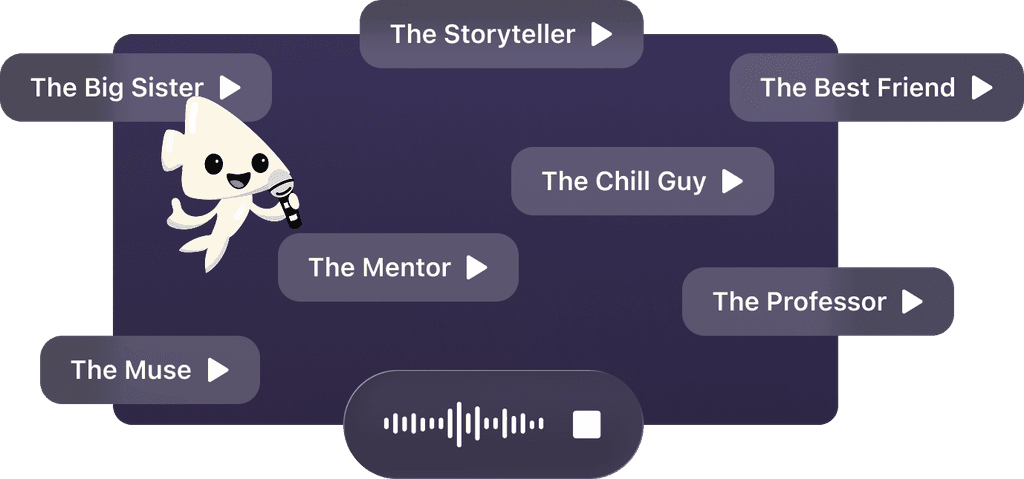
Feel the book through the author's voice
Turn knowledge into engaging, example-rich insights
Capture key ideas in a flash for fast learning
Enjoy the book in a fun and engaging way
Characters in Crucial Accountability 2e
- Kerry PattersonAuthor and expert on accountability and dialogue
- WatsonScientist whose DNA discovery is used as a model
- CrickScientist whose DNA discovery is used as a model
Key Themes in Crucial Accountability 2e
- broken promises
- confronting performance
- accountability gaps
- psychological safety
- conflict resolution
Quotes from Crucial Accountability 2e
Most of us avoid holding others accountable.
We often choose silence by asking 'Can I succeed?' rather than 'Should I try?'
The cost of not speaking up compounds over time.
Problems rarely come in simple packages.
Past experiences have taught us that confrontation often leads to conflict.
Explore Your Way of Learning
 Quick Summary Mode
Read or listen to Crucial Accountability 2e Summary in 8 Minutes
Break down key ideas from Crucial Accountability 2e into bite-sized takeaways to understand how innovative teams create, collaborate, and grow.

 Fun Mode
Crucial Accountability 2e Lessons Told Through 20-Min Stories
Experience Crucial Accountability 2e through vivid storytelling that turns innovation lessons into moments you'll remember and apply.
 Personalize Mode
Experience Crucial Accountability 2e in your own learning style
Ask anything, choose your learning style, and co-create insights that truly resonate with you.
From Columbia University alumni built in San Francisco
"Instead of endless scrolling, I just hit play on BeFreed. It saves me so much time."


"I never knew where to start with nonfiction—BeFreed’s book lists turned into podcasts gave me a clear path."


"Perfect balance between learning and entertainment. Finished ‘Thinking, Fast and Slow’ on my commute this week."
"Crazy how much I learned while walking the dog. BeFreed = small habits → big gains."
"Reading used to feel like a chore. Now it’s just part of my lifestyle."

"Feels effortless compared to reading. I’ve finished 6 books this month already."
"BeFreed turned my guilty doomscrolling into something that feels productive and inspiring."

"BeFreed turned my commute into learning time. 20-min podcasts are perfect for finishing books I never had time for."
"BeFreed replaced my podcast queue. Imagine Spotify for books — that’s it. 🙌"

"It is great for me to learn something from the book without reading it."
"The themed book list podcasts help me connect ideas across authors—like a guided audio journey."
"Makes me feel smarter every time before going to work"
From Columbia University alumni built in San Francisco
"Instead of endless scrolling, I just hit play on BeFreed. It saves me so much time."
"I never knew where to start with nonfiction—BeFreed’s book lists turned into podcasts gave me a clear path."
"Perfect balance between learning and entertainment. Finished ‘Thinking, Fast and Slow’ on my commute this week."
"Crazy how much I learned while walking the dog. BeFreed = small habits → big gains."
"Reading used to feel like a chore. Now it’s just part of my lifestyle."
"Feels effortless compared to reading. I’ve finished 6 books this month already."
"BeFreed turned my guilty doomscrolling into something that feels productive and inspiring."
"BeFreed turned my commute into learning time. 20-min podcasts are perfect for finishing books I never had time for."
"BeFreed replaced my podcast queue. Imagine Spotify for books — that’s it. 🙌"
"It is great for me to learn something from the book without reading it."
"The themed book list podcasts help me connect ideas across authors—like a guided audio journey."
"Makes me feel smarter every time before going to work"
"Instead of endless scrolling, I just hit play on BeFreed. It saves me so much time."
"I never knew where to start with nonfiction—BeFreed’s book lists turned into podcasts gave me a clear path."
"Perfect balance between learning and entertainment. Finished ‘Thinking, Fast and Slow’ on my commute this week."
"Crazy how much I learned while walking the dog. BeFreed = small habits → big gains."
"Reading used to feel like a chore. Now it’s just part of my lifestyle."
"Feels effortless compared to reading. I’ve finished 6 books this month already."
"BeFreed turned my guilty doomscrolling into something that feels productive and inspiring."
"BeFreed turned my commute into learning time. 20-min podcasts are perfect for finishing books I never had time for."
"BeFreed replaced my podcast queue. Imagine Spotify for books — that’s it. 🙌"
"It is great for me to learn something from the book without reading it."
"The themed book list podcasts help me connect ideas across authors—like a guided audio journey."
"Makes me feel smarter every time before going to work"
"Instead of endless scrolling, I just hit play on BeFreed. It saves me so much time."
"I never knew where to start with nonfiction—BeFreed’s book lists turned into podcasts gave me a clear path."
"Perfect balance between learning and entertainment. Finished ‘Thinking, Fast and Slow’ on my commute this week."
"Crazy how much I learned while walking the dog. BeFreed = small habits → big gains."
"Reading used to feel like a chore. Now it’s just part of my lifestyle."
"Feels effortless compared to reading. I’ve finished 6 books this month already."
"BeFreed turned my guilty doomscrolling into something that feels productive and inspiring."
"BeFreed turned my commute into learning time. 20-min podcasts are perfect for finishing books I never had time for."
"BeFreed replaced my podcast queue. Imagine Spotify for books — that’s it. 🙌"
"It is great for me to learn something from the book without reading it."
"The themed book list podcasts help me connect ideas across authors—like a guided audio journey."
"Makes me feel smarter every time before going to work"

Download Summary of Crucial Accountability 2e
Get the Crucial Accountability 2e summary as a free PDF or EPUB. Print it or read offline anytime.