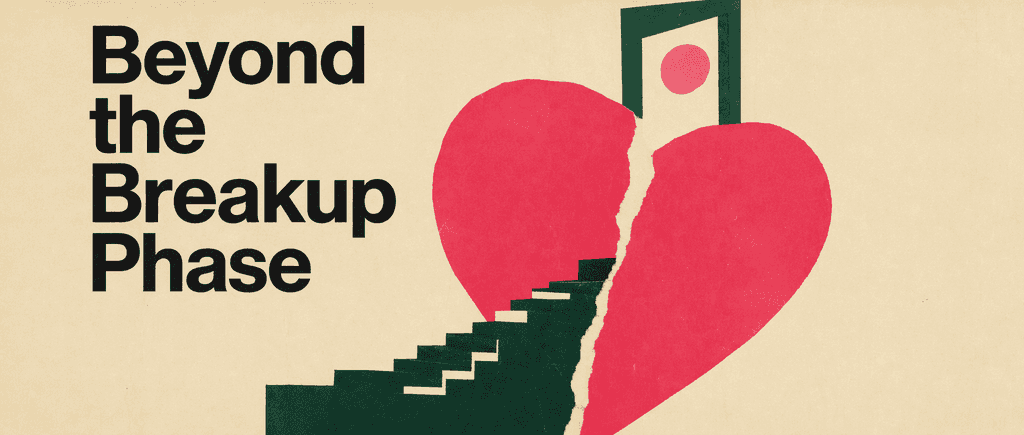
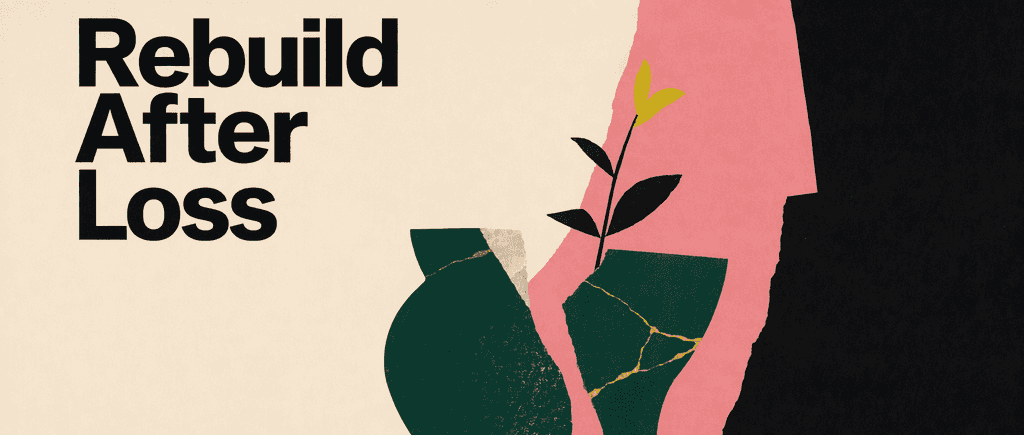
The Science and Strategy of Post-Heartbreak Reconnection
Discover why romantic rejection feels like physical pain and learn a practical, seven-stage playbook for moving from emotional withdrawal to intentional dating.

Mejor cita de The Science and Strategy of Post-Heartbreak Reconnection
The goal isn't to rush the clock; it’s about moving from recovery mode into growth mode. You have to allow the emotional earthquake to settle before you can start rebuilding the house.
Generated by Conor
Dating after heartbreak, how to reconnect

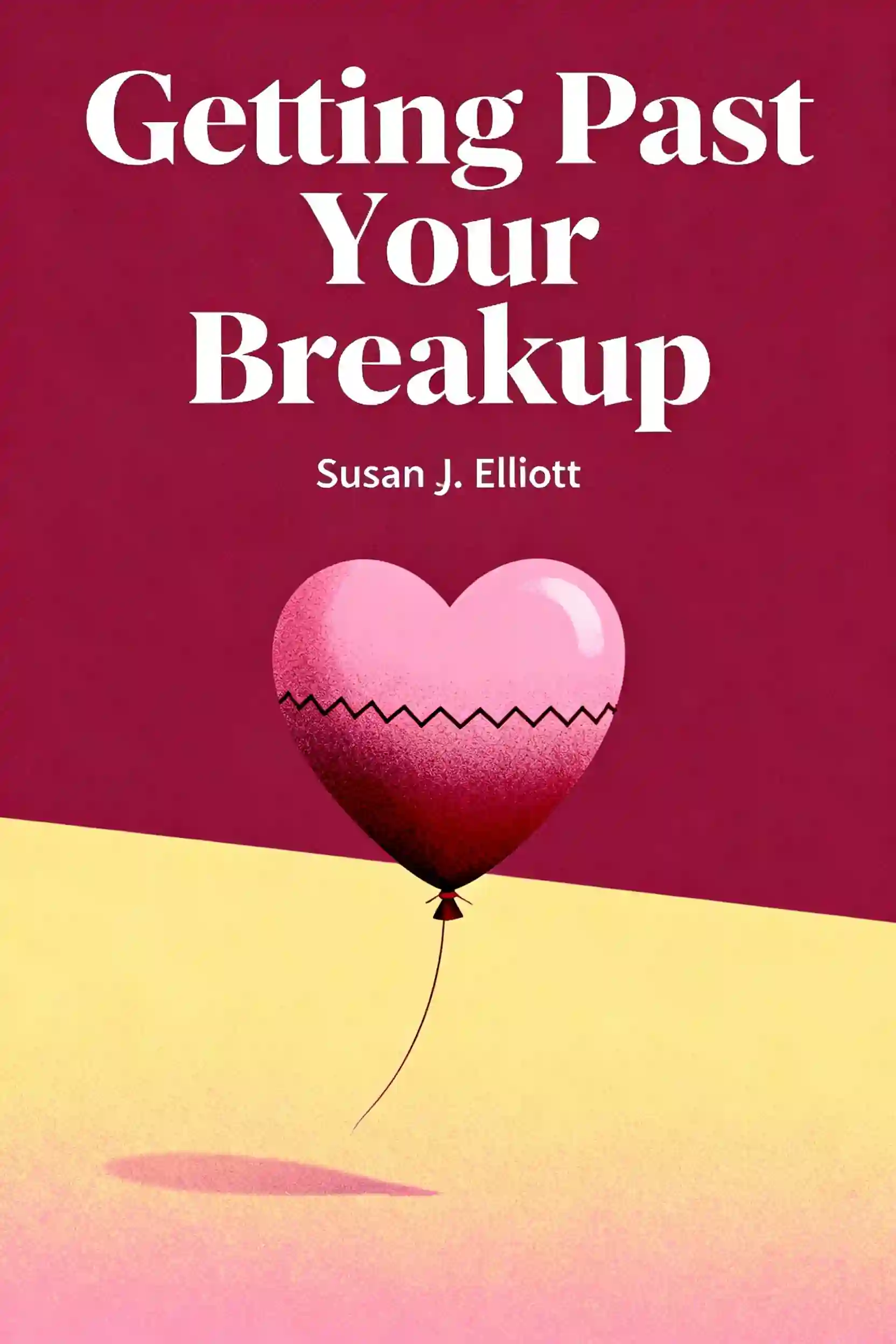
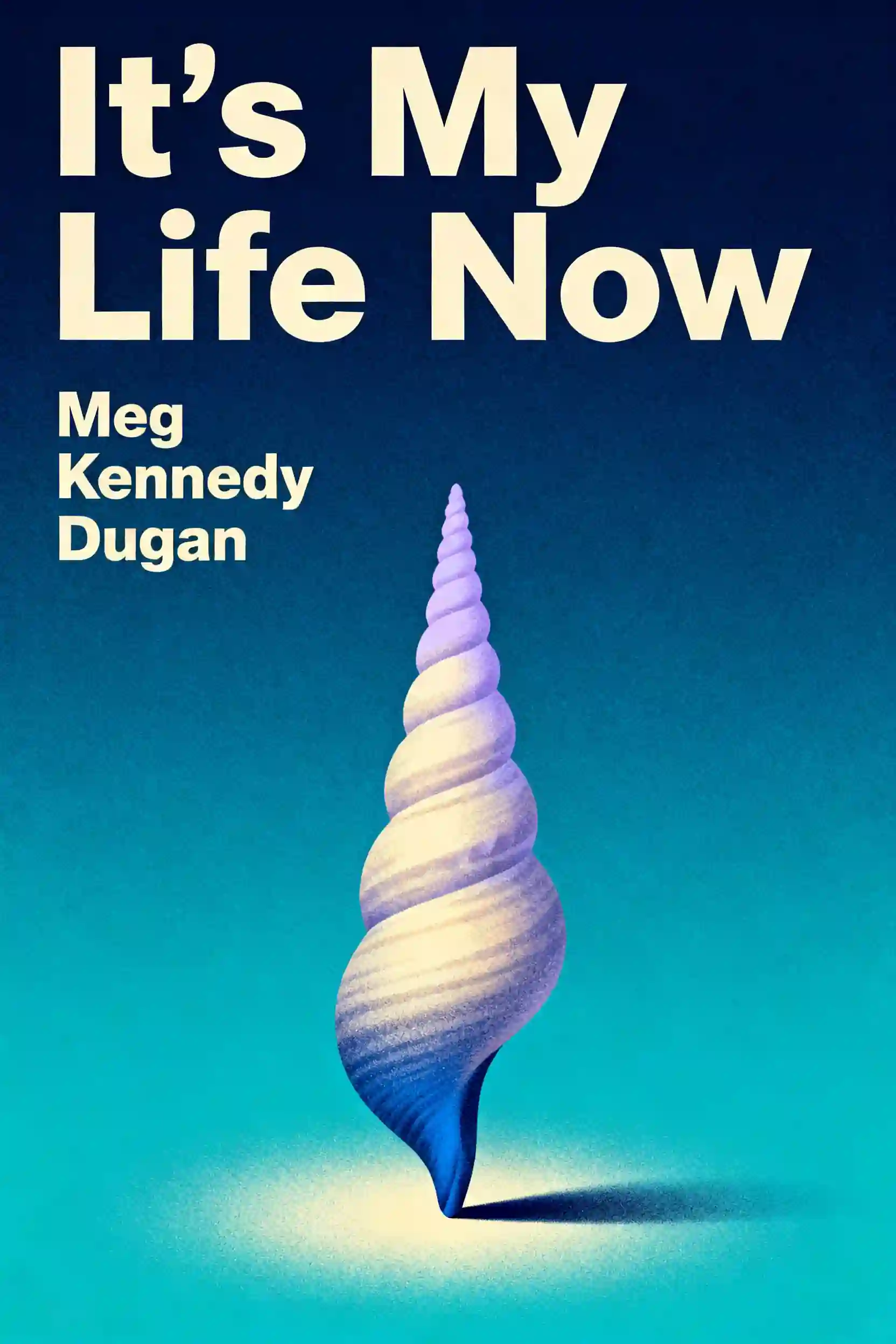
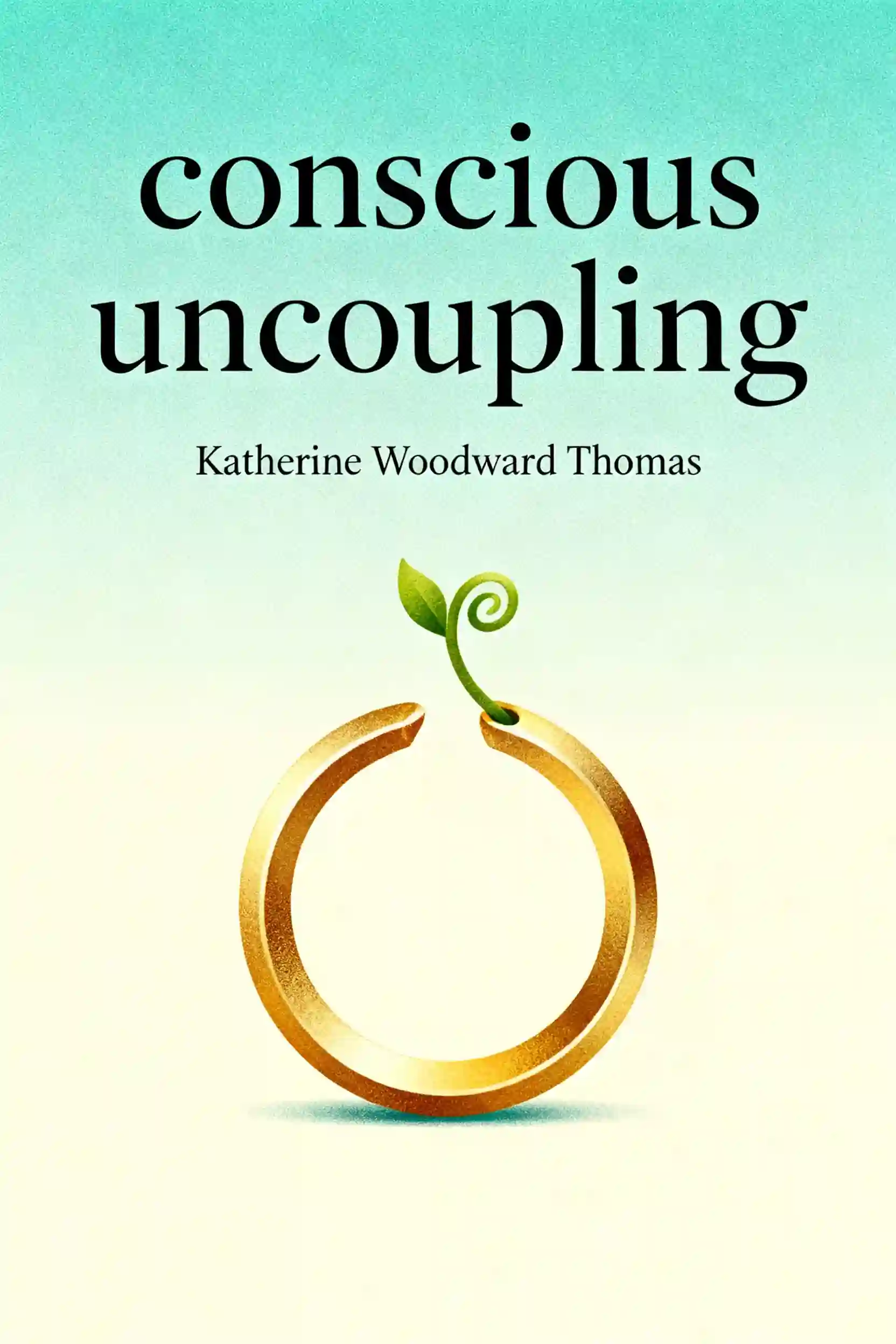
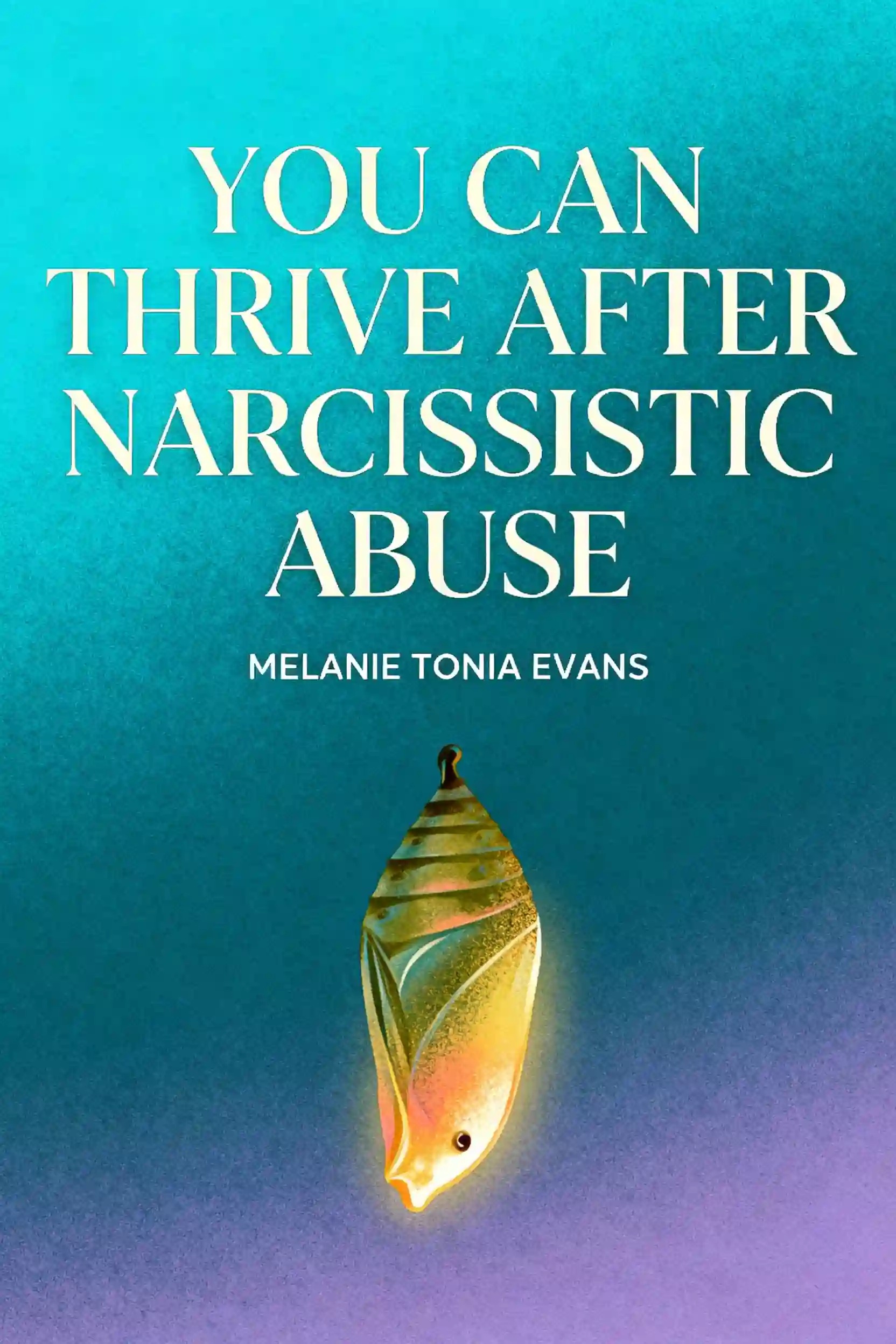
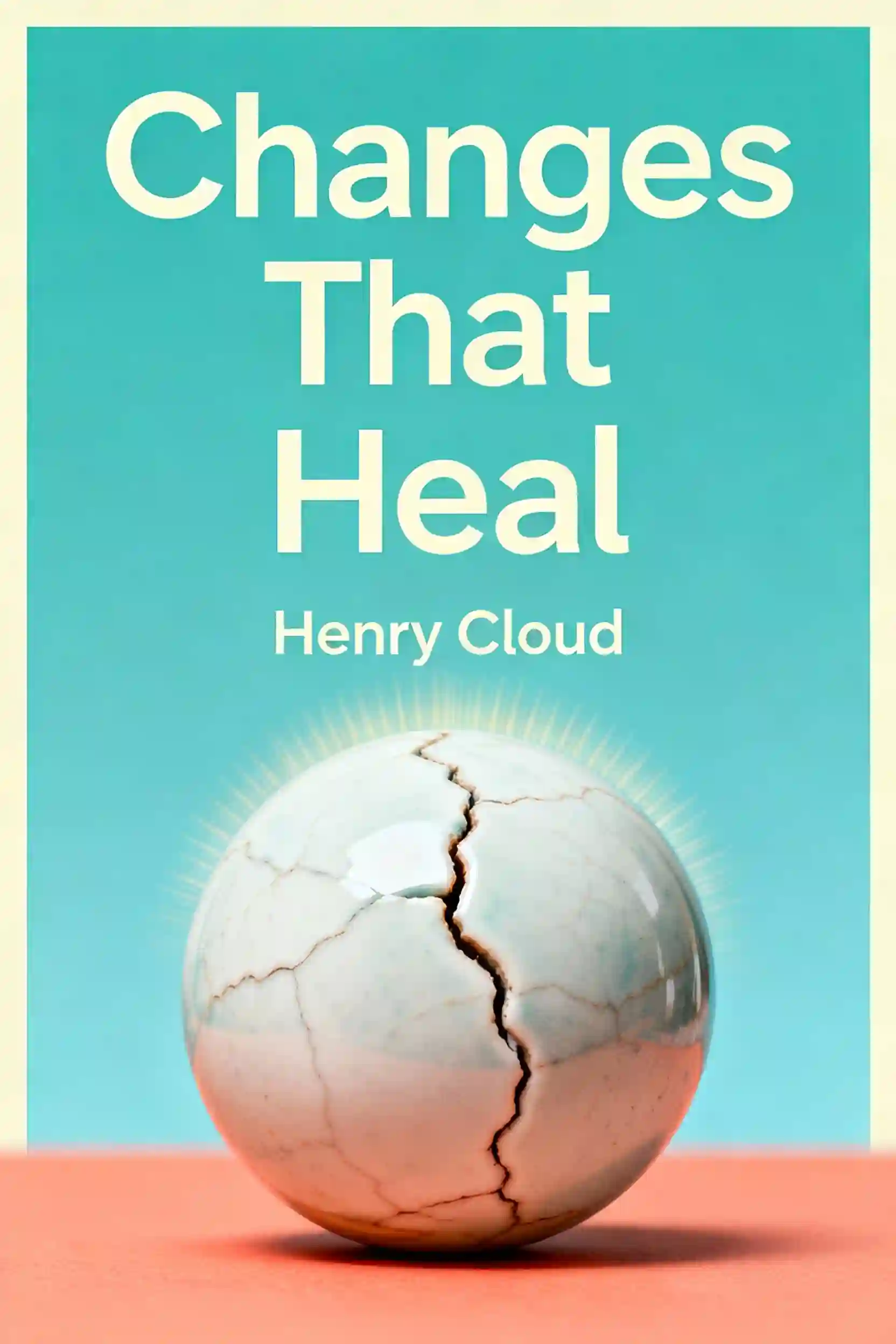
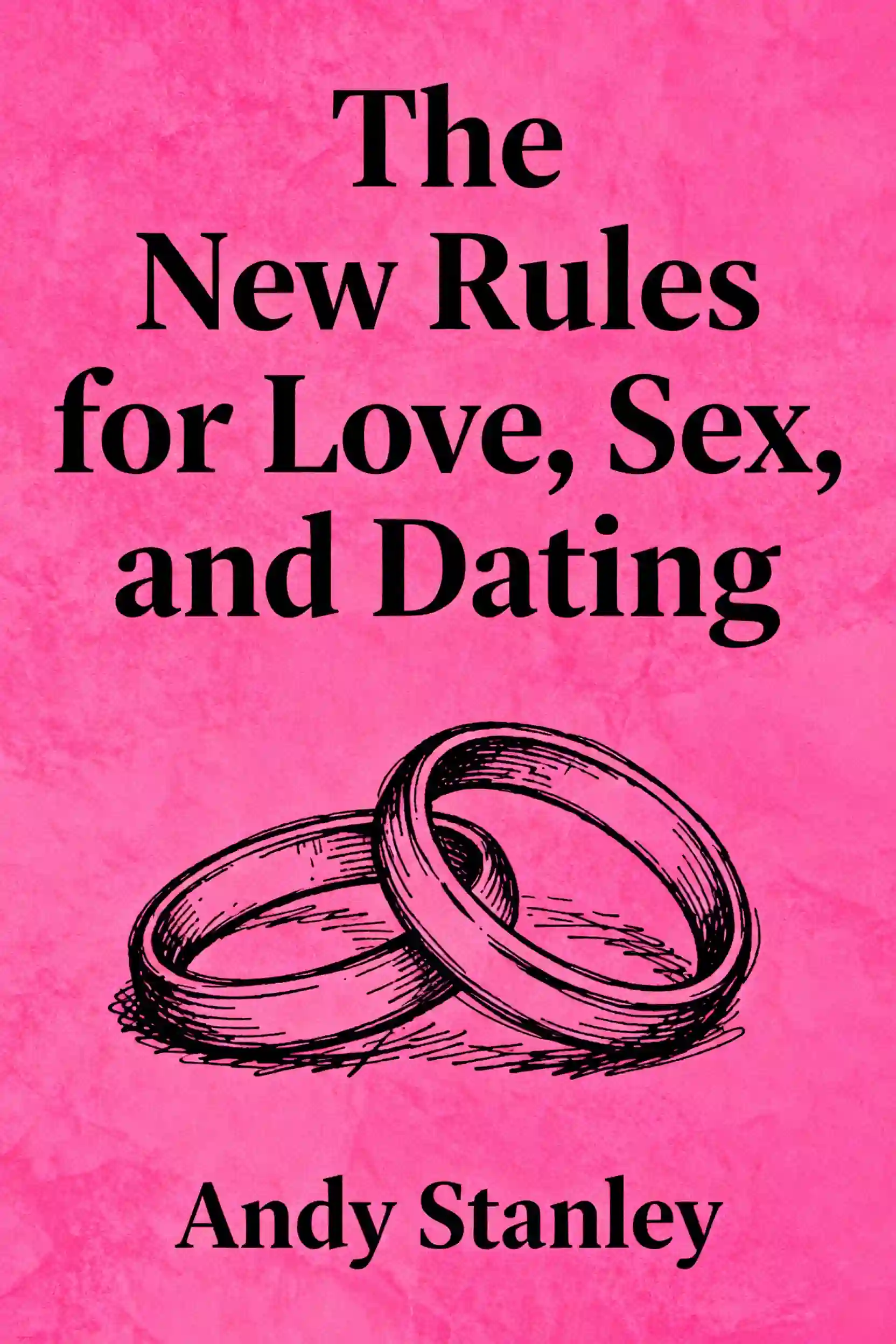
Preguntas frecuentes
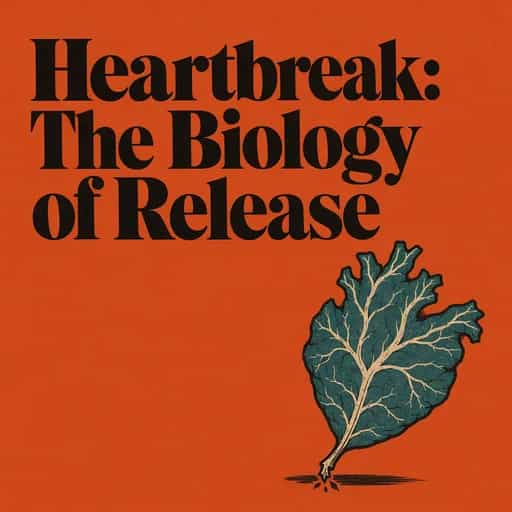
Research shows that the brain processes romantic rejection in the same regions responsible for physical pain. When a relationship ends, the brain goes through a chemical withdrawal similar to quitting a drug because it is suddenly deprived of the "feel-good" hormones dopamine and oxytocin. This "neurochemical crash" can trigger the amygdala, leading to feelings of panic, obsession, and a literal ache in the chest, making behaviors like checking an ex's social media a physiological craving rather than a lack of willpower.
Self-concept clarity disruption occurs when a person's identity is so closely tied to their partner that the end of the relationship leaves their sense of self destabilized. This can make it difficult to remember personal hobbies, musical tastes, or even make sense of one's own life story. Recovery involves "identity expansion," which is the process of rediscovering interests and goals that are uniquely yours, independent of the former "we" of the relationship.
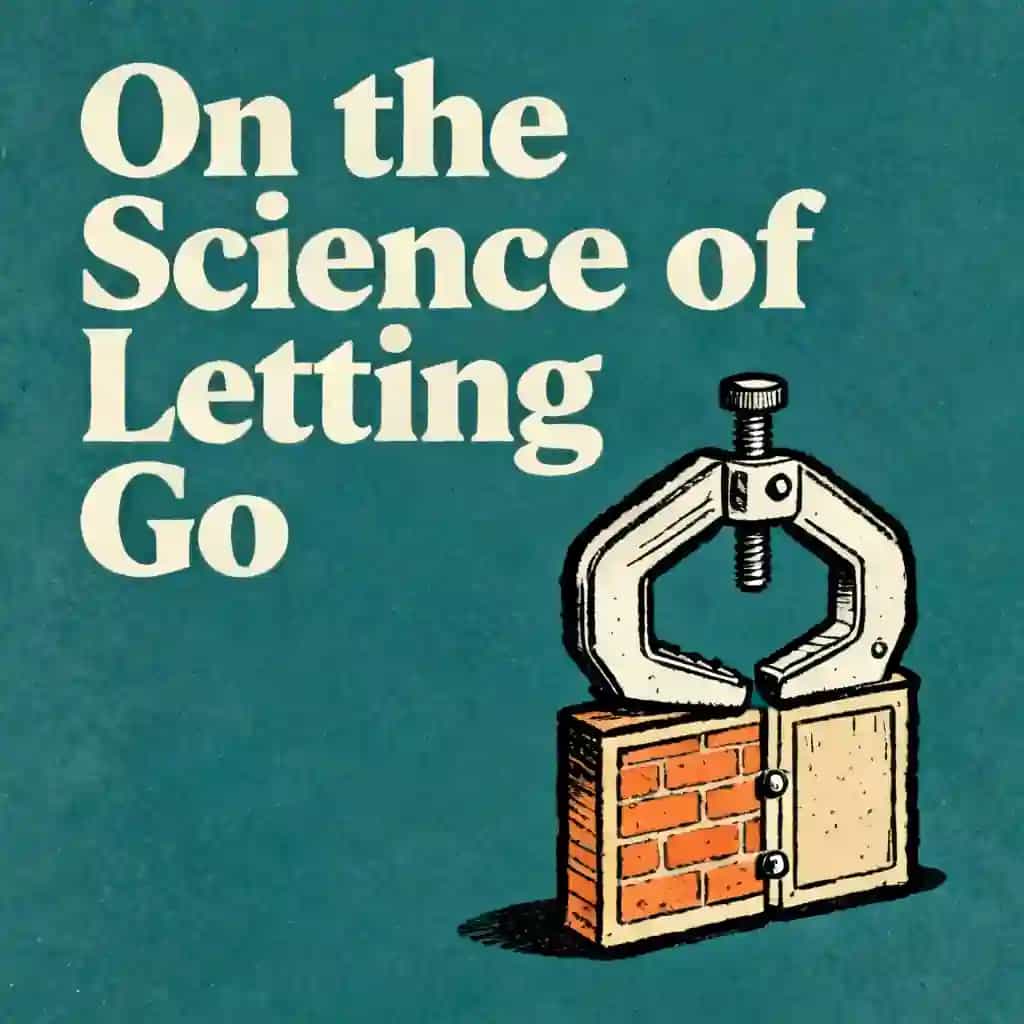
The "no contact rule" is a vital boundary because every interaction with an ex—including checking their digital footprint—resets the "withdrawal clock" in the brain. It is compared to trying to quit sugar while keeping candy on a nightstand; maintaining contact provides a temporary dopamine hit that prevents the nervous system from regulating itself and keeps the emotional wound open. Establishing this boundary allows the brain to begin the necessary process of rewiring and moving toward radical acceptance.
Intentional dating requires moving from "scarcity" to "abundance" and staying in "observation mode" rather than "performance mode." While chemistry is often characterized by an instant spark—which can sometimes be a manifestation of anxiety or old trauma patterns—emotional safety is found in "consistent signals" over time. A healthy connection is often a "slow burn" where a partner respects boundaries, matches their words with actions, and makes you feel safe and heard rather than just excited.
Creado por exalumnos de la Universidad de Columbia en San Francisco
"Instead of endless scrolling, I just hit play on BeFreed. It saves me so much time."


"I never knew where to start with nonfiction—BeFreed’s book lists turned into podcasts gave me a clear path."


"Perfect balance between learning and entertainment. Finished ‘Thinking, Fast and Slow’ on my commute this week."
"Crazy how much I learned while walking the dog. BeFreed = small habits → big gains."
"Reading used to feel like a chore. Now it’s just part of my lifestyle."

"Feels effortless compared to reading. I’ve finished 6 books this month already."
"BeFreed turned my guilty doomscrolling into something that feels productive and inspiring."

"BeFreed turned my commute into learning time. 20-min podcasts are perfect for finishing books I never had time for."
"BeFreed replaced my podcast queue. Imagine Spotify for books — that’s it. 🙌"

"It is great for me to learn something from the book without reading it."
"The themed book list podcasts help me connect ideas across authors—like a guided audio journey."
"Makes me feel smarter every time before going to work"
Creado por exalumnos de la Universidad de Columbia en San Francisco
"Instead of endless scrolling, I just hit play on BeFreed. It saves me so much time."
"I never knew where to start with nonfiction—BeFreed’s book lists turned into podcasts gave me a clear path."
"Perfect balance between learning and entertainment. Finished ‘Thinking, Fast and Slow’ on my commute this week."
"Crazy how much I learned while walking the dog. BeFreed = small habits → big gains."
"Reading used to feel like a chore. Now it’s just part of my lifestyle."
"Feels effortless compared to reading. I’ve finished 6 books this month already."
"BeFreed turned my guilty doomscrolling into something that feels productive and inspiring."
"BeFreed turned my commute into learning time. 20-min podcasts are perfect for finishing books I never had time for."
"BeFreed replaced my podcast queue. Imagine Spotify for books — that’s it. 🙌"
"It is great for me to learn something from the book without reading it."
"The themed book list podcasts help me connect ideas across authors—like a guided audio journey."
"Makes me feel smarter every time before going to work"
"Instead of endless scrolling, I just hit play on BeFreed. It saves me so much time."
"I never knew where to start with nonfiction—BeFreed’s book lists turned into podcasts gave me a clear path."
"Perfect balance between learning and entertainment. Finished ‘Thinking, Fast and Slow’ on my commute this week."
"Crazy how much I learned while walking the dog. BeFreed = small habits → big gains."
"Reading used to feel like a chore. Now it’s just part of my lifestyle."
"Feels effortless compared to reading. I’ve finished 6 books this month already."
"BeFreed turned my guilty doomscrolling into something that feels productive and inspiring."
"BeFreed turned my commute into learning time. 20-min podcasts are perfect for finishing books I never had time for."
"BeFreed replaced my podcast queue. Imagine Spotify for books — that’s it. 🙌"
"It is great for me to learn something from the book without reading it."
"The themed book list podcasts help me connect ideas across authors—like a guided audio journey."
"Makes me feel smarter every time before going to work"
"Instead of endless scrolling, I just hit play on BeFreed. It saves me so much time."
"I never knew where to start with nonfiction—BeFreed’s book lists turned into podcasts gave me a clear path."
"Perfect balance between learning and entertainment. Finished ‘Thinking, Fast and Slow’ on my commute this week."
"Crazy how much I learned while walking the dog. BeFreed = small habits → big gains."
"Reading used to feel like a chore. Now it’s just part of my lifestyle."
"Feels effortless compared to reading. I’ve finished 6 books this month already."
"BeFreed turned my guilty doomscrolling into something that feels productive and inspiring."
"BeFreed turned my commute into learning time. 20-min podcasts are perfect for finishing books I never had time for."
"BeFreed replaced my podcast queue. Imagine Spotify for books — that’s it. 🙌"
"It is great for me to learn something from the book without reading it."
"The themed book list podcasts help me connect ideas across authors—like a guided audio journey."
"Makes me feel smarter every time before going to work"