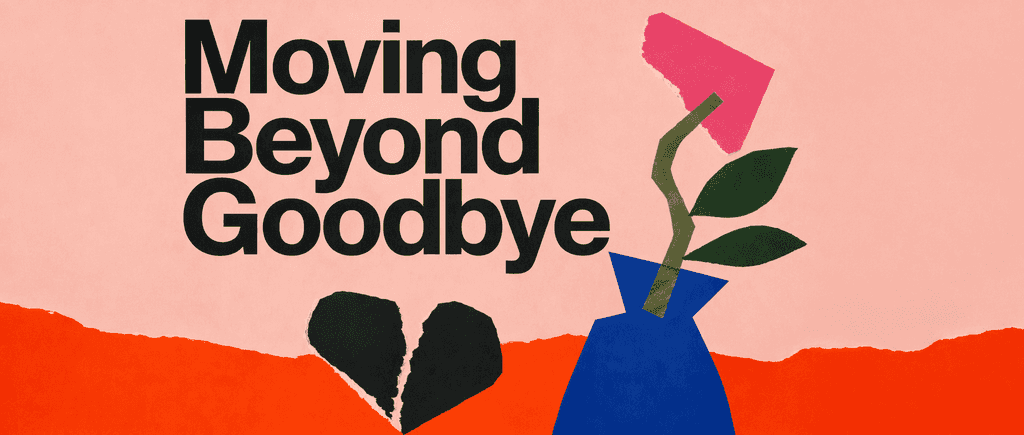
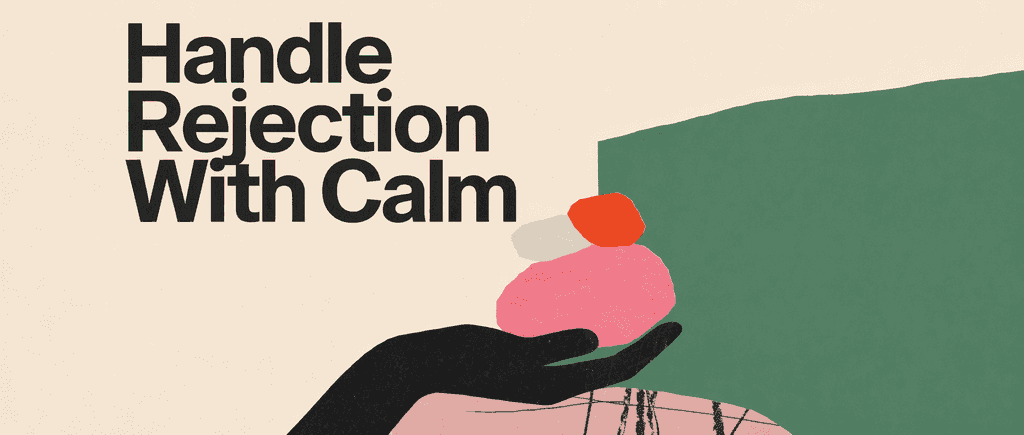
The Science of Sensitivity and Healing from Rejection
Discover why emotional pain feels like physical injury and learn how to protect your sensitive heart without building walls. Explore practical strategies to recalibrate your connections and find strength in your depth.

Mejor cita de The Science of Sensitivity and Healing from Rejection
Your brain actually processes emotional rejection in the same neural pathways as physical pain, so that 'ache' in your chest is biologically real; you aren't 'too sensitive,' you are simply a highly tuned instrument.
Generated by Freedee_95EEA0B0
Why people hurt me I also have a heart I also feel the pain then why they always hurts me

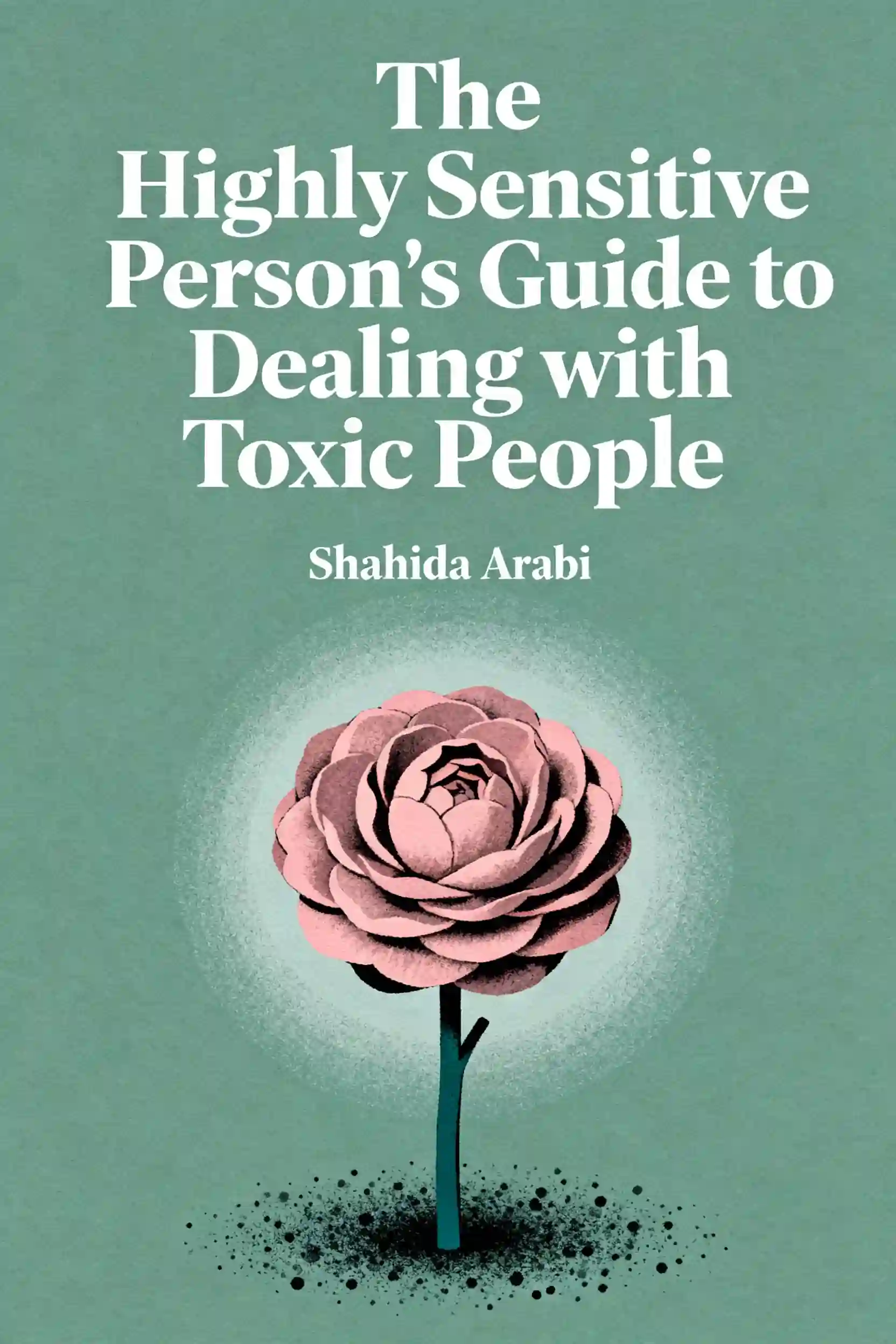
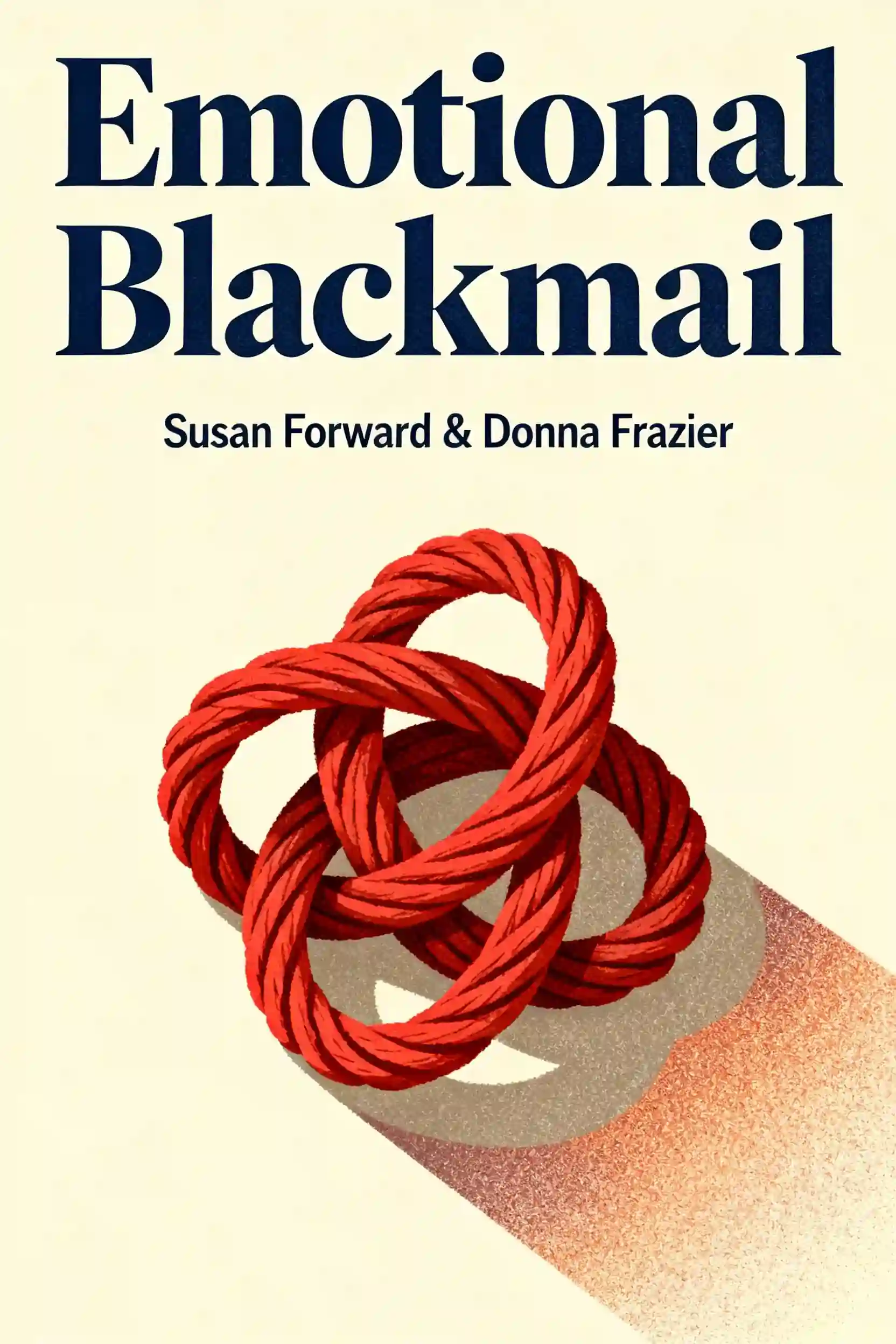
Preguntas frecuentes
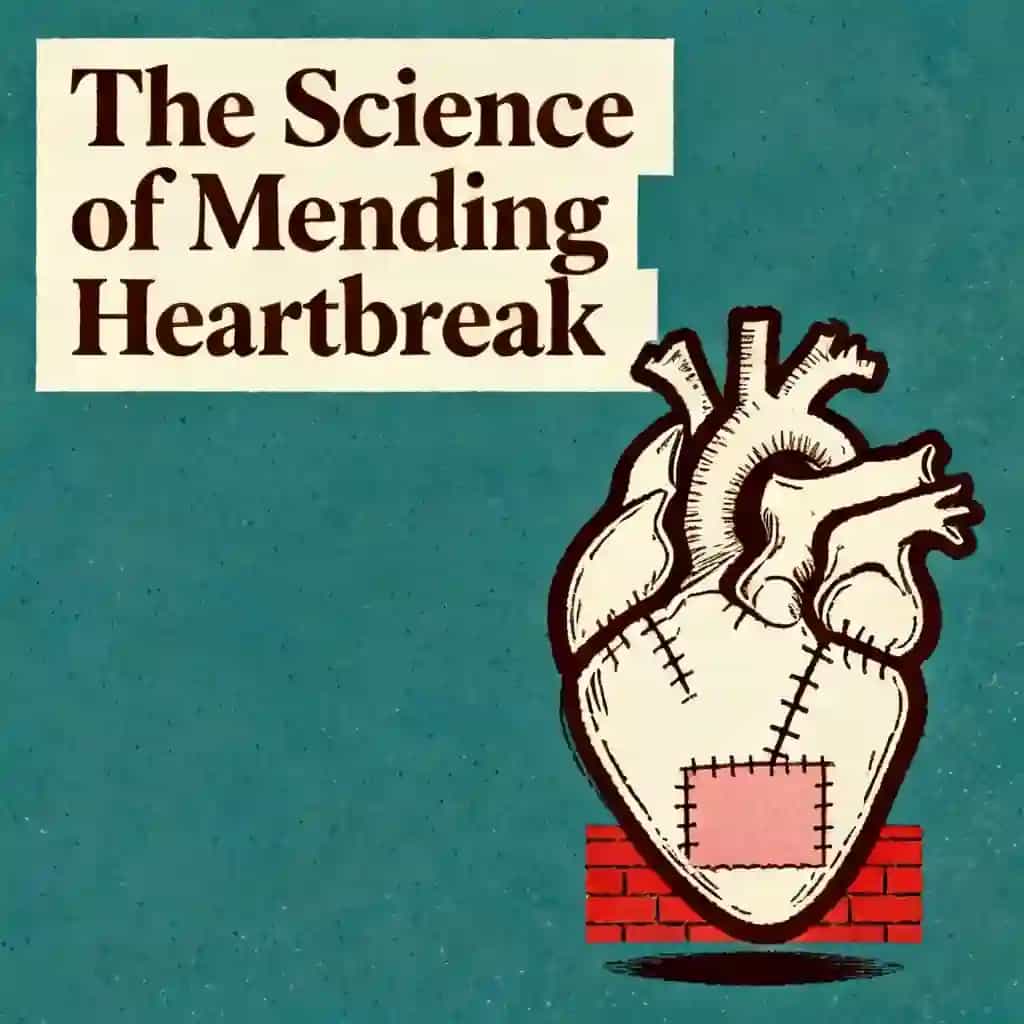
While emotional pain is processed in the brain, it is a biological reality rather than something you are imagining. Neuroimaging studies show that social rejection activates the dorsal anterior cingulate cortex and the anterior insula, which are the exact same neural pathways that process physical injury. Because the brain uses the same circuitry for a "broken heart" as it does for a physical wound, the ache you feel in your chest or the sting of a sharp word is a legitimate physiological response.
Sensory Processing Sensitivity is a natural personality trait found in twenty to thirty percent of the population and is not a disorder. It is an evolutionary survival strategy that allows individuals, often called Highly Sensitive Persons (HSPs), to process sensory information and social cues more deeply. If you have this trait, your brain is wired to pick up on subtle details like micro-expressions or shifts in tone, which can lead to "overarousability" or exhaustion because your nervous system is constantly scanning for environmental and social data.
Social rejection is often a defense mechanism used by the person doing the rejecting rather than a reflection of your worth. According to social comparison theory, people may exclude those who are kind or successful to avoid the "pain of envy" or a "status threat." By distancing themselves, they are attempting to protect their own fragile self-image or conform to group pressures. In many cases, people are navigating their own insecurities and "need for competence," meaning their behavior is about their internal struggles rather than your flaws.
Boundaries are not walls; they are "stop signs" that communicate your limits to others to protect your emotional energy. To set them effectively, use "I" statements that focus on your needs—such as "I feel overlooked when my texts aren't answered"—rather than blaming the other person. Being specific and direct is essential, as most people cannot read the subtle cues that a highly sensitive person might find obvious. Setting these limits allows you to maintain meaningful connections while preventing the emotional depletion that comes from over-investing in every interaction.
Creado por exalumnos de la Universidad de Columbia en San Francisco
"Instead of endless scrolling, I just hit play on BeFreed. It saves me so much time."


"I never knew where to start with nonfiction—BeFreed’s book lists turned into podcasts gave me a clear path."


"Perfect balance between learning and entertainment. Finished ‘Thinking, Fast and Slow’ on my commute this week."
"Crazy how much I learned while walking the dog. BeFreed = small habits → big gains."
"Reading used to feel like a chore. Now it’s just part of my lifestyle."

"Feels effortless compared to reading. I’ve finished 6 books this month already."
"BeFreed turned my guilty doomscrolling into something that feels productive and inspiring."

"BeFreed turned my commute into learning time. 20-min podcasts are perfect for finishing books I never had time for."
"BeFreed replaced my podcast queue. Imagine Spotify for books — that’s it. 🙌"

"It is great for me to learn something from the book without reading it."
"The themed book list podcasts help me connect ideas across authors—like a guided audio journey."
"Makes me feel smarter every time before going to work"
Creado por exalumnos de la Universidad de Columbia en San Francisco
"Instead of endless scrolling, I just hit play on BeFreed. It saves me so much time."
"I never knew where to start with nonfiction—BeFreed’s book lists turned into podcasts gave me a clear path."
"Perfect balance between learning and entertainment. Finished ‘Thinking, Fast and Slow’ on my commute this week."
"Crazy how much I learned while walking the dog. BeFreed = small habits → big gains."
"Reading used to feel like a chore. Now it’s just part of my lifestyle."
"Feels effortless compared to reading. I’ve finished 6 books this month already."
"BeFreed turned my guilty doomscrolling into something that feels productive and inspiring."
"BeFreed turned my commute into learning time. 20-min podcasts are perfect for finishing books I never had time for."
"BeFreed replaced my podcast queue. Imagine Spotify for books — that’s it. 🙌"
"It is great for me to learn something from the book without reading it."
"The themed book list podcasts help me connect ideas across authors—like a guided audio journey."
"Makes me feel smarter every time before going to work"
"Instead of endless scrolling, I just hit play on BeFreed. It saves me so much time."
"I never knew where to start with nonfiction—BeFreed’s book lists turned into podcasts gave me a clear path."
"Perfect balance between learning and entertainment. Finished ‘Thinking, Fast and Slow’ on my commute this week."
"Crazy how much I learned while walking the dog. BeFreed = small habits → big gains."
"Reading used to feel like a chore. Now it’s just part of my lifestyle."
"Feels effortless compared to reading. I’ve finished 6 books this month already."
"BeFreed turned my guilty doomscrolling into something that feels productive and inspiring."
"BeFreed turned my commute into learning time. 20-min podcasts are perfect for finishing books I never had time for."
"BeFreed replaced my podcast queue. Imagine Spotify for books — that’s it. 🙌"
"It is great for me to learn something from the book without reading it."
"The themed book list podcasts help me connect ideas across authors—like a guided audio journey."
"Makes me feel smarter every time before going to work"
"Instead of endless scrolling, I just hit play on BeFreed. It saves me so much time."
"I never knew where to start with nonfiction—BeFreed’s book lists turned into podcasts gave me a clear path."
"Perfect balance between learning and entertainment. Finished ‘Thinking, Fast and Slow’ on my commute this week."
"Crazy how much I learned while walking the dog. BeFreed = small habits → big gains."
"Reading used to feel like a chore. Now it’s just part of my lifestyle."
"Feels effortless compared to reading. I’ve finished 6 books this month already."
"BeFreed turned my guilty doomscrolling into something that feels productive and inspiring."
"BeFreed turned my commute into learning time. 20-min podcasts are perfect for finishing books I never had time for."
"BeFreed replaced my podcast queue. Imagine Spotify for books — that’s it. 🙌"
"It is great for me to learn something from the book without reading it."
"The themed book list podcasts help me connect ideas across authors—like a guided audio journey."
"Makes me feel smarter every time before going to work"