BeFreed
    Categories>Leadership & Corp Culture>The Hidden Power of Speaking Freely: Unlocking Team Truth

    The Hidden Power of Speaking Freely: Unlocking Team Truth

    11 min
    |
    |
    21 sept 2025
    • Leadership & Corp Culture
    • Communication

    Discover why most people stay silent when it matters most, and how to build a culture where truth feels safe. Drawing from Google's Project Aristotle, Amy Edmondson's psychological safety research, and Ray Dalio's radical transparency at Bridgewater, learn practical tactics to transform how your team communicates.

    The Hidden Power of Speaking Freely: Unlocking Team Truth
    0:00 / 0:00
    Elige cómo se cuenta

    Un episodio. Muchas formas de escucharlo.

    Las mismas ideas de The Hidden Power of Speaking Freely: Unlocking Team Truth. Elige la voz, profundidad y ritmo que más te convengan. Cambia cuando quieras.

    Transcripción y capítulos

    Capítulo 1

    When Truth Feels Risky

    Nia: Welcome to the BeFreed Podcast, where we distill the world's best sources into personalized insights you can actually use. I'm Nia.

    Jackson: And I'm Jackson. Today we're diving into something that affects literally every conversation you have at work, at home, and online-approval to speak freely.

    Nia: Oh, I feel this one. You know that moment when you're in a meeting, rehearsing a sentence in your head, wondering "Is it safe to say this?" That internal calculation we all do before speaking up.

    Jackson: Exactly! And it's not just about constitutional free speech. It's about whether your team treats candor as a gift or a career-limiting move. We'll be connecting dots across organizational psychology, leadership research, and practical tactics from places like Google, Microsoft, and Bridgewater.
    Capítulo 2

    The Silent Killers of Truth-Telling

    Nia: So Jackson, why do people stay silent when they actually have something valuable to say?

    Jackson: It usually comes down to three overlapping fears. First, there's isolation-we're wired to avoid social rejection. Elisabeth Noelle-Neumann called this the "spiral of silence"-if you think your view is unpopular, you stay quiet, which makes that view seem even rarer, which silences more people.

    Nia: That explains so much about team dynamics! The second fear is about reputation, right?

    Jackson: Exactly. Economists call it "preference falsification"-you say what plays well rather than what you believe because your status is on the line. The economist Timur Kuran wrote an entire book called "Private Truths, Public Lies" about this phenomenon.

    Nia: I've definitely done that. And the third fear?

    Jackson: Retribution. When leaders seem unapproachable, people bite their tongues. Decades of research on "employee voice" shows that managerial openness is the best predictor of whether people will speak up with ideas or concerns.

    Nia: I remember a boss I had who would literally roll her eyes whenever someone questioned the plan. Nobody spoke up after a while-even when we saw real problems coming.

    Aprende más con este episodio

    Lleva las ideas de este episodio a una experiencia de aprendizaje guiada en BeFreed.

    Capítulo 3

    Psychological Safety: The Foundation of Candor

    Jackson: That's where psychological safety comes in. Harvard's Amy Edmondson defined it as "a shared belief that the team is safe for interpersonal risk-taking." Her 1999 field study tied it directly to better team performance.

    Nia: But it's not just about being nice to each other, right?

    Jackson: Not at all! It's about making it possible to say "I might be wrong, but..." without being labeled as difficult. Google's Project Aristotle studied 180 teams and found psychological safety was the top predictor of team effectiveness-more important than who was on the team.

    Nia: Wait, so Google found that psychological safety trumped individual talent?

    Jackson: Yes! They measured five factors, and psychological safety came out on top, followed by dependability, structure, meaning, and impact. Their internal survey included questions like "I feel safe expressing divergent opinions to the team."

    Nia: That's fascinating. So if you lead anything-even just a two-person project-this research should change how you run your next meeting.

    Capítulo 4

    Why We Misread the Room

    Nia: I've noticed something weird happens in meetings-sometimes it seems like everyone agrees, but afterward, people tell me they actually didn't. What's happening there?

    Jackson: That's the "Abilene Paradox"-where a group takes a trip nobody wants because everyone thinks everyone else wants to go. It's a communication failure, not true agreement.

    Nia: So we're all just nodding along, thinking we're the only ones with doubts?

    Jackson: Exactly. And it combines with that spiral of silence we mentioned-if people anticipate social isolation for disagreeing, they go quiet, even when they're not actually in the minority. It makes bad ideas look popular.

    Nia: I've definitely been to "Abilene" before-nodding my way into projects I knew were doomed from the start!

    Jackson: Haven't we all! And this is why even smart, well-intentioned people need explicit permission and design to surface the truth.

    Aprende más con este episodio

    Lleva las ideas de este episodio a una experiencia de aprendizaje guiada en BeFreed.

    Capítulo 5

    Leader Moves That Create Speaking Permission

    Nia: So what can leaders do to create this "approval to speak freely" without things getting chaotic?

    Jackson: First, model fallibility. When leaders admit uncertainty or error, it lowers the perceived cost of candor for everyone else. Try opening meetings with "Here's where I think I might be wrong; what am I missing?"

    Nia: That's so powerful. I remember a director who started every project review by listing his own concerns first-it completely changed the conversation.

    Jackson: Second, make openness a job requirement, not a personality trait. Build mechanisms like pre-reads with a "red team" comment column or a rotating "dissent captain" whose job is to find the holes.

    Nia: I love that! What about balancing psychological safety with high standards? I've seen teams where "being nice" meant accepting mediocre work.

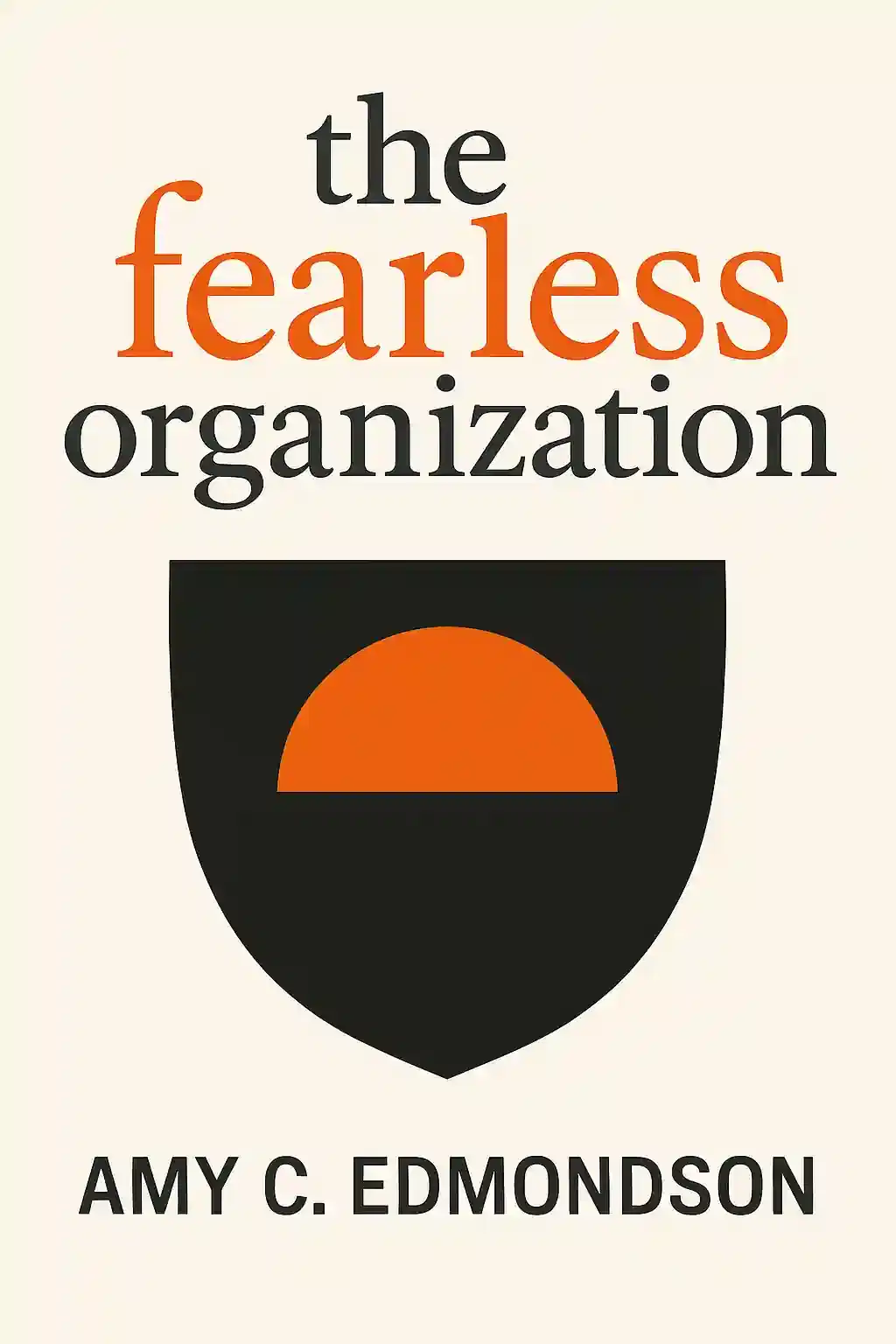
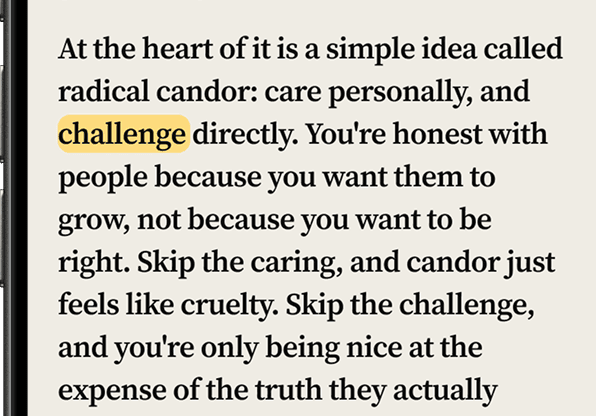
    Jackson: That's a crucial distinction. Amy Edmondson's "The Fearless Organization" emphasizes that psychological safety doesn't mean lowering the bar-it means making it possible to clear the bar. Or as Kim Scott puts it in "Radical Candor," you need to "care personally" while "challenging directly."

    Nia: So protect the person, pressure-test the idea.

    Jackson: Exactly! And for those tough conversations, tools like those in "Crucial Conversations" help-start with shared goals, stick to facts, and invite others to share their perspectives. Teams that practice these skills in calm times can use them when things get heated.

    Capítulo 6

    Practical Tactics You Can Try Today

    Nia: Let's get super practical. What are some tactics people can try in their very next meeting?

    Jackson: On the Huberman Lab podcast, former FBI negotiator Chris Voss talked about using what he calls "tactical empathy" and a "late-night FM DJ voice"-a calmer register that lowers emotional arousal during tough conversations.

    Nia: Oh, I've heard that podcast! He suggests labeling emotions, right? Like saying, "It sounds like timing and risk are the big concerns here."

    Jackson: Yes! And for social anxiety before speaking up, Huberman suggests exposure therapy-small, repeatable practice-paired with a micro-ritual before speaking: one deep "physiological sigh," a clear first sentence, and focusing on service rather than self.

    Nia: I've also found Celeste Headlee's TED talk "10 ways to have a better conversation" super helpful. She suggests dropping multi-tasking, starting with curiosity, and using open-ended questions.

    Jackson: And for those moments when you need to "rock the boat," Luvvie Ajayi Jones offers a simple gut-check in her TED talk: before speaking up, ask: Do I mean it? Can I defend it? Can I say it with love?

    Nia: And then remember her mantra: "Comfort is overrated." That really stuck with me.

    Aprende más con este episodio

    Lleva las ideas de este episodio a una experiencia de aprendizaje guiada en BeFreed.

    Capítulo 7

    Industry Models Worth Borrowing

    Jackson: Some companies have built entire cultures around speaking freely. Google operationalized team candor with regular pulse-checks on those five effectiveness factors. You can borrow their approach by asking your team to rate "We can take risks on this team without feeling insecure" and discussing the gaps.

    Nia: What about Bridgewater? I've heard they're extreme with transparency.

    Jackson: They are! Ray Dalio's "idea meritocracy" includes recording meetings, using a "Dot Collector" tool for feedback, and encouraging blunt feedback-even to the CEO. It's not for every culture, but it shows how far norms can move when mechanisms back them up.

    Nia: And Microsoft had a big culture shift under Satya Nadella, right?

    Jackson: Yes-he explicitly moved from a "know-it-all" to a "learn-it-all" culture, putting empathy and growth mindset at the core. The subtext is powerful: if learning outranks being right, it's easier to speak up before you're sure.

    Nia: That's such a subtle but important shift in what gets rewarded.

    Capítulo 8

    A Monday Morning Playbook

    Nia: So let's pull this all together. If I'm a leader, what should I do on Monday morning to start building this "speak freely" culture?

    Jackson: Start with your own "error bar"-share your assumptions and where you think they could be wrong. Research shows your openness sets the team climate.

    Nia: And install some "disagree-better" rituals, right?

    Jackson: Exactly! Try a pre-mortem: "It's a year from now and this project failed. Why?" Go around the room starting with the most junior person. Or use two-column notes: "What I like / What worries me" and read the worries first.

    Nia: I love the idea of rotating a "red team" role with bragging rights for the most decision-improving objection!

    Jackson: And don't forget to pair safety with standards. Borrow language from "Radical Candor" and "The Fearless Organization": "We protect the person while challenging the work."

    Nia: What about for team members who aren't in leadership positions?

    Jackson: Use the "truth sandwich" from "Crucial Conversations": start with a shared goal, then the data, then the proposed next step. And borrow those Huberman Lab tactics-slow your cadence, label tensions, take a deep exhale before speaking if you're nervous.

    Nia: And for meeting design?

    Jackson: Try the Rule of Two Firsts: the first two voices set the tone, so invite junior perspectives to start. Don't let status speak first every time. And always end with a "one more thing" lap-after apparent consensus, ask "If we were missing something important, what would it be?" and go around once more.

    Aprende más con este episodio

    Lleva las ideas de este episodio a una experiencia de aprendizaje guiada en BeFreed.

    Capítulo 9

    The Courage to Speak, The Design to Listen

    Nia: This has been so practical. Any final thoughts on balancing free speech with creating safe spaces?

    Jackson: It's about productive spaces, not just safe ones. As Greg Lukianoff argued in a recent TED talk, we need to protect the space for disagreement while holding a hard line against harassment and threats. Physical and psychological safety are non-negotiable; comfort isn't.

    Nia: That's a great distinction. And it seems like courage scales when design helps it-Netflix's culture deck, Bridgewater's tools, Google's measurements all made candor explicit.

    Jackson: Exactly. Behind each case is the same insight: people will speak up when they believe they'll be heard, not hunted. So the next time you feel that internal rehearsal-"Is it safe to say this?"-remember: the answer depends on both culture and craft.

    Nia: And with a few words-"I might be wrong, but here's what I see"-you might be giving the room exactly what it needs: approval to speak freely.

    Capítulo 10

    Your Truth-Telling Toolkit

    Nia: So what are our key takeaways for listeners who want to build a "speak freely" culture starting today?

    Jackson: First, recognize the three silent killers of candor: fear of isolation, reputation damage, and retribution. They're operating in every room.

    Nia: Second, psychological safety isn't about being nice-it's about making it possible to take risks without fear. And Google found it's the #1 predictor of team effectiveness.

    Jackson: Third, leaders set the tone-model fallibility first, make openness a job requirement not a personality trait, and pair safety with high standards.

    Nia: Fourth, install specific rituals like pre-mortems, red teams, and "one more thing" laps to catch the Abilene trips before you gas up the van.

    Jackson: And finally, remember that courage scales when design helps it. Build the mechanisms that make speaking up the default, not the exception.

    Nia: That's your daily dose of smarter from BeFreed Podcast. If your brain liked it, come back tomorrow-we've got more where that came from. I'm your host, Nia.

    Jackson: And I'm Jackson. Until next time, speak freely!

    ★★★★★

    Has llegado al final de The Hidden Power of Speaking Freely: Unlocking Team Truth

    “Llevo 23 días y lo he usado todos los días. Ya forma parte de mi rutina diaria.”

    jayallen

    Mejor cita de The Hidden Power of Speaking Freely: Unlocking Team Truth

    “

    Psychological safety is not about being nice; it is a shared belief that the team is safe for interpersonal risk-taking, making it possible to say 'I might be wrong' without being labeled as difficult.

    ”
    F

    Generated by Freedee_BE9DDE1A

    Pregunta de entrada

    How can I create a team culture where people feel safe to speak the truth?

    Voces del presentador
    Niaplay
    Jacksonplay
    Fuentes de conocimiento
    The Fearless Organization
    link
    https://www.befreed.ai/book/the-fearless-organization-by-amy-c-edmondson
    Radical Candor
    link
    https://www.befreed.ai/book/radical-candor-by-kim-scott
    Crucial Conversations
    link
    https://www.befreed.ai/book/crucial-conversations-by-joseph-grenny-kerry-patterson-ron-mcmillan-al-switzler-emily-gregory
    Dare to Lead
    link
    https://www.befreed.ai/book/dare-to-lead-by-bren-brown
    Permission to Speak
    link
    https://www.goodreads.com/book/show/61113143-permission-to-speak
    Private Truths, Public Lies
    link
    https://www.goodreads.com/book/show/515166

    Creado por exalumnos de la Universidad de Columbia | en San Francisco

    BeFreed Reúne a una Comunidad Global de Mentes Curiosas

    4.7

    valoración media

    Más de 7,84 mil valoraciones de la app

    Comunidad BeFreed

    En serio, todavía no he explorado la app a fondo, pero después de usarla estos últimos días estoy impresionadísima… BeFreed está en otro nivel comparada con cualquier otra app de aprendizaje que haya usado. Te engancha muchísimo y de verdad mejora la concentración, ¡ideal para los que no paran de hacer scroll!

    @ladyInfinity

    Compré BeFreed hace exactamente 23 días y lo he usado todos los días desde entonces. Se ha integrado por completo en mi rutina diaria de trabajo y aprendizaje.

    @jayallen

    La verdad es que la app ha superado todas mis expectativas. Puedo pedirle que genere audio sobre cualquier tema, sea cual sea, y el resultado es impresionante. Mi campo profesional es una especialización en psicoterapia y es multidisciplinario; aun así, las respuestas son muy precisas.

    @Raguipa

    Lo que más valoro es cuánto ha reducido mi scroll: paso menos tiempo buscando y más tiempo absorbiendo información. La combinación de audiolibros completos, podcasts y los planes de aprendizaje es brillante.

    @colonyofcreatorsNGO

    Llevo 24 años siendo instructor de aprendizaje acelerado PhotoReading… los libros, la lectura y el aprendizaje son lo mío, y BeFreed ha hecho un gran trabajo ofreciendo un enfoque innovador para transmitir información de una forma fácil de consumir.

    @BeFreed user

    No es solo una app de resúmenes de libros: he usado la opción de lectura divertida y es un resumen mucho mejor y una forma más fácil de captar las ideas que la manera tradicional; solo eso ya vale la pena.

    @austinakon

    Me encanta esta app. La he usado varios días y no puedo dejar de escuchar. Una forma buenísima de empezar.

    @jcrules328

    Me gusta mucho el programa; llevo alrededor de un mes probándolo y siento que es una verdadera joya. Funciona genial porque puedo usar BeFreed para crear mis propios temas, y la voz es buenísima, con opciones de narración ilimitadas.

    @DanielCZ

    En serio, todavía no he explorado la app a fondo, pero después de usarla estos últimos días estoy impresionadísima… BeFreed está en otro nivel comparada con cualquier otra app de aprendizaje que haya usado. Te engancha muchísimo y de verdad mejora la concentración, ¡ideal para los que no paran de hacer scroll!

    @ladyInfinity

    Compré BeFreed hace exactamente 23 días y lo he usado todos los días desde entonces. Se ha integrado por completo en mi rutina diaria de trabajo y aprendizaje.

    @jayallen

    La verdad es que la app ha superado todas mis expectativas. Puedo pedirle que genere audio sobre cualquier tema, sea cual sea, y el resultado es impresionante. Mi campo profesional es una especialización en psicoterapia y es multidisciplinario; aun así, las respuestas son muy precisas.

    @Raguipa

    Lo que más valoro es cuánto ha reducido mi scroll: paso menos tiempo buscando y más tiempo absorbiendo información. La combinación de audiolibros completos, podcasts y los planes de aprendizaje es brillante.

    @colonyofcreatorsNGO

    Llevo 24 años siendo instructor de aprendizaje acelerado PhotoReading… los libros, la lectura y el aprendizaje son lo mío, y BeFreed ha hecho un gran trabajo ofreciendo un enfoque innovador para transmitir información de una forma fácil de consumir.

    @BeFreed user

    No es solo una app de resúmenes de libros: he usado la opción de lectura divertida y es un resumen mucho mejor y una forma más fácil de captar las ideas que la manera tradicional; solo eso ya vale la pena.

    @austinakon

    Me encanta esta app. La he usado varios días y no puedo dejar de escuchar. Una forma buenísima de empezar.

    @jcrules328

    Me gusta mucho el programa; llevo alrededor de un mes probándolo y siento que es una verdadera joya. Funciona genial porque puedo usar BeFreed para crear mis propios temas, y la voz es buenísima, con opciones de narración ilimitadas.

    @DanielCZ

    Me encanta poder recibir información e ideas útiles y condensadas en un audio estilo podcast de 8 a 15 minutos. No soy muy fan de los podcasts por tanto relleno, pero esto va directo al grano.

    @BeFreed user

    Estoy terminando mi doctorado y tengo que leer muchísimo material desconocido… Con BeFreed simplemente escribes un prompt y la app encuentra las fuentes por ti y genera un podcast en audio. El proceso de BeFreed me parece más ágil que el de NotebookLM.

    @Brad

    Suelo buscar en YouTube algo que escuchar mientras preparo el desayuno, salgo a caminar o voy al trabajo, ¡y BeFreed ofrece un enfoque aún más certero, sin anuncios y sin relleno!

    @BeFreed user

    Lo mejor de esta plataforma es su versatilidad. Literalmente no hay tema que quede fuera. Le lanzas lo que sea y lo maneja… Es raro encontrar una herramienta de aprendizaje sin limitaciones que de verdad cumpla lo que promete.

    @jayallen

    BeFreed es fantástica. Su diseño intuitivo hace que pase menos tiempo navegando y más tiempo aprendiendo. La mezcla de audiolibros, podcasts y planes de aprendizaje es una combinación genial que ha cambiado por completo mi rutina diaria.

    @BeFreed user

    Al principio me llevó un rato entender cómo crear podcasts en italiano y ¡boom! ¡Es genial! Puedo pedirle que me explique cualquier tema y lo hace súper bien y con mucha inteligencia.

    @matteo77

    BeFreed se ha convertido en mi app diaria de audiolibros… Lo que más me gusta es que pones tu texto y te devuelve un audio que puedes escuchar donde sea.

    @kotanzu1

    Me encanta poder recibir información e ideas útiles y condensadas en un audio estilo podcast de 8 a 15 minutos. No soy muy fan de los podcasts por tanto relleno, pero esto va directo al grano.

    @BeFreed user

    Estoy terminando mi doctorado y tengo que leer muchísimo material desconocido… Con BeFreed simplemente escribes un prompt y la app encuentra las fuentes por ti y genera un podcast en audio. El proceso de BeFreed me parece más ágil que el de NotebookLM.

    @Brad

    Suelo buscar en YouTube algo que escuchar mientras preparo el desayuno, salgo a caminar o voy al trabajo, ¡y BeFreed ofrece un enfoque aún más certero, sin anuncios y sin relleno!

    @BeFreed user

    Lo mejor de esta plataforma es su versatilidad. Literalmente no hay tema que quede fuera. Le lanzas lo que sea y lo maneja… Es raro encontrar una herramienta de aprendizaje sin limitaciones que de verdad cumpla lo que promete.

    @jayallen

    BeFreed es fantástica. Su diseño intuitivo hace que pase menos tiempo navegando y más tiempo aprendiendo. La mezcla de audiolibros, podcasts y planes de aprendizaje es una combinación genial que ha cambiado por completo mi rutina diaria.

    @BeFreed user

    Al principio me llevó un rato entender cómo crear podcasts en italiano y ¡boom! ¡Es genial! Puedo pedirle que me explique cualquier tema y lo hace súper bien y con mucha inteligencia.

    @matteo77

    BeFreed se ha convertido en mi app diaria de audiolibros… Lo que más me gusta es que pones tu texto y te devuelve un audio que puedes escuchar donde sea.

    @kotanzu1

    Ver más sobre cómo se habla de BeFreed en la web
    129.7K19.5K
    55.2K19.2K
    154.2K10827355
    48.1K2.5K
    81.2K6.6K
    82.3K1.8K
    Comienza tu viaje de aprendizaje, ahora
    Aplicación BeFreed
    BeFreed

    Aprende Cualquier Cosa, Personalizado

    DiscordLinkedIn
    Resúmenes de libros destacados
    Crucial ConversationsThe Perfect MarriageInto the WildNever Split the DifferenceAttachedGood to GreatSay Nothing
    Categorías en tendencia
    Self HelpCommunication SkillRelationshipMindfulnessPhilosophyInspirationProductivity
    Lista de lectura de celebridades
    Elon MuskCharlie KirkBill GatesSteve JobsAndrew HubermanJoe RoganJordan Peterson
    Colección premiada
    Pulitzer PrizeNational Book AwardGoodreads Choice AwardsNobel Prize in LiteratureNew York TimesCaldecott MedalNebula Award
    Temas destacados
    ManagementAmerican HistoryWarTradingStoicismAnxietySex
    Mejores libros por año
    2025 Best Non Fiction Books2024 Best Non Fiction Books2023 Best Non Fiction Books
    Autores destacados
    Chimamanda Ngozi AdichieGeorge OrwellO. J. SimpsonBarbara O'NeillWinston ChurchillCharlie Kirk
    BeFreed vs otras apps
    BeFreed vs. Other Book Summary AppsBeFreed vs. ElevenReaderBeFreed vs. ReadwiseBeFreed vs. Anki
    Herramientas de aprendizaje
    Knowledge VisualizerAI Podcast Generator
    Información
    Sobre Nosotrosarrow
    Preciosarrow
    Preguntas Frecuentesarrow
    Blogarrow
    Carrerasarrow
    Asociacionesarrow
    Programa de Embajadoresarrow
    Directorioarrow
    BeFreed
    Try now
    © 2026 BeFreed
    Términos de UsoPolítica de Privacidad
    BeFreed

    Aprende Cualquier Cosa, Personalizado

    DiscordLinkedIn
    Resúmenes de libros destacados
    Crucial ConversationsThe Perfect MarriageInto the WildNever Split the DifferenceAttachedGood to GreatSay Nothing
    Categorías en tendencia
    Self HelpCommunication SkillRelationshipMindfulnessPhilosophyInspirationProductivity
    Lista de lectura de celebridades
    Elon MuskCharlie KirkBill GatesSteve JobsAndrew HubermanJoe RoganJordan Peterson
    Colección premiada
    Pulitzer PrizeNational Book AwardGoodreads Choice AwardsNobel Prize in LiteratureNew York TimesCaldecott MedalNebula Award
    Temas destacados
    ManagementAmerican HistoryWarTradingStoicismAnxietySex
    Mejores libros por año
    2025 Best Non Fiction Books2024 Best Non Fiction Books2023 Best Non Fiction Books
    Herramientas de aprendizaje
    Knowledge VisualizerAI Podcast Generator
    Autores destacados
    Chimamanda Ngozi AdichieGeorge OrwellO. J. SimpsonBarbara O'NeillWinston ChurchillCharlie Kirk
    BeFreed vs otras apps
    BeFreed vs. Other Book Summary AppsBeFreed vs. ElevenReaderBeFreed vs. ReadwiseBeFreed vs. Anki
    Información
    Sobre Nosotrosarrow
    Preciosarrow
    Preguntas Frecuentesarrow
    Blogarrow
    Carrerasarrow
    Asociacionesarrow
    Programa de Embajadoresarrow
    Directorioarrow
    BeFreed
    Try now
    © 2026 BeFreed
    Términos de UsoPolítica de Privacidad

    Más como esto

    Portada del libro Amy Edmondson's Psychological Safety: The Secret to Fearless Teams
    source 1Psychological Safety - Amy C. EdmondsonPsychological Safety: The History, Renaissance, and Future of an Interpersonal Construct - Article - Faculty & ResearchPsychological Safety Comes of Age: Observed Themes in an Established Literature
    6 sources
    Amy Edmondson's Psychological Safety: The Secret to Fearless Teams
    Discover how Harvard's Amy Edmondson pioneered psychological safety research, revealing why some teams thrive while others stay silent. From Google's breakthrough studies to preventing disasters, learn the science behind speaking up at work.
    10 min
    Portada del libro The Hidden Architecture of Team Excellence
    The 4 Stages of Psychological SafetyUnbreakableAll InThe Power of a Positive Team
    6 sources
    The Hidden Architecture of Team Excellence
    Discover the science-backed blueprint for transforming ordinary groups into extraordinary teams. From psychological safety to resilience factors, uncover the proven interventions that create powerhouse collaboration.
    10 min
    Portada del libro The Secret Language of Leadership
    The Power of Presence: Mastering Your Leadership VoiceThe Voice of Leadership: Science Behind Charismatic SpeakingThe Elements of Rhetoric -- How to Write and Speak Clearly and PersuasivelyLeadership Is Language
    20 sources
    The Secret Language of Leadership
    Discover how specific word choices and communication techniques can transform how others perceive you, helping you speak with the authority of a leader regardless of your position.
    15 min
    Portada del libro The Power Paradox: Authentic Female Leadership in Today's World
    Dare to LeadHow Women Rise: Break the 12 Habits Holding You Back from Your Next Raise, Promotion, or JobInvisible Women: Data Bias in a World Designed for MenThe Fearless Organization: Creating Psychological Safety in the Workplace for Learning, Innovation, and Growth
    28 sources
    The Power Paradox: Authentic Female Leadership in Today's World
    BeFreed
    Discover how to lead authentically as a woman in a world still catching up. Drawing from Brene Brown's courage research, Amy Edmondson's psychological safety framework, and Susan Colantuono's strategic insights, this episode reveals evidence-based tactics for navigating double binds while building your unique leadership path.
    11 min
    Portada del libro Speak with Power, Lead with Confidence
    The Charisma MythThe Elements of Rhetoric -- How to Write and Speak Clearly and PersuasivelyHow Highly Effective People SpeakCommunication Skills Training
    28 sources
    Speak with Power, Lead with Confidence
    Discover how to transform your communication style to project authority and influence, even when put on the spot. Learn practical techniques to overcome mind-blanks and speak with authentic confidence.
    45 min
    Portada del libro The Hidden Power Structures in Human Interaction
    The Power of NoSuccess Through a Positive Mental AttitudeThe Complete Game of Life and How to Play ItThe Discomfort Zone
    18 sources
    The Hidden Power Structures in Human Interaction
    Explore how mindset broadcasting, assertive communication, persuasive messaging, decision-making under pressure, fair negotiation, and linguistic bias shape every relationship and conversation in your life.
    27 min
    Portada del libro The Power of Strategic Silence
    Frontiers | Nonverbal Behaviors “Speak” Relational Messages of Dominance, Trust, and ComposureThe truth about executive presence and how to build itThe Psychology of Executive Presence: 6 Non-Verbal ...Self-control signals and affords power
    8 sources
    The Power of Strategic Silence
    Struggling to command respect in high-stakes meetings? Learn how silence and presence communicate more confidence than any elevator pitch can.
    631 min
    Portada del libro Master the Hidden Language of Work
    4 Essential Keys to Effective CommunicationHow to Talk to AnyoneThe Definitive Book of Body LanguageCommunication Skills Training
    25 sources
    Master the Hidden Language of Work
    Discover eight research-backed strategies to transform your workplace communication, from mastering non-verbal cues to developing emotional intelligence that will turn blank stares into meaningful engagement.
    13 min

    Recommended Learning Plans

    The Hidden Language of Trust
    PLAN DE APRENDIZAJE

    The Hidden Language of Trust

    In an era of digital disconnect, mastering the nuances of human behavior is essential for effective leadership and conflict resolution. This plan is designed for professionals and negotiators who need to read between the lines and build psychological safety in high-stakes environments.

    2 h 18 m•3 Secciones
    Decoding the Unspoken Social Energy
    PLAN DE APRENDIZAJE

    Decoding the Unspoken Social Energy

    In high-stakes professional and personal environments, the most critical information is often left unsaid. This plan is designed for leaders and collaborators who want to master the subtle art of social intelligence to influence outcomes and build trust.

    2 h 48 m•4 Secciones
    Break the Silence: A Roadmap to Hard Conversations
    PLAN DE APRENDIZAJE

    Break the Silence: A Roadmap to Hard Conversations

    Unaddressed tension erodes trust and productivity in any professional or personal environment. This plan is designed for leaders and team members who want to replace avoidance with clear, constructive communication and collaborative conflict resolution.

    2 h•4 Secciones
    Speak Up in Meetings Confidently
    PLAN DE APRENDIZAJE

    Speak Up in Meetings Confidently

    Many professionals struggle to speak up in meetings despite having valuable insights to share. This learning plan helps transform meeting anxiety into confident communication, benefiting both emerging leaders and experienced professionals seeking to enhance their influence and visibility.

    3 h 30 m•4 Secciones
    The Power of TED* for Leaders
    PLAN DE APRENDIZAJE

    The Power of TED* for Leaders

    This learning plan is essential for leaders feeling drained by constant workplace drama and reactive problem-solving. It provides a practical framework to shift team dynamics from conflict-heavy interactions to empowering, creator-led collaboration.

    1 h 30 m•3 Secciones
    Become a Great Speaker 222439
    PLAN DE APRENDIZAJE

    Become a Great Speaker 222439

    Public speaking is one of the most valuable professional and personal skills, yet most people struggle with anxiety and ineffective delivery. This comprehensive plan takes you from building foundational confidence through advanced TED-level techniques, making it ideal for professionals, entrepreneurs, educators, and anyone who wants to influence, inspire, and lead through powerful communication.

    4 h 56 m•4 Secciones
    Stop Pleasing and Start Speaking
    PLAN DE APRENDIZAJE

    Stop Pleasing and Start Speaking

    This plan is essential for high-achievers and individuals who feel drained by constant self-censorship and the need for external validation. It provides a psychological roadmap to transition from reactive compliance to proactive, boundary-led living for anyone struggling with social anxiety or passivity.

    1 h 30 m•3 Secciones
    To learn how to speak fluently in public
    PLAN DE APRENDIZAJE

    To learn how to speak fluently in public

    Effective communication is the cornerstone of leadership and professional success. This plan is designed for aspiring leaders and professionals who want to transform their stage presence from fearful to influential.

    5 h 5 m•4 Secciones