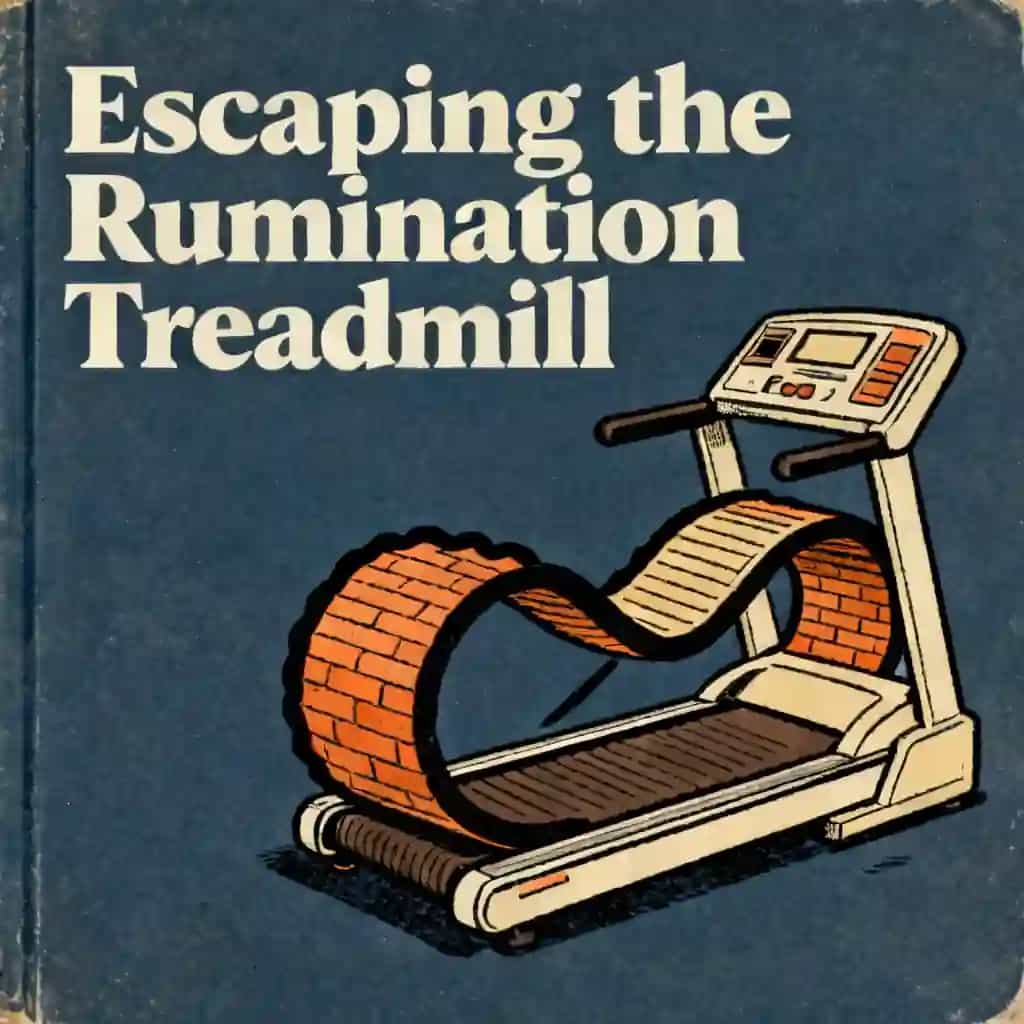
The 90-Second Rule for Emotional Mastery
Discover how to hack your brain's physiological response to stress using the 90-second rule and a portable toolkit of regulation strategies to stop rumination and regain control.

Mejor cita de The 90-Second Rule for Emotional Mastery
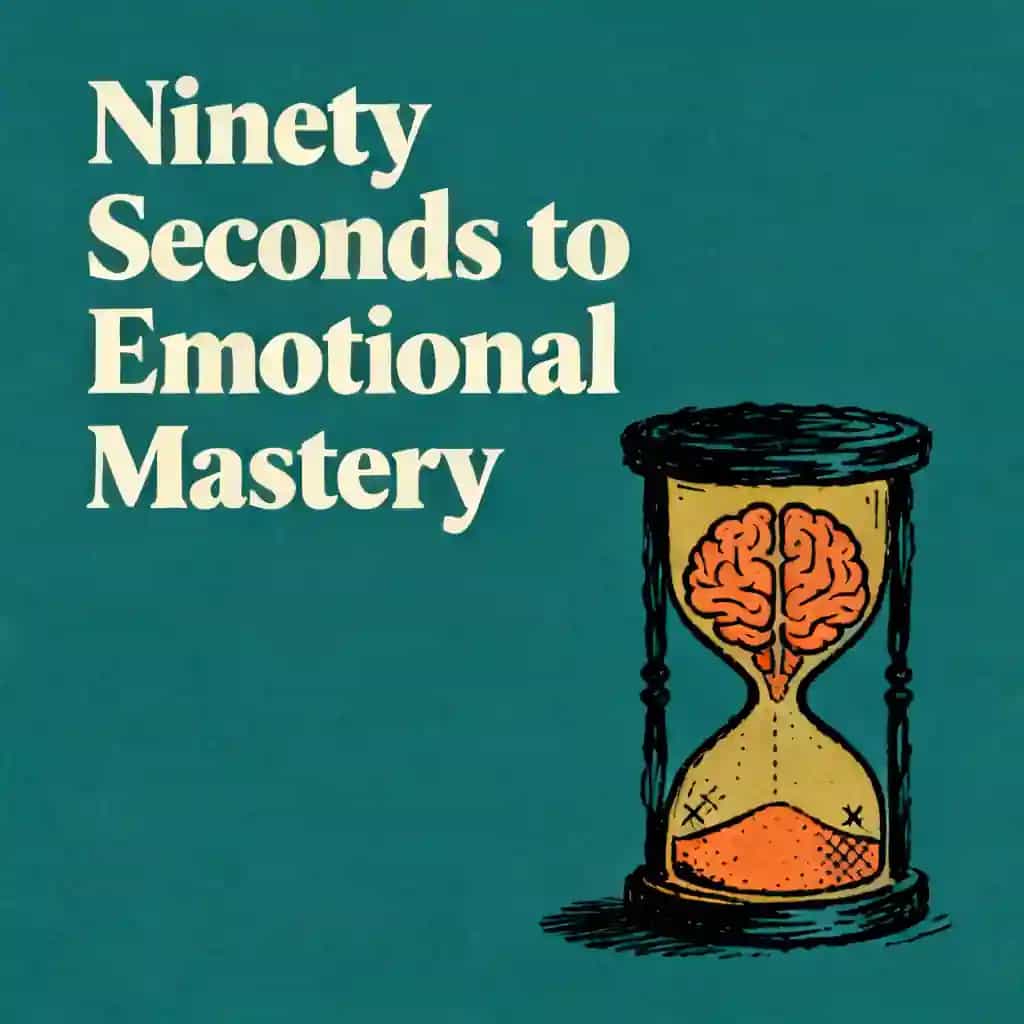
The actual physiological surge of an emotion—that wave of heat or tension—only lasts about 60 to 90 seconds. If it stays longer, it’s usually because we’re fueling it with repetitive thoughts.
Generated by Stacy
I want to learn something about emotional regulation


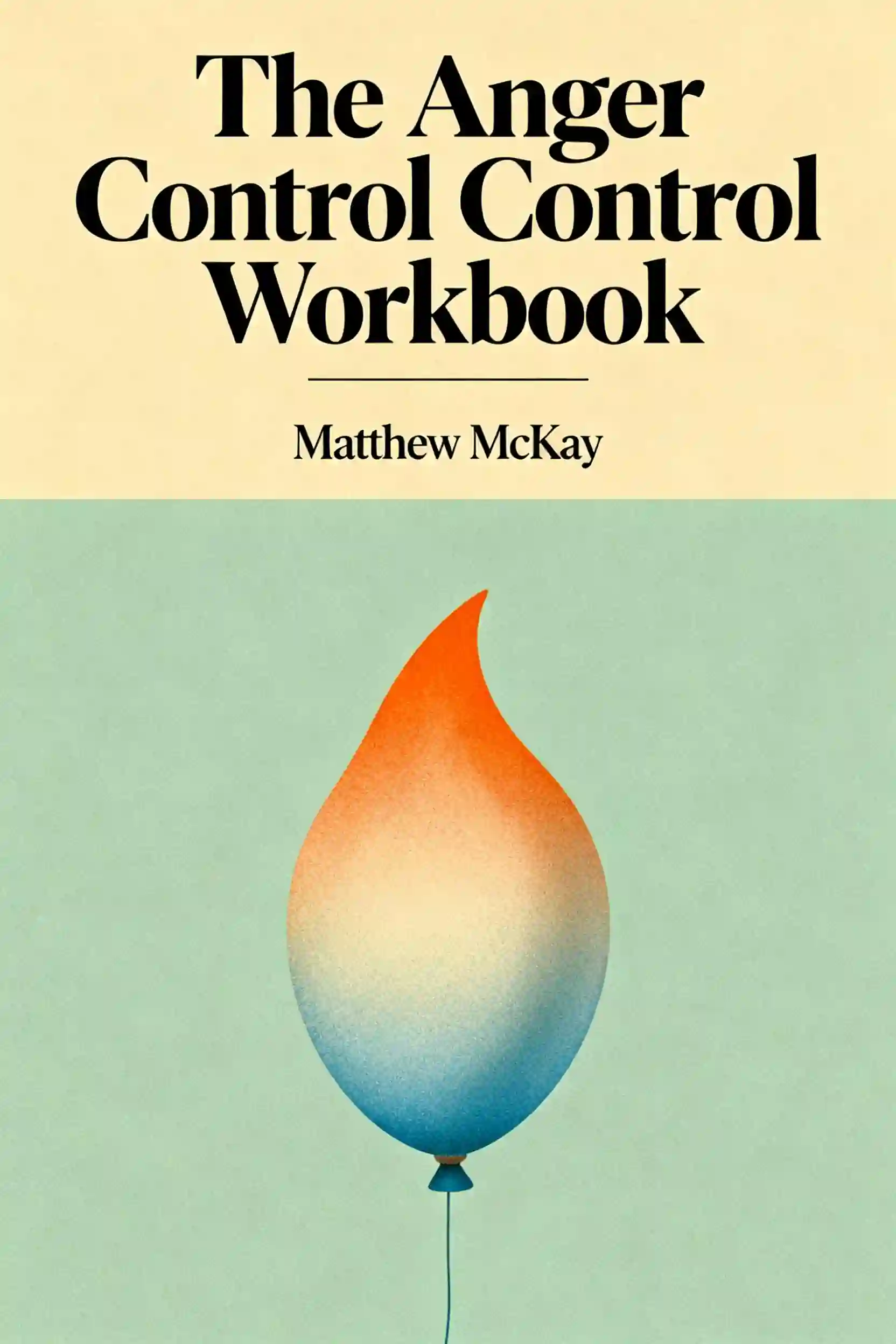
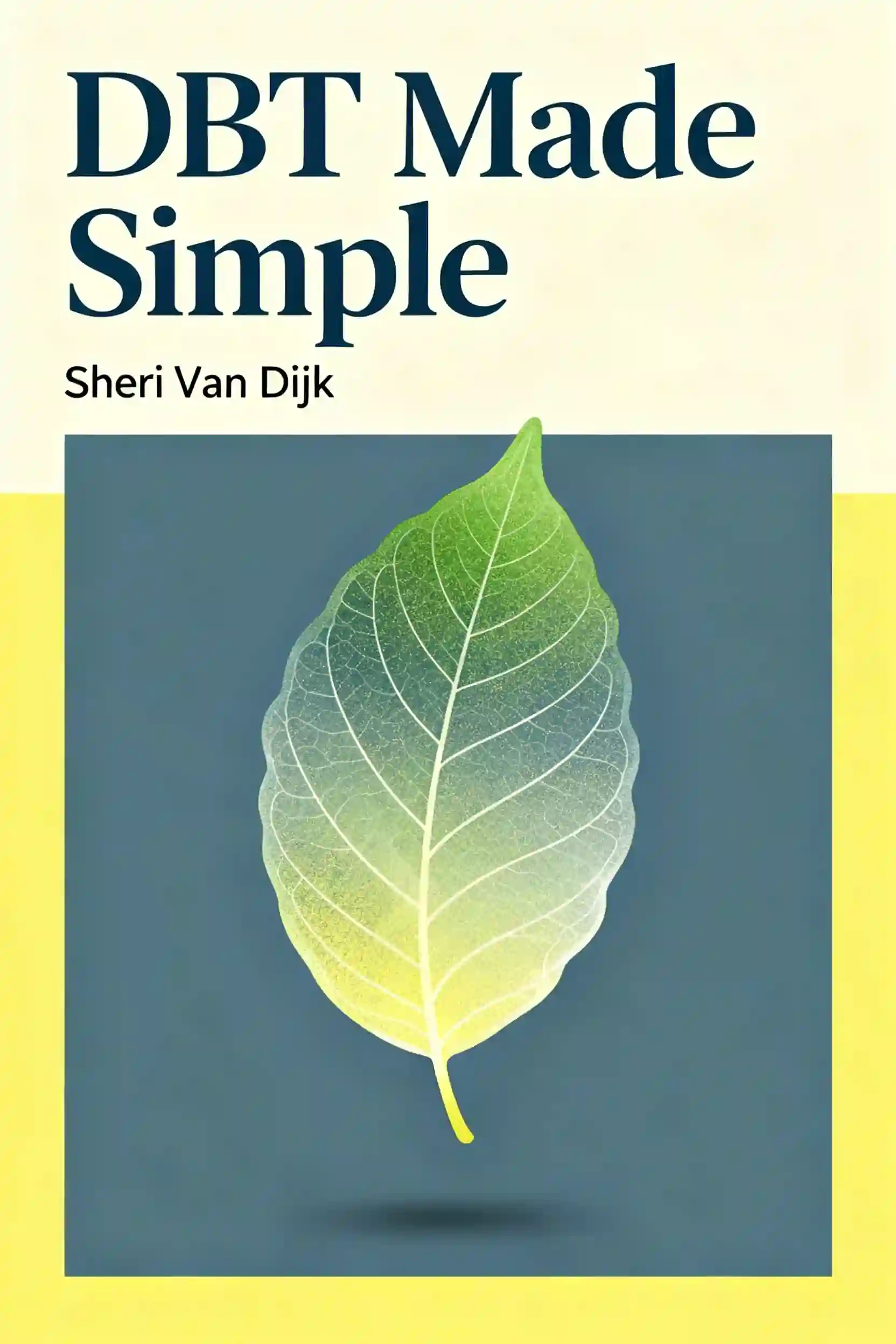
Preguntas frecuentes
The 90-second rule is a neuroscientific insight stating that the actual physiological surge of an emotion—the physical wave of heat, tension, or chemicals—only lasts about 60 to 90 seconds. If an emotional state persists longer than this window, it is typically because the person is fueling the feeling with repetitive thoughts or rumination rather than letting the physical response dissipate.
The high-intensity trap occurs when an emotion reaches a peak level, such as an eight or ten on a ten-point scale. At this intensity, the "thinking" part of the brain (the prefrontal cortex) often goes offline, making logical tools like cognitive reappraisal or reframing ineffective. In these moments, the brain is more likely to fall into a rumination loop, meaning it is better to use "cooling" tools like sensory grounding or breathing exercises to lower the emotional temperature before attempting to change the underlying thoughts.
Based on James Gross’s process model, there are five filters for managing emotions: Situation Selection (choosing environments to avoid triggers), Situation Modification (changing a physical setup to lower stress), Attentional Deployment (shifting focus away from a negative stimulus), Cognitive Change (reframing the story you tell yourself), and Response Modulation (managing the final physical reaction through techniques like deep breathing).
Opposite Action is a behavioral regulation technique where you act in direct contrast to what an emotion urges you to do. For example, if sadness urges you to isolate, the opposite action is to seek connection. This sends a corrective signal to the brain that the perceived threat or need is not as dire as it feels. However, this should only be used when an emotion is "unjustified" or "ineffective"; if you are in actual physical danger, you should follow the emotion's urge to seek safety.
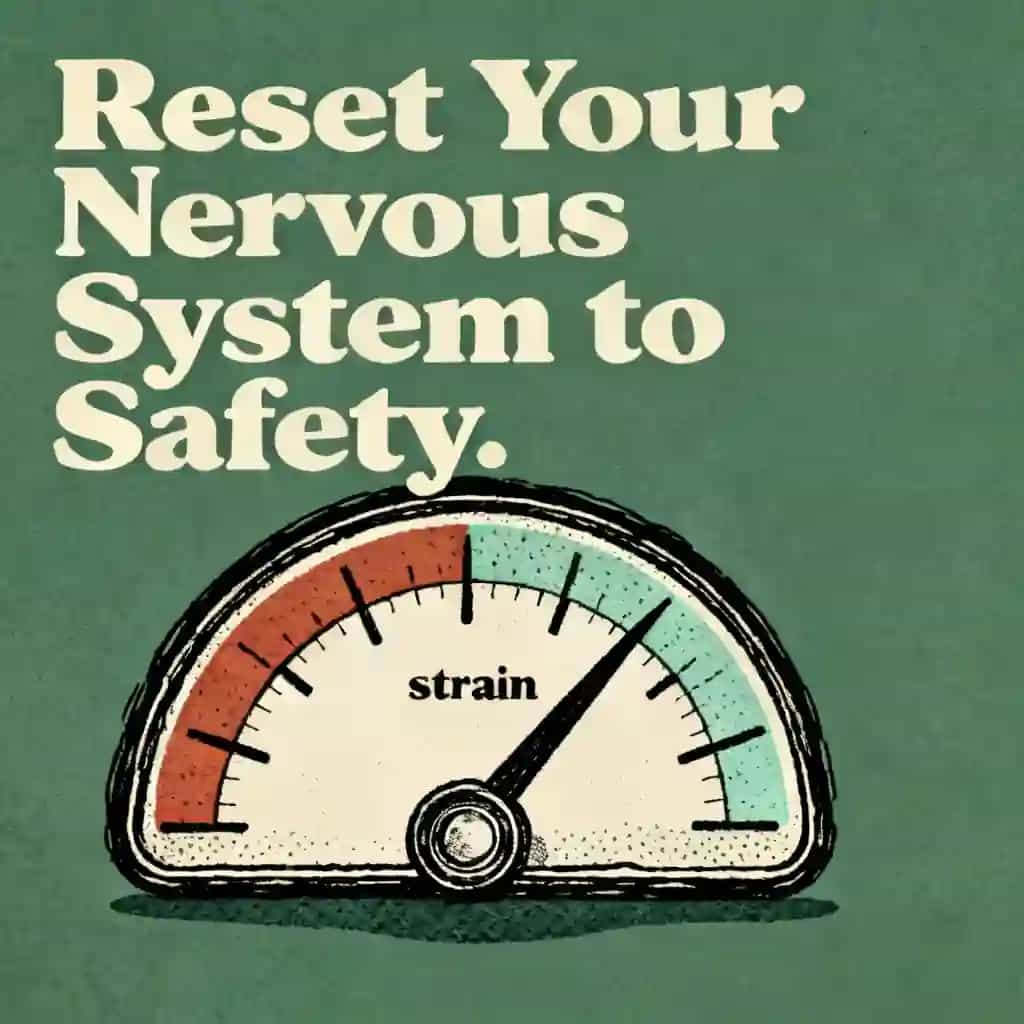
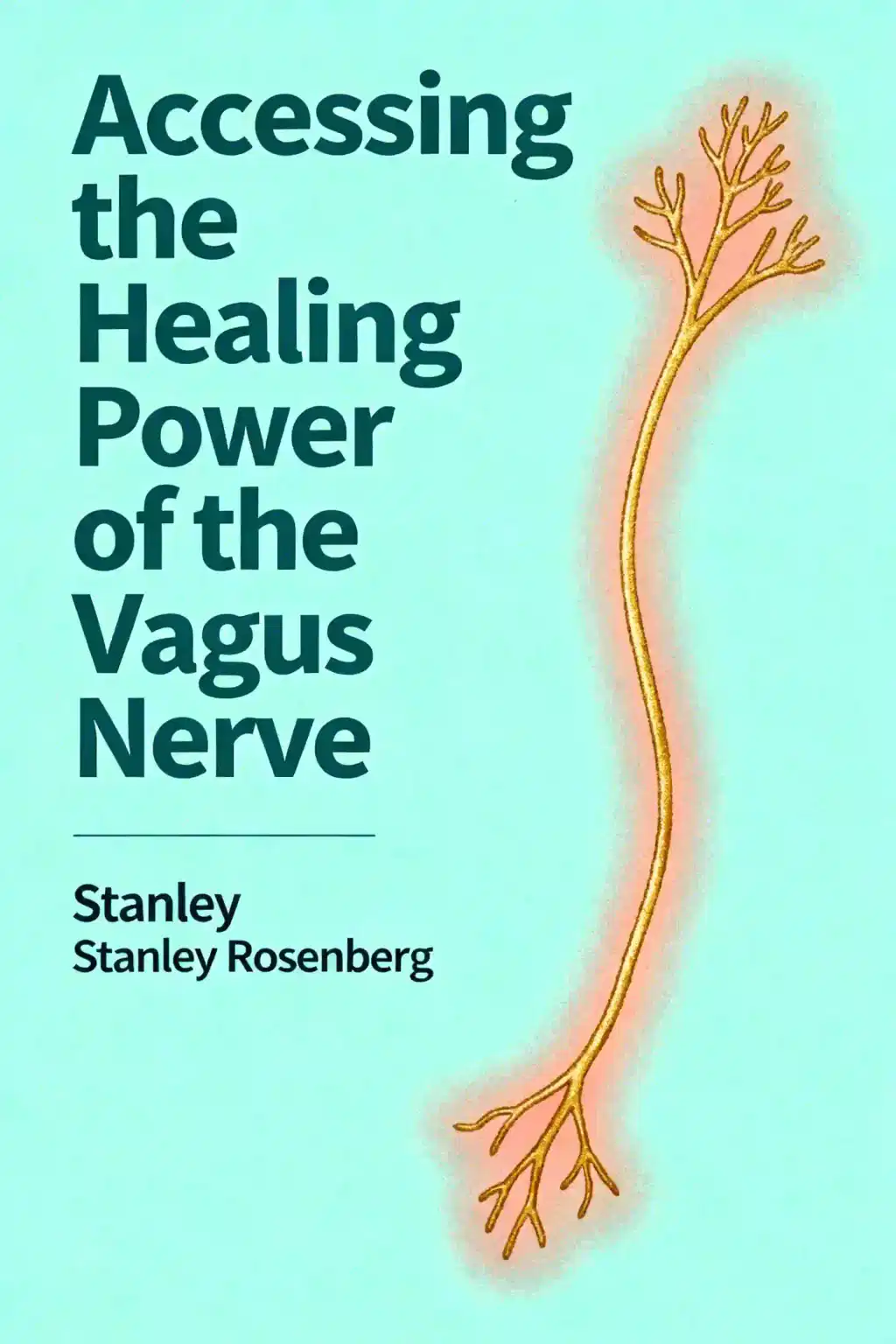
The Vagus Nerve acts as a reset button that can shift the body from "fight-or-flight" mode into "rest-and-digest" mode. The fastest way to trigger this is through specific breathing ratios where the exhale is longer than the inhale. Techniques like the "Physiological Sigh"—a double inhale followed by a long, slow exhale—provide a chemical signal to the brain to stop the alarm response and physically drop tension in the body.
Creado por exalumnos de la Universidad de Columbia en San Francisco
"Instead of endless scrolling, I just hit play on BeFreed. It saves me so much time."


"I never knew where to start with nonfiction—BeFreed’s book lists turned into podcasts gave me a clear path."


"Perfect balance between learning and entertainment. Finished ‘Thinking, Fast and Slow’ on my commute this week."
"Crazy how much I learned while walking the dog. BeFreed = small habits → big gains."
"Reading used to feel like a chore. Now it’s just part of my lifestyle."

"Feels effortless compared to reading. I’ve finished 6 books this month already."
"BeFreed turned my guilty doomscrolling into something that feels productive and inspiring."

"BeFreed turned my commute into learning time. 20-min podcasts are perfect for finishing books I never had time for."
"BeFreed replaced my podcast queue. Imagine Spotify for books — that’s it. 🙌"

"It is great for me to learn something from the book without reading it."
"The themed book list podcasts help me connect ideas across authors—like a guided audio journey."
"Makes me feel smarter every time before going to work"
Creado por exalumnos de la Universidad de Columbia en San Francisco
"Instead of endless scrolling, I just hit play on BeFreed. It saves me so much time."
"I never knew where to start with nonfiction—BeFreed’s book lists turned into podcasts gave me a clear path."
"Perfect balance between learning and entertainment. Finished ‘Thinking, Fast and Slow’ on my commute this week."
"Crazy how much I learned while walking the dog. BeFreed = small habits → big gains."
"Reading used to feel like a chore. Now it’s just part of my lifestyle."
"Feels effortless compared to reading. I’ve finished 6 books this month already."
"BeFreed turned my guilty doomscrolling into something that feels productive and inspiring."
"BeFreed turned my commute into learning time. 20-min podcasts are perfect for finishing books I never had time for."
"BeFreed replaced my podcast queue. Imagine Spotify for books — that’s it. 🙌"
"It is great for me to learn something from the book without reading it."
"The themed book list podcasts help me connect ideas across authors—like a guided audio journey."
"Makes me feel smarter every time before going to work"
"Instead of endless scrolling, I just hit play on BeFreed. It saves me so much time."
"I never knew where to start with nonfiction—BeFreed’s book lists turned into podcasts gave me a clear path."
"Perfect balance between learning and entertainment. Finished ‘Thinking, Fast and Slow’ on my commute this week."
"Crazy how much I learned while walking the dog. BeFreed = small habits → big gains."
"Reading used to feel like a chore. Now it’s just part of my lifestyle."
"Feels effortless compared to reading. I’ve finished 6 books this month already."
"BeFreed turned my guilty doomscrolling into something that feels productive and inspiring."
"BeFreed turned my commute into learning time. 20-min podcasts are perfect for finishing books I never had time for."
"BeFreed replaced my podcast queue. Imagine Spotify for books — that’s it. 🙌"
"It is great for me to learn something from the book without reading it."
"The themed book list podcasts help me connect ideas across authors—like a guided audio journey."
"Makes me feel smarter every time before going to work"
"Instead of endless scrolling, I just hit play on BeFreed. It saves me so much time."
"I never knew where to start with nonfiction—BeFreed’s book lists turned into podcasts gave me a clear path."
"Perfect balance between learning and entertainment. Finished ‘Thinking, Fast and Slow’ on my commute this week."
"Crazy how much I learned while walking the dog. BeFreed = small habits → big gains."
"Reading used to feel like a chore. Now it’s just part of my lifestyle."
"Feels effortless compared to reading. I’ve finished 6 books this month already."
"BeFreed turned my guilty doomscrolling into something that feels productive and inspiring."
"BeFreed turned my commute into learning time. 20-min podcasts are perfect for finishing books I never had time for."
"BeFreed replaced my podcast queue. Imagine Spotify for books — that’s it. 🙌"
"It is great for me to learn something from the book without reading it."
"The themed book list podcasts help me connect ideas across authors—like a guided audio journey."
"Makes me feel smarter every time before going to work"