The 90-Second Rule for Emotional Mastery
Discover the neuroscience of emotional control and learn how to transform gut reactions into strategic responses using the 90-second rule.

Mejor cita de The 90-Second Rule for Emotional Mastery
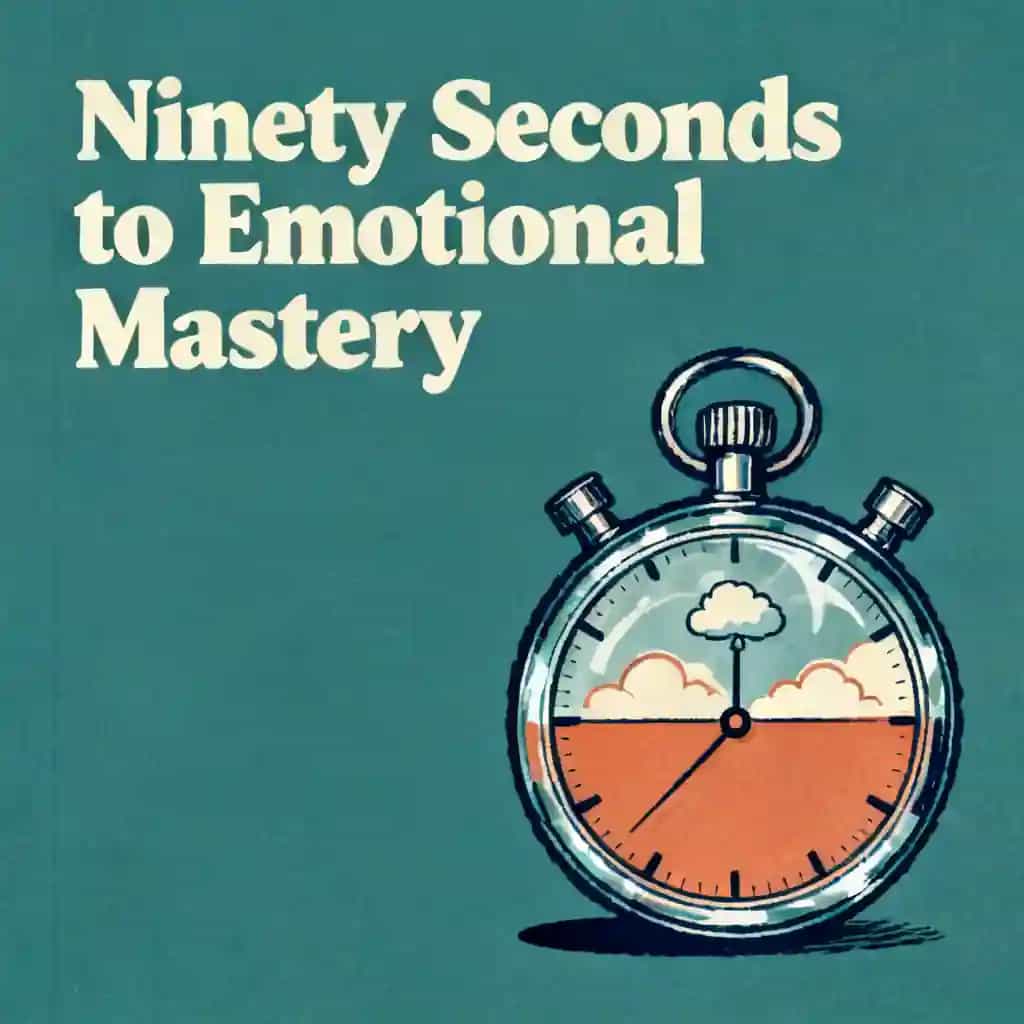
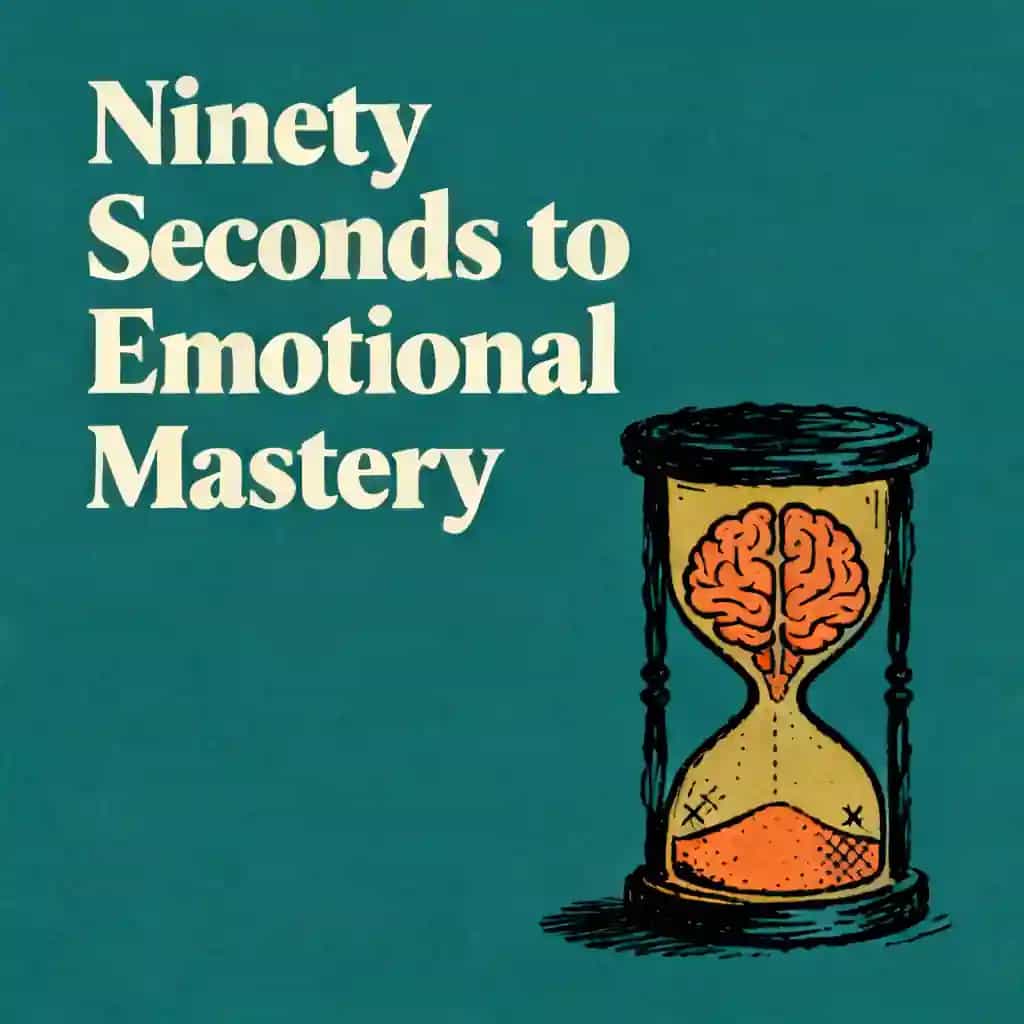
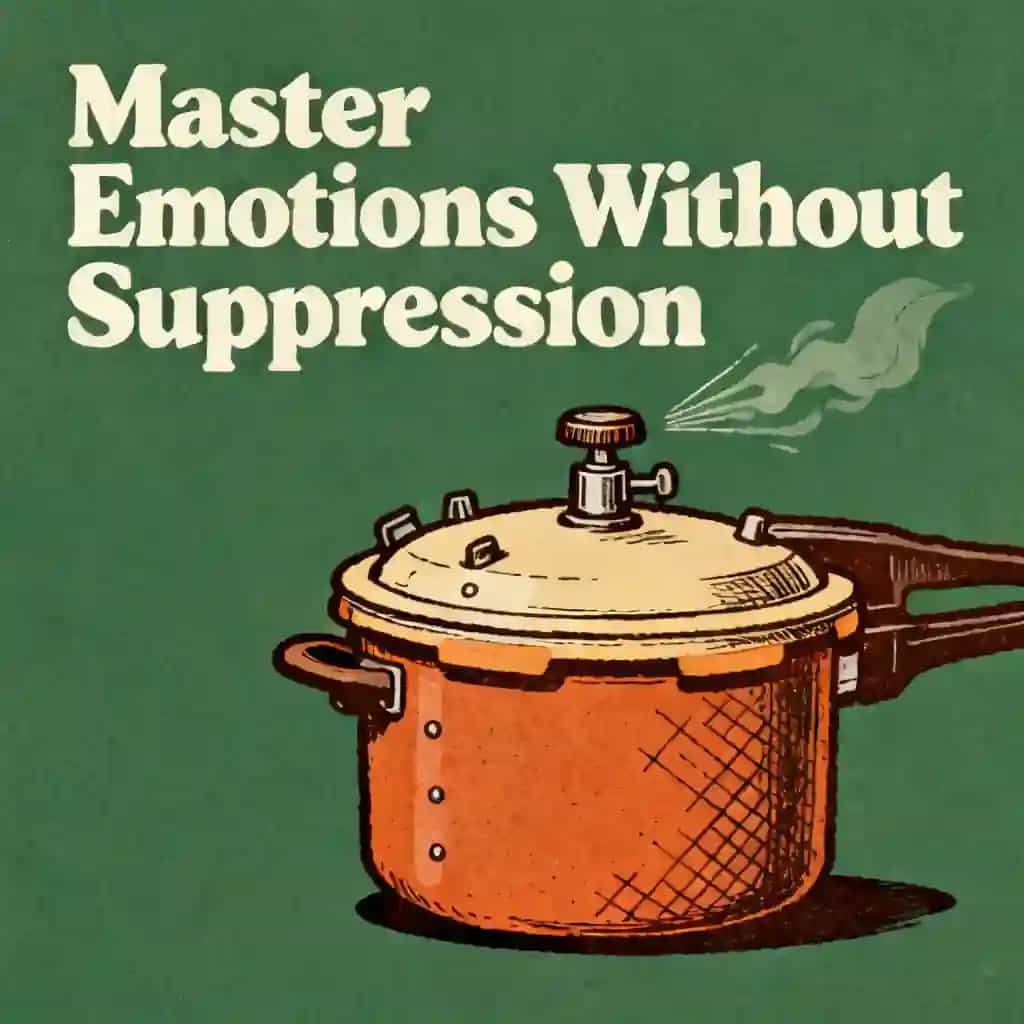
The physiological surge of an emotion actually only lasts about 90 seconds; it only stays longer if we fuel it with repetitive thinking. Real control isn't about shutting emotions down, but viewing them as internal signals and navigating the wave.
Generated by Jeffersan
Control of emotions

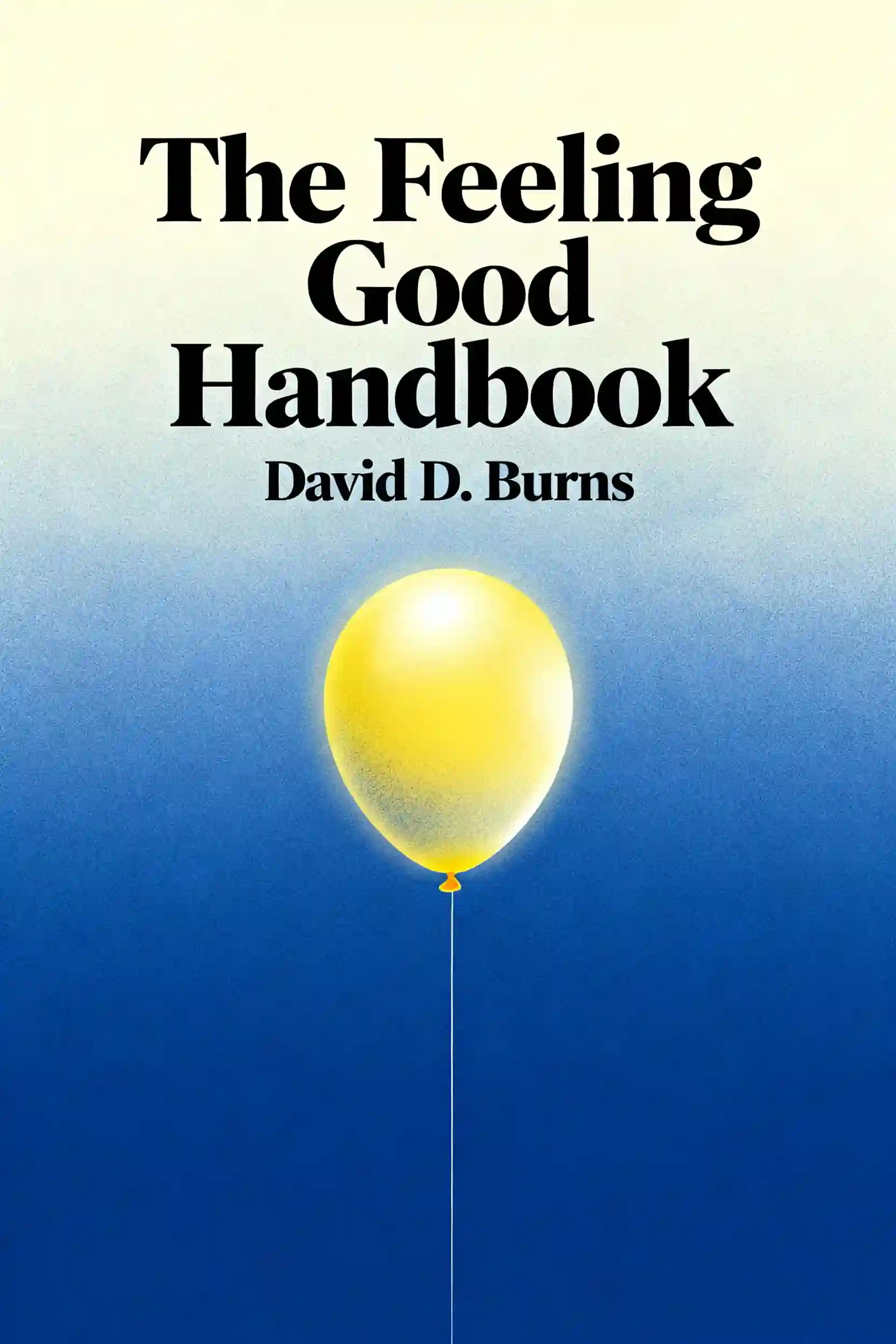
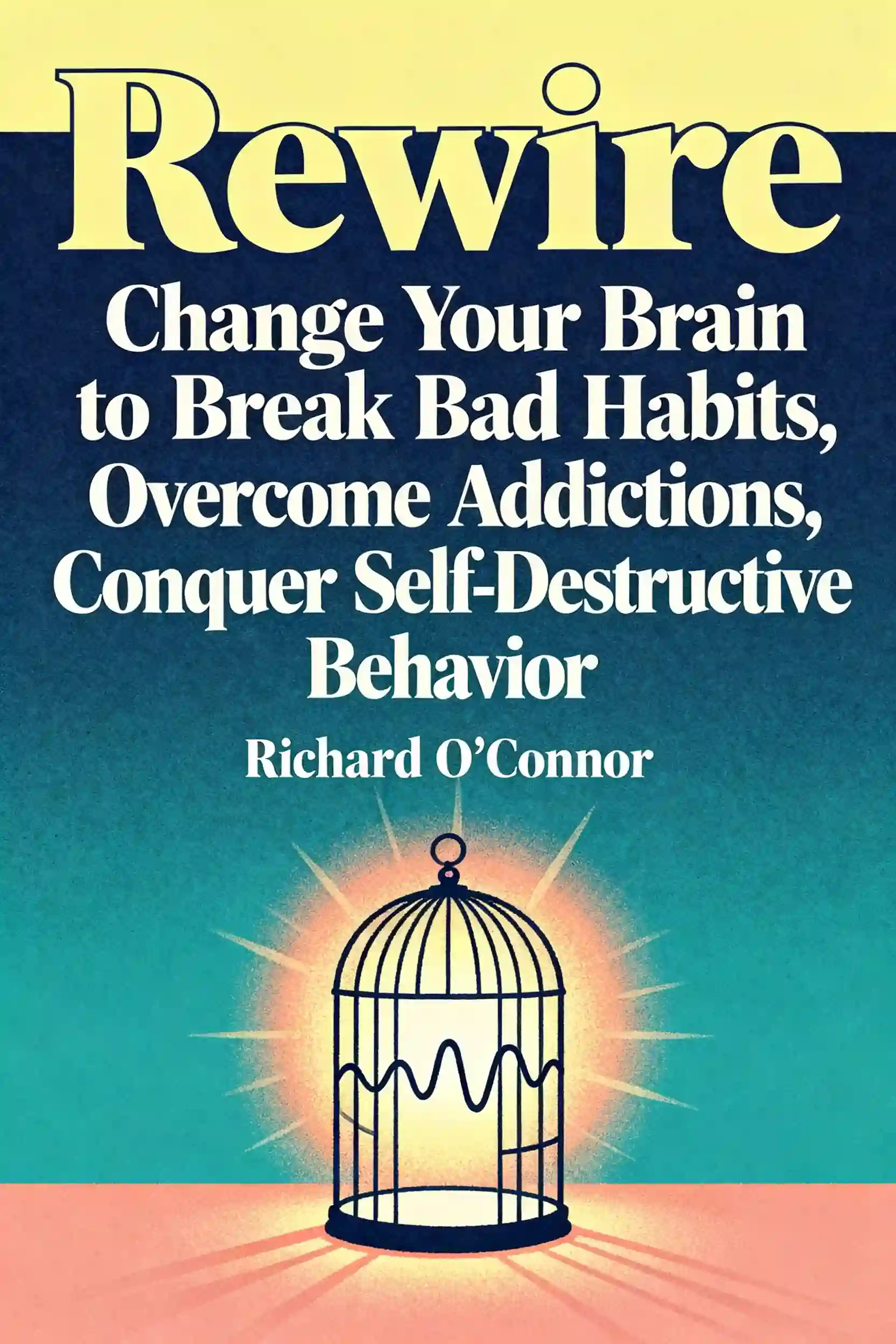
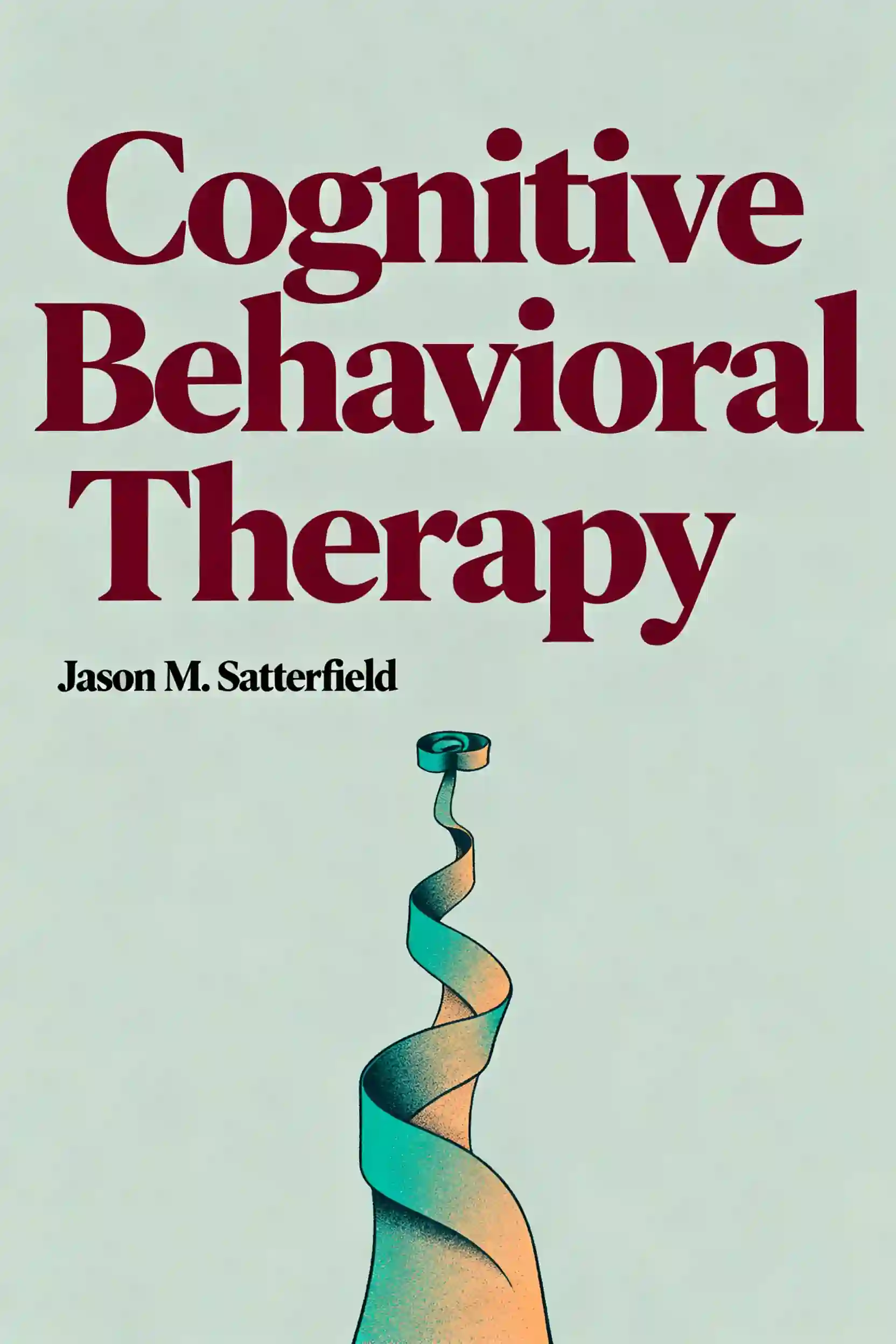
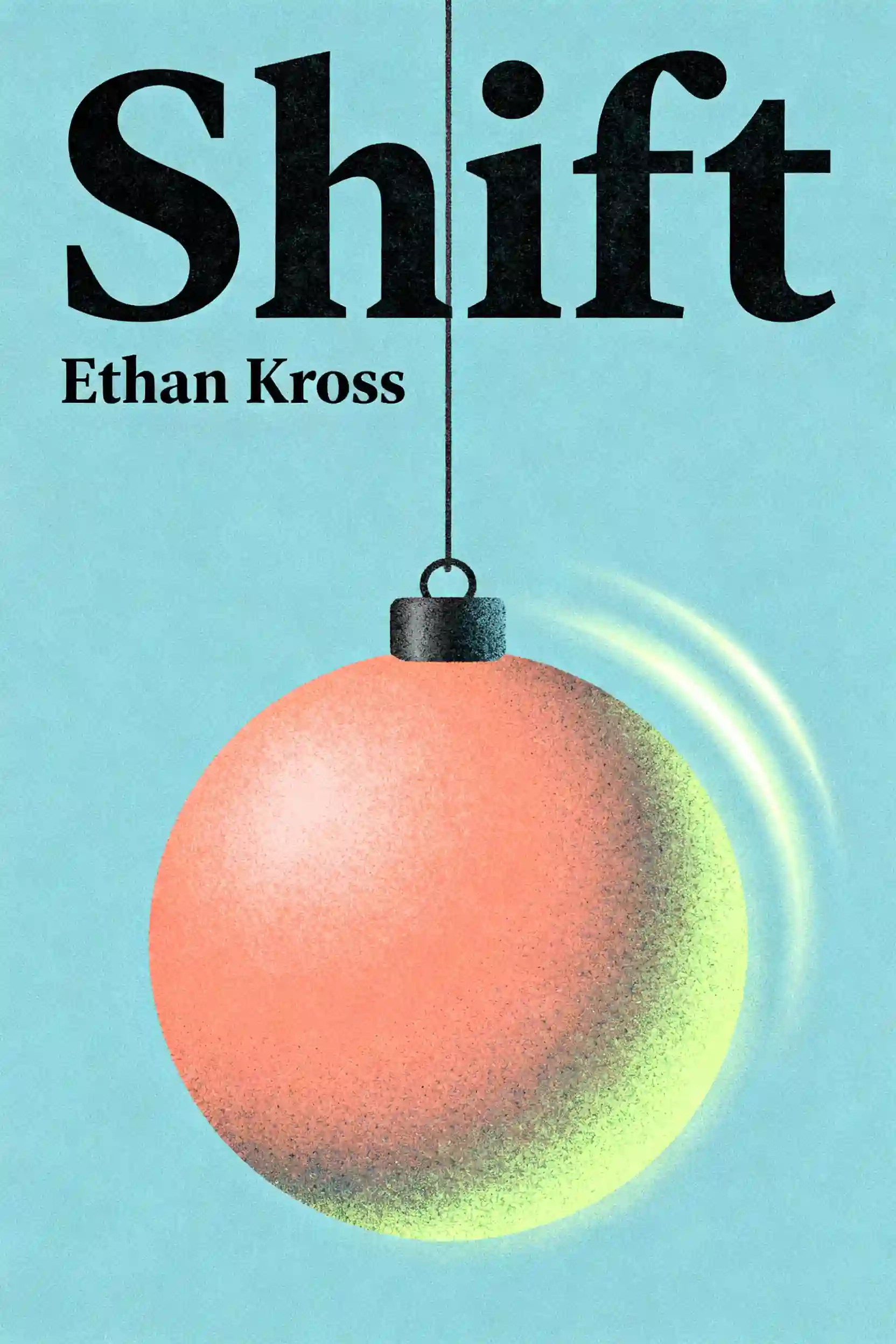
Preguntas frecuentes
The 90-second rule is a neuroscientific insight stating that the actual physiological surge of an emotion—the chemical dump of adrenaline and other hormones—only lasts for about a minute and a half. An emotion only persists longer than this window if we "fuel" it with repetitive thinking or ruminating. By recognizing this brief timeline, individuals can learn to navigate the wave of a feeling rather than trying to suppress it or allowing it to spiral into a hours-long event.
The Physiological Sigh is a mechanical "kill switch" for the sympathetic nervous system (the fight-or-flight mode). It involves taking a deep breath in through the nose, followed by a second shorter "sip" of air to fully inflate the lung's air sacs, and then a long, slow exhale through the mouth. This specific pattern triggers the Vagus Nerve to signal the heart to slow down, effectively engaging the parasympathetic nervous system to bring the body back to a state of calm.
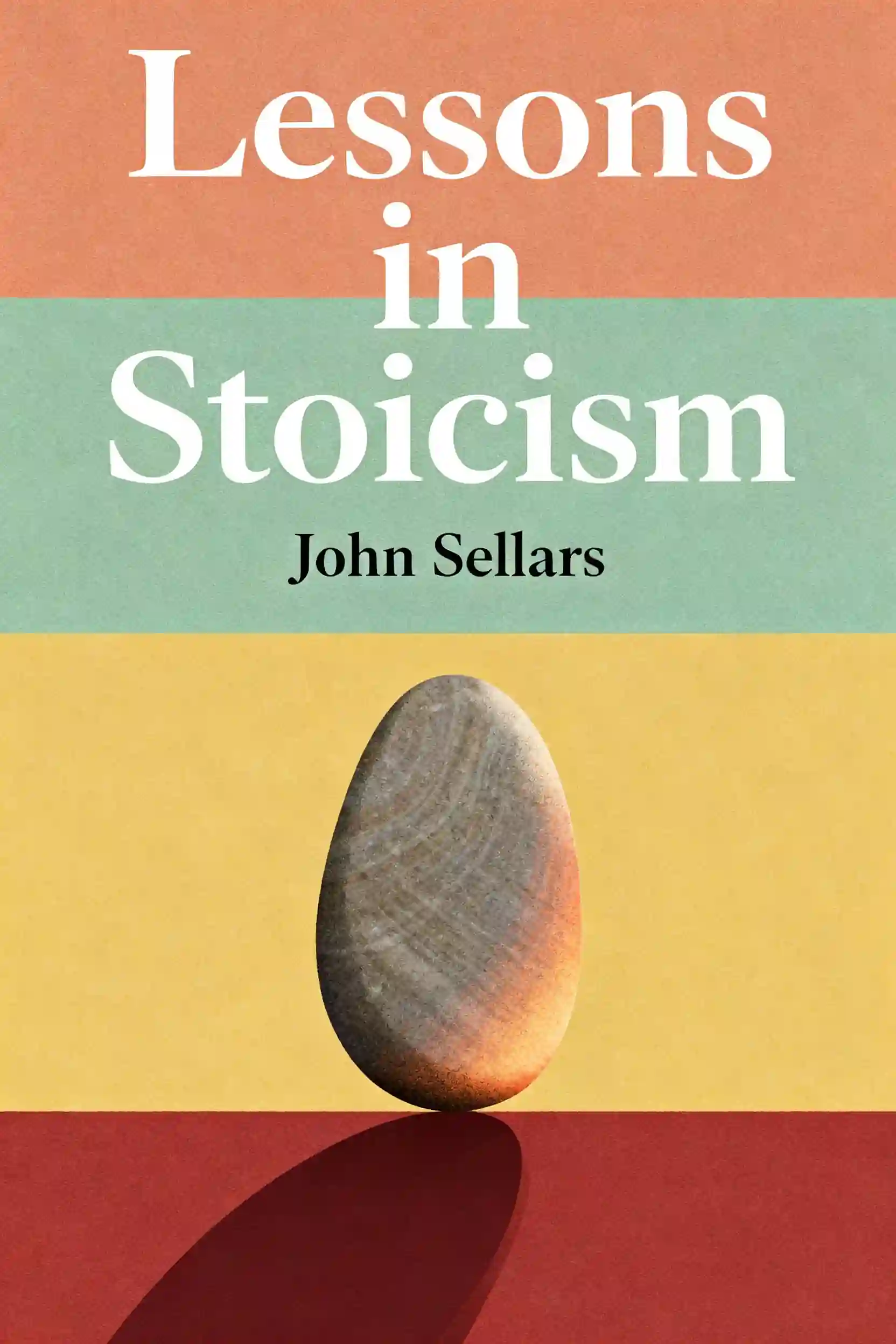
The Dichotomy of Control is a mental framework used to reduce distress by categorizing all situations into two columns: things we can control and things we cannot. According to this principle, we should focus exclusively on our own opinions, intentions, and actions, while accepting that external factors like the weather, the economy, or other people's opinions are outside our influence. By focusing only on the "controllable" column, a person can maintain psychological stability even in high-pressure environments.
This struggle is due to a biological imbalance in brain development where the "bottom-up" emotional systems, like the amygdala, are fully online early in life, but the "top-down" control center, the Prefrontal Cortex (PFC), does not fully mature until the mid-twenties. Essentially, young people have a high-powered emotional engine without fully developed biological brakes. Adults can help by "scaffolding" or lending their own regulated nervous systems to children through calm social cues and teaching specific cognitive distancing techniques.
The Sympathetic Nervous System (SNS) is the body's "gas pedal," responsible for the fight-or-flight response that prepares the body for perceived threats by increasing heart rate and releasing adrenaline. The Parasympathetic Nervous System (PNS) acts as the "brake," responsible for the "rest and digest" state that returns the body to homeostasis. Chronic stress occurs when the SNS is constantly activated by modern triggers like notifications and deadlines, preventing the PNS brake from fully engaging.
Creado por exalumnos de la Universidad de Columbia en San Francisco
"Instead of endless scrolling, I just hit play on BeFreed. It saves me so much time."


"I never knew where to start with nonfiction—BeFreed’s book lists turned into podcasts gave me a clear path."


"Perfect balance between learning and entertainment. Finished ‘Thinking, Fast and Slow’ on my commute this week."
"Crazy how much I learned while walking the dog. BeFreed = small habits → big gains."
"Reading used to feel like a chore. Now it’s just part of my lifestyle."

"Feels effortless compared to reading. I’ve finished 6 books this month already."
"BeFreed turned my guilty doomscrolling into something that feels productive and inspiring."

"BeFreed turned my commute into learning time. 20-min podcasts are perfect for finishing books I never had time for."
"BeFreed replaced my podcast queue. Imagine Spotify for books — that’s it. 🙌"

"It is great for me to learn something from the book without reading it."
"The themed book list podcasts help me connect ideas across authors—like a guided audio journey."
"Makes me feel smarter every time before going to work"
Creado por exalumnos de la Universidad de Columbia en San Francisco
"Instead of endless scrolling, I just hit play on BeFreed. It saves me so much time."
"I never knew where to start with nonfiction—BeFreed’s book lists turned into podcasts gave me a clear path."
"Perfect balance between learning and entertainment. Finished ‘Thinking, Fast and Slow’ on my commute this week."
"Crazy how much I learned while walking the dog. BeFreed = small habits → big gains."
"Reading used to feel like a chore. Now it’s just part of my lifestyle."
"Feels effortless compared to reading. I’ve finished 6 books this month already."
"BeFreed turned my guilty doomscrolling into something that feels productive and inspiring."
"BeFreed turned my commute into learning time. 20-min podcasts are perfect for finishing books I never had time for."
"BeFreed replaced my podcast queue. Imagine Spotify for books — that’s it. 🙌"
"It is great for me to learn something from the book without reading it."
"The themed book list podcasts help me connect ideas across authors—like a guided audio journey."
"Makes me feel smarter every time before going to work"
"Instead of endless scrolling, I just hit play on BeFreed. It saves me so much time."
"I never knew where to start with nonfiction—BeFreed’s book lists turned into podcasts gave me a clear path."
"Perfect balance between learning and entertainment. Finished ‘Thinking, Fast and Slow’ on my commute this week."
"Crazy how much I learned while walking the dog. BeFreed = small habits → big gains."
"Reading used to feel like a chore. Now it’s just part of my lifestyle."
"Feels effortless compared to reading. I’ve finished 6 books this month already."
"BeFreed turned my guilty doomscrolling into something that feels productive and inspiring."
"BeFreed turned my commute into learning time. 20-min podcasts are perfect for finishing books I never had time for."
"BeFreed replaced my podcast queue. Imagine Spotify for books — that’s it. 🙌"
"It is great for me to learn something from the book without reading it."
"The themed book list podcasts help me connect ideas across authors—like a guided audio journey."
"Makes me feel smarter every time before going to work"
"Instead of endless scrolling, I just hit play on BeFreed. It saves me so much time."
"I never knew where to start with nonfiction—BeFreed’s book lists turned into podcasts gave me a clear path."
"Perfect balance between learning and entertainment. Finished ‘Thinking, Fast and Slow’ on my commute this week."
"Crazy how much I learned while walking the dog. BeFreed = small habits → big gains."
"Reading used to feel like a chore. Now it’s just part of my lifestyle."
"Feels effortless compared to reading. I’ve finished 6 books this month already."
"BeFreed turned my guilty doomscrolling into something that feels productive and inspiring."
"BeFreed turned my commute into learning time. 20-min podcasts are perfect for finishing books I never had time for."
"BeFreed replaced my podcast queue. Imagine Spotify for books — that’s it. 🙌"
"It is great for me to learn something from the book without reading it."
"The themed book list podcasts help me connect ideas across authors—like a guided audio journey."
"Makes me feel smarter every time before going to work"