Stop people-pleasing and reclaim your life
Struggling to say no? Discover why people-pleasing is a survival response and how to set boundaries that end resentment and prevent burnout.

Mejor cita de Stop people-pleasing and reclaim your life
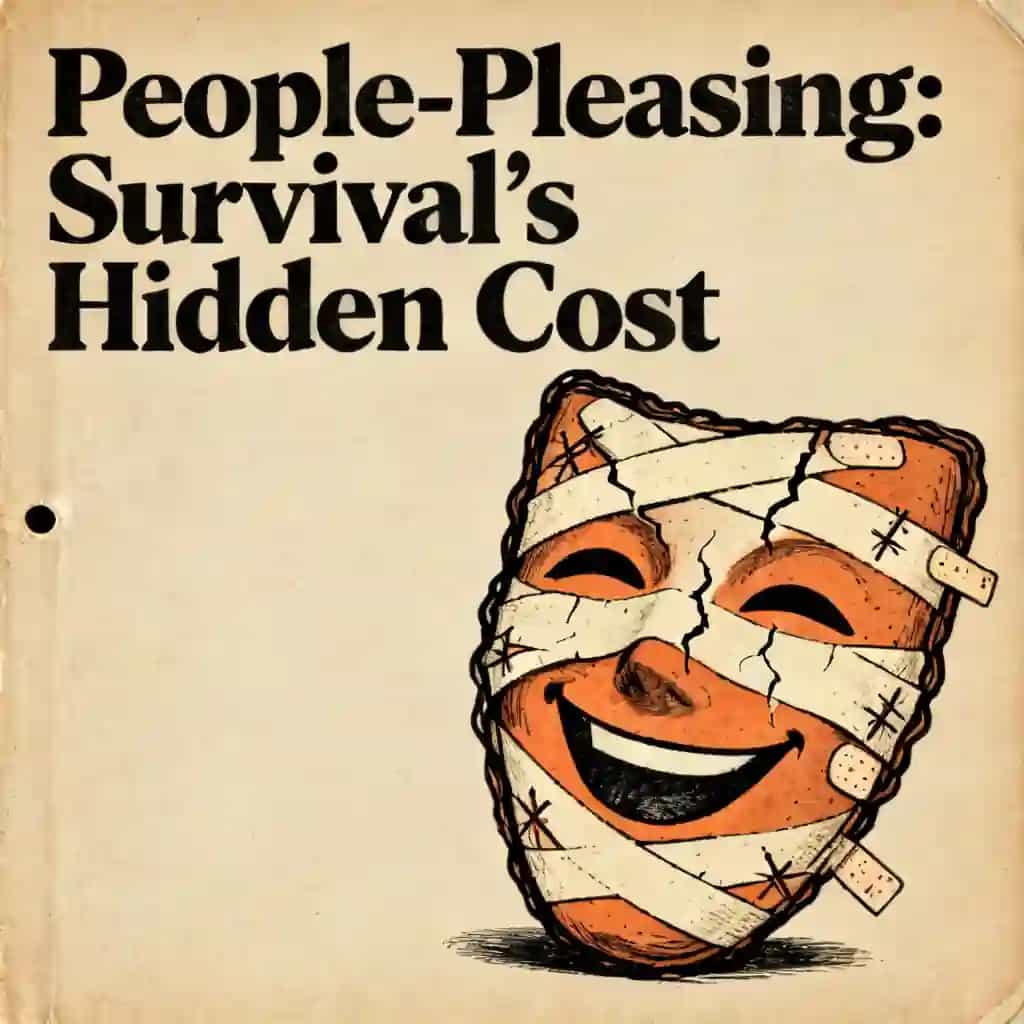
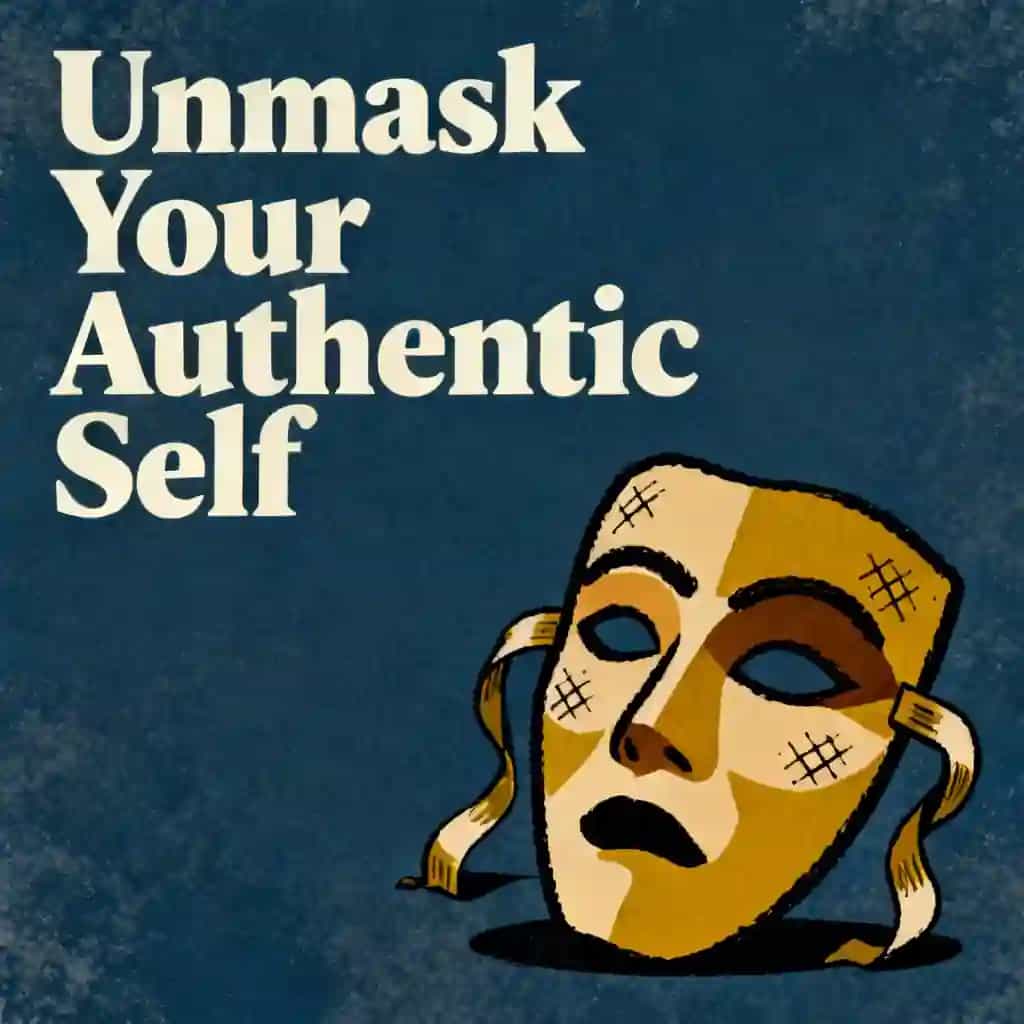
We often frame people-pleasing as just being 'nice,' but it’s actually a sophisticated survival strategy where your nervous system learned that keeping everyone else comfortable was the only way to stay safe and loved.
Generated by Mick
I want to stop being a people pleaser and live my best life

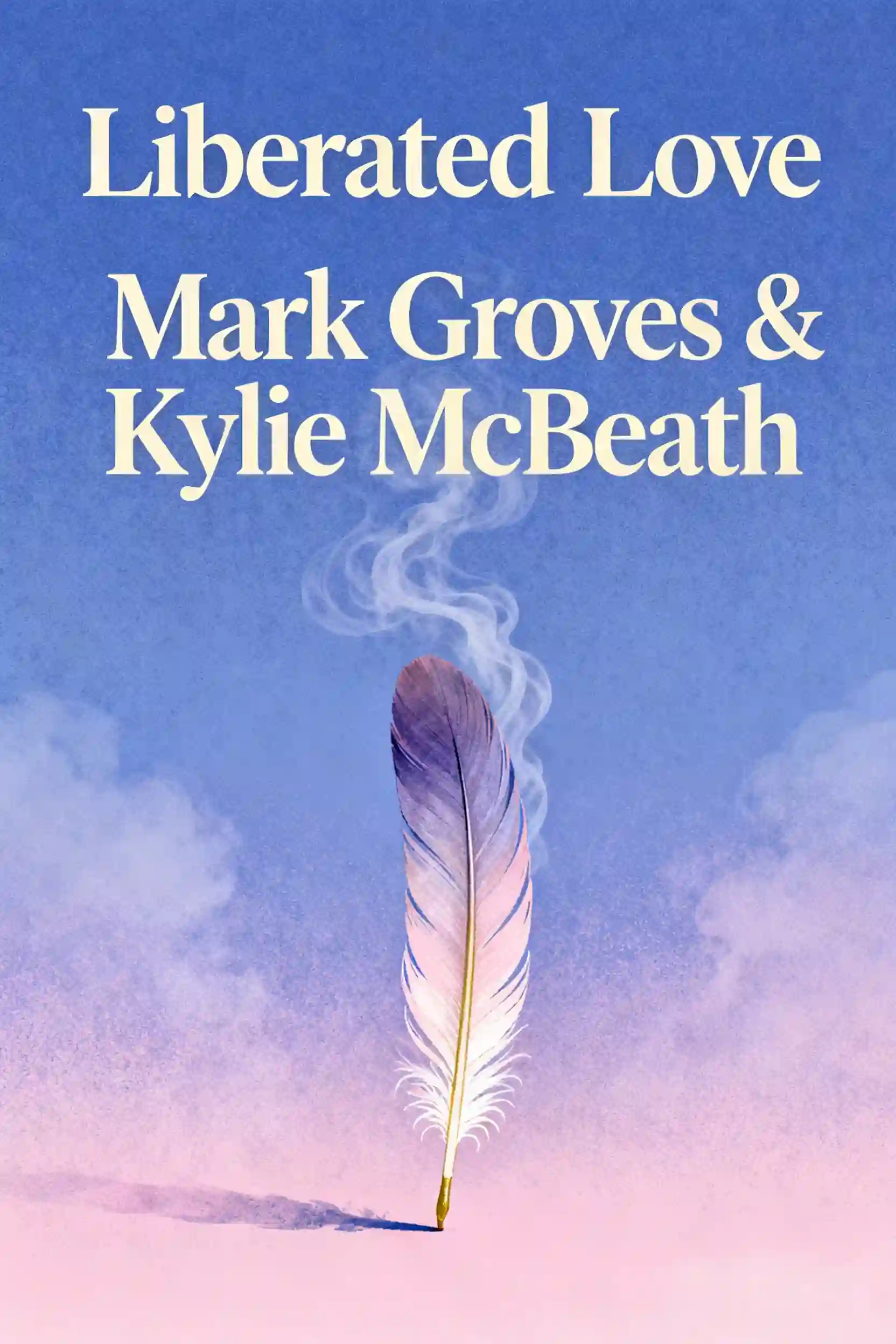
![Facing Codependence [ABRIDGED]](https://d1y2du6z1jfm9e.cloudfront.net/covers/1d91cc59-653c-487c-bb06-0a03ac09820d/image_resized.webp)
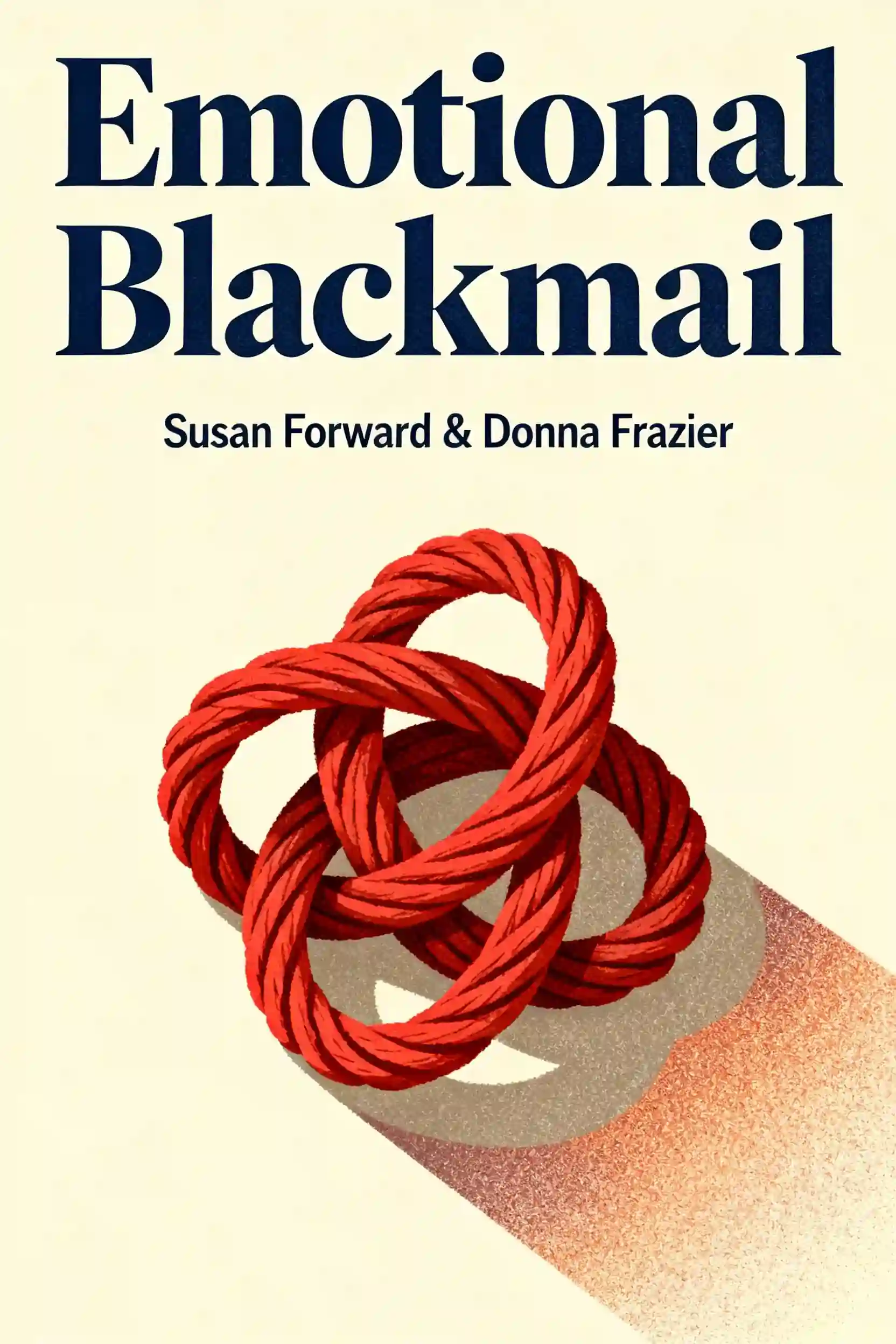
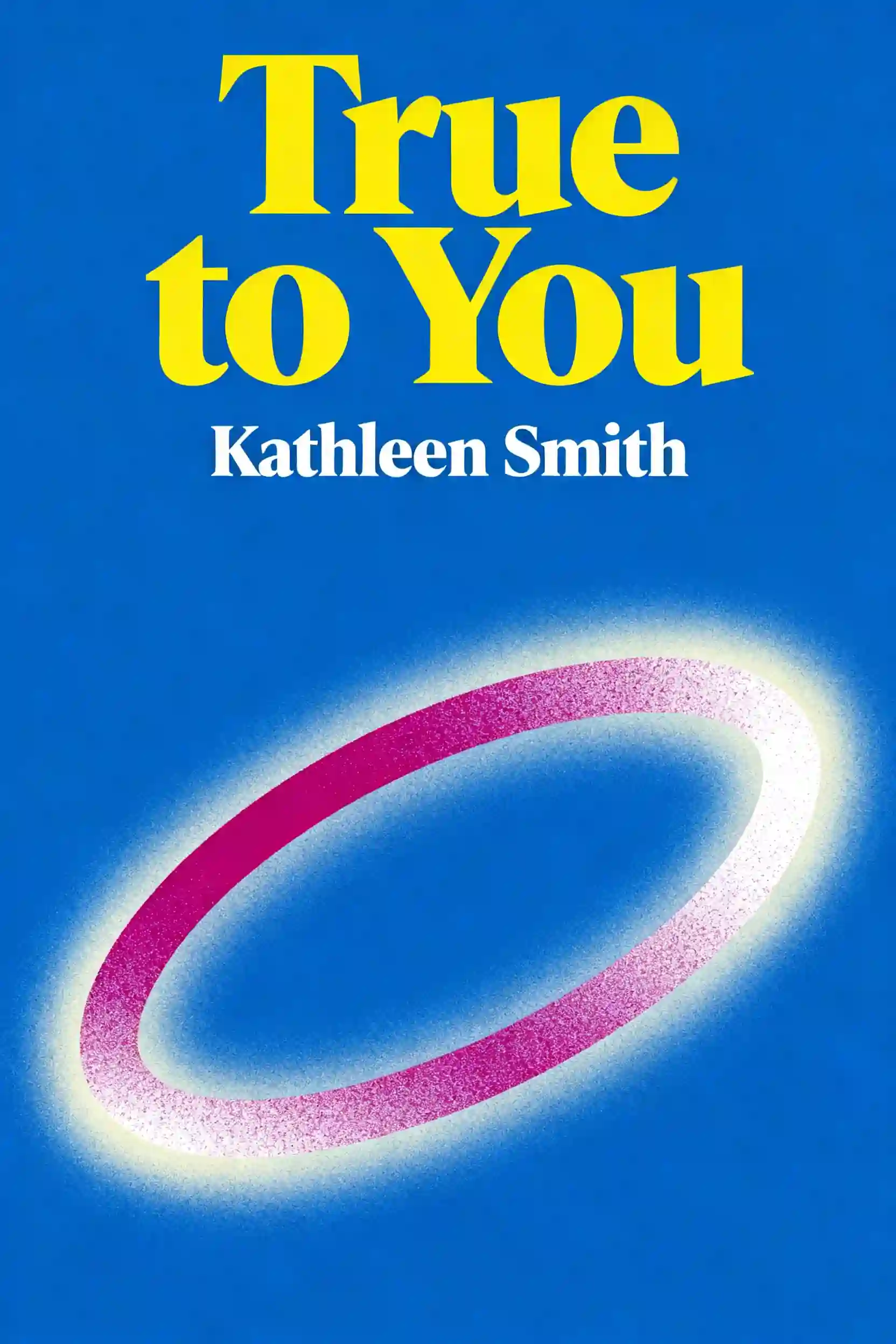
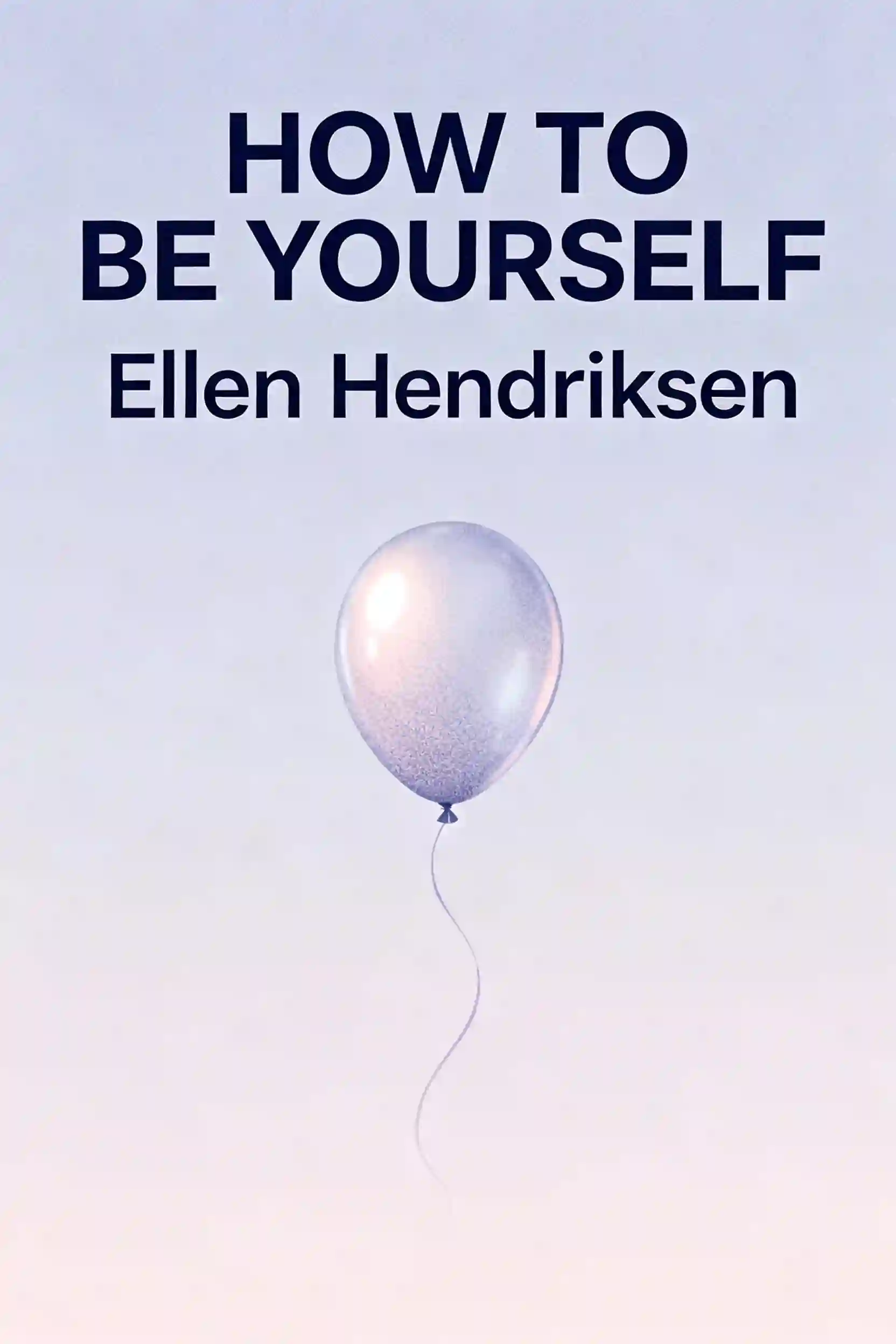
Preguntas frecuentes
This reaction is often a survival strategy known as the "fawn response." Much like fight, flight, or freeze, fawning is a nervous system adaptation where a person attempts to stay safe by merging with a potential threat or keeping others comfortable. If you grew up in an environment where love felt conditional or moods were volatile, your body learned that pleasing others was the only way to maintain safety. Over time, this becomes an automatic "software" that runs in your adulthood, making a "no" feel like a life-or-death emergency to your brain.
De-selfing occurs when you spend so much time calibrated to the expectations and needs of others that you lose touch with your own preferences and desires. This constant state of being a "human thermostat"—regulating everyone else's emotional temperature—causes the "desire muscle" to atrophy. People experiencing this may find themselves freezing when asked simple questions about what they want, such as what to eat for dinner, because they have spent decades prioritizing external demands over internal truths.
In a professional setting, people-pleasing is often mistaken for high performance, but it acts as a "hidden tax" that leads to burnout and resentment. Research into "sociotropy"—the excessive concern with pleasing others—shows a significant correlation with anxiety, depression, and physical symptoms like tension headaches or digestive issues. Because the body remains in a low-level state of chronic stress while monitoring for social danger, it can even lead to "swallowing your needs," such as eating food you don't want just to make others feel comfortable.
The Resentment Inventory is a tool that reframes bitterness as a helpful map rather than a negative emotion. Resentment is a signal that a boundary has been crossed, usually because you said "yes" when you actually meant "no." By looking at where you feel drained or bitter, you can identify exactly where a boundary needs to be placed. Using this inventory helps you move away from reactive "compliance" and toward "chosen generosity," where you give from a place of fullness rather than fear.
One of the most effective methods is "building the pause" to interrupt the automatic reflex to agree. Using scripts like "Let me check my calendar and get back to you" buys the nervous system time to settle and check for physical signs of discomfort. Additionally, adopting the "24-Hour Rule" for non-urgent requests and using "I don't" instead of "I can't" helps establish firm policies rather than negotiable excuses. Starting with "micro-confrontations," such as sending back an incorrect food order, helps build the muscle needed for larger boundaries.
Creado por exalumnos de la Universidad de Columbia en San Francisco
BeFreed Reúne a una Comunidad Global de Mentes Curiosas


"Instead of endless scrolling, I just hit play on BeFreed. It saves me so much time."


"I never knew where to start with nonfiction—BeFreed’s book lists turned into podcasts gave me a clear path."


"Perfect balance between learning and entertainment. Finished ‘Thinking, Fast and Slow’ on my commute this week."
"Crazy how much I learned while walking the dog. BeFreed = small habits → big gains."
"Reading used to feel like a chore. Now it’s just part of my lifestyle."

"Feels effortless compared to reading. I’ve finished 6 books this month already."
"BeFreed turned my guilty doomscrolling into something that feels productive and inspiring."

"BeFreed turned my commute into learning time. 20-min podcasts are perfect for finishing books I never had time for."
"BeFreed replaced my podcast queue. Imagine Spotify for books — that’s it. 🙌"

"It is great for me to learn something from the book without reading it."
"The themed book list podcasts help me connect ideas across authors—like a guided audio journey."
"Makes me feel smarter every time before going to work"
Creado por exalumnos de la Universidad de Columbia en San Francisco
BeFreed Reúne a una Comunidad Global de Mentes Curiosas
"Instead of endless scrolling, I just hit play on BeFreed. It saves me so much time."
"I never knew where to start with nonfiction—BeFreed’s book lists turned into podcasts gave me a clear path."
"Perfect balance between learning and entertainment. Finished ‘Thinking, Fast and Slow’ on my commute this week."
"Crazy how much I learned while walking the dog. BeFreed = small habits → big gains."
"Reading used to feel like a chore. Now it’s just part of my lifestyle."
"Feels effortless compared to reading. I’ve finished 6 books this month already."
"BeFreed turned my guilty doomscrolling into something that feels productive and inspiring."
"BeFreed turned my commute into learning time. 20-min podcasts are perfect for finishing books I never had time for."
"BeFreed replaced my podcast queue. Imagine Spotify for books — that’s it. 🙌"
"It is great for me to learn something from the book without reading it."
"The themed book list podcasts help me connect ideas across authors—like a guided audio journey."
"Makes me feel smarter every time before going to work"
"Instead of endless scrolling, I just hit play on BeFreed. It saves me so much time."
"I never knew where to start with nonfiction—BeFreed’s book lists turned into podcasts gave me a clear path."
"Perfect balance between learning and entertainment. Finished ‘Thinking, Fast and Slow’ on my commute this week."
"Crazy how much I learned while walking the dog. BeFreed = small habits → big gains."
"Reading used to feel like a chore. Now it’s just part of my lifestyle."
"Feels effortless compared to reading. I’ve finished 6 books this month already."
"BeFreed turned my guilty doomscrolling into something that feels productive and inspiring."
"BeFreed turned my commute into learning time. 20-min podcasts are perfect for finishing books I never had time for."
"BeFreed replaced my podcast queue. Imagine Spotify for books — that’s it. 🙌"
"It is great for me to learn something from the book without reading it."
"The themed book list podcasts help me connect ideas across authors—like a guided audio journey."
"Makes me feel smarter every time before going to work"
"Instead of endless scrolling, I just hit play on BeFreed. It saves me so much time."
"I never knew where to start with nonfiction—BeFreed’s book lists turned into podcasts gave me a clear path."
"Perfect balance between learning and entertainment. Finished ‘Thinking, Fast and Slow’ on my commute this week."
"Crazy how much I learned while walking the dog. BeFreed = small habits → big gains."
"Reading used to feel like a chore. Now it’s just part of my lifestyle."
"Feels effortless compared to reading. I’ve finished 6 books this month already."
"BeFreed turned my guilty doomscrolling into something that feels productive and inspiring."
"BeFreed turned my commute into learning time. 20-min podcasts are perfect for finishing books I never had time for."
"BeFreed replaced my podcast queue. Imagine Spotify for books — that’s it. 🙌"
"It is great for me to learn something from the book without reading it."
"The themed book list podcasts help me connect ideas across authors—like a guided audio journey."
"Makes me feel smarter every time before going to work"