Building self-trust and staying grounded in relationships
Stop spiraling when your partner pulls away. Learn to decode your triggers and move from seeking reassurance to finding safety within yourself.

Mejor cita de Building self-trust and staying grounded in relationships
The goal isn't necessarily to stop the feeling, but to change how we relate to it. It’s about moving from reacting to their mood to responding from our own values and building an internal sense of worth that doesn't shake when the wind blows.
Generated by Laura
Help me build self-trust and self-worth in my relationship. I want to stop reacting to my partner’s behaviour and instead stay grounded in myself. Guide me to understand my emotional triggers, express my feelings calmly, and not take things personally. Teach me how to feel valued without needing constant reassurance, and how to respond in a way that aligns with confidence, calmness, and self-respect.


![Facing Codependence [ABRIDGED]](https://d1y2du6z1jfm9e.cloudfront.net/covers/1d91cc59-653c-487c-bb06-0a03ac09820d/image_resized.webp)
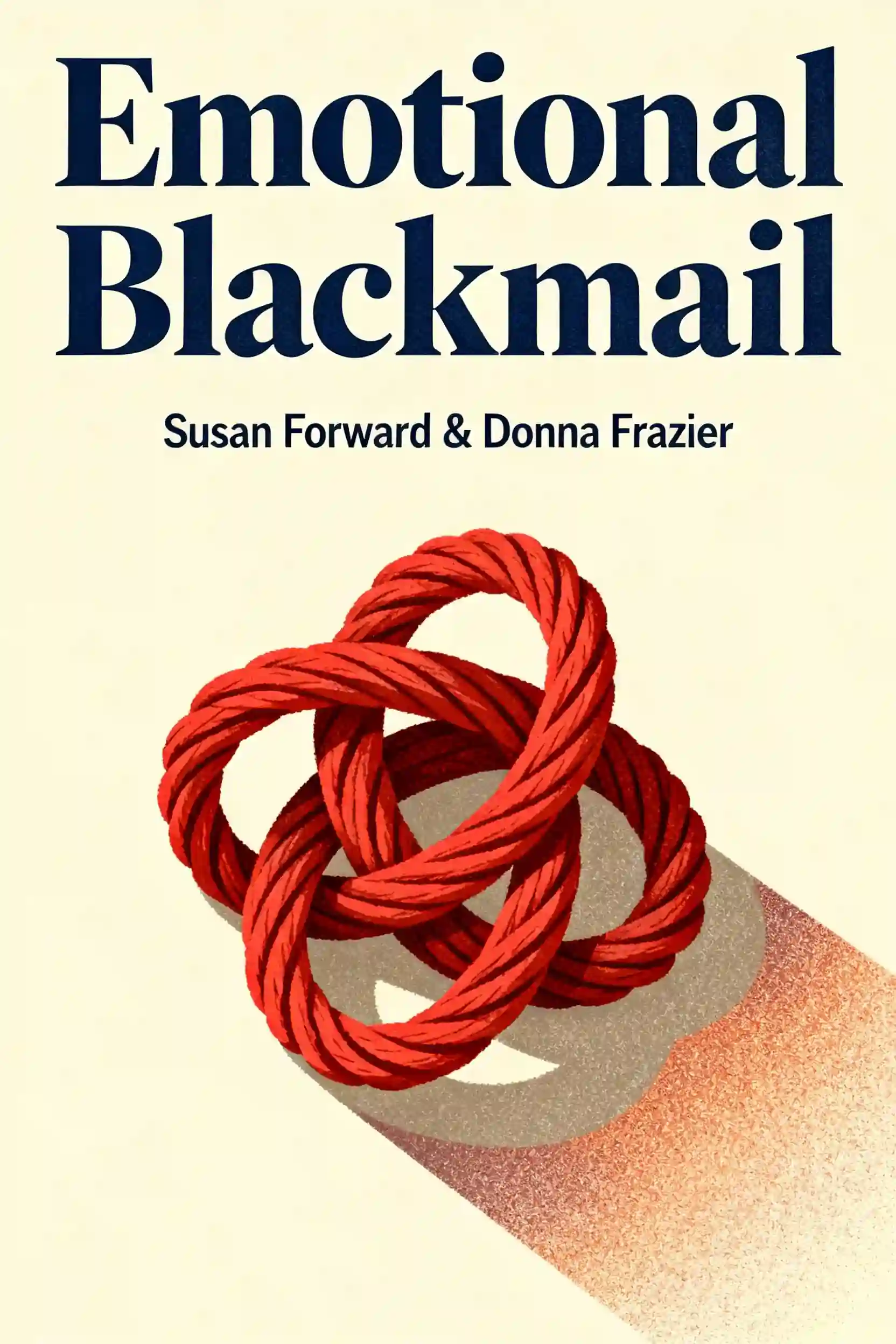
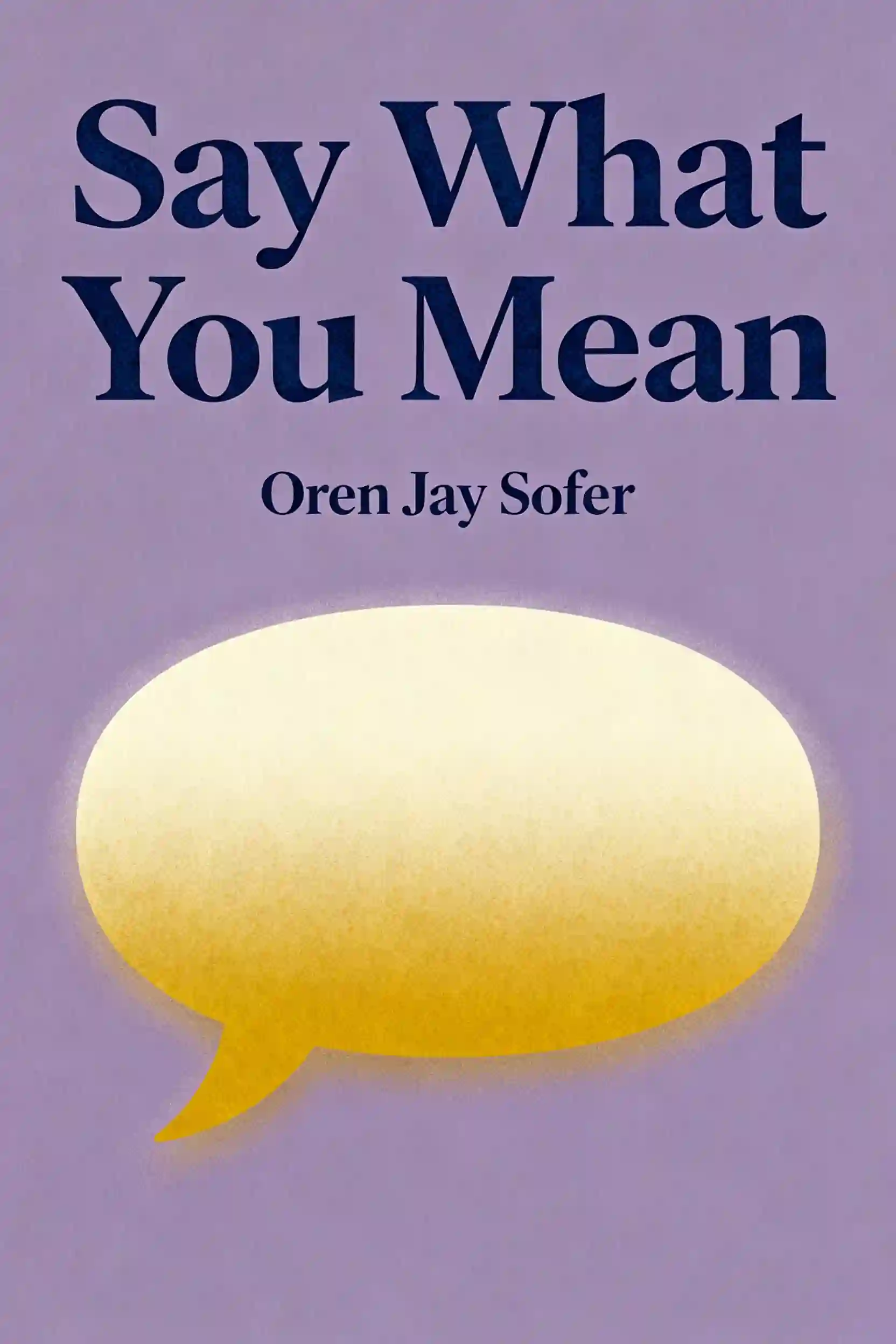
Preguntas frecuentes
This reaction is rooted in neurobiology rather than being a personality flaw. Research by Eisenberger and Lieberman shows that the brain processes social rejection or the threat of a broken connection in the same regions that process physical pain. When you feel a "pit in your stomach" or a racing heart, your amygdala has triggered an "Amygdala Hijack," bypassing your logical prefrontal cortex and putting your body into a survival mode designed to protect you from a perceived physical threat.
Outsourcing emotional safety happens when you rely entirely on your partner’s reassurance, mood, or validation to feel stable and secure. While hearing "I love you" feels good, depending on it for your internal regulation makes your stability fragile. If your partner has a bad day or is unavailable, your "base" crumbles. The goal is to move toward internal competence, where you trust your own ability to handle difficult emotions and stay grounded even when your partner is "wobbling."
The script suggests using a "Sacred Pause" to interrupt the momentum of a biological spiral. Since you cannot reason with a hijacked amygdala, you must speak the language of the nervous system through somatic tools. Techniques like the "Physiological Sigh" (two quick inhales and one long exhale) or the "5-4-3-2-1" grounding method help signal to your brain that you are physically safe. Labeling the emotion—a practice called "affect labeling"—also helps shift brain activity from the fear center back to the reasoning center.
To avoid triggering a defensive "Low Road" response in your partner, you should use "Softened Start-Ups" and focus on observations rather than judgments. Instead of using evaluative language like "You’re being selfish," state a neutral observation followed by your internal feeling and a specific need. For example, "I noticed you were on your phone while I was talking; I felt a bit unimportant, and I need some focused connection right now." This invites the partner into your "couple bubble" instead of attacking their character.
Internal self-trust is built on Competence, Benevolence, and Integrity. Competence is developed by keeping small promises to yourself, which proves you can handle your own emotions. Benevolence involves prioritizing your own well-being and asking what you need rather than people-pleasing to keep the peace. Integrity is acting in alignment with your core values even when you are upset. Together, these pillars help you move from "I need you to be okay so I can be okay" to a state of self-led connection.
Creado por exalumnos de la Universidad de Columbia en San Francisco
"Instead of endless scrolling, I just hit play on BeFreed. It saves me so much time."


"I never knew where to start with nonfiction—BeFreed’s book lists turned into podcasts gave me a clear path."


"Perfect balance between learning and entertainment. Finished ‘Thinking, Fast and Slow’ on my commute this week."
"Crazy how much I learned while walking the dog. BeFreed = small habits → big gains."
"Reading used to feel like a chore. Now it’s just part of my lifestyle."

"Feels effortless compared to reading. I’ve finished 6 books this month already."
"BeFreed turned my guilty doomscrolling into something that feels productive and inspiring."

"BeFreed turned my commute into learning time. 20-min podcasts are perfect for finishing books I never had time for."
"BeFreed replaced my podcast queue. Imagine Spotify for books — that’s it. 🙌"

"It is great for me to learn something from the book without reading it."
"The themed book list podcasts help me connect ideas across authors—like a guided audio journey."
"Makes me feel smarter every time before going to work"
Creado por exalumnos de la Universidad de Columbia en San Francisco
"Instead of endless scrolling, I just hit play on BeFreed. It saves me so much time."
"I never knew where to start with nonfiction—BeFreed’s book lists turned into podcasts gave me a clear path."
"Perfect balance between learning and entertainment. Finished ‘Thinking, Fast and Slow’ on my commute this week."
"Crazy how much I learned while walking the dog. BeFreed = small habits → big gains."
"Reading used to feel like a chore. Now it’s just part of my lifestyle."
"Feels effortless compared to reading. I’ve finished 6 books this month already."
"BeFreed turned my guilty doomscrolling into something that feels productive and inspiring."
"BeFreed turned my commute into learning time. 20-min podcasts are perfect for finishing books I never had time for."
"BeFreed replaced my podcast queue. Imagine Spotify for books — that’s it. 🙌"
"It is great for me to learn something from the book without reading it."
"The themed book list podcasts help me connect ideas across authors—like a guided audio journey."
"Makes me feel smarter every time before going to work"
"Instead of endless scrolling, I just hit play on BeFreed. It saves me so much time."
"I never knew where to start with nonfiction—BeFreed’s book lists turned into podcasts gave me a clear path."
"Perfect balance between learning and entertainment. Finished ‘Thinking, Fast and Slow’ on my commute this week."
"Crazy how much I learned while walking the dog. BeFreed = small habits → big gains."
"Reading used to feel like a chore. Now it’s just part of my lifestyle."
"Feels effortless compared to reading. I’ve finished 6 books this month already."
"BeFreed turned my guilty doomscrolling into something that feels productive and inspiring."
"BeFreed turned my commute into learning time. 20-min podcasts are perfect for finishing books I never had time for."
"BeFreed replaced my podcast queue. Imagine Spotify for books — that’s it. 🙌"
"It is great for me to learn something from the book without reading it."
"The themed book list podcasts help me connect ideas across authors—like a guided audio journey."
"Makes me feel smarter every time before going to work"
"Instead of endless scrolling, I just hit play on BeFreed. It saves me so much time."
"I never knew where to start with nonfiction—BeFreed’s book lists turned into podcasts gave me a clear path."
"Perfect balance between learning and entertainment. Finished ‘Thinking, Fast and Slow’ on my commute this week."
"Crazy how much I learned while walking the dog. BeFreed = small habits → big gains."
"Reading used to feel like a chore. Now it’s just part of my lifestyle."
"Feels effortless compared to reading. I’ve finished 6 books this month already."
"BeFreed turned my guilty doomscrolling into something that feels productive and inspiring."
"BeFreed turned my commute into learning time. 20-min podcasts are perfect for finishing books I never had time for."
"BeFreed replaced my podcast queue. Imagine Spotify for books — that’s it. 🙌"
"It is great for me to learn something from the book without reading it."
"The themed book list podcasts help me connect ideas across authors—like a guided audio journey."
"Makes me feel smarter every time before going to work"