Breaking the Anxious-Avoidant Trap
Learn to decode the push-pull dynamic of your relationship and transform the cycle of pursuit and distance into a secure, lasting connection.

Mejor cita de Breaking the Anxious-Avoidant Trap
Once you see the cycle as the enemy instead of each other, that’s when 'earned security' actually becomes possible. It’s a shift from 'What is wrong with you?' to 'What is happening between us?'
Generated by Vicky
Learning how love an avoidant in an anxious attachment relationship

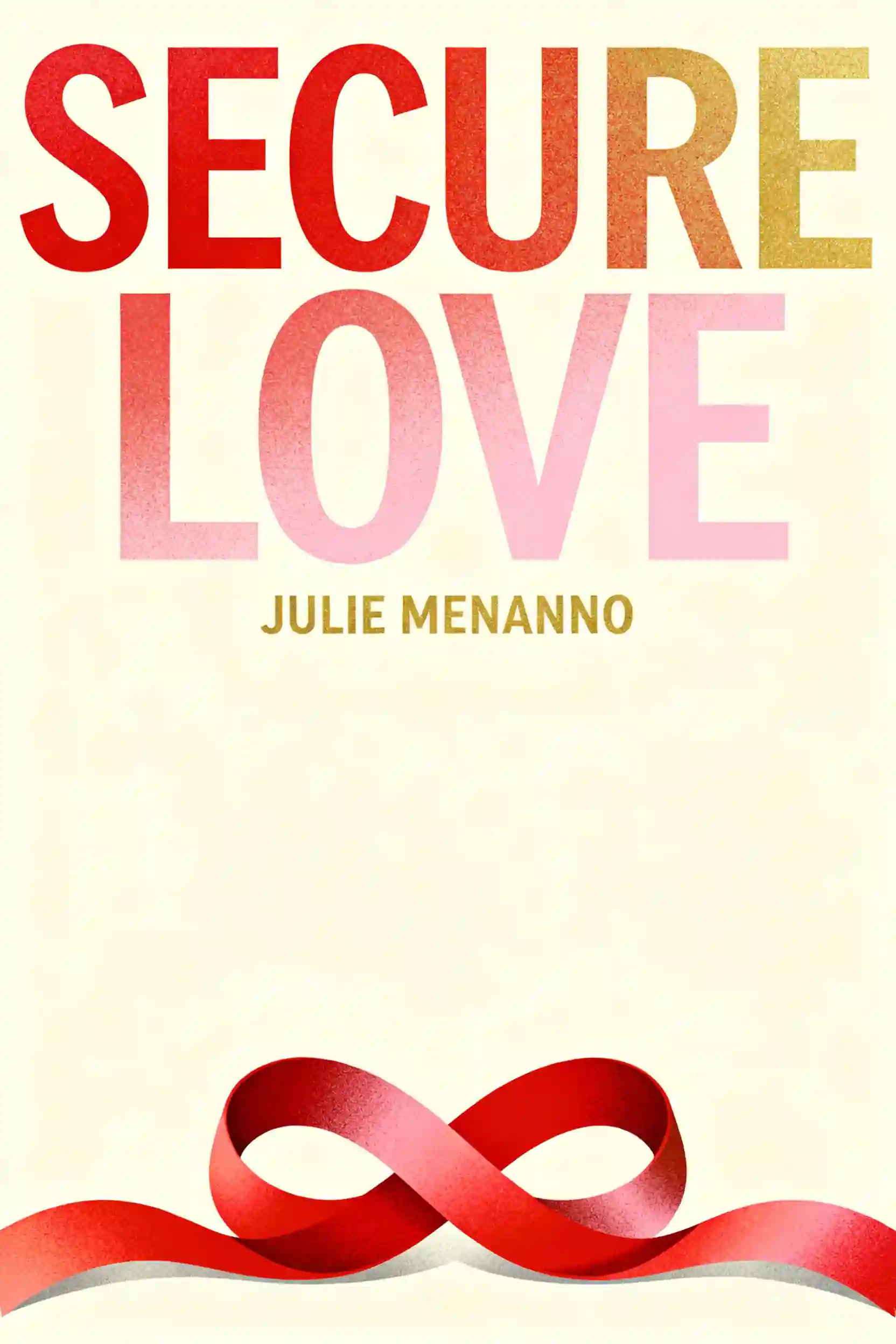



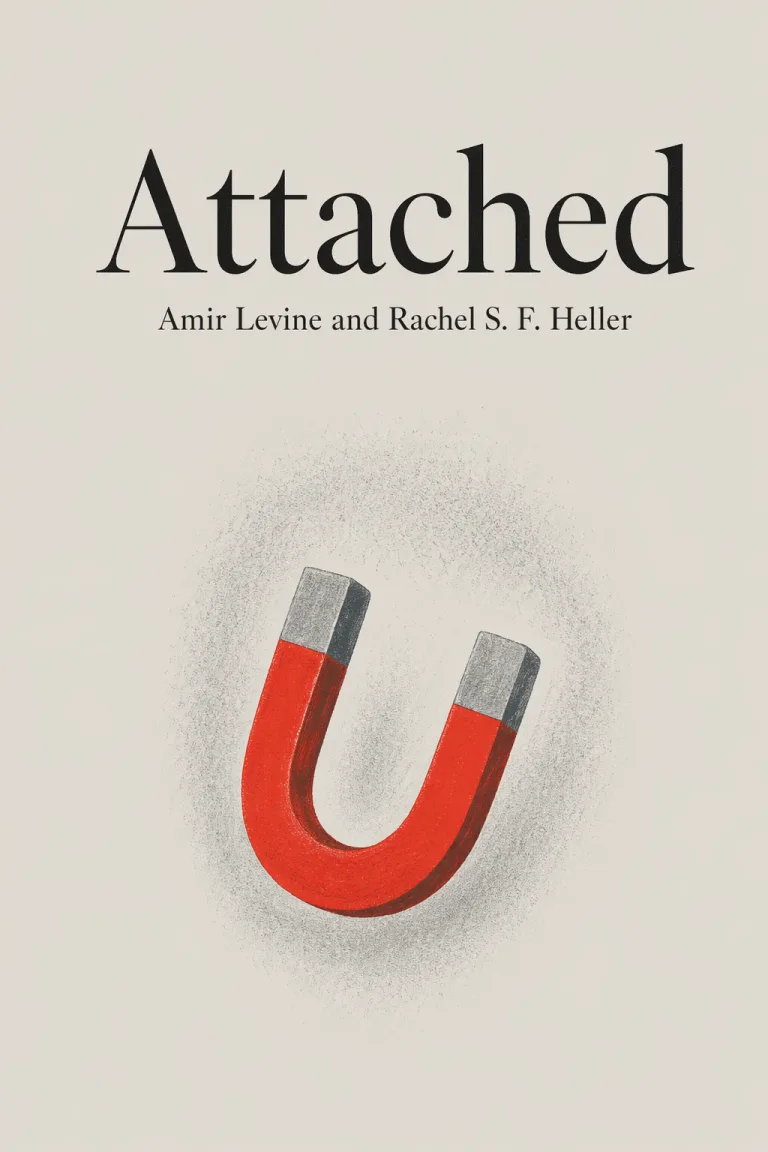
Preguntas frecuentes
The intense initial chemistry often occurs because our nervous systems recognize familiar patterns from childhood. An anxious person may be drawn to an avoidant partner’s independence and "coolness" because it feels like strength, while an avoidant person may be attracted to an anxious partner’s warmth and devotion because it provides emotional life they struggle to access alone. This "spark" is frequently a result of two people recognizing the edges of their respective attachment scripts, which feel familiar even if they are ultimately misaligned.
Protest behaviors are actions taken, usually by the anxious partner, to re-establish connection when they feel invisible or insecure. Examples include "testing" a partner by not calling them, acting cold to see if the partner notices, or even threatening to leave as a desperate cry for reassurance. These behaviors usually backfire because the avoidant partner perceives them as "drama" or an emotional attack, which triggers their need to "deactivate" and pull away even further to feel safe.
A responsible timeout is a planned break used when one or both partners feel "flooded" and unable to think logically. Unlike a standard withdrawal, a responsible timeout requires the partner who needs space to provide a specific "return time," such as saying they need 20 minutes to calm down and will be back to finish the conversation. This "return time" is essential because it reassures the anxious partner that they are not being abandoned, allowing both individuals to physically reset their nervous systems through deep breathing or walking before re-engaging.
Earned security is the process of developing a stable, secure attachment style as an adult through intentional effort and repetition. It is built by creating "safety architecture" in the relationship, such as consistent rituals of connection, weekly check-ins, and predictable communication. By consistently showing up, repairing after conflicts, and providing "safety cues"—like a proactive text of appreciation or a clear return time when taking space—partners can rewire their neural pathways to trust the relationship as a solid ground rather than a "moving hallway."
Reframing space as a gift means viewing it as a "maintenance requirement" that allows partners to return to themselves so they can be better for each other. For an avoidant person, space acts as a battery charger to process feelings and reset. For an anxious person, the time their partner spends away is an opportunity to practice self-regulation and nourish their own interests. When space is negotiated responsibly with "bridges" (like a quick check-in text), it stops being a sign of rejection and becomes the "breath" that allows the relationship to thrive.
Creado por exalumnos de la Universidad de Columbia en San Francisco
"Instead of endless scrolling, I just hit play on BeFreed. It saves me so much time."


"I never knew where to start with nonfiction—BeFreed’s book lists turned into podcasts gave me a clear path."


"Perfect balance between learning and entertainment. Finished ‘Thinking, Fast and Slow’ on my commute this week."
"Crazy how much I learned while walking the dog. BeFreed = small habits → big gains."
"Reading used to feel like a chore. Now it’s just part of my lifestyle."

"Feels effortless compared to reading. I’ve finished 6 books this month already."
"BeFreed turned my guilty doomscrolling into something that feels productive and inspiring."

"BeFreed turned my commute into learning time. 20-min podcasts are perfect for finishing books I never had time for."
"BeFreed replaced my podcast queue. Imagine Spotify for books — that’s it. 🙌"

"It is great for me to learn something from the book without reading it."
"The themed book list podcasts help me connect ideas across authors—like a guided audio journey."
"Makes me feel smarter every time before going to work"
Creado por exalumnos de la Universidad de Columbia en San Francisco
"Instead of endless scrolling, I just hit play on BeFreed. It saves me so much time."
"I never knew where to start with nonfiction—BeFreed’s book lists turned into podcasts gave me a clear path."
"Perfect balance between learning and entertainment. Finished ‘Thinking, Fast and Slow’ on my commute this week."
"Crazy how much I learned while walking the dog. BeFreed = small habits → big gains."
"Reading used to feel like a chore. Now it’s just part of my lifestyle."
"Feels effortless compared to reading. I’ve finished 6 books this month already."
"BeFreed turned my guilty doomscrolling into something that feels productive and inspiring."
"BeFreed turned my commute into learning time. 20-min podcasts are perfect for finishing books I never had time for."
"BeFreed replaced my podcast queue. Imagine Spotify for books — that’s it. 🙌"
"It is great for me to learn something from the book without reading it."
"The themed book list podcasts help me connect ideas across authors—like a guided audio journey."
"Makes me feel smarter every time before going to work"
"Instead of endless scrolling, I just hit play on BeFreed. It saves me so much time."
"I never knew where to start with nonfiction—BeFreed’s book lists turned into podcasts gave me a clear path."
"Perfect balance between learning and entertainment. Finished ‘Thinking, Fast and Slow’ on my commute this week."
"Crazy how much I learned while walking the dog. BeFreed = small habits → big gains."
"Reading used to feel like a chore. Now it’s just part of my lifestyle."
"Feels effortless compared to reading. I’ve finished 6 books this month already."
"BeFreed turned my guilty doomscrolling into something that feels productive and inspiring."
"BeFreed turned my commute into learning time. 20-min podcasts are perfect for finishing books I never had time for."
"BeFreed replaced my podcast queue. Imagine Spotify for books — that’s it. 🙌"
"It is great for me to learn something from the book without reading it."
"The themed book list podcasts help me connect ideas across authors—like a guided audio journey."
"Makes me feel smarter every time before going to work"
"Instead of endless scrolling, I just hit play on BeFreed. It saves me so much time."
"I never knew where to start with nonfiction—BeFreed’s book lists turned into podcasts gave me a clear path."
"Perfect balance between learning and entertainment. Finished ‘Thinking, Fast and Slow’ on my commute this week."
"Crazy how much I learned while walking the dog. BeFreed = small habits → big gains."
"Reading used to feel like a chore. Now it’s just part of my lifestyle."
"Feels effortless compared to reading. I’ve finished 6 books this month already."
"BeFreed turned my guilty doomscrolling into something that feels productive and inspiring."
"BeFreed turned my commute into learning time. 20-min podcasts are perfect for finishing books I never had time for."
"BeFreed replaced my podcast queue. Imagine Spotify for books — that’s it. 🙌"
"It is great for me to learn something from the book without reading it."
"The themed book list podcasts help me connect ideas across authors—like a guided audio journey."
"Makes me feel smarter every time before going to work"









![How to Develop a Secure Attachment Style as an Adult [According to a Therapist] - Madison Square Psychotherapy](/_next/image?url=https%3A%2F%2Fd1y2du6z1jfm9e.cloudfront.net%2Fassets%2Fpodcast%2Fyellow.png&w=1024&q=50)