BeFreed
    Categories>Relationships>Attract your soulmate by changing your internal frequency

    Attract your soulmate by changing your internal frequency

    25 min
    |
    |
    5 abr 2026
    • Relationships
    • Self-Growth
    • Psychology

    Struggling to find love? Learn how subconscious beliefs create hidden blocks and why building self-trust is the first step to attracting the right partner.

    Attract your soulmate by changing your internal frequency
    0:00 / 0:00
    Elige cómo se cuenta

    Un episodio. Muchas formas de escucharlo.

    Las mismas ideas de Attract your soulmate by changing your internal frequency. Elige la voz, profundidad y ritmo que más te convengan. Cambia cuando quieras.

    Transcripción y capítulos

    Capítulo 1

    The Internal Soulmate Connection

    Lena: You know, Miles, I was thinking about how we’re often told that finding "the one" is all about being in the right place at the right time, like a scene straight out of a romantic comedy. But it’s actually over three years since some of these modern manifestation guides pointed out that we might be sabotaging ourselves without even knowing it.

    Miles: Exactly, Lena. It’s a bit of a reality check, right? One of the most fascinating insights is that we aren't just looking for love; we’re actually already manifesting based on our subconscious beliefs. If you secretly feel unworthy, you’ll likely attract someone who confirms that. It’s like your internal "red car" filter is accidentally set to "unavailable."

    Lena: That is such a powerful reframe. It’s not about a "meet cute" in the park; it’s about the quiet, internal work of becoming your own soulmate first. Let’s explore how clearing these hidden love blocks can finally change your frequency and help you attract the partner you actually deserve.

    Capítulo 2

    Building the Foundation of Self-Trust

    Lena: It’s so interesting how we often treat self-confidence like it’s this accessory we can just put on before a date—like a favorite jacket or a pair of lucky shoes. But if we’re being real, that’s just the "fake it ’til you make it" approach, which is actually pretty hollow when you dig into it.

    Miles: You’re hitting on something huge there, Lena. That "fake it" advice is essentially asking you to spray-paint a "Certified Safe" sticker on a bridge that feels rickety underneath. You might fool the person walking toward you for a second, but inside, you’re terrified the whole thing is going to collapse. Real confidence isn’t a mask—it’s actually a byproduct of structure. It’s the quiet, stable trust you have in yourself. And trust, by definition, can’t be faked. It has to be earned.

    Lena: I love that. Earning trust from yourself. It reminds me of the idea that confidence is a skill, not just a personality trait you’re born with. If we look at it through the lens of what experts call self-efficacy—the belief in your ability to succeed at a specific task—it becomes much more manageable. It’s not about being "confident at life" in some vague way; it’s about the "Confidence-Competence Loop."

    Miles: Right! And that loop is so practical. Think about it: you try a small thing, like maybe just initiating a quick, low-stakes conversation with a barista. Your first attempt might feel a little awkward—the "cat falling down the stairs" version of a conversation. But then you adjust. You try again. You get a tiny win. That win gives you just enough dopamine and "proof" to try the next small thing. You aren’t thinking your way into confidence; you’re acting your way into it.

    Lena: It’s like building a track record with yourself. I was reading about how low self-esteem isn't actually about what you’ve achieved in the world—it’s about how you relate to yourself when no one else is watching. If that relationship is built on constant criticism and impossible standards, no amount of external "soulmate" hunting is going to feel enough. You’ll just keep replaying conversations in your head, looking for mistakes.

    Miles: Exactly. And that’s why the foundation has to be competence. It’s the "Get Good" pillar. If you want to feel less like an imposter in the dating world, the most effective way is to stop being an imposter to yourself. That means picking one specific, learnable skill—maybe it’s active listening or setting a small boundary—and practicing it until you have irrefutable proof of your own ability. When you have that proof, you don’t need positive affirmations because you have the facts.

    Lena: And those facts are what make you "magnetic," right? There’s a certain quiet energy that comes from someone who isn't trying to prove their worth. They just know they can handle whatever happens. It’s that shift from "Will they like me?" to "How am I feeling in this interaction?"

    Miles: Spot on. It’s moving away from being a "people-pleaser" to being someone who is "self-aligned." When you’re constantly trying to become the person you think someone else wants, you’re actually practicing self-abandonment. And you can’t attract a soulmate while you’re busy abandoning yourself. You’re essentially sending out a signal for a partner who will appreciate a version of you that doesn't actually exist.

    Aprende más con este episodio

    Lleva las ideas de este episodio a una experiencia de aprendizaje guiada en BeFreed.

    Capítulo 3

    The Architecture of Internal Kindness

    Lena: So, if competence is the foundation—the "bricks" of our confidence house—then self-compassion has to be the framing that holds it all together. Because let’s be honest, Miles, when you’re out there trying new things and "doing it scared," you’re going to mess up. You’re going to have those awkward silences or say something that sounds better in your head than it does out loud.

    Miles: Oh, absolutely. And that’s where most of us trip up. We have this deep-seated myth that being a "brutal drill sergeant" to ourselves is the only way to stay motivated. We think if we aren't harsh, we’ll just get lazy. But the research actually shows the opposite. Self-criticism is paralyzing. It’s like trying to build a house in the middle of a Category 5 hurricane of your own making.

    Lena: It really is. I’ve noticed that people with healthy self-esteem don't actually talk about it all the time. They just have this quiet ability to make a mistake without spiraling into self-hatred. It’s the difference between saying, "I’m an idiot for saying that," and saying, "Wow, that was a bit awkward, but I’m human and learning." One shuts you down; the other keeps you in the game.

    Miles: Right, and that’s the "Good Coach" vs. "Drill Sergeant" dynamic. A good coach sees the missed shot, analyzes the form, and says, "Let’s get the next one." That’s self-compassion in action. It has three parts: mindfulness—noticing the critical thought without becoming it; common humanity—remembering that everyone feels foolish sometimes; and self-kindness—actively changing the internal script.

    Lena: I think that "common humanity" piece is so important for dating. We look at social media and see everyone’s "highlight reel"—the perfect dates, the sunset engagements—and we feel like we’re the only ones struggling. We assume everyone else has it figured out, while we’re just "pretending." But the truth is, most people are navigating their own doubts behind the scenes.

    Miles: Exactly. Comparison is the death of confidence. Every time you measure your "behind-the-scenes" footage against someone else’s "theatrical trailer," you’re training your brain to see yourself as inadequate. When you practice self-compassion, you’re essentially saying, "I am enough, not because I’m perfect, but because I’m a work in progress, just like everyone else."

    Lena: And that’s a much more attractive frequency to be on, isn't it? It’s that "quiet self-esteem" we were talking about earlier. It’s not about walking into a room thinking you’re better than everyone—it’s walking in without needing to compare yourself to anyone at all.

    Miles: It’s also about how you treat yourself when you’re alone. If you’re kind to yourself, you’re setting a standard for how a partner should treat you. If you’re constantly tearing yourself down, you’re inadvertently signaling that it’s okay for others to do the same. Building that internal kindness is like installing the "safety wiring" in your confidence structure. It ensures that when things get heated or stressful, you don’t short-circuit.

    Lena: It’s interesting how that shifts the goal of dating, too. It’s no longer about finding someone to "fix" your low self-esteem or fill a void. It’s about finding someone who recognizes the value you’ve already found in yourself. You’re looking for a partner, not a therapist or a validator.

    Miles: Right. And when you stop needing that external validation as a "crutch," you actually become more observant of the other person. You can see red flags more clearly because you aren't blinded by the desperate need to be liked. You’re operating from a place of "Is this person a good fit for my life?" rather than "How can I make this person want me?"

    Capítulo 4

    Wiring the System with Integrity

    Lena: You know, Miles, we’ve talked about competence and compassion, but there’s this other pillar that I think people often overlook when they’re trying to build confidence, and that’s integrity. And I don’t just mean being an honest person in general—I mean being honest with yourself. Keeping the promises you make to you.

    Miles: That is a huge one, Lena. Integrity is really about closing the gap between your stated values and your actual behavior. It’s how you build "Self-Trust." Think about how many times we tell ourselves, "I’ll wake up at six," or "I’ll finally finish that project," and then we hit snooze five times. Every time we break a small promise like that, it’s like a tiny withdrawal from our internal "self-trust" bank account.

    Lena: It really adds up, doesn't it? If the account is empty, you can’t possibly feel confident because you don’t even believe your own words. If you can’t trust yourself to follow through on a morning walk, how are you supposed to trust yourself to navigate the complexities of a new relationship?

    Miles: Exactly. And that manifests as low confidence in dating. You feel like a "fraud" because, on some level, you are being one—to yourself. The fix isn't some complex mindset hack; it’s actually "eating the apple" or "making the bed." It’s doing the thing you said you were going to do. When you start keeping those microscopic promises, you start building a track record of being a person who keeps their word. You become a person you can actually rely on.

    Lena: It’s about building a sense of "self-respect." I think that’s why boundaries are so critical here. Each time you set a boundary—whether it’s saying "no" to a draining social event or communicating your needs clearly—you’re reinforcing the belief that your needs actually matter. You’re teaching yourself that you’re allowed to take up space.

    Miles: And that’s a form of integrity too—honoring your own limits. In many cultures, like the one I was reading about in Greece, family opinions and social expectations run deep. There’s a lot of pressure to "people-please" to keep the peace. But every time you say "yes" when you mean "no," you’re essentially abandoning yourself to gain approval. That kind of "self-abandonment" is a major root of low self-esteem.

    Lena: It’s so true. And it’s exhausting to maintain! It’s like trying to keep a house of cards standing in a breeze. True self-esteem is quiet because it doesn't need to prove anything. It’s rooted in that internal alignment. When your actions match your values, you don’t have to "perform" confidence. It just exists as a byproduct of your integrity.

    Miles: It also changes how you show up on a date. If you’re a person of integrity, you’re much more likely to be authentic. You aren't trying to guess what the other person wants to hear; you’re just stating what’s true for you. And that is incredibly "magnetic." It reduces the "uncertainty" in the relationship because the other person knows exactly where they stand with you.

    Lena: Right! It’s that "direct communication" we see in successful dating strategies. Making the first move or expressing interest clearly—those are acts of integrity. You’re being honest about your intentions. It removes the "ambiguity" that often fuels social anxiety.

    Miles: And if they aren't interested? If you’re operating from a place of integrity, it doesn't feel like a personal failure. It’s just "data." You were honest, they were honest, and you realized you weren't a match. You can walk away with your self-respect intact because you didn't "sell out" your values to try and win them over.

    Lena: It’s like you’re building your own "internal compass." When you trust your own "wiring," you aren't as swayed by every little shift in the dating market. You have a "secure base" within yourself, which makes the whole process feel much less like a high-stakes gamble and more like a purposeful exploration.

    Aprende más con este episodio

    Lleva las ideas de este episodio a una experiencia de aprendizaje guiada en BeFreed.

    Capítulo 5

    Servicing the Physical Hardware

    Miles: We’ve spent a lot of time in the "mind" and "soul" parts of this, but we have to talk about the "hardware," Lena. Your brain isn't floating in a jar—it’s a physical organ in a physical system. If your "hardware" is glitchy—meaning you’re exhausted, dehydrated, or running on nothing but caffeine and stress—your "software," which is your thoughts and feelings, is going to be glitchy too.

    Lena: That is such a grounded way to look at it. We often try to "think" our way out of anxiety, but you can’t argue with a nervous system that’s in full "fight-or-flight" mode. If you’re only getting four hours of sleep, you’re literally wiring your brain for anxiety. Your amygdala—that primitive fear center—becomes hyper-reactive, and your rational "you’ve got this" brain just can’t keep up.

    Miles: Exactly. Sleep is the number one confidence killer. Without it, you’re navigating the world with a weakened "parasympathetic brake." You’re more likely to misinterpret neutral social cues as threats. A simple "How are you?" can feel like a "performance review" if your system is already red-lined.

    Lena: And it’s not just sleep. It’s movement and nutrition too. I was reading about the "gut-brain axis"—it’s over two years since researchers started showing just how much our microbiome influences our mood. A high-sugar diet can actually create physical symptoms that feel exactly like anxiety. If your blood sugar is crashing on a date, you might think you’re nervous about the person, but you’re actually just having a physiological reaction.

    Miles: It’s a feedback loop. But the good news is that we can use that loop to our advantage. Take posture, for example. It’s one of the fastest "hacks" for shifting your internal state. There’s research on "Embodied Cognition"—the idea that the body’s position sends signals to the brain. If you’re slumped and making yourself small, your brain goes, "We must be in danger! Release the cortisol!"

    Lena: But if you sit up straight, pull your shoulders back, and take a slow, deep breath, you’re sending a different signal. You’re telling your brain, "I’m safe. I’m in control." It’s a "physical interruption" of the anxiety loop. I’ve heard about the "3-3-3 rule" for this too—naming three things you see, three sounds you hear, and moving three body parts. It pulls you out of the "internal chaos" and back into the physical world.

    Miles: That’s a great grounding technique. And it’s so much more effective than just telling yourself to "calm down." You’re giving your nervous system the "data" it needs to actually feel calm. Even things like the "Cold Water Diving Reflex"—splashing cold water on your face—can trigger an immediate parasympathetic response. It’s like a "reset button" for your heart rate.

    Lena: It’s also about the "Confidence-Competence Loop" we talked about earlier, but applied to your body. When you exercise or prioritize your health, you’re performing a "physical act of integrity." You’re keeping a promise to take care of your "vessel." That builds a sense of "self-respect" that you carry with you into every room.

    Miles: Right. You feel "at home in your own skin." And that is incredibly attractive. When someone is physically comfortable and present, they’re much more "approachable." They aren't radiating that "static" of unresolved physical stress. They have a "quiet energy" that invites people in.

    Lena: It’s about building a "resilient system." When your "hardware" is well-serviced, you have more "emotional bandwidth" to handle the ups and downs of dating. You aren't as easily "triggered" by a late text or a minor disagreement because your baseline is stable. You’re dating from a place of "abundance" rather than "depletion."

    Miles: And that "abundance" is what helps you stay "open-minded." When you aren't in "survival mode," you can actually be curious about the other person. You can listen more deeply and respond more authentically. You aren't just "surviving" the date; you’re actually "participating" in it.

    Capítulo 6

    The Power of Outward Purpose

    Lena: We’ve talked a lot about the internal work, Miles—the foundation, the framing, the wiring, and the hardware. But a house, no matter how well-built, is just an empty box if it doesn't have a purpose. And I think that’s the final "stabilizing pillar" of confidence: stopping the obsessive focus on ourselves and looking outward.

    Miles: You’re so right, Lena. So much of our dating anxiety comes from this "inward spotlight." We’re constantly asking, "How do I look? Am I being boring? Do they like me?" We’re stuck in our own heads, running "threat simulations." But the most confident people aren't actually thinking about themselves at all—they’re thinking about the mission or the person in front of them.

    Lena: It’s that shift from "How do I feel?" to "What can I do?" or "How can I help?" It’s what separates true confidence from arrogance. Arrogance is usually a "mask" for deep insecurity—it’s loud and needs to prove it’s "better than." True confidence is quiet and stable. It doesn't need to prove anything because it’s focused on contribution.

    Miles: Exactly. Think of the "Nervous Firefighter" analogy. He might be shy in his personal life, but when the bell rings, his purpose—saving lives—is so large that it "overrides" his personal anxiety. His confidence in that moment isn't about him; it’s a tool for his mission. In dating, your "purpose" could be as simple as "making this person feel seen and heard for the next hour."

    Lena: I love that. If your goal is just to be "curious" and "supportive," the pressure to "perform" vanishes. You’re no longer "on trial"; you’re just "on a mission" to connect. It moves you from "self-protection" to "relationship promotion." You’re looking for ways to add value to the interaction rather than just trying to avoid rejection.

    Miles: And that "outward focus" is what builds real "trustworthiness." When you’re genuinely interested in someone else’s story, they feel it. It’s that "active listening" piece—remembering the details, asking thoughtful follow-up questions. It signals that you care about more than just your own reflection in their eyes.

    Lena: It’s also about having a life and a purpose outside of dating. If your entire sense of worth is tied to your "relationship status," every date feels like a "mortal threat" to your identity. But if you have hobbies, a career, or a community cause that you’re passionate about, dating is just one part of a "full life." You have "other bells to ring."

    Miles: Right. It’s that "emotional availability" we often hear about. Chronic stress and an "obsessive inward focus" hinder warmth and responsiveness. But when you have a sense of purpose, you have more "emotional energy" to share. You’re "available" because you aren't "consumed" by your own insecurity.

    Lena: It reminds me of the "Commitment Insurance Model"—the idea that people with low self-esteem might use "self-sacrifice" or "over-pleasing" as a way to "earn" love. But connection built on a "false self" isn't real connection—it’s just "lonely in a different way." True connection comes when you’re "self-aligned" and moving toward a "shared purpose."

    Miles: And that "shared purpose" is where the "soulmate" part starts to happen. You aren't just looking for someone who "likes" you; you’re looking for someone whose "mission" aligns with yours. Whether that’s building a family, traveling the world, or just supporting each other’s growth, that "outward focus" is what creates a "lasting bond."

    Lena: It’s about "becoming the person you were always meant to be" before the world told you you weren't enough. When you’re living your purpose, your confidence isn't something you have to "build"—it’s just the "atmosphere" you carry. You become a "magnet" for people who are on a similar frequency.

    Aprende más con este episodio

    Lleva las ideas de este episodio a una experiencia de aprendizaje guiada en BeFreed.

    Capítulo 7

    The Practical Playbook for the Soulmate Journey

    Miles: So, we’ve covered a lot of ground today, Lena. From the "Confidence-Competence Loop" to "Self-Compassion" and the "Mind-Body connection." But for our listeners who are ready to actually start "laying bricks" today, what does the playbook look like?

    Lena: I think the most important thing is to start small. Don’t try to overhaul your entire life by Monday. That "all-or-nothing" thinking is just another trap for your inner critic. Instead, pick one "micro-skill" to practice this week. Maybe it’s just making eye contact and smiling at three people you don’t know. Or maybe it’s finally saying "no" to that one social obligation that’s been draining you.

    Miles: Right. "Micro-goals" are the mortar. And while you’re doing that, start "catching" your inner critic. Just labeling it helps—"Ah, there’s that voice telling me I’m boring again." Then, rephrase it like a "Good Coach." "I’m feeling a bit nervous, but I’m here to learn, and that’s a good thing." It’s about building that "internal coach" muscle.

    Lena: And don’t forget the "Physicality" piece. If you’re feeling a spike of anxiety before a date, use your "hardware hacks." Try the "4-2-8" breathing—inhale for four, hold for two, exhale for eight. It’s a physical signal to your brain that you’re safe. And check your posture! Shoulders back, feet flat. You’re "intercepting" the stress signal before it takes over.

    Miles: In terms of the "soulmate" side of things, I’d say: change the environment. If the "high-volume" dating apps feel like a "Category 5 hurricane" for your anxiety, step outside the routine. Join a class, walk a dog in the park, or try a more "supportive community" where genuine understanding is valued. Give yourself "spontaneous encounters" in lower-pressure settings.

    Lena: I love that "social catalyst" idea—even walking a dog can be a conversation starter! It takes the spotlight off you and onto something external. And when you are on a date, focus on "curiosity." Ask the "real questions." Not the interview ones, but the "What matters to you?" ones. It moves you into that "outward purpose" we talked about.

    Miles: And be honest about your needs early! You don’t need to give a "clinical disclosure," but saying "I prefer quieter spots, can we grab coffee?" is a great "filter." The right person—the "soulmate" person—will respect that signal. If they don’t, they’ve just given you the "data" you need to move on.

    Lena: It’s also about "building resilience to rejection." Remember, rejection isn't a "verdict" on your worth; it’s just a "sign of incompatibility." It’s like a puzzle piece that doesn't fit—it doesn't mean the piece is "broken," it just means it’s not for this specific puzzle. Viewing setbacks as "feedback" rather than "failure" is what keeps you in the game.

    Miles: And finally, give yourself "recovery time." Especially for the introverts listening, "recharging" isn't a weakness—it’s "essential maintenance." Don’t schedule dates back-to-back. Let your nervous system return to its baseline so you can show up "available" for the next opportunity.

    Lena: It’s a "marathon, not a sprint." The "feeling" of confidence might be the last thing to show up, and that’s okay. Trust the "structure" you’re building. Trust the "integrity" of keeping your word to yourself. The "soulmate" connection starts with the "soulmate" relationship you’re building within.

    Miles: Absolutely. It’s about "becoming a person you can trust." When you trust yourself, you radiate a "quiet security" that is far more attractive than any "fake" performance could ever be. You aren't "searching" for love anymore; you’re "available" for it.

    Capítulo 8

    Closing Reflections on the Journey Inward

    Lena: As we wrap things up today, Miles, I’m struck by how much this journey to attracting a soulmate is actually a journey back to ourselves. We started by talking about the "fraud" feeling so many of us carry, and we’ve ended up with this vision of a "solid, well-built house" of self-security.

    Miles: It really is a "paradigm shift," isn't it? We move from "How can I change myself to be loved?" to "How can I reveal myself to be found?" It’s a much more empowered place to be. You aren't a "project" that needs fixing; you’re a "structure" that needs tending.

    Lena: And that work—that "laying of bricks"—is worth it. Not just because it might lead to a soulmate, but because it leads to a life where you actually like the person you see in the mirror. You deserve to "feel at home in your own skin," regardless of your relationship status.

    Miles: That’s the real "win." The relationship is the "beautiful garden" that grows around a "solid house." But you have to build the house first. You have to be the "secure base" you’re looking for in someone else.

    Lena: So to everyone listening, I hope you take one small thing from today—one "micro-goal" or one "self-compassionate reframe"—and try it out this week. See how it feels to keep that one small promise to yourself. Notice the shift in your energy when you focus on "curiosity" rather than "performance."

    Miles: It’s a "brave journey," and it takes courage to look at those "old patterns" and decide to build something new. But the "neuroplasticity" of our brains means it is absolutely possible. You aren't stuck with the "blueprint" you were handed; you can "rewrite the story" you tell yourself.

    Lena: Thank you all for joining us on this exploration today. It’s been such a meaningful conversation, and I hope it’s given you some "practical tools" and "reflective prompts" to hold onto as you navigate your own path.

    Miles: Definitely. Remember, confidence is a "quiet internal skill," and it grows through "repeated experiences of self-trust." You’ve already taken the first step just by being here and engaging with these ideas.

    Lena: We invite you to reflect on which of the "five pillars" feels like it needs the most attention in your life right now. Is it competence, compassion, integrity, physicality, or purpose? Whatever it is, start there. Lay one brick. And then another.

    Miles: You’ve got this. The "frequency" you’re looking for is already within you, just waiting to be "uncovered." Be patient with the process, be kind to yourself in the "messy middle," and keep moving toward the "authentic connection" you deserve.

    Lena: Thanks for listening, everyone. Take care of yourselves and each other.

    ★★★★★

    Has llegado al final de Attract your soulmate by changing your internal frequency

    “Llevo 23 días y lo he usado todos los días. Ya forma parte de mi rutina diaria.”

    jayallen

    Mejor cita de Attract your soulmate by changing your internal frequency

    “

    True self-esteem is quiet because it doesn't need to prove anything. It’s moving away from being a 'people-pleaser' to being 'self-aligned'—you can’t attract a soulmate while you’re busy abandoning yourself.

    ”
    M

    Generated by Mya McCarthy

    Pregunta de entrada

    How to become more confident and attract my soulmate

    Voces del presentador
    Lenaplay
    Milesplay
    Fuentes de conocimiento
    How to Become an Alpha Male
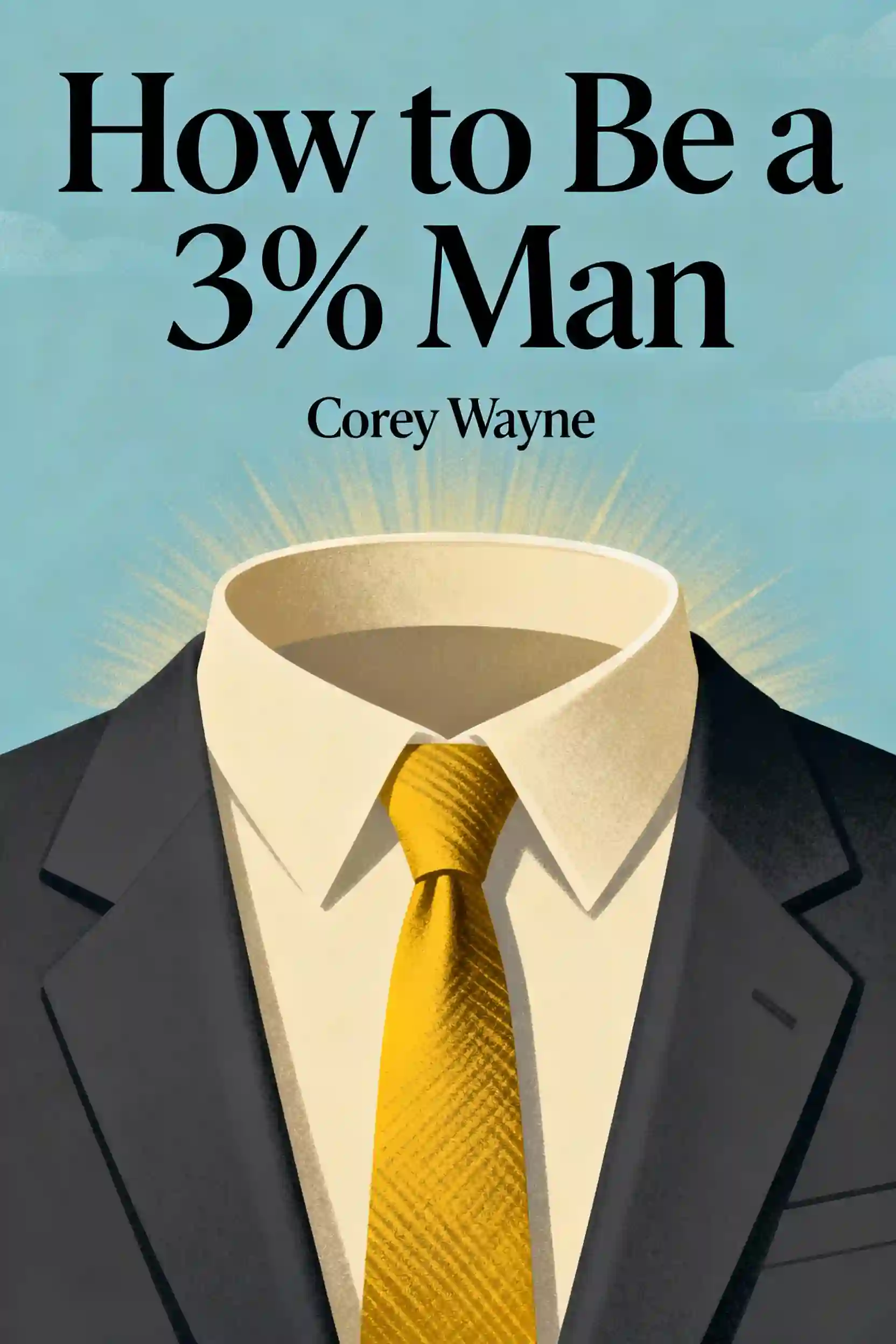
    How to Be a 3% Man, Winning the Heart of the Woman of Your Dreams
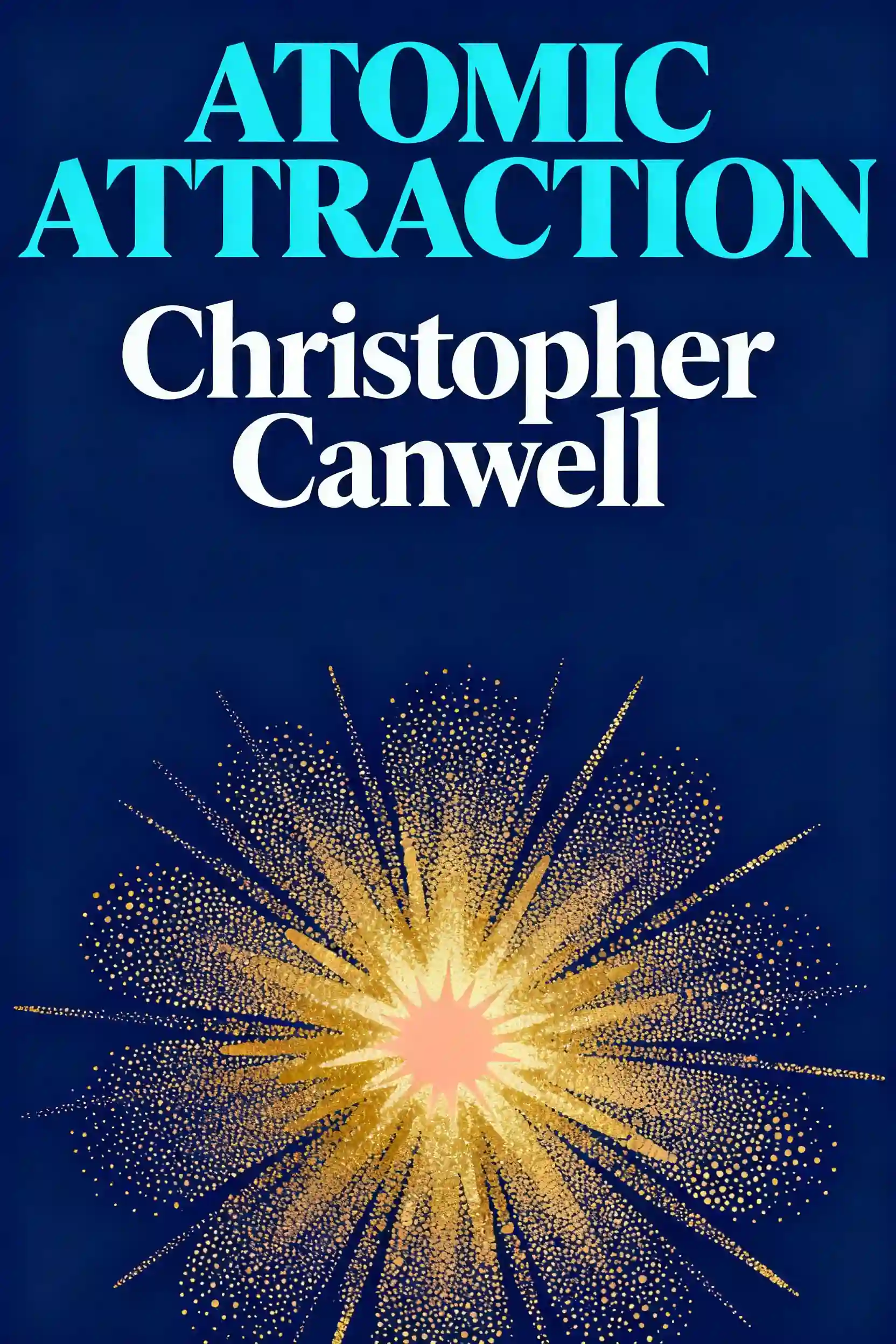
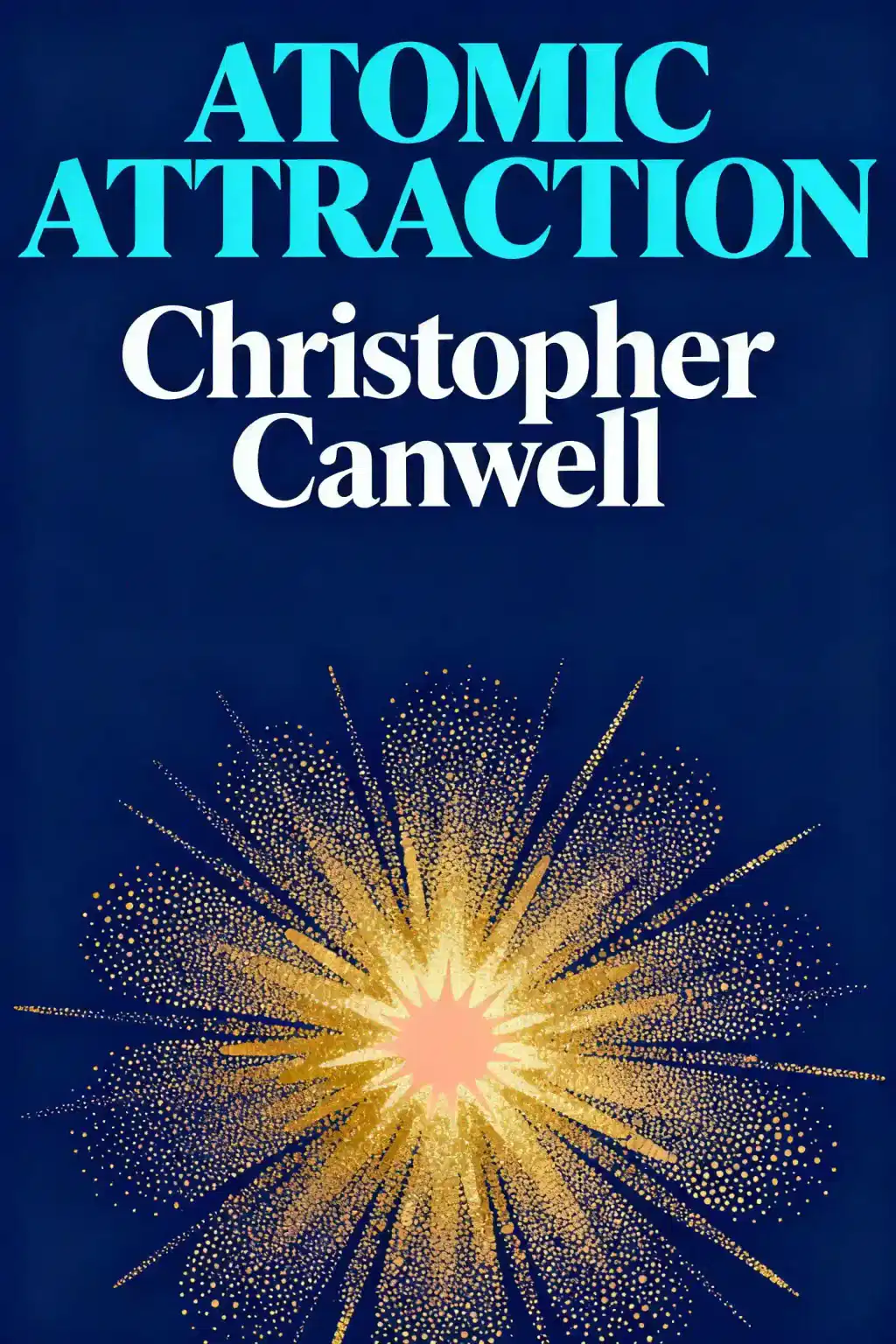
    Atomic Attraction
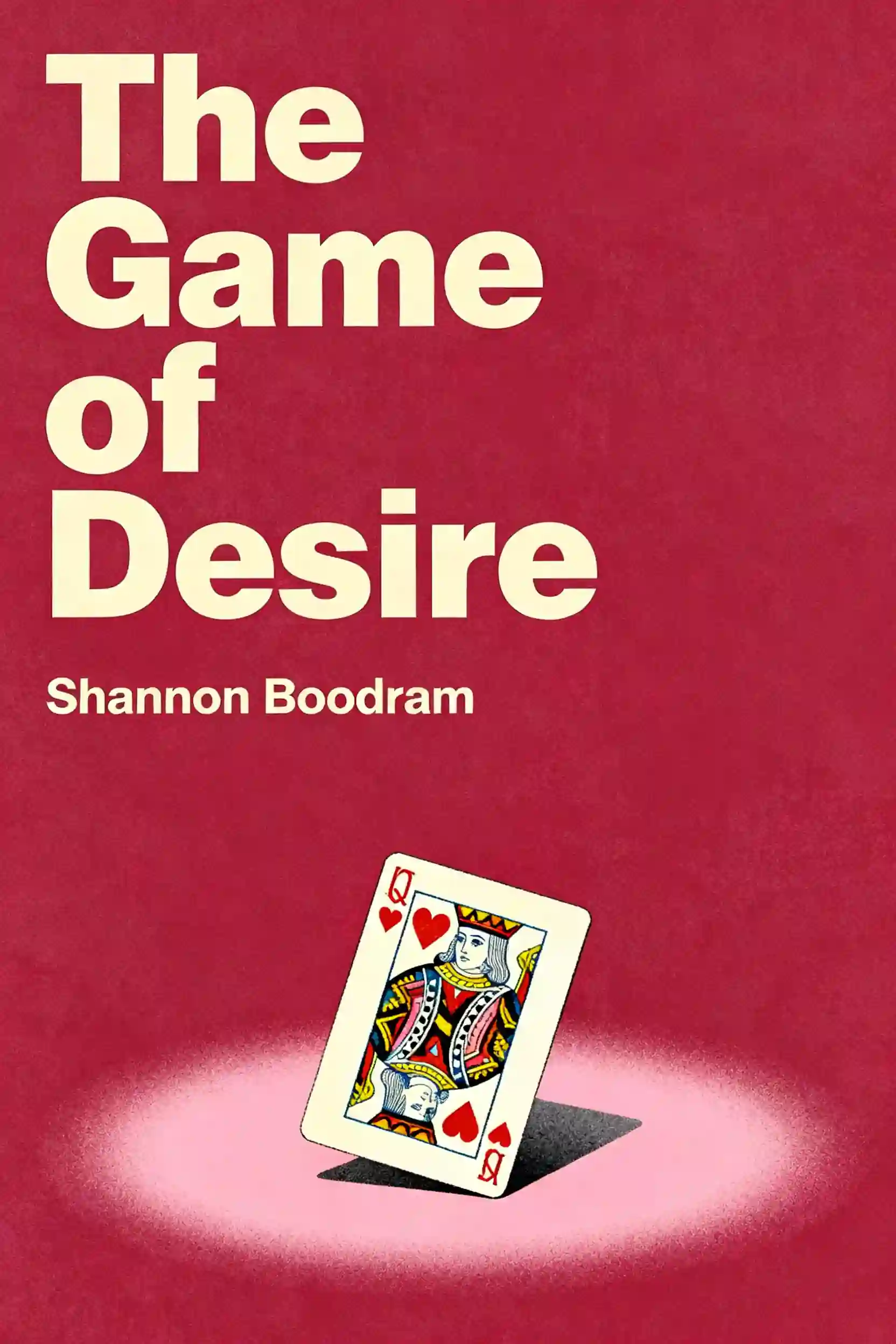
    Game of Desire
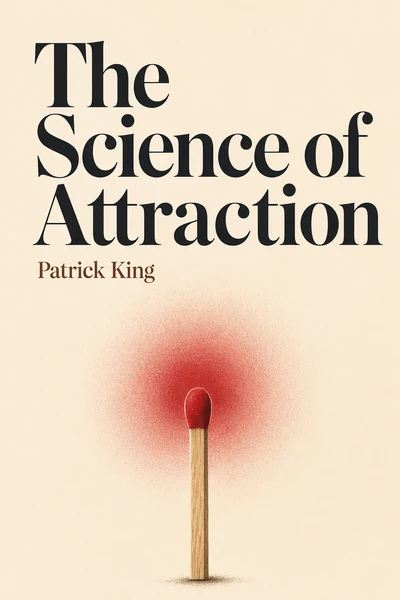
    The Science of Attraction
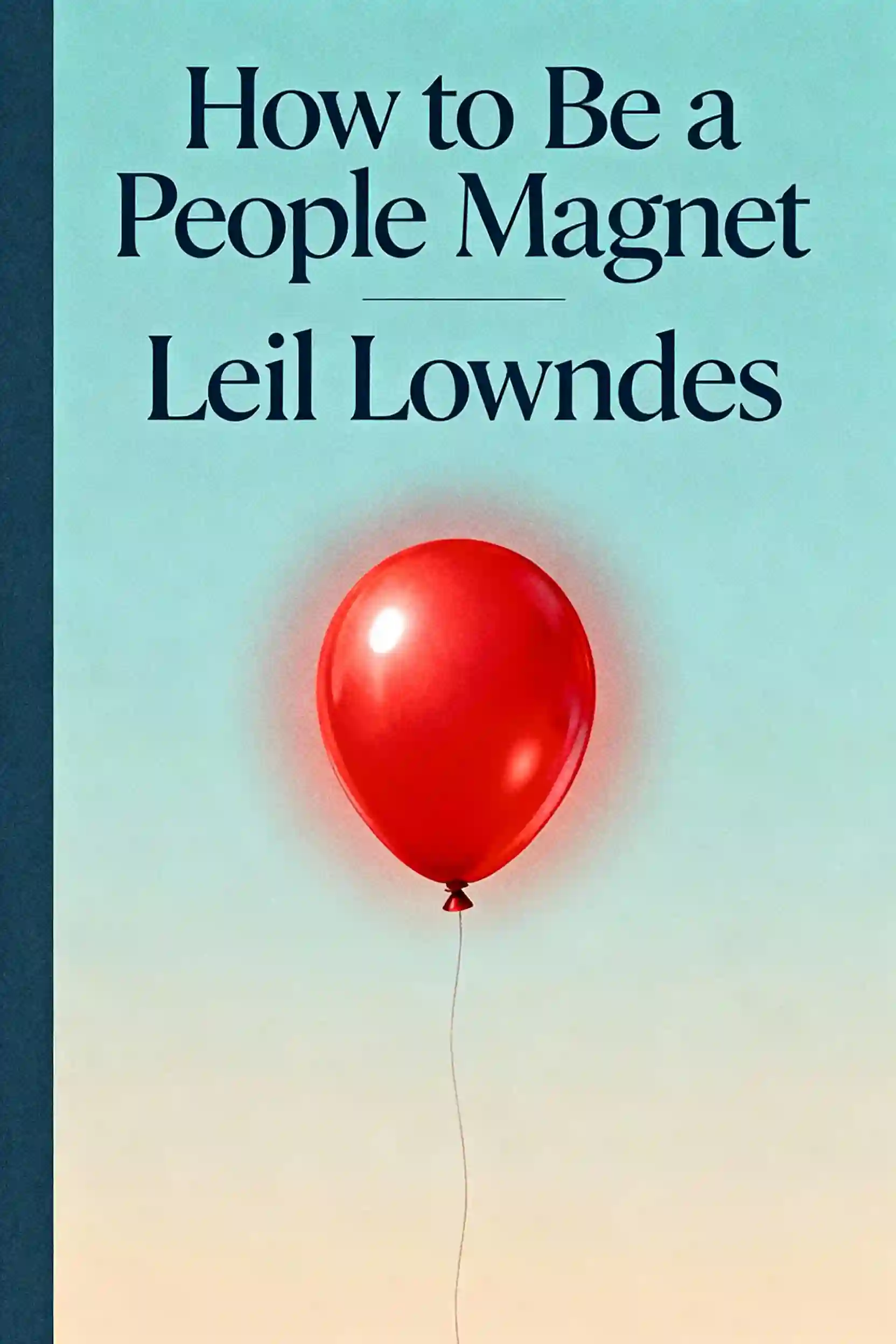
    How to Be a People Magnet

    Preguntas frecuentes

    The Confidence-Competence Loop is a practical framework where confidence is viewed as a skill earned through action rather than a personality trait. Instead of "faking it," you focus on building competence by attempting small, low-stakes tasks, such as initiating a brief conversation with a barista. Each small win provides "proof" of your ability, which naturally builds genuine self-trust. This process shifts your focus from worrying about whether others like you to observing how you actually feel during an interaction.

    The script suggests that we manifest relationships based on our internal "filters" and subconscious beliefs. If you harbor hidden feelings of unworthiness, you are likely to attract partners who confirm that negative self-image. This is described as having an internal filter set to "unavailable." To change who you attract, you must first do the internal work of becoming your own soulmate and clearing these "love blocks" to change your emotional frequency.

    Integrity is defined as the practice of keeping the promises you make to yourself, which builds a "self-trust bank account." When you break small promises—like hitting the snooze button when you vowed to wake up early—you make withdrawals from this account, leading to a sense of being a "fraud." By maintaining integrity and honoring your own boundaries, you develop a quiet self-respect. This alignment between your values and actions makes you more magnetic and authentic on dates because you no longer feel the need to "perform" for others.

    Your brain is a physical organ, and if your "hardware" is neglected through lack of sleep, poor nutrition, or dehydration, your "software"—your thoughts and feelings—will become glitchy. For example, sleep deprivation weakens your "parasympathetic brake," making you more likely to interpret neutral social cues as threats. Utilizing "hardware hacks" like deep breathing, maintaining good posture, or even splashing cold water on your face can physically interrupt the anxiety loop and signal to your brain that you are safe.

    Having an outward purpose means shifting the "inward spotlight" away from self-critical thoughts—like "Am I being boring?"—and focusing instead on a mission or the person in front of you. By making your goal to ensure the other person feels seen and heard, the pressure to perform vanishes. Additionally, having a full life with hobbies and passions outside of dating ensures that your entire sense of worth isn't tied to your relationship status, allowing you to date from a place of abundance rather than depletion.

    Creado por exalumnos de la Universidad de Columbia | en San Francisco

    BeFreed Reúne a una Comunidad Global de Mentes Curiosas

    4.7

    valoración media

    Más de 7,84 mil valoraciones de la app

    Comunidad BeFreed

    En serio, todavía no he explorado la app a fondo, pero después de usarla estos últimos días estoy impresionadísima… BeFreed está en otro nivel comparada con cualquier otra app de aprendizaje que haya usado. Te engancha muchísimo y de verdad mejora la concentración, ¡ideal para los que no paran de hacer scroll!

    @ladyInfinity

    Compré BeFreed hace exactamente 23 días y lo he usado todos los días desde entonces. Se ha integrado por completo en mi rutina diaria de trabajo y aprendizaje.

    @jayallen

    La verdad es que la app ha superado todas mis expectativas. Puedo pedirle que genere audio sobre cualquier tema, sea cual sea, y el resultado es impresionante. Mi campo profesional es una especialización en psicoterapia y es multidisciplinario; aun así, las respuestas son muy precisas.

    @Raguipa

    Lo que más valoro es cuánto ha reducido mi scroll: paso menos tiempo buscando y más tiempo absorbiendo información. La combinación de audiolibros completos, podcasts y los planes de aprendizaje es brillante.

    @colonyofcreatorsNGO

    Llevo 24 años siendo instructor de aprendizaje acelerado PhotoReading… los libros, la lectura y el aprendizaje son lo mío, y BeFreed ha hecho un gran trabajo ofreciendo un enfoque innovador para transmitir información de una forma fácil de consumir.

    @BeFreed user

    No es solo una app de resúmenes de libros: he usado la opción de lectura divertida y es un resumen mucho mejor y una forma más fácil de captar las ideas que la manera tradicional; solo eso ya vale la pena.

    @austinakon

    Me encanta esta app. La he usado varios días y no puedo dejar de escuchar. Una forma buenísima de empezar.

    @jcrules328

    Me gusta mucho el programa; llevo alrededor de un mes probándolo y siento que es una verdadera joya. Funciona genial porque puedo usar BeFreed para crear mis propios temas, y la voz es buenísima, con opciones de narración ilimitadas.

    @DanielCZ

    En serio, todavía no he explorado la app a fondo, pero después de usarla estos últimos días estoy impresionadísima… BeFreed está en otro nivel comparada con cualquier otra app de aprendizaje que haya usado. Te engancha muchísimo y de verdad mejora la concentración, ¡ideal para los que no paran de hacer scroll!

    @ladyInfinity

    Compré BeFreed hace exactamente 23 días y lo he usado todos los días desde entonces. Se ha integrado por completo en mi rutina diaria de trabajo y aprendizaje.

    @jayallen

    La verdad es que la app ha superado todas mis expectativas. Puedo pedirle que genere audio sobre cualquier tema, sea cual sea, y el resultado es impresionante. Mi campo profesional es una especialización en psicoterapia y es multidisciplinario; aun así, las respuestas son muy precisas.

    @Raguipa

    Lo que más valoro es cuánto ha reducido mi scroll: paso menos tiempo buscando y más tiempo absorbiendo información. La combinación de audiolibros completos, podcasts y los planes de aprendizaje es brillante.

    @colonyofcreatorsNGO

    Llevo 24 años siendo instructor de aprendizaje acelerado PhotoReading… los libros, la lectura y el aprendizaje son lo mío, y BeFreed ha hecho un gran trabajo ofreciendo un enfoque innovador para transmitir información de una forma fácil de consumir.

    @BeFreed user

    No es solo una app de resúmenes de libros: he usado la opción de lectura divertida y es un resumen mucho mejor y una forma más fácil de captar las ideas que la manera tradicional; solo eso ya vale la pena.

    @austinakon

    Me encanta esta app. La he usado varios días y no puedo dejar de escuchar. Una forma buenísima de empezar.

    @jcrules328

    Me gusta mucho el programa; llevo alrededor de un mes probándolo y siento que es una verdadera joya. Funciona genial porque puedo usar BeFreed para crear mis propios temas, y la voz es buenísima, con opciones de narración ilimitadas.

    @DanielCZ

    Me encanta poder recibir información e ideas útiles y condensadas en un audio estilo podcast de 8 a 15 minutos. No soy muy fan de los podcasts por tanto relleno, pero esto va directo al grano.

    @BeFreed user

    Estoy terminando mi doctorado y tengo que leer muchísimo material desconocido… Con BeFreed simplemente escribes un prompt y la app encuentra las fuentes por ti y genera un podcast en audio. El proceso de BeFreed me parece más ágil que el de NotebookLM.

    @Brad

    Suelo buscar en YouTube algo que escuchar mientras preparo el desayuno, salgo a caminar o voy al trabajo, ¡y BeFreed ofrece un enfoque aún más certero, sin anuncios y sin relleno!

    @BeFreed user

    Lo mejor de esta plataforma es su versatilidad. Literalmente no hay tema que quede fuera. Le lanzas lo que sea y lo maneja… Es raro encontrar una herramienta de aprendizaje sin limitaciones que de verdad cumpla lo que promete.

    @jayallen

    BeFreed es fantástica. Su diseño intuitivo hace que pase menos tiempo navegando y más tiempo aprendiendo. La mezcla de audiolibros, podcasts y planes de aprendizaje es una combinación genial que ha cambiado por completo mi rutina diaria.

    @BeFreed user

    Al principio me llevó un rato entender cómo crear podcasts en italiano y ¡boom! ¡Es genial! Puedo pedirle que me explique cualquier tema y lo hace súper bien y con mucha inteligencia.

    @matteo77

    BeFreed se ha convertido en mi app diaria de audiolibros… Lo que más me gusta es que pones tu texto y te devuelve un audio que puedes escuchar donde sea.

    @kotanzu1

    Me encanta poder recibir información e ideas útiles y condensadas en un audio estilo podcast de 8 a 15 minutos. No soy muy fan de los podcasts por tanto relleno, pero esto va directo al grano.

    @BeFreed user

    Estoy terminando mi doctorado y tengo que leer muchísimo material desconocido… Con BeFreed simplemente escribes un prompt y la app encuentra las fuentes por ti y genera un podcast en audio. El proceso de BeFreed me parece más ágil que el de NotebookLM.

    @Brad

    Suelo buscar en YouTube algo que escuchar mientras preparo el desayuno, salgo a caminar o voy al trabajo, ¡y BeFreed ofrece un enfoque aún más certero, sin anuncios y sin relleno!

    @BeFreed user

    Lo mejor de esta plataforma es su versatilidad. Literalmente no hay tema que quede fuera. Le lanzas lo que sea y lo maneja… Es raro encontrar una herramienta de aprendizaje sin limitaciones que de verdad cumpla lo que promete.

    @jayallen

    BeFreed es fantástica. Su diseño intuitivo hace que pase menos tiempo navegando y más tiempo aprendiendo. La mezcla de audiolibros, podcasts y planes de aprendizaje es una combinación genial que ha cambiado por completo mi rutina diaria.

    @BeFreed user

    Al principio me llevó un rato entender cómo crear podcasts en italiano y ¡boom! ¡Es genial! Puedo pedirle que me explique cualquier tema y lo hace súper bien y con mucha inteligencia.

    @matteo77

    BeFreed se ha convertido en mi app diaria de audiolibros… Lo que más me gusta es que pones tu texto y te devuelve un audio que puedes escuchar donde sea.

    @kotanzu1

    Ver más sobre cómo se habla de BeFreed en la web
    129.7K19.5K
    55.2K19.2K
    154.2K10827355
    48.1K2.5K
    81.2K6.6K
    82.3K1.8K
    Comienza tu viaje de aprendizaje, ahora
    Aplicación BeFreed
    BeFreed

    Aprende Cualquier Cosa, Personalizado

    DiscordLinkedIn
    Resúmenes de libros destacados
    Crucial ConversationsThe Perfect MarriageInto the WildNever Split the DifferenceAttachedGood to GreatSay Nothing
    Categorías en tendencia
    Self HelpCommunication SkillRelationshipMindfulnessPhilosophyInspirationProductivity
    Lista de lectura de celebridades
    Elon MuskCharlie KirkBill GatesSteve JobsAndrew HubermanJoe RoganJordan Peterson
    Colección premiada
    Pulitzer PrizeNational Book AwardGoodreads Choice AwardsNobel Prize in LiteratureNew York TimesCaldecott MedalNebula Award
    Temas destacados
    ManagementAmerican HistoryWarTradingStoicismAnxietySex
    Mejores libros por año
    2025 Best Non Fiction Books2024 Best Non Fiction Books2023 Best Non Fiction Books
    Autores destacados
    Chimamanda Ngozi AdichieGeorge OrwellO. J. SimpsonBarbara O'NeillWinston ChurchillCharlie Kirk
    BeFreed vs otras apps
    BeFreed vs. Other Book Summary AppsBeFreed vs. ElevenReaderBeFreed vs. ReadwiseBeFreed vs. Anki
    Herramientas de aprendizaje
    Knowledge VisualizerAI Podcast Generator
    Información
    Sobre Nosotrosarrow
    Preciosarrow
    Preguntas Frecuentesarrow
    Blogarrow
    Carrerasarrow
    Asociacionesarrow
    Programa de Embajadoresarrow
    Directorioarrow
    BeFreed
    Try now
    © 2026 BeFreed
    Términos de UsoPolítica de Privacidad
    BeFreed

    Aprende Cualquier Cosa, Personalizado

    DiscordLinkedIn
    Resúmenes de libros destacados
    Crucial ConversationsThe Perfect MarriageInto the WildNever Split the DifferenceAttachedGood to GreatSay Nothing
    Categorías en tendencia
    Self HelpCommunication SkillRelationshipMindfulnessPhilosophyInspirationProductivity
    Lista de lectura de celebridades
    Elon MuskCharlie KirkBill GatesSteve JobsAndrew HubermanJoe RoganJordan Peterson
    Colección premiada
    Pulitzer PrizeNational Book AwardGoodreads Choice AwardsNobel Prize in LiteratureNew York TimesCaldecott MedalNebula Award
    Temas destacados
    ManagementAmerican HistoryWarTradingStoicismAnxietySex
    Mejores libros por año
    2025 Best Non Fiction Books2024 Best Non Fiction Books2023 Best Non Fiction Books
    Herramientas de aprendizaje
    Knowledge VisualizerAI Podcast Generator
    Autores destacados
    Chimamanda Ngozi AdichieGeorge OrwellO. J. SimpsonBarbara O'NeillWinston ChurchillCharlie Kirk
    BeFreed vs otras apps
    BeFreed vs. Other Book Summary AppsBeFreed vs. ElevenReaderBeFreed vs. ReadwiseBeFreed vs. Anki
    Información
    Sobre Nosotrosarrow
    Preciosarrow
    Preguntas Frecuentesarrow
    Blogarrow
    Carrerasarrow
    Asociacionesarrow
    Programa de Embajadoresarrow
    Directorioarrow
    BeFreed
    Try now
    © 2026 BeFreed
    Términos de UsoPolítica de Privacidad

    Más como esto

    Portada del libro Attract your soulmate with the Red Car Theory
    How to Become an Alpha MaleAtomic AttractionBad Boys Finish FirstHow to Be a 3% Man, Winning the Heart of the Woman of Your Dreams
    28 sources
    Attract your soulmate with the Red Car Theory
    Stop treating dating like a job interview. Learn how to shift your mindset and clear subconscious blocks to naturally attract the partner you want.
    26 min
    Portada del libro Manifesting Your Sanctuary and Soulmate
    How Visualization Manifestation Actually WorksManifestation Meditation: Techniques That Actually WorkHow to Manifest a Home: A Step-by-Step Guide to Manifest Your Dream Home [Law of Assumption]How Can I Manifest My Soulmate? A Complete 2026 Guide to Inner Work, Alignment, and Showing Up for Real Love
    8 sources
    Manifesting Your Sanctuary and Soulmate
    Feeling stuck in a cycle of lack? Learn how to reprogram your brain’s filtering system to align your frequency with the home and love you deserve.
    1056 min
    Portada del libro Build Dating Confidence and Attract Your Soulmate
    How to Be a 3% Man, Winning the Heart of the Woman of Your DreamsHow to Become an Alpha MaleAtomic AttractionBad Boys Finish First
    27 sources
    Build Dating Confidence and Attract Your Soulmate
    Stop treating first dates like job interviews. Learn how self-concept clarity creates genuine magnetism so you can stop performing and start connecting.
    23 min
    Portada del libro Attract abundance without the desperation energy
    The Dynamic Laws of ProsperityHow to Attract MoneyAsk And It Is GivenThe Science of Getting Rich
    24 sources
    Attract abundance without the desperation energy
    Struggling to manifest money or love? Learn how to rewire your brain’s prediction machine and shift your frequency to finally notice new opportunities.
    35 min
    Portada del libro Becoming irresistible is about confidence not looks
    The Chemistry of LoveThe Science of AttractionThe five flirting stylesThe Art of Seduction
    28 sources
    Becoming irresistible is about confidence not looks
    Struggling to feel magnetic in your relationship? Learn how shifting from chasing to self-worth creates a deep connection he can't help but crave.
    28 min
    Portada del libro Manifesting: The Mechanics of Alignment
    Ask And It Is GivenAsk and it is given8 Secrets to Powerful ManifestingSuper Attractor
    8 sources
    Manifesting: The Mechanics of Alignment
    Struggling to reach your goals? Explore how internal frequency and brain filters shape your life and learn how to shift from asking to allowing.
    7 min
    Portada del libro Finding Your Soulmate Destination
    Wild for Scotland Podcast - An Immersive Travel PodcastWhen a Place Feels Like a Soulmate - by Livia HengelCHINA: The day I stopped saying, "Wow! So beautiful!"I snorkeled for the first time in the Galapagos. It made me cry.
    7 sources
    Finding Your Soulmate Destination
    We travel to see the world, but we're often looking for ourselves. Discover how to find places that mirror your internal state and offer true clarity.
    18 min
    Portada del libro How the Law of Attraction Actually Works
    Ask And It Is GivenThe Master Key SystemComplete Game of Life and How to Play ItIntentionality
    28 sources
    How the Law of Attraction Actually Works
    Struggling to manifest despite positive thinking? Learn how your subconscious energy drives your results and how to shift your internal signal today.
    28 min

    Recommended Learning Plans

    Manifesting Your Soulmate
    PLAN DE APRENDIZAJE

    Manifesting Your Soulmate

    This plan is essential for individuals who feel stuck in repetitive dating patterns and want to attract a meaningful relationship. It is designed for those ready to combine inner psychological work with practical energy alignment to find a lasting partner.

    1 h 30 m•3 Secciones
    Captivating and Secure in New Love
    PLAN DE APRENDIZAJE

    Captivating and Secure in New Love

    This plan is essential for individuals entering new relationships who struggle with self-doubt or complex partner histories. It provides the tools to balance personal authenticity with the delicate emotional attunement required for a secure, long-lasting connection.

    1 h 45 m•3 Secciones
    Psychology of Attraction & Deep Intimacy
    PLAN DE APRENDIZAJE

    Psychology of Attraction & Deep Intimacy

    Modern dating and long-term partnerships often fail due to a lack of understanding of biological drivers and emotional blueprints. This plan is essential for individuals seeking to move beyond superficial connections by applying psychological research and proven relationship science to their personal lives.

    5 h 45 m•4 Secciones
    Understand the Science of Attraction
    PLAN DE APRENDIZAJE

    Understand the Science of Attraction

    This plan bridges the gap between biological research and social intelligence, offering a roadmap to understanding human desire. It is ideal for individuals looking to improve their dating lives, strengthen existing bonds, or master the psychological nuances of interpersonal communication.

    6 h 9 m•4 Secciones
    Build a Deep, Lasting & Healthy Relationship
    PLAN DE APRENDIZAJE

    Build a Deep, Lasting & Healthy Relationship

    This plan is essential for individuals and couples seeking to move beyond surface-level interactions toward a secure, science-based partnership. It is ideal for anyone looking to break negative cycles and master the practical skills required for a resilient, lifelong connection.

    5 h 39 m•4 Secciones
    Break the Cycle of Unavailable Love
    PLAN DE APRENDIZAJE

    Break the Cycle of Unavailable Love

    This plan is essential for anyone who feels stuck in a loop of chasing emotionally distant partners and mistaking instability for passion. It provides a roadmap for healing childhood wounds and shifting from anxious attachment toward secure, fulfilling relationships.

    1 h 36 m•4 Secciones
    Build Attraction Through Natural Confidence
    PLAN DE APRENDIZAJE

    Build Attraction Through Natural Confidence

    This plan is essential for individuals looking to move beyond superficial pickup lines and build genuine, lasting appeal through inner transformation. It is ideal for anyone seeking to improve their dating life and social influence by mastering the intersection of psychology and body language.

    5 h 19 m•4 Secciones
    Bonding Beyond the Body
    PLAN DE APRENDIZAJE

    Bonding Beyond the Body

    In an era of superficial connections, understanding the science of attraction is essential for building lasting intimacy. This plan is ideal for individuals seeking to move beyond physical appearance and master the psychological and physiological art of deep human bonding.

    1 h 30 m•3 Secciones