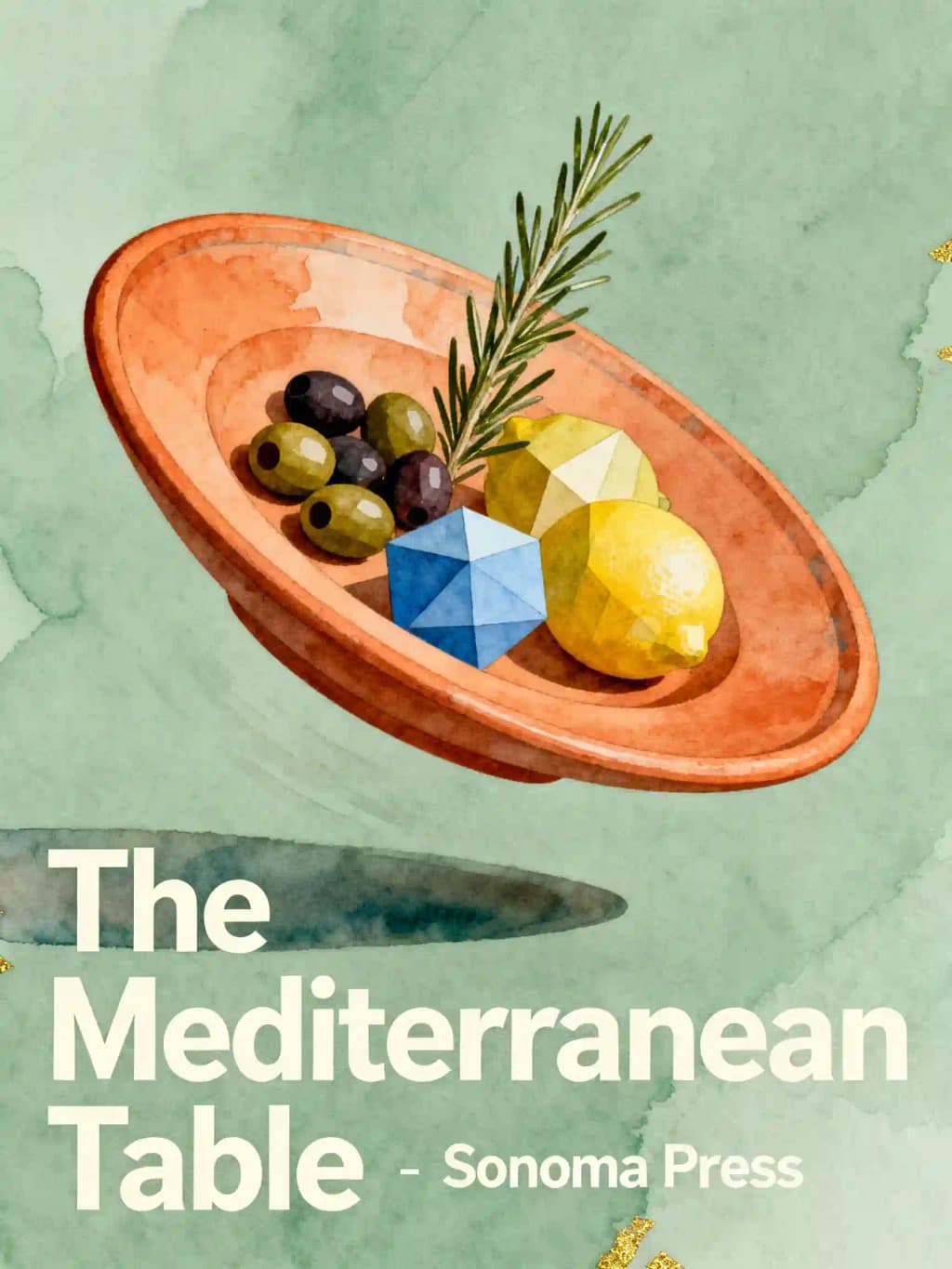
Discover 150+ vibrant Mediterranean recipes that transform healthy eating into culinary adventure. This colorful guide doesn't just offer meals - it delivers a 14-day lifestyle plan that's made countless home chefs rethink their relationship with food. Ready to eat like you're vacationing by the sea?
Sonoma Press, the publisher behind The Mediterranean Table: Simple Recipes for Healthy Living on the Mediterranean Diet, specializes in creating accessible, health-focused cookbooks that blend culinary tradition with modern wellness.
Known for demystifying complex dietary approaches, their works, including The Whole 9 Months: A Week-By-Week Pregnancy Nutrition Guide and Keto in 28: The Ultimate Low-Carb, High-Fat Weight-Loss Solution, empower readers to adopt sustainable, flavorful eating habits.
The Mediterranean Table reflects their commitment to vibrant, nutrient-rich cuisine, offering over 150 recipes that highlight the diet’s emphasis on fresh ingredients, communal dining, and holistic well-being. The book includes practical tools like a 14-day meal plan and regional culinary insights, cementing Sonoma Press as a trusted resource for home cooks seeking to embrace the Mediterranean lifestyle’s enduring health benefits.
The Mediterranean Table is a comprehensive cookbook featuring over 150 recipes from Southern Europe, Northern Africa, and the Middle East, designed to promote the Mediterranean diet’s health benefits. It includes a 14-day meal plan, regional culinary traditions, and dishes like Moroccan Lamb Wrap and Nut and Honey Baklava, emphasizing fresh ingredients and balanced eating.
This book is ideal for home cooks seeking healthy, flavorful recipes, individuals interested in Mediterranean cuisine, and those exploring the diet’s proven benefits for heart health and weight management. It’s also valuable for food enthusiasts wanting to explore diverse cultures through authentic dishes.
Yes, it offers practical guidance with easy-to-follow recipes, meal plans, and cooking tips, making it a standout resource for adopting the Mediterranean lifestyle. Its blend of cultural insight and nutritional expertise caters to both beginners and seasoned cooks.
Recipes span breakfast, mains, and desserts, including Breakfast Polenta with Pears, Lemon-Oregano Grilled Shrimp, and Eggplants Stuffed with Walnuts and Feta. Dishes highlight regional flavors from Spain, Greece, Morocco, and beyond, using olive oil, legumes, and fresh produce.
The book provides a structured 14-day meal plan with weekly menus, reducing guesswork. It pairs recipes with prep tips and ingredient lists, ensuring stress-free, nutritious meals rooted in Mediterranean diet principles.
It emphasizes the diet’s role in reducing chronic disease risks, promoting longevity, and supporting weight loss through nutrient-rich, minimally processed foods. The book also explains the science behind ingredients like olive oil and whole grains.
Yes, it features plant-based dishes like Classic Gazpacho and Chickpea Fritters, alongside seafood recipes such as Grilled Shrimp and Seared Duck Breast. The focus on vegetables, legumes, and lean proteins aligns with Mediterranean dietary staples.
Unlike generic diet books, it emphasizes regional diversity, offering recipes from North Africa and the Middle East alongside European classics. The cultural context and meal-planning tools provide a unique, holistic approach to healthy eating.
While praised for its recipes, some readers might find the ingredient lists extensive for beginners. However, the book’s clear instructions and adaptability to pantry staples mitigate this concern.
Yes, its focus on whole foods, portion control, and balanced meals aligns with weight management strategies. The meal plan’s structure and low-processed ingredients support sustainable, healthy eating habits.
Tips include maximizing flavor with herbs like oregano and rosemary, techniques for grilling seafood, and balancing spices in dishes like Harissa-based recipes. It also advises on stocking a Mediterranean pantry.
As interest in sustainable, health-focused diets grows, the book’s timeless recipes and evidence-based approach remain valuable. Its cultural depth and adaptability to modern dietary trends ensure continued appeal.
Siente el libro a través de la voz del autor
Convierte el conocimiento en ideas atractivas y llenas de ejemplos
Captura ideas clave en un instante para un aprendizaje rápido
Disfruta el libro de una manera divertida y atractiva
Food as medicine, meals as celebration.
Good olive oil isn't just a cooking medium-it's an ingredient with personality.
Desglosa las ideas clave de Mediterranean Table en puntos fáciles de entender para comprender cómo los equipos innovadores crean, colaboran y crecen.
Experimenta Mediterranean Table a través de narraciones vívidas que convierten las lecciones de innovación en momentos que recordarás y aplicarás.
Pregunta cualquier cosa, elige tu estilo de aprendizaje y co-crea ideas que realmente resuenen contigo.

Creado por exalumnos de la Universidad de Columbia en San Francisco
"Instead of endless scrolling, I just hit play on BeFreed. It saves me so much time."
"I never knew where to start with nonfiction—BeFreed’s book lists turned into podcasts gave me a clear path."
"Perfect balance between learning and entertainment. Finished ‘Thinking, Fast and Slow’ on my commute this week."
"Crazy how much I learned while walking the dog. BeFreed = small habits → big gains."
"Reading used to feel like a chore. Now it’s just part of my lifestyle."
"Feels effortless compared to reading. I’ve finished 6 books this month already."
"BeFreed turned my guilty doomscrolling into something that feels productive and inspiring."
"BeFreed turned my commute into learning time. 20-min podcasts are perfect for finishing books I never had time for."
"BeFreed replaced my podcast queue. Imagine Spotify for books — that’s it. 🙌"
"It is great for me to learn something from the book without reading it."
"The themed book list podcasts help me connect ideas across authors—like a guided audio journey."
"Makes me feel smarter every time before going to work"
Creado por exalumnos de la Universidad de Columbia en San Francisco

Obtén el resumen de Mediterranean Table como PDF o EPUB gratis. Imprímelo o léelo sin conexión en cualquier momento.
The Mediterranean diet isn't just another eating plan-it's a UNESCO-recognized cultural treasure that has captivated food lovers and researchers for decades. When researcher Ancel Keys observed in the 1950s that Southern Italians were healthier than wealthy New Yorkers despite consuming similar amounts of fat, he uncovered what would become one of the most studied dietary patterns in history. The difference? Mediterranean fat came primarily from olive oil and omega-3-rich sources. What makes this approach particularly appealing is that unlike restrictive diets focused on deprivation, the Mediterranean lifestyle celebrates fresh, wholesome ingredients and the pleasure of eating-proving that health and enjoyment can beautifully coexist at the same table. Imagine a way of eating where the focus isn't on what you can't have, but rather on embracing the abundance of what you can enjoy.
The Mediterranean approach transcends mere food choices - it embodies a lifestyle where meals are savored slowly with family and friends. Mediterranean people traditionally enjoy lengthy midday meals, improving digestion and fostering connection. This diet centers on vegetables, fruits, beans, and whole grains. Olive oil serves as the primary fat, with robust varieties for cooking and delicate ones for finishing. Seafood appears regularly, while dairy comes in modest portions of yogurt and cheese. The health benefits are substantial: this pattern reduces heart disease risk by up to 30%, cuts diabetes risk by more than half, and lowers cancer rates. Cambridge research found that strict adherence correlates with longer telomeres - the protective chromosome caps associated with longevity. Beyond statistics lies something equally valuable: sustainability. This approach focuses on delicious, satisfying foods rather than restriction, creating a relationship with eating that's both nourishing and joyful, unlike the deprivation cycle of many modern diets.
The Mediterranean kitchen relies on foundational ingredients that deliver extraordinary flavor and impressive nutritional benefits. These staples create the region's signature profile of brightness, depth, and aromatic complexity. Olive oil serves as the cornerstone, contributing distinctive flavor and heart-healthy monounsaturated fats. High-quality versions offer peppery, grassy notes that elevate simple vegetables. As Joyce Goldstein notes, "Good olive oil isn't just a cooking medium-it's an ingredient with personality." Legumes-particularly chickpeas, lentils, and fava beans-provide plant-based protein and fiber throughout the region. Their satisfying texture and ability to absorb flavors make them central to many dishes. Fresh herbs appear abundantly, transforming ordinary ingredients into extraordinary meals. The Mediterranean pantry also includes preserved foods that intensify flavor: briny olives, capers, sun-dried tomatoes, and anchovies that provide umami depth. Nuts and seeds add texture, protein, and healthy fats. What's minimal are processed foods, refined sugars, and factory-farmed meats. Instead, the emphasis remains on ingredients recognizable to previous generations-foods that naturally limit sodium, unhealthy fats, and empty calories prevalent in Western diets.
The Mediterranean eating pattern differs markedly from American habits. Breakfast is light yet nutritious-Greek yogurt with honey and walnuts, whole-grain rolls with preserves, or Spanish pan con tomate. The midday meal serves as the main event with multiple courses enjoyed leisurely. This mindful approach enhances digestion and naturally controls portions, often followed by a siesta. Dinner arrives later, around 8 or 9 p.m., and is typically lighter-vegetable soup, salad with bread and cheese, or small portions of seafood. This "eating light at night" pattern aligns with circadian rhythms and improves sleep. Snacking centers on nutritious options like olives, almonds, or fresh fruit rather than mindless munching. Most distinctively, Mediterranean cultures treat meals as social occasions. Families gather for conversation and connection, with food as the centerpiece but not the sole focus. As Dr. Marion Nestle notes, "It's not just what Mediterranean people eat-it's how they eat it."
Mediterranean cuisine derives its extraordinary flavors from techniques that maximize taste while preserving nutrition. Slow cooking transforms tough cuts into tender dishes with deep flavor, improving protein digestibility and releasing nutrients from vegetables. Conversely, quick high-heat methods preserve delicate ingredients. Mediterranean cooks know seafood needs minimal intervention - often just a brief encounter with a hot grill that maintains moisture while developing caramelization. Layering flavors begins with sauteed aromatics as a foundation, with herbs added strategically - some early for background notes, others at the end for brightness. Mediterranean seasoning enhances rather than masks. Salt amplifies existing flavors, acids create balance, and fresh herbs contribute aromatics that appeal to both nose and palate. Most distinctively, Mediterranean cooking allows ingredients to speak for themselves. A perfectly ripe tomato needs little more than good olive oil, flaky sea salt, and perhaps some torn basil - a minimalist approach reflecting respect for ingredients and recognizing that simplicity often enhances rather than detracts.
The Mediterranean meal structure provides a blueprint for balanced eating that naturally controls portions while celebrating flavor. Small plates like mezze, tapas, or antipasti start meals, offering variety that increases satisfaction while potentially reducing calories. Soups and salads follow, highlighting seasonal vegetables rich in fiber. Main courses are notably smaller than American portions, with traditional Italian pasta servings at just 1-2 ounces. Seafood appears frequently, while meat plays a supporting role. Side dishes aren't afterthoughts but essential components often occupying half the plate. Vegetables prepared with care deliver substantial nutrition while keeping calories reasonable. Desserts tend toward simplicity - fresh fruit concludes many everyday meals, with honey-sweetened treats reserved for special occasions. Wine accompanies many Mediterranean meals in small glasses sipped slowly, enhancing flavors while limiting alcohol intake. This moderate consumption may explain the "French paradox" of lower heart disease rates despite regular wine consumption. This structure naturally creates balanced meals with abundant plant foods, moderate proteins, and minimal processed ingredients - supporting health while delighting the senses.
Adopting Mediterranean eating patterns doesn't require relocating to a seaside village. Begin by reimagining your grocery shopping - prioritizing produce, exploring the bulk section for beans and grains, and selecting smaller portions of quality proteins. Reorganize your kitchen to make Mediterranean cooking intuitive. Place olive oil, vinegars, and spices within easy reach, store nuts and whole grains in clear containers at eye level, and position a fruit bowl prominently. These environmental changes influence food choices without constant willpower. Batch cooking becomes essential for busy lifestyles. Dedicate a weekend hour to preparing components that can be mixed throughout the week - roasted vegetables, beans, and grains like farro or bulgur. Mediterranean meals feature smaller amounts of animal protein while emphasizing plant foods. Use visual cues for portions - protein should be about the size of a deck of cards, cheese like dice, and grains occupying no more than a quarter of your plate. Embrace the social dimension of Mediterranean eating. Even in busy modern life, prioritizing shared meals enhances both nutrition and wellbeing. This perspective shift - viewing meals as opportunities for connection rather than mere refueling - may be the most valuable aspect of Mediterranean eating. Why not begin tonight? Set the table, invite someone you care about, and savor not just the flavors of a simple Mediterranean-inspired meal, but the moment of connection it creates.