Resumen de Hillbilly Elegy
Hillbilly Elegy reveals America's forgotten heartland through Vance's raw memoir. Called "essential reading" by David Brooks and "the most important book about America" by The Economist, it moved German Chancellor Scholz to tears. What cultural blind spot are you missing?
- Hillbilly culture's self-destructive habits perpetuate generational poverty cycles
- Escaping toxic communities proves more effective than systemic economic reforms
- Personal agency triumphs over economic disadvantage in Vance's upward mobility journey
- Appalachian loyalty binds families but entrenches destructive behavioral patterns
- Vance's Marine Corps service taught disciplined thinking over reactive anger
- Government programs cannot replace parental responsibility in childhood development
- "Hillbilly Elegy" reveals how cultural pessimism undermines educational achievement
- Vance credits grandmother Mamaw's stability for breaking his family's chaos
- White working-class struggles mirror minority experiences with systemic marginalization
- Yale Law success required unlearning Appalachian defensive confrontation instincts
- Opioid crisis exposes intersection of economic despair and cultural collapse
- Vance's story challenges both liberal and conservative poverty narratives equally
Sobre el autor de Hillbilly Elegy
James David Vance, bestselling author of Hillbilly Elegy: A Memoir of a Family and Culture in Crisis, is a venture capitalist, U.S. Vice President, and prominent voice on working-class America. Born in Middletown, Ohio, in 1984, Vance drew from his Appalachian upbringing and Marine Corps service in Iraq to craft this critically acclaimed memoir, which explores themes of socioeconomic mobility, regional identity, and intergenerational trauma.
A Yale Law School graduate and former clerk for federal judge David Bunning, Vance co-founded Narya Capital and frequently contributes to political discourse through media appearances, including his 2025 interview on Face the Nation.
Hillbilly Elegy became a cultural touchstone during the 2016 election cycle, spending over 80 weeks on The New York Times bestseller list and inspiring a Netflix adaptation directed by Ron Howard. The memoir has been translated into 22 languages and remains a staple in sociology and political science curricula. Vance’s transition from memoirist to U.S. Senator (2023–2025) and later Vice President underscores his unique perspective on policy and American identity.
Preguntas frecuentes sobre Hillbilly Elegy
What is Hillbilly Elegy by J.D. Vance about?
Hillbilly Elegy is a memoir exploring J.D. Vance’s upbringing in Appalachia’s working-class culture, analyzing systemic poverty, family struggles, and upward mobility. It blends personal anecdotes with critiques of societal attitudes toward education, economic decline, and addiction in Rust Belt communities. The book sparked national debate about responsibility, with critics arguing it oversimplifies systemic issues.
Who should read Hillbilly Elegy?
This book suits readers interested in memoirs about social mobility, rural American life, or debates on personal agency vs. systemic barriers. It’s relevant for those studying sociology, political discourse, or cultural critiques, though Appalachian scholars caution against treating it as a definitive regional portrait.
Is Hillbilly Elegy worth reading?
While praised for its raw storytelling and insights into working-class struggles, the book is controversial. Supporters commend its candid exploration of resilience, while critics argue it perpetuates stereotypes and ignores structural inequalities. It remains a polarizing but culturally significant work.
What are the main themes in Hillbilly Elegy?
Key themes include:
- Upward mobility: Vance’s journey from poverty to Yale Law School.
- Cultural critique: Examining Appalachian values like loyalty and distrust of institutions.
- Family dynamics: Cycles of addiction and instability.
- Personal responsibility: Debating whether individuals can overcome systemic barriers.
How does J.D. Vance’s military service influence Hillbilly Elegy?
Vance credits the Marine Corps with instilling discipline and structure, which helped him break free from chaotic family patterns. His deployment in Iraq is briefly mentioned as a formative experience shaping his worldview.
What criticisms exist about Hillbilly Elegy?
Critics argue it:
- Generalizes Appalachian culture as monolithic.
- Overemphasizes personal choices while downplaying systemic issues like wage stagnation.
- Fails to address racial diversity within rural communities. Scholars note it reflects Vance’s subjective perspective rather than academic analysis.
How does Hillbilly Elegy address addiction?
Vance details his mother’s opioid addiction and its impact on his childhood, framing substance abuse as both a personal failing and a cultural symptom. He contrasts his grandmother’s tough-love approach with systemic healthcare gaps.
What role does family play in Hillbilly Elegy?
Vance’s “Mamaw” and “Papaw” are central figures, providing stability amid chaos. Their tough Appalachian values—like fierce loyalty and self-reliance—shape his resilience but also reflect generational trauma.
How does Hillbilly Elegy define the “American Dream”?
Vance portrays it as achievable through grit and support networks, but acknowledges systemic hurdles like underfunded schools. Critics argue this duality leaves the book’s message conflicted.
What quotes from Hillbilly Elegy are most impactful?
Notable lines include:
- “We pray to be blessed with the kind of poverty that we can handle.” – Highlighting cultural religiosity and hardship.
- “I grew up poor, in the Rust Belt, in an Ohio steel town that has been hemorrhaging jobs and hope.” – Setting the memoir’s tone.
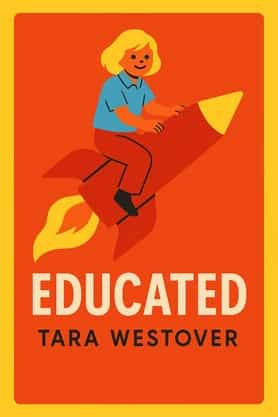
How does Hillbilly Elegy compare to Educated by Tara Westover?
Both memoirs explore escaping tumultuous upbringings through education, but Educated focuses more on ideological isolation (e.g., survivalist family), while Hillbilly Elegy emphasizes cultural and economic marginalization.
Why is Hillbilly Elegy still relevant in 2025?
Its themes resonate in debates about rural disillusionment, political polarization, and opioid crises. Vance’s rise to vice president (2025– ) has renewed interest in his portrayal of working-class struggles.
Siente el libro a través de la voz del autor
Convierte el conocimiento en ideas atractivas y llenas de ejemplos
Captura ideas clave en un instante para un aprendizaje rápido
Disfruta el libro de una manera divertida y atractiva
Personajes en Hillbilly Elegy
- J.D. VanceThe author and protagonist of the memoir
- MamawJ.D.'s grandmother, Bonnie Vance
- PapawJ.D.'s grandfather, James Vance
- BevJ.D.'s mother who struggles with addiction
- LindsayJ.D.'s sister
Temas clave en Hillbilly Elegy
- appalachian culture
- intergenerational poverty
- rust belt decline
- adverse childhood experiences
- working class struggle
Citas de Hillbilly Elegy
Mamaw colorfully condemned the "fucking zoning laws".
Men were unreliable - they "disappear at the drop of a hat".
Never start a fight but always end one.
A man's home was his castle.
Explora Tu Forma de Aprender
 Modo Resumen Rápido
Lee o escucha el resumen de Hillbilly Elegy en 8 minutos
Desglosa las ideas clave de Hillbilly Elegy en puntos fáciles de entender para comprender cómo los equipos innovadores crean, colaboran y crecen.

 Modo Divertido
Lecciones de Hillbilly Elegy Contadas en Historias de 22 Min
Experimenta Hillbilly Elegy a través de narraciones vívidas que convierten las lecciones de innovación en momentos que recordarás y aplicarás.
 Modo Personalizar
Experimenta Hillbilly Elegy con tu propio estilo de aprendizaje
Pregunta cualquier cosa, elige tu estilo de aprendizaje y co-crea ideas que realmente resuenen contigo.

Creado por exalumnos de la Universidad de Columbia en San Francisco
"Instead of endless scrolling, I just hit play on BeFreed. It saves me so much time."


"I never knew where to start with nonfiction—BeFreed’s book lists turned into podcasts gave me a clear path."


"Perfect balance between learning and entertainment. Finished ‘Thinking, Fast and Slow’ on my commute this week."
"Crazy how much I learned while walking the dog. BeFreed = small habits → big gains."
"Reading used to feel like a chore. Now it’s just part of my lifestyle."

"Feels effortless compared to reading. I’ve finished 6 books this month already."
"BeFreed turned my guilty doomscrolling into something that feels productive and inspiring."

"BeFreed turned my commute into learning time. 20-min podcasts are perfect for finishing books I never had time for."
"BeFreed replaced my podcast queue. Imagine Spotify for books — that’s it. 🙌"

"It is great for me to learn something from the book without reading it."
"The themed book list podcasts help me connect ideas across authors—like a guided audio journey."
"Makes me feel smarter every time before going to work"
Creado por exalumnos de la Universidad de Columbia en San Francisco
"Instead of endless scrolling, I just hit play on BeFreed. It saves me so much time."
"I never knew where to start with nonfiction—BeFreed’s book lists turned into podcasts gave me a clear path."
"Perfect balance between learning and entertainment. Finished ‘Thinking, Fast and Slow’ on my commute this week."
"Crazy how much I learned while walking the dog. BeFreed = small habits → big gains."
"Reading used to feel like a chore. Now it’s just part of my lifestyle."
"Feels effortless compared to reading. I’ve finished 6 books this month already."
"BeFreed turned my guilty doomscrolling into something that feels productive and inspiring."
"BeFreed turned my commute into learning time. 20-min podcasts are perfect for finishing books I never had time for."
"BeFreed replaced my podcast queue. Imagine Spotify for books — that’s it. 🙌"
"It is great for me to learn something from the book without reading it."
"The themed book list podcasts help me connect ideas across authors—like a guided audio journey."
"Makes me feel smarter every time before going to work"
"Instead of endless scrolling, I just hit play on BeFreed. It saves me so much time."
"I never knew where to start with nonfiction—BeFreed’s book lists turned into podcasts gave me a clear path."
"Perfect balance between learning and entertainment. Finished ‘Thinking, Fast and Slow’ on my commute this week."
"Crazy how much I learned while walking the dog. BeFreed = small habits → big gains."
"Reading used to feel like a chore. Now it’s just part of my lifestyle."
"Feels effortless compared to reading. I’ve finished 6 books this month already."
"BeFreed turned my guilty doomscrolling into something that feels productive and inspiring."
"BeFreed turned my commute into learning time. 20-min podcasts are perfect for finishing books I never had time for."
"BeFreed replaced my podcast queue. Imagine Spotify for books — that’s it. 🙌"
"It is great for me to learn something from the book without reading it."
"The themed book list podcasts help me connect ideas across authors—like a guided audio journey."
"Makes me feel smarter every time before going to work"
"Instead of endless scrolling, I just hit play on BeFreed. It saves me so much time."
"I never knew where to start with nonfiction—BeFreed’s book lists turned into podcasts gave me a clear path."
"Perfect balance between learning and entertainment. Finished ‘Thinking, Fast and Slow’ on my commute this week."
"Crazy how much I learned while walking the dog. BeFreed = small habits → big gains."
"Reading used to feel like a chore. Now it’s just part of my lifestyle."
"Feels effortless compared to reading. I’ve finished 6 books this month already."
"BeFreed turned my guilty doomscrolling into something that feels productive and inspiring."
"BeFreed turned my commute into learning time. 20-min podcasts are perfect for finishing books I never had time for."
"BeFreed replaced my podcast queue. Imagine Spotify for books — that’s it. 🙌"
"It is great for me to learn something from the book without reading it."
"The themed book list podcasts help me connect ideas across authors—like a guided audio journey."
"Makes me feel smarter every time before going to work"

Descargar resumen de Hillbilly Elegy
Obtén el resumen de Hillbilly Elegy como PDF o EPUB gratis. Imprímelo o léelo sin conexión en cualquier momento.