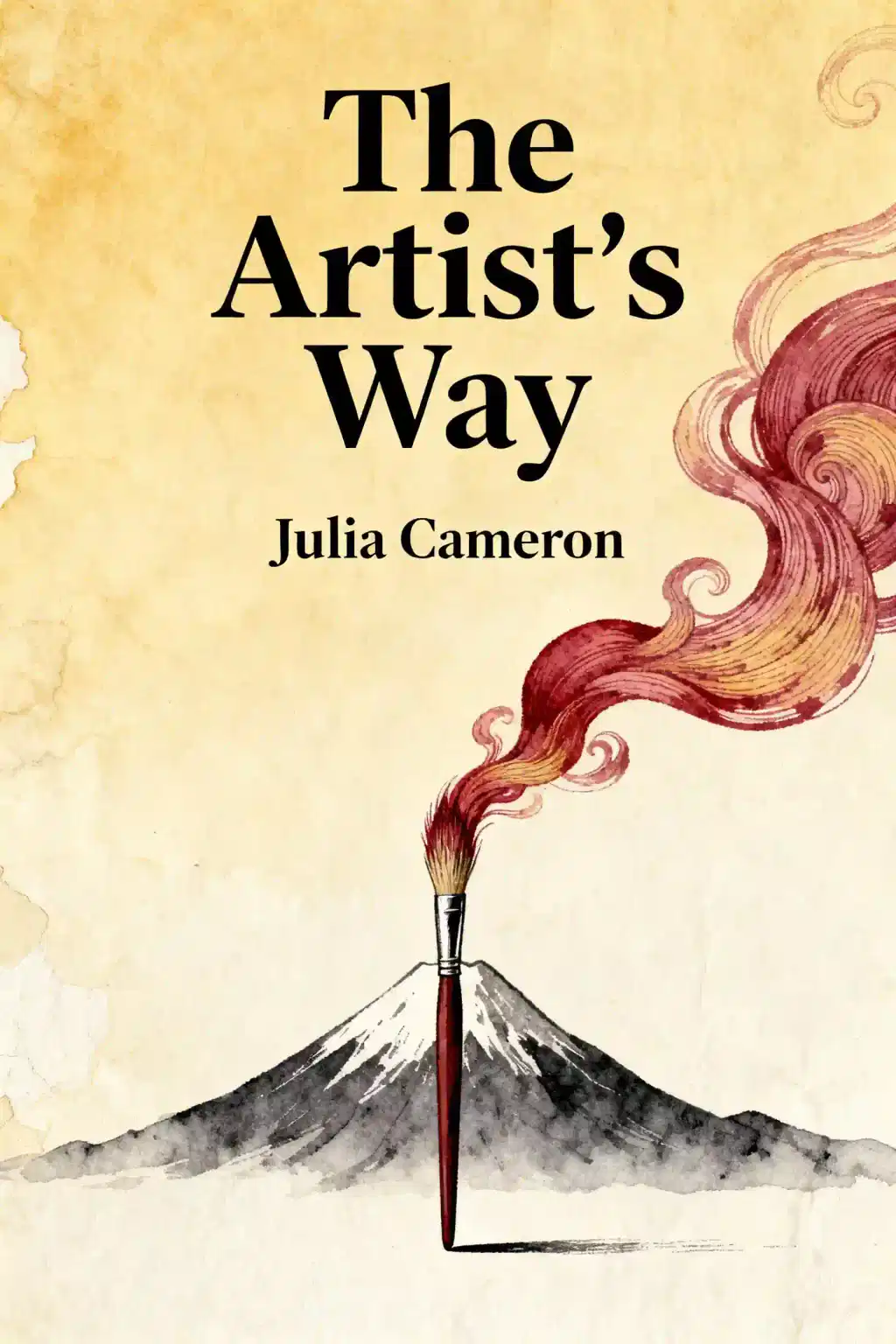
Overview of The artist's way
Unlock your creative blockages with the book that transformed four million lives. Elizabeth Gilbert credits it for inspiring "Eat, Pray, Love," while Martin Scorsese endorses its power. What creative genius lies dormant within you, waiting for "Morning Pages" to awaken it?
- Morning Pages unblock creativity through daily stream-of-consciousness writing
- Artist Dates nurture inspiration via weekly solo adventures in curiosity
- Creativity flows from divine source—using it honors God’s gift
- Shadow artists hide behind others’ work until reclaiming their voice
- Synchronicity guides creators through meaningful coincidences when staying open
- Progress over perfection fuels creative recovery more than polished results
- Tiny consistent actions build creative confidence faster than grand gestures
- Criticism shrinks audacity while encouragement expands creative risk-taking
- Creative droughts often mask self-sabotage from scarcity mindset fears
- The Great Creator collaborates when artists release ego-driven control
- Creativity thrives on gentle goals met through disciplined showing up
- Blocked artists suffer more than those embracing imperfect creation
About the Author of The artist's way
Julia B. Cameron, bestselling author of The Artist’s Way, is a pioneering creativity expert and multidisciplinary artist whose work has transformed millions of lives. A former journalist for Rolling Stone and screenwriter for films like Taxi Driver and New York, New York, Cameron’s insights on creative unblocking stem from her battles with addiction and her journey to sobriety.
Her landmark book blends spiritual practice with pragmatic tools like “Morning Pages,” reflecting her decades of teaching at institutions including Northwestern University and the Omega Institute.
Cameron has authored over 40 books, including the sequels Walking in This World and Finding Water, which expand on her methods for sustaining artistic vitality. Dubbed “The Queen of Change” by The New York Times, her work is taught globally in creative writing programs, corporate workshops, and holistic retreats. The Artist’s Way has sold over 5 million copies and been translated into 40 languages, remaining a cornerstone of creativity literature since its 1992 release.
FAQs About The artist's way
What is The Artist’s Way by Julia Cameron about?
The Artist’s Way is a 12-week creativity recovery program designed to help individuals overcome creative blocks through practices like Morning Pages (daily stream-of-consciousness writing) and Artist Dates (weekly solo excursions). It blends spiritual principles with practical exercises to reconnect users with their innate creativity, addressing self-doubt, perfectionism, and societal pressures that stifle artistic expression.
Who should read The Artist’s Way by Julia Cameron?
This book is ideal for anyone feeling creatively blocked, from hobbyists to professionals across all artistic disciplines (writers, painters, musicians) or those seeking self-discovery. It’s also used by individuals navigating life transitions, recovering from burnout, or exploring spirituality through creativity.
Is The Artist’s Way worth reading?
Yes, with over 5 million copies sold and endorsements from figures like Elizabeth Gilbert and Alicia Keys, The Artist’s Way remains relevant for its proven methods to unblock creativity. Its structured yet flexible approach helps users build consistent creative habits, though some may find its spiritual references (e.g., “God” or “higher power”) challenging.
What are Morning Pages in The Artist’s Way?
Morning Pages involve writing three pages of longhand, stream-of-consciousness thoughts every morning. This practice clears mental clutter, identifies recurring fears, and uncovers creative insights. Julia Cameron describes it as a “brain drain” essential for silencing inner critics and fostering clarity.
How do Artist Dates work in The Artist’s Way?
Artist Dates are weekly solo activities designed to “fill the creative well,” such as visiting a museum, taking a walk, or trying a new craft. These excursions stimulate inspiration and help users reconnect with their playful, curious selves without judgment.
What is the 12-week structure of The Artist’s Way?
The book is divided into 12 chapters, each focusing on a theme like recovering a sense of safety, identity, or power. Weekly tasks include reflective exercises (e.g., listing childhood joys), affirmations, and revisiting past traumas that hinder creativity. Users often join “Creative Clusters” for accountability.
Does The Artist’s Way require a belief in God?
While the book references a “higher power,” Cameron encourages interpreting this concept flexibly—as the universe, inner wisdom, or collective creativity. Skeptics can adapt the spiritual elements to secular frameworks, focusing on the psychological benefits of surrender and trust.
What are common criticisms of The Artist’s Way?
Some find the program time-intensive (90+ minutes daily) or overly abstract in its guidance. The spiritual undertones and lack of concrete art-specific advice may alienate secular readers or those seeking technical skill-building.
How does The Artist’s Way address creative recovery?
Cameron argues that creativity is a spiritual practice blocked by “toxic rituals” like self-criticism or comparison. Her exercises rebuild self-trust through incremental progress, reframing failures as growth opportunities and emphasizing consistency over perfection.
Why is The Artist’s Way popular on TikTok?
The #ArtistsWay hashtag has 8M+ views as Gen Z embraces Morning Pages for mental health and creativity. Its bite-sized exercises align with digital detox trends, while celebrities like Bella Hadid and Olivia Rodrigo have endorsed its timeless advice.
How does The Artist’s Way compare to Atomic Habits?
While Atomic Habits focuses on systemic behavior change, The Artist’s Way prioritizes emotional healing as the foundation for creativity. Both emphasize daily rituals, but Cameron’s approach is more introspective and spiritually oriented.
Can The Artist’s Way help non-artists?
Yes—the program applies to anyone seeking to cultivate creativity in problem-solving, career pivots, or personal growth. Entrepreneurs, teachers, and even scientists use it to overcome fear-based thinking and innovate more freely.
Feel the book through the author's voice
Turn knowledge into engaging, example-rich insights
Capture key ideas in a flash for fast learning
Enjoy the book in a fun and engaging way
Characters in The artist's way
- Julia CameronAuthor and creator of the 12-week program
- Martin ScorseseDirector and former husband of the author
- Elizabeth GilbertAuthor influenced by the book's methodology
Key Themes in The artist's way
- creative recovery
- silencing inner critics
- morning pages practice
- artistic spirituality
- overcoming creative blocks
Quotes from The artist's way
Trust that you will be guided.
Creativity isn't magic - it's practice.
Morning pages clear the mental pathways, while artist dates fill them with fresh inspiration.
Explore Your Way of Learning
 Quick Summary Mode
Read or listen to The artist's way Summary in 9 Minutes
Break down key ideas from The artist's way into bite-sized takeaways to understand how innovative teams create, collaborate, and grow.

 Fun Mode
The artist's way Lessons Told Through 22-Min Stories
Experience The artist's way through vivid storytelling that turns innovation lessons into moments you'll remember and apply.
 Personalize Mode
Experience The artist's way in your own learning style
Ask anything, choose your learning style, and co-create insights that truly resonate with you.

From Columbia University alumni built in San Francisco
"Instead of endless scrolling, I just hit play on BeFreed. It saves me so much time."


"I never knew where to start with nonfiction—BeFreed’s book lists turned into podcasts gave me a clear path."


"Perfect balance between learning and entertainment. Finished ‘Thinking, Fast and Slow’ on my commute this week."
"Crazy how much I learned while walking the dog. BeFreed = small habits → big gains."
"Reading used to feel like a chore. Now it’s just part of my lifestyle."

"Feels effortless compared to reading. I’ve finished 6 books this month already."
"BeFreed turned my guilty doomscrolling into something that feels productive and inspiring."

"BeFreed turned my commute into learning time. 20-min podcasts are perfect for finishing books I never had time for."
"BeFreed replaced my podcast queue. Imagine Spotify for books — that’s it. 🙌"

"It is great for me to learn something from the book without reading it."
"The themed book list podcasts help me connect ideas across authors—like a guided audio journey."
"Makes me feel smarter every time before going to work"
From Columbia University alumni built in San Francisco
"Instead of endless scrolling, I just hit play on BeFreed. It saves me so much time."
"I never knew where to start with nonfiction—BeFreed’s book lists turned into podcasts gave me a clear path."
"Perfect balance between learning and entertainment. Finished ‘Thinking, Fast and Slow’ on my commute this week."
"Crazy how much I learned while walking the dog. BeFreed = small habits → big gains."
"Reading used to feel like a chore. Now it’s just part of my lifestyle."
"Feels effortless compared to reading. I’ve finished 6 books this month already."
"BeFreed turned my guilty doomscrolling into something that feels productive and inspiring."
"BeFreed turned my commute into learning time. 20-min podcasts are perfect for finishing books I never had time for."
"BeFreed replaced my podcast queue. Imagine Spotify for books — that’s it. 🙌"
"It is great for me to learn something from the book without reading it."
"The themed book list podcasts help me connect ideas across authors—like a guided audio journey."
"Makes me feel smarter every time before going to work"
"Instead of endless scrolling, I just hit play on BeFreed. It saves me so much time."
"I never knew where to start with nonfiction—BeFreed’s book lists turned into podcasts gave me a clear path."
"Perfect balance between learning and entertainment. Finished ‘Thinking, Fast and Slow’ on my commute this week."
"Crazy how much I learned while walking the dog. BeFreed = small habits → big gains."
"Reading used to feel like a chore. Now it’s just part of my lifestyle."
"Feels effortless compared to reading. I’ve finished 6 books this month already."
"BeFreed turned my guilty doomscrolling into something that feels productive and inspiring."
"BeFreed turned my commute into learning time. 20-min podcasts are perfect for finishing books I never had time for."
"BeFreed replaced my podcast queue. Imagine Spotify for books — that’s it. 🙌"
"It is great for me to learn something from the book without reading it."
"The themed book list podcasts help me connect ideas across authors—like a guided audio journey."
"Makes me feel smarter every time before going to work"
"Instead of endless scrolling, I just hit play on BeFreed. It saves me so much time."
"I never knew where to start with nonfiction—BeFreed’s book lists turned into podcasts gave me a clear path."
"Perfect balance between learning and entertainment. Finished ‘Thinking, Fast and Slow’ on my commute this week."
"Crazy how much I learned while walking the dog. BeFreed = small habits → big gains."
"Reading used to feel like a chore. Now it’s just part of my lifestyle."
"Feels effortless compared to reading. I’ve finished 6 books this month already."
"BeFreed turned my guilty doomscrolling into something that feels productive and inspiring."
"BeFreed turned my commute into learning time. 20-min podcasts are perfect for finishing books I never had time for."
"BeFreed replaced my podcast queue. Imagine Spotify for books — that’s it. 🙌"
"It is great for me to learn something from the book without reading it."
"The themed book list podcasts help me connect ideas across authors—like a guided audio journey."
"Makes me feel smarter every time before going to work"

Download Summary of The artist's way
Get the The artist's way summary as a free PDF or EPUB. Print it or read offline anytime.