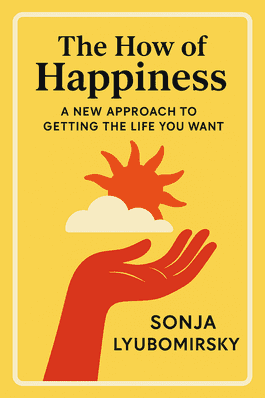
The How of Happiness by Sonja Lyubomirsky Summary

Overview of The How of Happiness
Discover the science of lasting joy with UC Riverside's top-ranked psychologist. "The How of Happiness" shatters the myth that circumstances determine happiness, revealing that 40% is within your control. What daily activity could triple your happiness starting today?
- Sonja Lyubomirsky's 40% rule shows intentional actions control happiness outcomes
- Weekly gratitude journaling outperforms material purchases for lasting joy elevation
- Hedonic adaptation weakens through varied kindness acts and savoring techniques
- Flow activities increase happiness more than passive entertainment consumption
- Social connection quality predicts happiness better than relationship quantity
- Goal commitment strategies prevent happiness erosion from aimless routine
- Counterfactual thinking exercises reduce overthinking and social comparison traps
- Forgiveness rituals lower stress hormones and increase emotional resilience
- Happiness set points can shift through sustained positivity habit formation
- Micro-moments of mindfulness outperform occasional meditation retreat benefits
- Lyubomirsky's 12 evidence-based strategies work best when personalized monthly
- Biological happiness boosts come from acting happy before feeling happy
About the Author of The How of Happiness
Sonja Lyubomirsky is the bestselling author of The How of Happiness: A Scientific Approach to Getting the Life You Want and a distinguished professor of psychology at the University of California, Riverside, specializing in positive psychology and evidence-based well-being strategies.
A Harvard and Stanford-trained researcher, her work explores how intentional practices like gratitude and kindness can sustainably boost happiness, as outlined in her groundbreaking 50-40-10 happiness model. She further examines misconceptions about joy in her follow-up book, The Myths of Happiness, which challenges cultural narratives about life milestones.
Lyubomirsky’s research has earned prestigious recognition, including a Templeton Positive Psychology Prize and a National Institute of Mental Health grant. A frequent media contributor, she has appeared on CNN’s The Whole Story with Anderson Cooper and in The Los Angeles Times.
The How of Happiness, translated into 22 languages, spurred a Netflix documentary (Mission Joy) and a science-backed iPhone app, cementing its status as a modern classic in self-improvement literature.
FAQs About The How of Happiness
What is The How of Happiness by Sonja Lyubomirsky about?
The How of Happiness is a science-backed guide to increasing well-being through intentional actions. Sonja Lyubomirsky breaks down happiness into three components: 50% genetics, 40% controllable behaviors, and 10% life circumstances. The book provides 12 evidence-based strategies—like practicing gratitude, nurturing relationships, and savoring moments—to help readers sustainably boost their happiness. It combines psychology research with practical exercises, making it a workbook for personal growth.
Who should read The How of Happiness?
This book is ideal for anyone seeking actionable, research-based methods to improve their well-being. It’s particularly valuable for individuals interested in positive psychology, self-improvement enthusiasts, or those navigating life transitions. Lyubomirsky’s approach is accessible to general readers but rigorous enough for professionals in psychology or coaching.
Is The How of Happiness worth reading?
Yes—it’s one of the most comprehensive guides to happiness, blending academic rigor with practical tools. The 12 activities (e.g., expressing gratitude, committing to goals) are backed by peer-reviewed studies, and the “Person-Activity Fit Diagnostic” helps readers personalize strategies. Its focus on sustainable habits makes it a standout in the self-help genre.
What are the 12 happiness strategies in The How of Happiness?
Lyubomirsky’s 12 evidence-based activities include:
- Expressing gratitude and cultivating optimism.
- Investing in social connections through kindness and nurturing relationships.
- Managing stress via coping strategies and forgiveness.
- Increasing “flow” experiences and savoring joys.
- Committing to goals and practicing self-care (e.g., meditation, physical activity).
How does The How of Happiness explain the 50-40-10 model?
The model posits that 50% of happiness is genetically determined, 40% stems from intentional actions, and only 10% depends on external circumstances (e.g., income, job status). This framework emphasizes that lasting happiness requires effort, not just life changes, empowering readers to focus on controllable behaviors.
What is the “Person-Activity Fit Diagnostic” in the book?
This tool helps readers identify which of the 12 happiness strategies align best with their strengths, lifestyle, and goals. By selecting activities that feel authentic and enjoyable, users increase the likelihood of sustaining new habits. Lyubomirsky advises focusing on the top four strategies from the diagnostic.
Does The How of Happiness address depression?
While the book isn’t a substitute for clinical treatment, it includes a postscript cautioning that severe depression requires professional help. Lyubomirsky clarifies that her strategies target general well-being enhancement, not mental illness remediation, and encourages those struggling to seek therapy or medication.
How does The How of Happiness compare to other positive psychology books?
Unlike vague self-help guides, this book prioritizes scientifically validated methods. It’s often compared to The Happiness Project but stands out for its structured framework (e.g., the 50-40-10 model) and diagnostic tools. Lyubomirsky’s academic credentials add credibility lacking in anecdotal approaches.
What criticisms exist about The How of Happiness?
Some argue the 50-40-10 model oversimplifies complex psychological factors. Others note that maintaining intentional habits long-term can be challenging. However, most critics praise its evidence-based approach and practicality, acknowledging that sustained effort is inherently difficult.
Can The How of Happiness strategies improve workplace well-being?
Yes—practices like gratitude journaling, fostering social ties, and setting meaningful goals are easily adaptable to work environments. Employees who apply these strategies report reduced stress, better teamwork, and increased job satisfaction, according to studies cited in the book.
What quotes from The How of Happiness are most impactful?
Key quotes include:
- “Happiness is a state of mind, not a set of circumstances.”
- “The happiest people don’t have the best of everything; they make the best of everything.” These emphasize proactive mindset shifts over passive waiting for external changes.
Why is The How of Happiness still relevant in 2025?
Amid rising mental health challenges and remote work isolation, its focus on controllable behaviors resonates strongly. The strategies are adaptable to digital lifestyles, such as virtual gratitude practices or online community building, making it a timeless resource for modern well-being.
Feel the book through the author's voice
Turn knowledge into engaging, example-rich insights
Capture key ideas in a flash for fast learning
Enjoy the book in a fun and engaging way
Key Themes in The How of Happiness
Quotes from The How of Happiness
Happiness is not out there for us to find. The key is to look inside.
What if 40% of your happiness was entirely within your control?
Most of us have a deeply flawed understanding of what makes us happy.
Happiness is an internal state we can actively cultivate.
Our relationships fundamentally shape our happiness.
Characters in The How of Happiness
Quick Summary Mode - Read or listen to The How of Happiness Summary in 9 Minutes

Break down key ideas from The How of Happiness into bite-sized takeaways to understand how innovative teams create, collaborate, and grow.

Flash Card Mode - Top 10 Insights from The How of Happiness in a Nutshell

Distill The How of Happiness into rapid-fire memory cues that highlight key principles of candor, teamwork, and creative resilience.

Fun Mode - The How of Happiness Lessons Told Through 22-Min Stories

Experience The How of Happiness through vivid storytelling that turns innovation lessons into moments you'll remember and apply.
Personalize Mode - Read or listen to The How of Happiness Summary in 0 Minutes

Ask anything, pick the voice, and co-create insights that truly resonate with you.

From Columbia University alumni built in San Francisco
"Instead of endless scrolling, I just hit play on BeFreed. It saves me so much time."


"I never knew where to start with nonfiction—BeFreed’s book lists turned into podcasts gave me a clear path."


"Perfect balance between learning and entertainment. Finished ‘Thinking, Fast and Slow’ on my commute this week."
"Crazy how much I learned while walking the dog. BeFreed = small habits → big gains."
"Reading used to feel like a chore. Now it’s just part of my lifestyle."

"Feels effortless compared to reading. I’ve finished 6 books this month already."
"BeFreed turned my guilty doomscrolling into something that feels productive and inspiring."

"BeFreed turned my commute into learning time. 20-min podcasts are perfect for finishing books I never had time for."
"BeFreed replaced my podcast queue. Imagine Spotify for books — that’s it. 🙌"

"It is great for me to learn something from the book without reading it."
"The themed book list podcasts help me connect ideas across authors—like a guided audio journey."
"Makes me feel smarter every time before going to work"
From Columbia University alumni built in San Francisco
"Instead of endless scrolling, I just hit play on BeFreed. It saves me so much time."
"I never knew where to start with nonfiction—BeFreed’s book lists turned into podcasts gave me a clear path."
"Perfect balance between learning and entertainment. Finished ‘Thinking, Fast and Slow’ on my commute this week."
"Crazy how much I learned while walking the dog. BeFreed = small habits → big gains."
"Reading used to feel like a chore. Now it’s just part of my lifestyle."
"Feels effortless compared to reading. I’ve finished 6 books this month already."
"BeFreed turned my guilty doomscrolling into something that feels productive and inspiring."
"BeFreed turned my commute into learning time. 20-min podcasts are perfect for finishing books I never had time for."
"BeFreed replaced my podcast queue. Imagine Spotify for books — that’s it. 🙌"
"It is great for me to learn something from the book without reading it."
"The themed book list podcasts help me connect ideas across authors—like a guided audio journey."
"Makes me feel smarter every time before going to work"
"Instead of endless scrolling, I just hit play on BeFreed. It saves me so much time."
"I never knew where to start with nonfiction—BeFreed’s book lists turned into podcasts gave me a clear path."
"Perfect balance between learning and entertainment. Finished ‘Thinking, Fast and Slow’ on my commute this week."
"Crazy how much I learned while walking the dog. BeFreed = small habits → big gains."
"Reading used to feel like a chore. Now it’s just part of my lifestyle."
"Feels effortless compared to reading. I’ve finished 6 books this month already."
"BeFreed turned my guilty doomscrolling into something that feels productive and inspiring."
"BeFreed turned my commute into learning time. 20-min podcasts are perfect for finishing books I never had time for."
"BeFreed replaced my podcast queue. Imagine Spotify for books — that’s it. 🙌"
"It is great for me to learn something from the book without reading it."
"The themed book list podcasts help me connect ideas across authors—like a guided audio journey."
"Makes me feel smarter every time before going to work"
"Instead of endless scrolling, I just hit play on BeFreed. It saves me so much time."
"I never knew where to start with nonfiction—BeFreed’s book lists turned into podcasts gave me a clear path."
"Perfect balance between learning and entertainment. Finished ‘Thinking, Fast and Slow’ on my commute this week."
"Crazy how much I learned while walking the dog. BeFreed = small habits → big gains."
"Reading used to feel like a chore. Now it’s just part of my lifestyle."
"Feels effortless compared to reading. I’ve finished 6 books this month already."
"BeFreed turned my guilty doomscrolling into something that feels productive and inspiring."
"BeFreed turned my commute into learning time. 20-min podcasts are perfect for finishing books I never had time for."
"BeFreed replaced my podcast queue. Imagine Spotify for books — that’s it. 🙌"
"It is great for me to learn something from the book without reading it."
"The themed book list podcasts help me connect ideas across authors—like a guided audio journey."
"Makes me feel smarter every time before going to work"

Get the The How of Happiness summary as a free PDF or EPUB. Print it or read offline anytime.