

Resumen de Black Flags
Pulitzer Prize-winning "Black Flags" traces ISIS's terrifying rise from prison cells to caliphate. Former CIA Director John Brennan called it "a must-read" for understanding Middle East conflicts. How did one Jordanian criminal mastermind a movement that would reshape global terrorism forever?
- How Zarqawi’s prison radicalization birthed ISIS’s ideological core
- U.S. invasion of Iraq inadvertently fueled Zarqawi’s insurgent recruitment
- Syrian civil war created power vacuums ISIS exploited for territorial gains
- Brutal beheadings became ISIS’s signature tactic to terrorize and globalize influence
- CIA-Jordanian intel collaboration led to Zarqawi’s 2006 drone strike elimination
- Al-Qaeda disavowed Zarqawi’s extreme violence before ISIS embraced it as strategy
- Joby Warrick traces ISIS origins to Bush/Obama-era counterterrorism miscalculations
- “Islamic State” rebranding marked shift from local insurgency to pseudo-nation building
- Pulitzer-winning analysis reveals how prisoner interrogations exposed ISIS’s financial networks
- Zarqawi’s 1999 prison release enabled Jordan’s worst terrorist attacks before ISIS
- ISIS weaponized social media before Facebook/Twitter implemented content moderation policies
- Black Flags shows how counterterrorism successes often plant seeds of future threats
Sobre el autor de Black Flags
Joby Warrick, Pulitzer Prize-winning journalist and bestselling author of Black Flags: The Rise of ISIS, is a national security correspondent for The Washington Post renowned for his investigative reporting on terrorism and Middle Eastern affairs.
A two-time Pulitzer recipient, Warrick won his first award in 1996 for exposing environmental hazards in the hog industry and his second in 2016 for Black Flags, which unravels the origins of ISIS through geopolitical miscalculations and regional turmoil. His expertise in weapons proliferation and counterterrorism, honed over decades at the Post, informs the book’s gripping narrative of how ISIS emerged from a Jordanian prison and exploited U.S. policy gaps.
Warrick’s other works include The Triple Agent, a New York Times bestseller detailing a deadly CIA operation in Afghanistan, and Red Line, which chronicles Syria’s chemical weapons crisis. A Temple University alumnus, he frequently lectures on global security and investigative journalism. Black Flags has been translated into over a dozen languages and was named one of the best books of 2015 by The New York Times and The Washington Post.
Preguntas frecuentes sobre Black Flags
What is Black Flags: The Rise of ISIS about?
Black Flags: The Rise of ISIS chronicles the origins and expansion of the Islamic State, tracing its roots to radical Islamist ideology in a Jordanian prison and the pivotal roles of figures like Abu Musab al-Zarqawi. Pulitzer Prize-winning author Joby Warrick combines CIA intelligence, Middle Eastern geopolitics, and operational narratives to explain how U.S. policy missteps and regional conflicts fueled ISIS’s rise.
Who should read Black Flags: The Rise of ISIS?
This book is essential for readers interested in modern terrorism, Middle Eastern history, or U.S. foreign policy. Journalists, policymakers, and students of geopolitics will value its investigative depth and firsthand accounts from intelligence operatives, diplomats, and jihadis.
Is Black Flags: The Rise of ISIS worth reading?
Yes. Warrick’s Pulitzer-winning work is hailed as a definitive history of ISIS, blending rigorous research with a gripping narrative. Critics praise its ability to contextualize complex events, such as Zarqawi’s brutality and the unintended consequences of the Iraq War, making it both informative and accessible.
How does Black Flags explain the origins of ISIS?
The book identifies Abu Musab al-Zarqawi—a Jordanian militant radicalized in prison—as ISIS’s ideological founder. It details how Zarqawi exploited the U.S. invasion of Iraq to incite Sunni-Shiite violence, establishing a blueprint for terror that his successor, Abu Bakr al-Baghdadi, expanded into a caliphate.
What role did the U.S. invasion of Iraq play in ISIS’s rise?
Warrick argues the 2003 invasion created a power vacuum and sectarian divisions that Zarqawi leveraged to recruit followers and orchestrate attacks. The collapse of state institutions and prolonged occupation provided fertile ground for ISIS’s eventual resurgence under Baghdadi.
How does Black Flags describe Abu Bakr al-Baghdadi’s leadership?
Baghdadi is portrayed as a calculating strategist who transformed Zarqawi’s fragmented network into a centralized caliphate. Unlike his predecessor, he focused on territorial control, governance, and global propaganda, exploiting the Syrian civil war to consolidate power.
What key sources does Joby Warrick use in the book?
Warrick draws on declassified CIA documents, interviews with Jordanian intelligence officials, and insights from U.S. policymakers. This multi-perspective approach provides granular details on operations like Zarqawi’s 2005 hotel bombings in Amman and Baghdadi’s prison breaks.
What critiques exist about Black Flags?
While praised for its narrative thrust, some reviewers note the book prioritizes operational drama over deeper analysis of systemic issues like Western complicity or the ideological appeal of extremism. However, its focus on pivotal figures and events remains widely acclaimed.
How does Black Flags analyze ISIS’s use of sectarian conflict?
The book highlights Zarqawi’s intentional targeting of Shiite communities to provoke retaliation, deepen Sunni marginalization, and recruit disenfranchised Iraqis. This strategy, amplified by social media, fueled a self-sustaining cycle of violence that ISIS later institutionalized.
What lessons does Black Flags offer about counterterrorism?
Warrick underscores the dangers of short-sighted policies, such as underestimating jihadist adaptability or alienating local allies. The failure to curb Zarqawi’s early campaigns or address post-invasion chaos illustrates the cost of reactive rather than proactive strategies.
How does Black Flags compare to other books on modern terrorism?
Unlike theoretical studies, Warrick’s work offers a character-driven narrative akin to true crime, with vivid profiles of militants and spies. It complements Lawrence Wright’s The Looming Tower by focusing on ISIS’s evolution rather than al-Qaeda’s history.
Why is Black Flags relevant in understanding current extremist threats?
The book reveals how ISIS’s ideology outlived its territorial defeat, influencing global terrorist networks. Its exploration of radicalization pipelines and governance failures remains critical for analyzing modern insurgencies in Africa, Asia, and beyond.
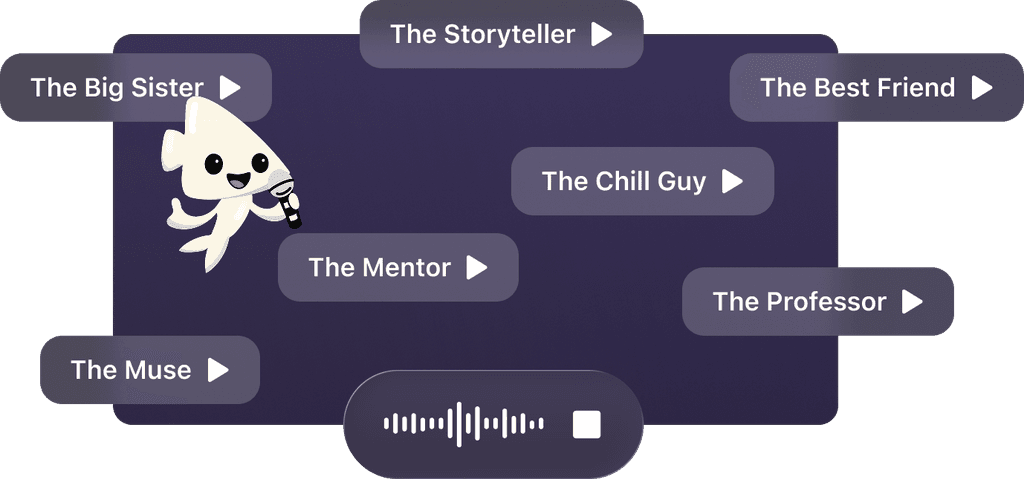
Siente el libro a través de la voz del autor
Convierte el conocimiento en ideas atractivas y llenas de ejemplos
Captura ideas clave en un instante para un aprendizaje rápido
Disfruta el libro de una manera divertida y atractiva
Personajes en Black Flags
- Abu Musab al-ZarqawiThe ruthless founder of the movement that became ISIS
- Abu Muhammad al-MaqdisiA radical intellectual and Zarqawi's prison mentor
- King Abdullah IIThe monarch of Jordan who faced Zarqawi's threat
- Abu HaythamA veteran Jordanian counterterrorism official
- Basel al-SabhaA prison doctor who observed Zarqawi's rise
Temas clave en Black Flags
- islamic state origins
- radicalization in prisons
- intelligence failure consequences
- jihadist insurgency tactics
- middle east counterterrorism
Citas de Black Flags
Sooner or later, a problem like that always comes back.
Iraq will be the forthcoming battle against the Americans.
It was a freaking nightmare.
Define 'insurgency'
This man was going to end up either famous, or dead.
Explora Tu Forma de Aprender
 Modo Resumen Rápido
Lee o escucha el resumen de Black Flags en 9 minutos
Desglosa las ideas clave de Black Flags en puntos fáciles de entender para comprender cómo los equipos innovadores crean, colaboran y crecen.

 Modo Divertido
Lecciones de Black Flags Contadas en Historias de 20 Min
Experimenta Black Flags a través de narraciones vívidas que convierten las lecciones de innovación en momentos que recordarás y aplicarás.
 Modo Personalizar
Experimenta Black Flags con tu propio estilo de aprendizaje
Pregunta cualquier cosa, elige tu estilo de aprendizaje y co-crea ideas que realmente resuenen contigo.
Creado por exalumnos de la Universidad de Columbia en San Francisco
"Instead of endless scrolling, I just hit play on BeFreed. It saves me so much time."


"I never knew where to start with nonfiction—BeFreed’s book lists turned into podcasts gave me a clear path."


"Perfect balance between learning and entertainment. Finished ‘Thinking, Fast and Slow’ on my commute this week."
"Crazy how much I learned while walking the dog. BeFreed = small habits → big gains."
"Reading used to feel like a chore. Now it’s just part of my lifestyle."

"Feels effortless compared to reading. I’ve finished 6 books this month already."
"BeFreed turned my guilty doomscrolling into something that feels productive and inspiring."

"BeFreed turned my commute into learning time. 20-min podcasts are perfect for finishing books I never had time for."
"BeFreed replaced my podcast queue. Imagine Spotify for books — that’s it. 🙌"

"It is great for me to learn something from the book without reading it."
"The themed book list podcasts help me connect ideas across authors—like a guided audio journey."
"Makes me feel smarter every time before going to work"
Creado por exalumnos de la Universidad de Columbia en San Francisco
"Instead of endless scrolling, I just hit play on BeFreed. It saves me so much time."
"I never knew where to start with nonfiction—BeFreed’s book lists turned into podcasts gave me a clear path."
"Perfect balance between learning and entertainment. Finished ‘Thinking, Fast and Slow’ on my commute this week."
"Crazy how much I learned while walking the dog. BeFreed = small habits → big gains."
"Reading used to feel like a chore. Now it’s just part of my lifestyle."
"Feels effortless compared to reading. I’ve finished 6 books this month already."
"BeFreed turned my guilty doomscrolling into something that feels productive and inspiring."
"BeFreed turned my commute into learning time. 20-min podcasts are perfect for finishing books I never had time for."
"BeFreed replaced my podcast queue. Imagine Spotify for books — that’s it. 🙌"
"It is great for me to learn something from the book without reading it."
"The themed book list podcasts help me connect ideas across authors—like a guided audio journey."
"Makes me feel smarter every time before going to work"
"Instead of endless scrolling, I just hit play on BeFreed. It saves me so much time."
"I never knew where to start with nonfiction—BeFreed’s book lists turned into podcasts gave me a clear path."
"Perfect balance between learning and entertainment. Finished ‘Thinking, Fast and Slow’ on my commute this week."
"Crazy how much I learned while walking the dog. BeFreed = small habits → big gains."
"Reading used to feel like a chore. Now it’s just part of my lifestyle."
"Feels effortless compared to reading. I’ve finished 6 books this month already."
"BeFreed turned my guilty doomscrolling into something that feels productive and inspiring."
"BeFreed turned my commute into learning time. 20-min podcasts are perfect for finishing books I never had time for."
"BeFreed replaced my podcast queue. Imagine Spotify for books — that’s it. 🙌"
"It is great for me to learn something from the book without reading it."
"The themed book list podcasts help me connect ideas across authors—like a guided audio journey."
"Makes me feel smarter every time before going to work"
"Instead of endless scrolling, I just hit play on BeFreed. It saves me so much time."
"I never knew where to start with nonfiction—BeFreed’s book lists turned into podcasts gave me a clear path."
"Perfect balance between learning and entertainment. Finished ‘Thinking, Fast and Slow’ on my commute this week."
"Crazy how much I learned while walking the dog. BeFreed = small habits → big gains."
"Reading used to feel like a chore. Now it’s just part of my lifestyle."
"Feels effortless compared to reading. I’ve finished 6 books this month already."
"BeFreed turned my guilty doomscrolling into something that feels productive and inspiring."
"BeFreed turned my commute into learning time. 20-min podcasts are perfect for finishing books I never had time for."
"BeFreed replaced my podcast queue. Imagine Spotify for books — that’s it. 🙌"
"It is great for me to learn something from the book without reading it."
"The themed book list podcasts help me connect ideas across authors—like a guided audio journey."
"Makes me feel smarter every time before going to work"

Descargar resumen de Black Flags
Obtén el resumen de Black Flags como PDF o EPUB gratis. Imprímelo o léelo sin conexión en cualquier momento.


