Bit Literacy
Productivity in the Age of Information and E-mail Overload
Resumen de Bit Literacy
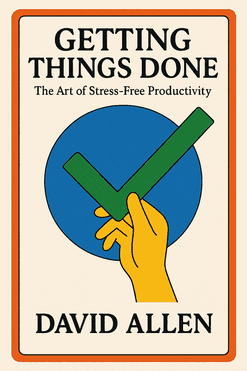
In a world drowning in emails, Mark Hurst's "Bit Literacy" offers digital salvation. This productivity bible teaches the art of conquering information overload - a skill that business professionals compare to David Allen's "Getting Things Done," but with a revolutionary focus on managing your "media diet."
Temas clave en Bit Literacy
- digital information management
- inbox zero methodology
- attention economy
- digital clutter reduction
- information overload strategies
Citas de Bit Literacy
Let the bits go.
Technology should revolve around users, not vice versa.
Empty your inbox completely at least once every day.
The inbox should only be a temporary holding place.
Never save them for later reading.
Personajes en Bit Literacy
- Mark HurstAuthor and creator of the bit literacy philosophy
Sobre el Autor
Sobre el autor de Bit Literacy
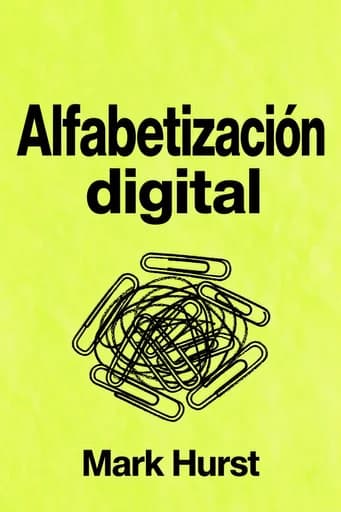
Mark Hurst, author of Bit Literacy: Productivity in the Age of E-mail and Information Overload, is a pioneer in user experience design and digital productivity. A Massachusetts Institute of Technology graduate with computer science degrees, he founded Creative Good in 1997—the first consultancy focused on customer experience—advising Fortune 500 companies on human-centered technology.
His expertise in combating digital overload stems from decades of research, including developing the Good Todo app and hosting the Gel conference, which highlights innovations in user-friendly design. Hurst’s insights also reach audiences through his Techtonic podcast and one of the world’s longest-running email newsletters, launched in 1998.
His follow-up work, Customers Included, expands on his philosophy of prioritizing user needs in business strategy. Recognized by InfoWorld as Netrepreneur of the Year and praised by thought leaders like Douglas Rushkoff, Hurst’s Bit Literacy remains a foundational text for managing modern information demands, cited in productivity frameworks worldwide.
Descargar resumen de Bit Literacy
Obtén el resumen de Bit Literacy como PDF o EPUB gratis. Imprímelo o léelo sin conexión en cualquier momento.
Preguntas Frecuentes Sobre Este Libro
Bit Literacy by Mark Hurst is a practical guide to managing digital overload in the age of information. It offers actionable strategies for mastering email, todo lists, and digital clutter, emphasizing the psychological impact of "bit overload" and advocating for minimalist productivity systems. The book teaches readers to streamline workflows, prioritize tasks, and reclaim mental clarity through techniques like inbox-zero and keyboard shortcuts.
This book is ideal for professionals, students, or anyone overwhelmed by digital chaos. It’s particularly valuable for those seeking to improve productivity, reduce email stress, or adopt healthier tech habits. Mark Hurst’s non-technical approach makes it accessible even for non-experts.
Yes, Bit Literacy remains relevant for its timeless principles on digital minimalism. While specific tools may evolve, its core ideas—like prioritizing "bit levers" (efficiency tools) and cultivating a curated media diet—align with modern needs for focused work in an AI-driven world.
Hurst advocates for the inbox-zero method: process emails immediately by deleting, delegating, or converting them into tasks. He emphasizes brevity, subject-line clarity, and avoiding unnecessary replies. This approach reduces cognitive burden and prevents backlog accumulation.
Bit-levers are efficiency tools that amplify productivity, such as text expanders, keyboard shortcuts, and minimalist software. Hurst recommends tools like Typinator and TextWrangler to automate repetitive tasks, arguing that mastering these can save hours weekly.
The book promotes "letting the bits go"—deleting non-essential files, unsubscribing from unused services, and maintaining a minimalist desktop. Hurst likens digital clutter to physical messiness, stressing that emptiness fosters focus and efficiency.
Hurst advises curating a intentional media diet by limiting passive consumption (e.g., social media scrolling) and prioritizing high-value content. This reduces information overload and ensures time spent online aligns with personal or professional goals.
Yes, the book outlines a "bit-literate todo list" method: tasks should be actionable, time-bound, and sorted by priority. Hurst rejects complex project managers in favor of simple lists that integrate seamlessly with email workflows.
Some critics argue Hurst’s rigid email rules (e.g., avoiding greetings) feel impersonal, and his software recommendations may feel outdated. However, the core philosophy of mindful tech use remains widely praised.
Unlike broader productivity guides, Bit Literacy focuses specifically on digital habits, offering granular strategies for email, file management, and software use. It complements books like Atomic Habits by addressing modern tech-related stressors.
“Emptiness is at the heart of bit literacy.” This mantra reflects Hurst’s belief that a clutter-free digital environment—empty inboxes, minimalist interfaces—enables peak productivity and mental freedom.
Absolutely. By reducing digital distractions and streamlining workflows, the techniques in the book help users reclaim time for offline activities. Hurst frames bit literacy as a gateway to a fuller, less screen-dependent life.