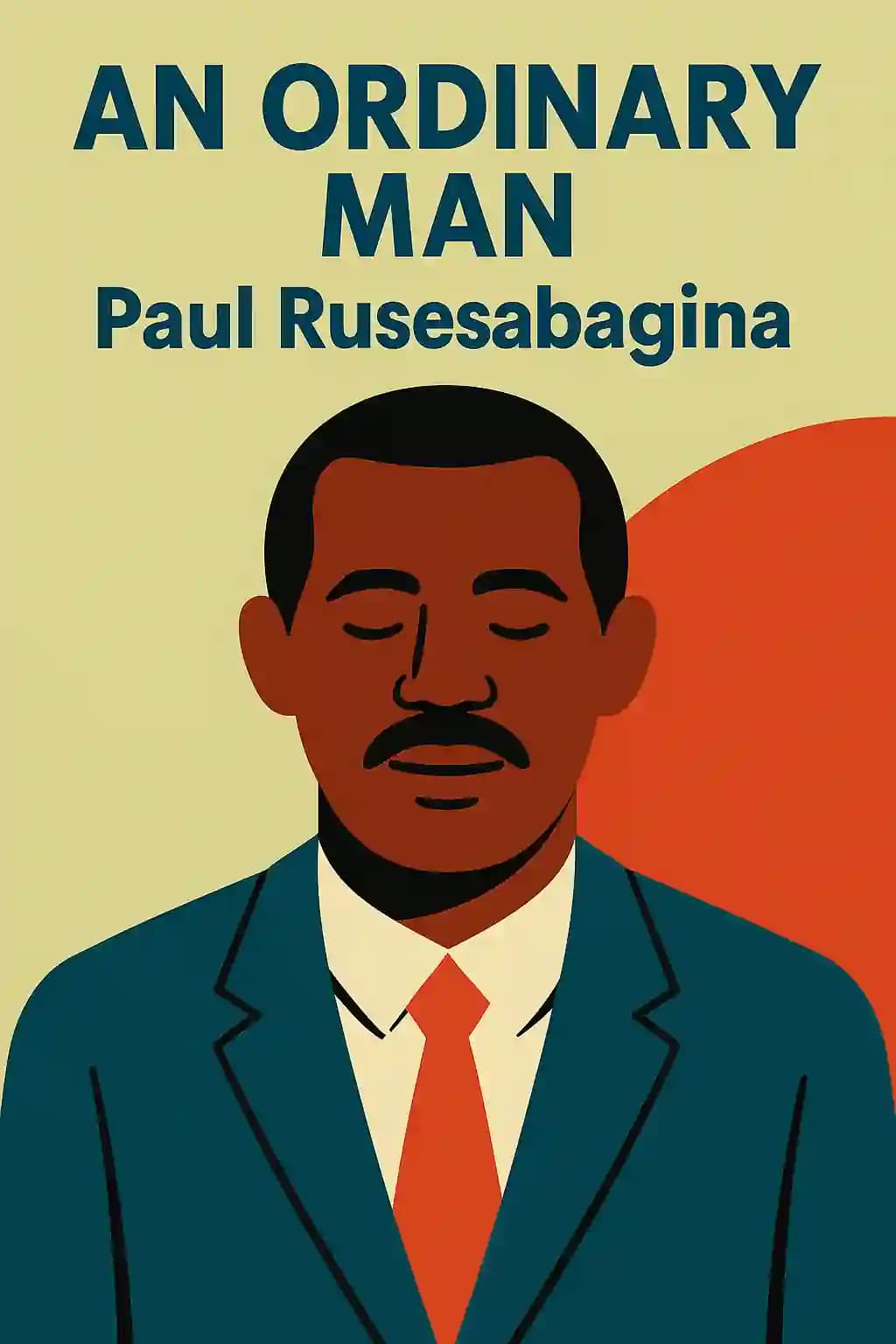
The heroic memoir behind "Hotel Rwanda" - how one man's courage, diplomacy, and deception saved 12,000 lives during genocide while the world watched silently. Now a vital educational resource on humanity's darkest moments and ordinary people's extraordinary potential.
Paul Rusesabagina, author of An Ordinary Man, is a humanitarian and genocide survivor renowned for his courageous actions during the 1994 Rwandan genocide. His memoir blends personal narrative with historical testimony, exploring themes of moral leadership, resilience, and the power of dialogue in crisis.
As the Hutu hotel manager depicted in the Oscar-nominated film Hotel Rwanda, Rusesabagina sheltered over 1,200 Tutsi refugees at the Hôtel des Mille Collines, leveraging diplomacy and ingenuity amid nationwide violence. Born in 1954 to a farming family, his cross-ethnic marriage to a Tutsi woman and career in hospitality uniquely positioned him to navigate the genocide’s brutal ethnic divisions.
A Presidential Medal of Freedom recipient and founder of the Hotel Rwanda Rusesabagina Foundation, he advocates for genocide prevention and human rights through global speaking engagements. An Ordinary Man, praised for its unflinching honesty and psychological insight, has been translated into multiple languages and remains essential reading on conflict resolution. The book’s gripping account of survival and ethics inspired the critically acclaimed film adaptation, which Rusesabagina consulted on during production.
An Ordinary Man is a memoir detailing Paul Rusesabagina’s experience sheltering 1,268 refugees during the 1994 Rwandan Genocide as manager of Hôtel des Mille Collines. It explores his use of negotiation, bribery, and hospitality skills to protect Tutsi and moderate Hutu civilians while critiquing international inaction. The book blends personal courage with historical account, later inspiring the film Hotel Rwanda.
This book appeals to readers interested in Holocaust/genocide studies, African history, or real-life stories of moral courage. Human rights advocates, students of ethical leadership, and fans of memoirs like Night or Schindler’s List will find its themes of resilience and diplomacy compelling. It’s also valuable for understanding systemic violence and individual agency.
Yes – reviewers call it “gripping, horrific, and uplifting,” with lasting emotional impact. Rusesabagina’s firsthand account of barricading survivors for 100 days offers unique insights into crisis leadership. While some note potential narrative biases, its raw depiction of humanity amid chaos makes it essential for understanding modern genocide.
As hotel manager, Rusesabagina leveraged his hospitality training to negotiate with militias, using alcohol, flattery, and bribes to stall violence. He maintained a façade of normalcy through daily routines like serving drinks while secretly housing refugees. His hybrid Hutu-Tutsi heritage allowed him to navigate ethnic tensions strategically.
Key themes include:
While the film dramatizes events, the book provides deeper political context about colonial legacies and Rusesabagina’s internal conflicts. It includes harrowing details omitted from the movie, like radio death threats against his family and postwar trauma leading to exile in Belgium.
He condemns Western nations and the UN for abandoning Rwanda despite clear evidence of genocide, noting how empty promises left refugees stranded. This inaction shaped his postwar activism for global accountability in conflict zones.
Some historians debate Rusesabagina’s account of events, arguing he overstates his role. Others question his postwar political affiliations. However, most agree the book authentically captures survivors’ desperation and the genocide’s psychological toll.
Rusesabagina dissects how Belgian colonialists weaponized ethnic divisions between Hutus and Tutsis through ID cards and propaganda. His mixed heritage and marriage to a Tutsi wife frame identity as fluid rather than fixed, challenging genocide’s tribal logic.
The memoir warns against dehumanizing rhetoric and complacency toward escalating violence. Its hotel-as-sanctuary model inspires grassroots crisis management when institutions fail – particularly relevant to contemporary refugee crises and authoritarian regimes.
A hotelier trained in European etiquette, he used “performance” – serving whiskey, invoking fake connections – to manipulate militias. His father’s emphasis on education and his mother’s Tutsi resilience forged his belief in dialogue over brute force.
Siente el libro a través de la voz del autor
Convierte el conocimiento en ideas atractivas y llenas de ejemplos
Captura ideas clave en un instante para un aprendizaje rápido
Disfruta el libro de una manera divertida y atractiva
To shelter the enemy was to become the enemy.
History is serious business in Rwanda-a matter of life and death.
These cards would later become death warrants.
Our friendship was always tinged with sadness and anger.
I became a hotel manager by accident.
Desglosa las ideas clave de An Ordinary Man en puntos fáciles de entender para comprender cómo los equipos innovadores crean, colaboran y crecen.
Destila An Ordinary Man en pistas de memoria rápidas que resaltan los principios clave de franqueza, trabajo en equipo y resiliencia creativa.

Experimenta An Ordinary Man a través de narraciones vívidas que convierten las lecciones de innovación en momentos que recordarás y aplicarás.
Pregunta lo que quieras, elige la voz y co-crea ideas que realmente resuenen contigo.

Creado por exalumnos de la Universidad de Columbia en San Francisco
"Instead of endless scrolling, I just hit play on BeFreed. It saves me so much time."
"I never knew where to start with nonfiction—BeFreed’s book lists turned into podcasts gave me a clear path."
"Perfect balance between learning and entertainment. Finished ‘Thinking, Fast and Slow’ on my commute this week."
"Crazy how much I learned while walking the dog. BeFreed = small habits → big gains."
"Reading used to feel like a chore. Now it’s just part of my lifestyle."
"Feels effortless compared to reading. I’ve finished 6 books this month already."
"BeFreed turned my guilty doomscrolling into something that feels productive and inspiring."
"BeFreed turned my commute into learning time. 20-min podcasts are perfect for finishing books I never had time for."
"BeFreed replaced my podcast queue. Imagine Spotify for books — that’s it. 🙌"
"It is great for me to learn something from the book without reading it."
"The themed book list podcasts help me connect ideas across authors—like a guided audio journey."
"Makes me feel smarter every time before going to work"
Creado por exalumnos de la Universidad de Columbia en San Francisco

Obtén el resumen de An Ordinary Man como PDF o EPUB gratis. Imprímelo o léelo sin conexión en cualquier momento.
April 6, 1994: A missile streaks through the Rwandan sky, bringing down a presidential jet. Within hours, machetes emerge from hiding places across the country. Roadblocks spring up like weeds. Radio announcers begin their deadly work, instructing listeners in cheerful voices to "cut down the tall trees." And in the chaos, a hotel manager clutches his most powerful weapon-not a gun, but a black leather phone directory and cases of Belgian beer. Paul Rusesabagina's story defies Hollywood's vision of heroism. There are no dramatic shootouts, no daring escapes through jungles. Instead, there's something far more unsettling: a man in a business suit negotiating the price of human lives over glasses of Johnny Walker, flattering killers with blood on their boots, turning a luxury hotel into a fragile island of sanity in an ocean of madness. Over seventy-six days, he sheltered 1,268 people using nothing more than words, whiskey, and an unshakable belief in the power of hospitality. His account forces us to confront an uncomfortable truth: civilization is thinner than we imagine, and its defense sometimes requires making deals with the devil himself.