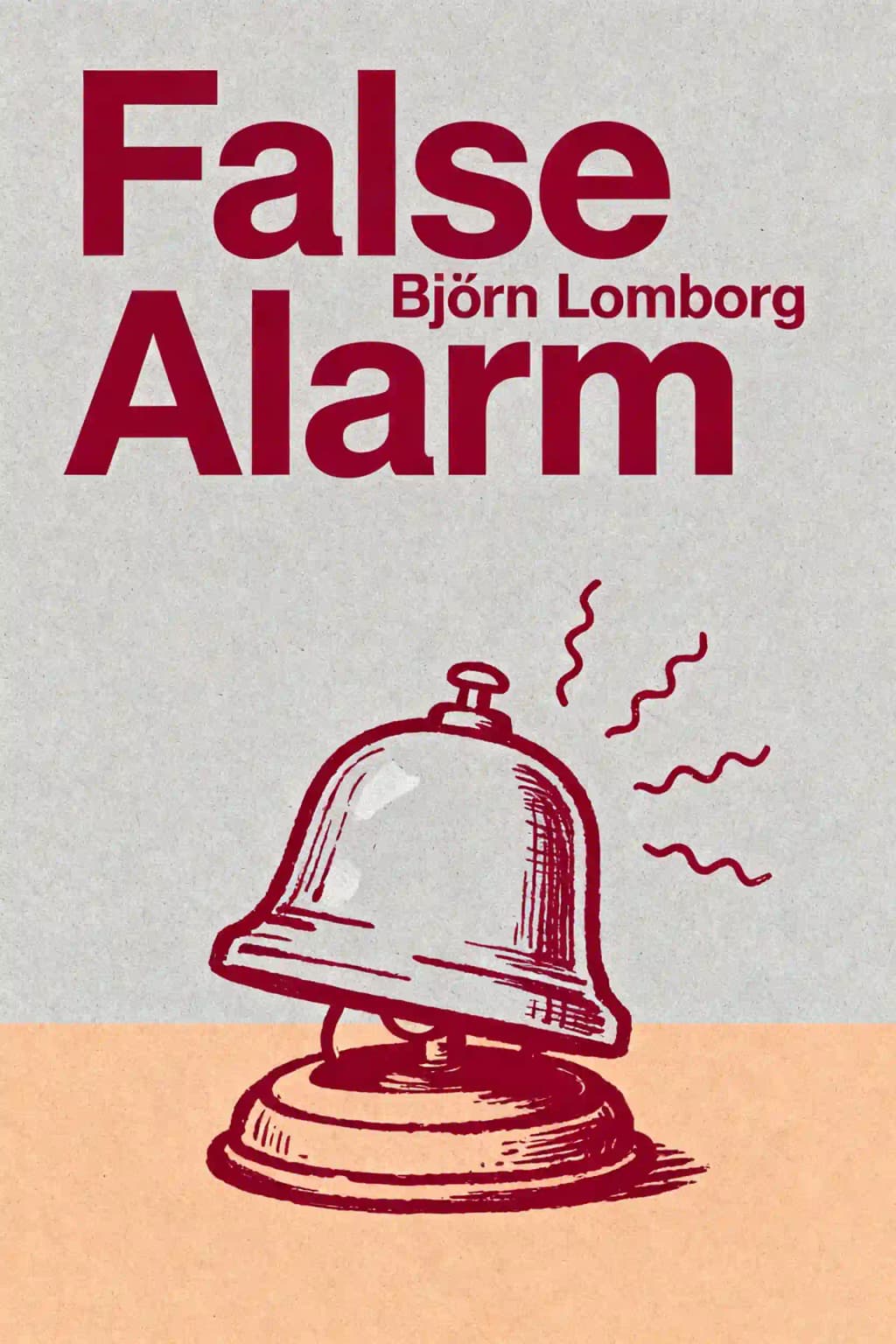
False Alarm
How Climate Change Panic Costs Us Trillions, Hurts the Poor, and Fails to Fix the Planet
Overview of False Alarm
Climate change is real but is panic justified? Bjorn Lomborg's controversial masterpiece challenges alarmist narratives with data-driven clarity. Endorsed by Stanford's Niall Ferguson as "clear-sighted realism," this book exposes how trillions spent on ineffective policies hurt the poor while failing our planet.

Key Themes in False Alarm
- climate policy economics
- environmental alarmism
- cost-benefit analysis
- human adaptation
- technological innovation
Quotes from False Alarm
This panic isn't grounded in science—it's driven by politics.
Headlines like 'Climate Change Could End Human Civilization by 2050' generate traffic but often distort the underlying science.
The dominant climate narrative presents a simplistic view: global warming makes everything worse.
Cold weather actually kills far more people.
Characters in False Alarm
- Bjørn LomborgAuthor, economist, and climate policy critic
- Al GorePolitician and creator of An Inconvenient Truth
- Prince CharlesRoyal figure who issued climate deadlines
- Leonardo DiCaprioActor and environmental activist
About the Author
About the Author of False Alarm
Bjørn Lomborg, bestselling author of False Alarm: How Climate Change Panic Costs Us Trillions, Hurts the Poor, and Fails to Fix the Planet, is a Danish political scientist and president of the Copenhagen Consensus Center. A prominent voice in environmental economics, Lomborg challenges mainstream climate narratives with data-driven arguments, advocating for cost-effective solutions to global challenges. His work spans nonfiction genres, focusing on climate policy, global development, and pragmatic resource allocation.
Lomborg gained international recognition with The Skeptical Environmentalist (2001), a controversial critique of apocalyptic environmental claims, and solidified his reputation with Cool It (2007), which argues for prioritizing adaptation over excessive mitigation. A visiting fellow at Stanford’s Hoover Institution, he has been featured on platforms like The Joe Rogan Experience and TED Talks. His Copenhagen Consensus Center, endorsed by Nobel laureates, was named Think Tank of the Year by Prospect magazine.
Translated into over 25 languages, Lomborg’s books have shaped debates among policymakers and economists worldwide. False Alarm expands his contrarian analysis, urging readers to rethink climate spending through a lens of economic efficiency.
Download Summary of False Alarm
Get the False Alarm summary as a free PDF or EPUB. Print it or read offline anytime.
FAQs About This Book
False Alarm argues climate change is real but overhyped, asserting panic-driven policies waste trillions while failing to meaningfully address global warming. Lomborg critiques flawed economic models and advocates for smarter investments in adaptation, innovation, and pressing issues like healthcare and education. The book challenges apocalyptic narratives, emphasizing cost-effective solutions over drastic emissions cuts.
This book suits policymakers, economists, and readers seeking a data-driven critique of mainstream climate policies. It appeals to those skeptical of alarmist rhetoric but interested in pragmatic environmental solutions. Lomborg’s analysis is particularly relevant for individuals prioritizing economic growth alongside climate resilience.
Yes, for its provocative challenge to climate orthodoxy. While praised for its economic insights by figures like Niall Ferguson, critics like Bob Ward dispute its use of outdated data. The book sparks critical thinking but should be read alongside counterarguments for balance.
Lomborg contends climate change impacts are exaggerated, citing declining climate-related deaths and adaptive capacity. He argues current policies (e.g., Paris Agreement) are economically harmful yet ineffective, advocating instead for R&D in green tech and targeted adaptation measures. Poverty alleviation and healthcare are framed as higher priorities than aggressive decarbonization.
Lomborg proposes investing in green energy innovation (e.g., cheaper solar, carbon capture), adaptive infrastructure, and geoengineering research. He prioritizes incremental reforms over net-zero mandates, arguing economic growth enables resilience. Directing funds to vaccines, education, and poverty reduction is deemed equally vital.
Critics accuse Lomborg of cherry-picking data, underestimating climate risks, and oversimplifying economic models. The LSE’s Bob Ward highlights reliance on disputed cost projections and downplaying IPCC warnings. Environmentalists argue his approach delays urgent action, disproportionately harming vulnerable regions.
Unlike The Uninhabitable Earth (David Wallace-Wells), False Alarm rejects catastrophe framing, aligning more with Apocalypse Never (Michael Shellenberger). It prioritizes cost-benefit analysis over moral urgency, clashing with mainstream climate literature emphasizing rapid decarbonization.
With global climate spending exceeding $5 trillion annually, Lomborg’s critique of policy inefficiency remains timely. The 2024 epilogue critiques Biden-era subsidies, arguing they inflate costs without curbing emissions. Debate continues over balancing growth and sustainability, making the book a contentious touchstone.
- “Panic is neither warranted nor a strategy”: Lomborg dismisses alarmism as counterproductive.
- “Economic development is the best climate policy”: Links prosperity to adaptive capacity.
- “Climate change is a problem, but not the end of the world”: Core thesis summarizing his pragmatic stance.
As president of the Copenhagen Consensus and a Stanford fellow, Lomborg applies welfare economics to rank global priorities. His skepticism of environmental orthodoxy, evident in prior works like The Skeptical Environmentalist, underpins False Alarm’s focus on trade-offs and quantitative analysis.
Lomborg urges greater funding for malaria prevention, malnutrition, immunization, and primary education. He argues these investments save more lives per dollar than carbon taxes, particularly in developing nations. Climate budgets, he asserts, crowd out these high-impact areas.
The book highlights humanity’s historical adaptability, noting improved resilience to heatwaves and floods. Lomborg advocates for localized adaptation (e.g., coastal barriers, drought-resistant crops) over sweeping emissions cuts, framing it as a more immediate and equitable solution.