

Overview of Everything In Its Place
Oliver Sacks' final collection explores neurology, aging, and modern life with compassionate brilliance. Bill Hayes called him "chronically quotable, hilarious, eccentric." Wonder why this renowned "poet laureate of science" lamented digital technology's impact on human decency? His insights might change how you see everything.
- Neurological empathy redefines care by prioritizing patient stories over clinical labels
- Swimming emerges as a transformative act merging body freedom with environmental connection
- Memory shapes identity through nostalgic echoes and emotional storytelling in dementia patients
- Museums serve as mental sanctuaries revealing cosmic order through curated exhibits
- Writing becomes neurological archaeology – excavating ideas through adjectives and tangential associations
- Periodic table metaphors demonstrate how atomic patterns mirror human consciousness structures
- Tourette’s syndrome reveals the creative interplay between neural chaos and identity
- “Street neurology” advocates observing patients in wild contexts versus clinical settings
- Exploded cuttlefish jars symbolize childhood’s messy intersection with scientific curiosity
- Parkinson’s adaptations showcase resilience through rhythmic therapies and movement reinvention
- Botanical nurturing instinct persists in Alzheimer’s patients through garden therapy
- Creative diagnosis blends empirical observation with poetic revelation in neurological case studies
About the Author of Everything In Its Place
Oliver Wolf Sacks (1933–2015), renowned neurologist and bestselling author of Everything in Its Place: First Loves and Last Tales, pioneered narrative-driven explorations of neurological conditions that humanized clinical storytelling. A London-born Oxford graduate, Sacks served as professor of neurology at NYU and Columbia University while writing acclaimed works like The Man Who Mistook His Wife for a Hat and Musicophilia: Tales of Music and the Brain – books that blend medical insight with profound empathy for patients’ lived experiences.
His groundbreaking 1973 work Awakenings, inspired by treating encephalitis lethargica survivors, became an Oscar-nominated film and established his signature style of merging scientific rigor with literary craftsmanship. The New York Times hailed Sacks as "medicine’s poet laureate" for his ability to transform complex neurology into accessible stories, with over a dozen translated bestsellers exploring perception, identity, and the brain’s resilience.
Everything in Its Place continues this legacy through essays on botany, libraries, and mortality, reflecting Sacks’ dual passions for science and the humanities. Seven of his works have been adapted into films, plays, and operas, cementing his status as one of modern science’s most influential communicators.
FAQs About Everything In Its Place
What is Everything in Its Place by Oliver Sacks about?
Everything in Its Place is a posthumous collection of essays by Oliver Sacks, blending clinical case studies, autobiographical reflections, and meditations on science, mortality, and human oddities. It explores themes like the neurological basis of hiccups, ethical dilemmas in end-of-life care, and Sacks’ childhood fascination with natural history. The book showcases his signature empathy and curiosity for the interconnectedness of life, medicine, and storytelling.
Who should read Everything in Its Place by Oliver Sacks?
Fans of Sacks’ earlier works, neuroscience enthusiasts, and readers drawn to reflective essays will find this book compelling. It’s ideal for those interested in the intersection of science and humanity, including medical professionals, memoir lovers, and anyone curious about the quirks of the human brain. The accessible prose caters to both academic and casual readers.
Is Everything in Its Place by Oliver Sacks worth reading?
Yes, particularly for its poignant final essays written during Sacks’ terminal illness. The book offers a mix of intellectual rigor and lyrical storytelling, with standout chapters like “Cold Storage” (detailing a decades-long medical mystery) and “Clinic Day” (chronicling patient interactions). While some essays feel fragmentary, its insights into resilience and scientific wonder make it a worthy read.
How does Everything in Its Place reflect Oliver Sacks’ legacy?
The essays epitomize Sacks’ ability to humanize neurology, framing conditions like Tourette’s or autism as unique perspectives rather than deficits. His reflections on aging and digital-era existential risks (“Life Continues”) underscore his lifelong mission to bridge science and ethics. The book solidifies his reputation as medicine’s poet laureate, celebrating curiosity and compassion.
What are the main scientific insights in Everything in Its Place?
Sacks discusses vestigial traits like hiccups (linked to amphibian respiration), the sudden leaf-fall mechanism of ginkgo trees, and a man who “reads” by tracing words on his teeth. He also examines paradoxical medical cases, such as a thyroid deficiency masking cancer. These examples highlight evolution’s inefficiencies and the brain’s adaptive creativity.
Does Everything in Its Place include Oliver Sacks’ personal anecdotes?
Yes. Sacks recounts childhood adventures with friend Jonathan Miller, his teenage obsession with explosives, and his mother’s disapproval of his career path. Later essays reveal his grief over losing independence to cancer and his gratitude for a life immersed in science and writing.
How does Everything in Its Place critique modern technology?
In “Life Continues,” Sacks warns that digital distractions erode attention spans, critical thinking, and face-to-face connection. He argues relentless screen use mimics neurological impairment, urging readers to reclaim contemplative practices like journaling and nature observation—themes aligning with his earlier critiques of overmedication.
What unique case studies appear in Everything in Its Place?
Notable cases include “Uncle Toby,” whose seven-year coma hid fatal cancer, and a man who regained reading ability through tactile tongue movements. Sacks also analyzes the social challenges of facial blindness and the euphoric side effects of Parkinson’s medications, demonstrating neurology’s capacity for both tragedy and wonder.
How does Everything in Its Place address mortality?
Written during Sacks’ final year, essays like “Mercury” and “Sabbath” confront death with unflinching clarity and gratitude. He reflects on his terminal diagnosis, the solace of music and memory, and the ethical imperative to dignify patients’ end-of-life choices—a thematic throughline from his earlier works like Gratitude.
What criticism exists about Everything in Its Place?
Some reviewers note the collection’s unevenness, with lighter anecdotes (e.g., exploding cuttlefish jars) contrasting starkly with heavy medical ethics essays. However, critics praise its intimate portrayal of Sacks’ mind and its accessible synthesis of complex neuroscience concepts.
How does Everything in Its Place compare to Sacks’ The Man Who Mistook His Wife for a Hat?
While both blend neurology narratives, Everything in Its Place leans more autobiographical and philosophical. It lacks the structured case-study format of his classics but offers mature reflections on themes like identity and legacy. Fans of his earlier clinical depth may prefer Hat, but this collection illuminates Sacks’ personal evolution.
Why is Everything in Its Place relevant in 2025?
Its warnings about technology’s cognitive toll resonate amid AI-driven productivity culture. The essays on medical ethics (e.g., balancing patient autonomy with safety) remain critical in healthcare debates. Sacks’ emphasis on embracing neurodiversity also aligns with contemporary discussions about inclusion and mental health.
Feel the book through the author's voice
Turn knowledge into engaging, example-rich insights
Capture key ideas in a flash for fast learning
Enjoy the book in a fun and engaging way
Characters in Everything In Its Place
- Oliver SacksThe author, a physician and naturalist
- Samuel SacksOliver's father, a lifelong swimmer
- The Blaschka familyCreators of exquisite Victorian glass models
Key Themes in Everything In Its Place
- neurological case studies
- aquatic sensory experience
- scientific curiosity
- natural history museums
- mind body connection
Quotes from Everything In Its Place
swimming was more than mere recreation
water offered an extraordinary escape
swimming evolved into his dominant passion
museums weren't just buildings housing artifacts
geology wasn't just about lifeless rocks
Explore Your Way of Learning
 Quick Summary Mode
Read or listen to Everything In Its Place Summary in 10 Minutes
Break down key ideas from Everything In Its Place into bite-sized takeaways to understand how innovative teams create, collaborate, and grow.

 Fun Mode
Everything In Its Place Lessons Told Through 23-Min Stories
Experience Everything In Its Place through vivid storytelling that turns innovation lessons into moments you'll remember and apply.
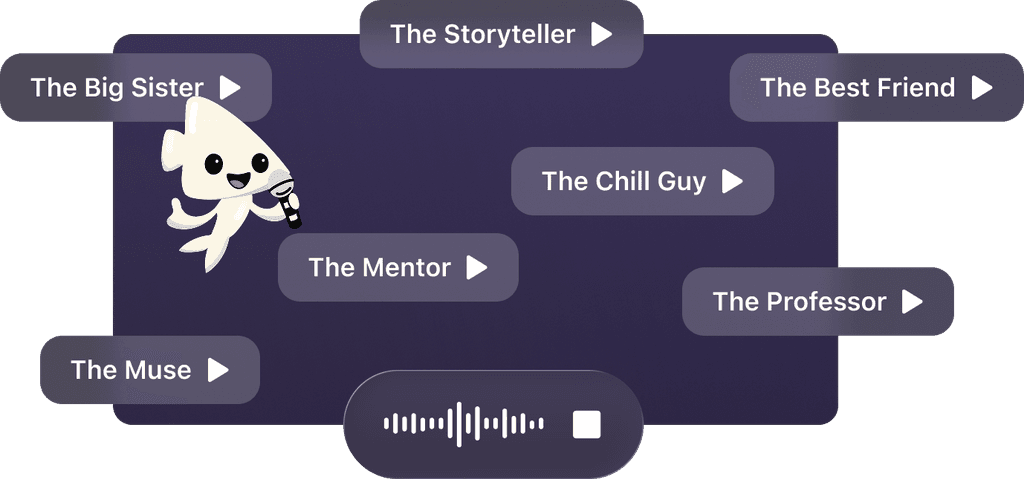
 Personalize Mode
Experience Everything In Its Place in your own learning style
Ask anything, choose your learning style, and co-create insights that truly resonate with you.
From Columbia University alumni built in San Francisco
"Instead of endless scrolling, I just hit play on BeFreed. It saves me so much time."


"I never knew where to start with nonfiction—BeFreed’s book lists turned into podcasts gave me a clear path."


"Perfect balance between learning and entertainment. Finished ‘Thinking, Fast and Slow’ on my commute this week."
"Crazy how much I learned while walking the dog. BeFreed = small habits → big gains."
"Reading used to feel like a chore. Now it’s just part of my lifestyle."

"Feels effortless compared to reading. I’ve finished 6 books this month already."
"BeFreed turned my guilty doomscrolling into something that feels productive and inspiring."

"BeFreed turned my commute into learning time. 20-min podcasts are perfect for finishing books I never had time for."
"BeFreed replaced my podcast queue. Imagine Spotify for books — that’s it. 🙌"

"It is great for me to learn something from the book without reading it."
"The themed book list podcasts help me connect ideas across authors—like a guided audio journey."
"Makes me feel smarter every time before going to work"
From Columbia University alumni built in San Francisco
"Instead of endless scrolling, I just hit play on BeFreed. It saves me so much time."
"I never knew where to start with nonfiction—BeFreed’s book lists turned into podcasts gave me a clear path."
"Perfect balance between learning and entertainment. Finished ‘Thinking, Fast and Slow’ on my commute this week."
"Crazy how much I learned while walking the dog. BeFreed = small habits → big gains."
"Reading used to feel like a chore. Now it’s just part of my lifestyle."
"Feels effortless compared to reading. I’ve finished 6 books this month already."
"BeFreed turned my guilty doomscrolling into something that feels productive and inspiring."
"BeFreed turned my commute into learning time. 20-min podcasts are perfect for finishing books I never had time for."
"BeFreed replaced my podcast queue. Imagine Spotify for books — that’s it. 🙌"
"It is great for me to learn something from the book without reading it."
"The themed book list podcasts help me connect ideas across authors—like a guided audio journey."
"Makes me feel smarter every time before going to work"
"Instead of endless scrolling, I just hit play on BeFreed. It saves me so much time."
"I never knew where to start with nonfiction—BeFreed’s book lists turned into podcasts gave me a clear path."
"Perfect balance between learning and entertainment. Finished ‘Thinking, Fast and Slow’ on my commute this week."
"Crazy how much I learned while walking the dog. BeFreed = small habits → big gains."
"Reading used to feel like a chore. Now it’s just part of my lifestyle."
"Feels effortless compared to reading. I’ve finished 6 books this month already."
"BeFreed turned my guilty doomscrolling into something that feels productive and inspiring."
"BeFreed turned my commute into learning time. 20-min podcasts are perfect for finishing books I never had time for."
"BeFreed replaced my podcast queue. Imagine Spotify for books — that’s it. 🙌"
"It is great for me to learn something from the book without reading it."
"The themed book list podcasts help me connect ideas across authors—like a guided audio journey."
"Makes me feel smarter every time before going to work"
"Instead of endless scrolling, I just hit play on BeFreed. It saves me so much time."
"I never knew where to start with nonfiction—BeFreed’s book lists turned into podcasts gave me a clear path."
"Perfect balance between learning and entertainment. Finished ‘Thinking, Fast and Slow’ on my commute this week."
"Crazy how much I learned while walking the dog. BeFreed = small habits → big gains."
"Reading used to feel like a chore. Now it’s just part of my lifestyle."
"Feels effortless compared to reading. I’ve finished 6 books this month already."
"BeFreed turned my guilty doomscrolling into something that feels productive and inspiring."
"BeFreed turned my commute into learning time. 20-min podcasts are perfect for finishing books I never had time for."
"BeFreed replaced my podcast queue. Imagine Spotify for books — that’s it. 🙌"
"It is great for me to learn something from the book without reading it."
"The themed book list podcasts help me connect ideas across authors—like a guided audio journey."
"Makes me feel smarter every time before going to work"

Download Summary of Everything In Its Place
Get the Everything In Its Place summary as a free PDF or EPUB. Print it or read offline anytime.


