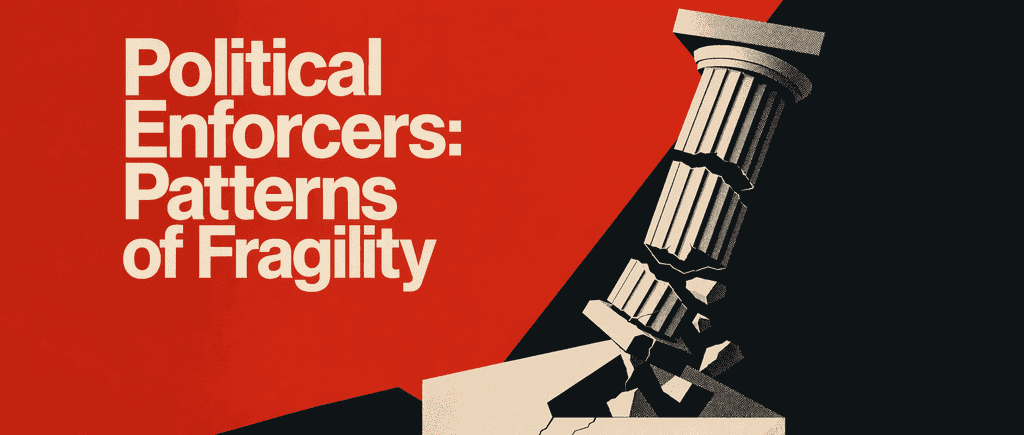
Broken Government: How Republican Rule Destroyed the Legislative, Executive, and Judicial Branches

Overview of Broken Government
In "Broken Government," former Nixon counsel John Dean delivers a New York Times bestselling expose of how Republican rule dismantled America's three branches of government. What institutional safeguards have we lost? The Boston Globe calls it "urgent" - a wake-up call for moderates against extremism.
- Republican rule enabled unchecked executive overreach through congressional inaction
- The "unitary executive" theory dangerously expanded presidential powers beyond constitutional limits
- Partisan judicial appointments transformed courts into ideological battlegrounds for decades
- Congressional oversight collapsed under GOP control through deliberate procedural sabotage
- Bush-era secrecy protocols created unprecedented government opacity and accountability gaps
- Justice Department politicization undermined nonpartisan enforcement of civil rights laws
- Newt Gingrich's leadership tactics permanently damaged legislative compromise mechanisms
- Cheney's executive branch reforms institutionalized authoritarian power structures
- Reagan-Bush judicial nominees accelerated the federal bench's rightward ideological shift
- Nixon-to-Bush continuity reveals systemic erosion of checks and balances
- GOP prioritization of corporate interests over civil liberties shaped regulatory capture
- Democratic leadership remains the only viable path to institutional repair
About the Author of Broken Government
John Wesley Dean III, author of Broken Government: How Republican Rule Destroyed the Legislative, Executive, and Judicial Branches, is a prominent political commentator and former White House Counsel whose insider perspective on government dysfunction shaped this critical analysis of conservative governance.
A central figure in the Watergate scandal, Dean leveraged his legal background from Georgetown University Law Center and experience as Nixon’s counsel to dissect systemic failures in his nonfiction works. His expertise spans memoirs like Blind Ambition—adapted into a TV miniseries—and political critiques such as Conservatives Without Conscience, which examines authoritarian tendencies in modern conservatism.
Dean’s columns for FindLaw’s Writ and frequent media appearances on news programs reinforce his authority on constitutional crises and partisan politics. Broken Government, part of his trilogy on Republican governance, reflects his career-long focus on accountability and institutional integrity. His memoir The Nixon Defense offers a detailed chronicle of Watergate, cited by historians for its unflinching candor.
Dean’s works remain essential reading for understanding political power dynamics, blending historical insight with urgent contemporary relevance.
FAQs About Broken Government
What is Broken Government by John W. Dean about?
Broken Government analyzes how Republican leadership from Nixon to George W. Bush eroded legislative, executive, and judicial branches through partisan tactics like lax congressional oversight, expansion of presidential power, and judicial politicization. Dean exposes systemic failures, including lobbyist-driven legislation, collapsed checks and balances, and ethical breaches like the Valerie Plame leak.
Who should read Broken Government?
This book suits political science enthusiasts, historians, and voters seeking insight into U.S. governance decline. It’s particularly relevant for readers examining partisan polarization, executive overreach, or the impact of ideology on institutions like the Justice Department.
Is Broken Government worth reading?
Yes, for its insider perspective: Dean, Nixon’s former White House Counsel, combines firsthand experience with rigorous analysis of Republican-led dysfunction. The book details actionable reforms and underscores risks of unchecked power, making it a timely resource despite its 2007 publication.
How does Broken Government critique Congressional oversight?
Dean argues GOP-controlled Congresses ignored constitutional duties, permitting executive abuses like warrantless surveillance. Tactics included extending vote times to pressure holdouts and letting lobbyists draft bills—exemplified by Tom DeLay’s admission about corporate influence.
What examples of executive overreach does Dean highlight?
The book cites Bush-Cheney’s “unitary executive” theory to bypass Congress, politicizing the Justice Department, and shielding Scooter Libby after the Plame leak. Dean also notes neglect of Iraq War oversight and homeland security failures.
How does Broken Government address judicial branch politicization?
Dean critiques Republican efforts to pack courts with ideologues, notably fundamentalist judges. He ties this to a broader strategy to entrench conservative agendas, undermining judicial impartiality.
What are key takeaways from Broken Government?
- Congressional dysfunction: Closed rules and partisan tactics marginalized minority input.
- Executive secrecy: Bush expanded presidential authority while evading accountability.
- Ethical decay: Nonpartisan career officials left due to political interference.
How does Broken Government compare to Dean’s earlier works?
Unlike Blind Ambition (Watergate memoir) or Conservatives Without Conscience (ideological critique), this book offers a comprehensive analysis of institutional decay across all government branches, linking historical patterns to modern crises.
What criticisms exist about Broken Government?
Some view Dean’s tone as partisan, though he substantiates claims with legislative records and insider accounts. Critics argue he overlooks Democratic complicity, but the book focuses on systemic GOP-driven failures.
Why is Broken Government relevant today?
Its warnings about eroded checks and balances mirror current debates over presidential power, Supreme Court politicization, and congressional gridlock—making it a primer for understanding ongoing governance challenges.
How does Dean’s Watergate experience inform Broken Government?
His role in Nixon’s cover-up and subsequent cooperation with investigators provides unique insight into executive abuses, reinforcing his analysis of Bush-era secrecy and accountability gaps.
What notable quotes appear in Broken Government?
Dean writes, "When George Bush is president, no evidence of corruption or incompetence is shocking enough to warrant congressional attention"—highlighting legislative passivity amid executive misconduct.
How does Broken Government suggest fixing governmental flaws?
Dean advocates restoring congressional oversight, depoliticizing judicial appointments, and enforcing transparency norms. He emphasizes bipartisan cooperation to rebuild institutional integrity.
Feel the book through the author's voice
Turn knowledge into engaging, example-rich insights
Capture key ideas in a flash for fast learning
Enjoy the book in a fun and engaging way
Characters in Broken Government
- John W. DeanAuthor and former Nixon White House Counsel
- John HibbingPolitical scientist researching voter behavior
- Elizabeth Theiss-MorsePolitical scientist studying institutional process
- Lynne CheneyRight-wing figure who criticized media coverage
Quotes from Broken Government
Nobody cares about process issues.
Government is the problem.
Republicans seek power primarily to prevent liberals from solving problems through government.
Conservatives ideologically want smaller government but expand it for political gain.
Republican congressional leadership operated as a secretive cabal serving private rather than public interests.
Explore Your Way of Learning
 Quick Summary Mode
Read or listen to Broken Government Summary in 9 Minutes
Break down key ideas from Broken Government into bite-sized takeaways to understand how innovative teams create, collaborate, and grow.

 Fun Mode
Broken Government Lessons Told Through 19-Min Stories
Experience Broken Government through vivid storytelling that turns innovation lessons into moments you'll remember and apply.
 Personalize Mode
Experience Broken Government in your own learning style
Ask anything, choose your learning style, and co-create insights that truly resonate with you.
From Columbia University alumni built in San Francisco
"Instead of endless scrolling, I just hit play on BeFreed. It saves me so much time."


"I never knew where to start with nonfiction—BeFreed’s book lists turned into podcasts gave me a clear path."


"Perfect balance between learning and entertainment. Finished ‘Thinking, Fast and Slow’ on my commute this week."
"Crazy how much I learned while walking the dog. BeFreed = small habits → big gains."
"Reading used to feel like a chore. Now it’s just part of my lifestyle."

"Feels effortless compared to reading. I’ve finished 6 books this month already."
"BeFreed turned my guilty doomscrolling into something that feels productive and inspiring."

"BeFreed turned my commute into learning time. 20-min podcasts are perfect for finishing books I never had time for."
"BeFreed replaced my podcast queue. Imagine Spotify for books — that’s it. 🙌"

"It is great for me to learn something from the book without reading it."
"The themed book list podcasts help me connect ideas across authors—like a guided audio journey."
"Makes me feel smarter every time before going to work"
From Columbia University alumni built in San Francisco
"Instead of endless scrolling, I just hit play on BeFreed. It saves me so much time."
"I never knew where to start with nonfiction—BeFreed’s book lists turned into podcasts gave me a clear path."
"Perfect balance between learning and entertainment. Finished ‘Thinking, Fast and Slow’ on my commute this week."
"Crazy how much I learned while walking the dog. BeFreed = small habits → big gains."
"Reading used to feel like a chore. Now it’s just part of my lifestyle."
"Feels effortless compared to reading. I’ve finished 6 books this month already."
"BeFreed turned my guilty doomscrolling into something that feels productive and inspiring."
"BeFreed turned my commute into learning time. 20-min podcasts are perfect for finishing books I never had time for."
"BeFreed replaced my podcast queue. Imagine Spotify for books — that’s it. 🙌"
"It is great for me to learn something from the book without reading it."
"The themed book list podcasts help me connect ideas across authors—like a guided audio journey."
"Makes me feel smarter every time before going to work"
"Instead of endless scrolling, I just hit play on BeFreed. It saves me so much time."
"I never knew where to start with nonfiction—BeFreed’s book lists turned into podcasts gave me a clear path."
"Perfect balance between learning and entertainment. Finished ‘Thinking, Fast and Slow’ on my commute this week."
"Crazy how much I learned while walking the dog. BeFreed = small habits → big gains."
"Reading used to feel like a chore. Now it’s just part of my lifestyle."
"Feels effortless compared to reading. I’ve finished 6 books this month already."
"BeFreed turned my guilty doomscrolling into something that feels productive and inspiring."
"BeFreed turned my commute into learning time. 20-min podcasts are perfect for finishing books I never had time for."
"BeFreed replaced my podcast queue. Imagine Spotify for books — that’s it. 🙌"
"It is great for me to learn something from the book without reading it."
"The themed book list podcasts help me connect ideas across authors—like a guided audio journey."
"Makes me feel smarter every time before going to work"
"Instead of endless scrolling, I just hit play on BeFreed. It saves me so much time."
"I never knew where to start with nonfiction—BeFreed’s book lists turned into podcasts gave me a clear path."
"Perfect balance between learning and entertainment. Finished ‘Thinking, Fast and Slow’ on my commute this week."
"Crazy how much I learned while walking the dog. BeFreed = small habits → big gains."
"Reading used to feel like a chore. Now it’s just part of my lifestyle."
"Feels effortless compared to reading. I’ve finished 6 books this month already."
"BeFreed turned my guilty doomscrolling into something that feels productive and inspiring."
"BeFreed turned my commute into learning time. 20-min podcasts are perfect for finishing books I never had time for."
"BeFreed replaced my podcast queue. Imagine Spotify for books — that’s it. 🙌"
"It is great for me to learn something from the book without reading it."
"The themed book list podcasts help me connect ideas across authors—like a guided audio journey."
"Makes me feel smarter every time before going to work"

Download Summary of Broken Government
Get the Broken Government summary as a free PDF or EPUB. Print it or read offline anytime.