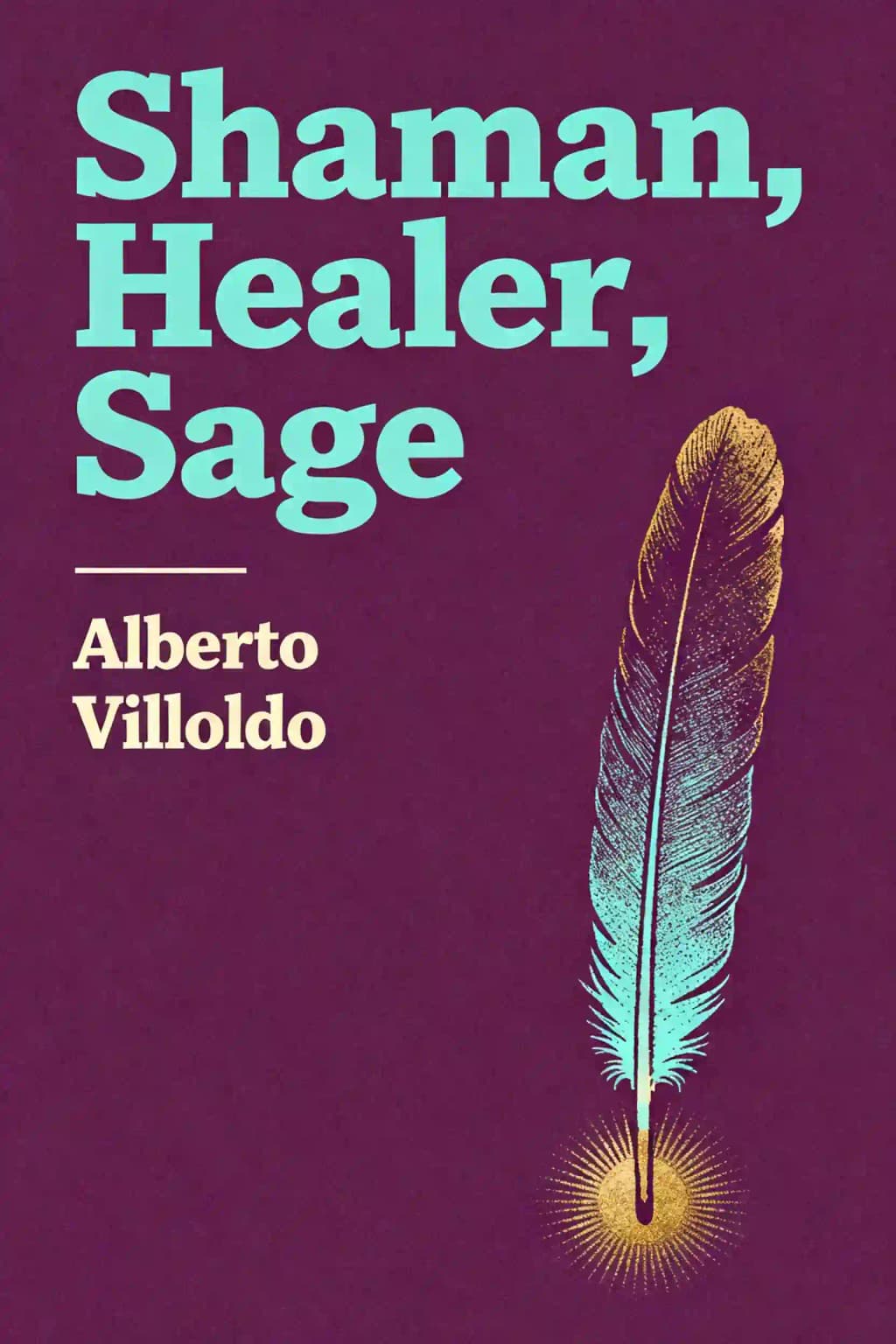
Shaman, Healer, Sage
Overview of Shaman, Healer, Sage
Discover ancient shamanic healing techniques that bridge modern medicine and indigenous wisdom. Alberto Villoldo's groundbreaking work reveals the Luminous Energy Field - coinciding with Chinese acupuncture meridians - offering transformative practices that survived centuries of suppression. What ancient healing power awaits within you?

Key Themes in Shaman, Healer, Sage
- luminous energy field
- inka shamanic wisdom
- energy medicine techniques
- indigenous healing traditions
- chakra system clearing
Quotes from Shaman, Healer, Sage
We are fundamentally beings of light.
True healing requires changing this field.
These aren't mere metaphors but verifiable facts.
The quality of our luminous energy reserves directly influences longevity.
Shamans believe the quality of our luminous energy reserves directly influences longevity.
Characters in Shaman, Healer, Sage
- Alberto VilloldoMedical anthropologist and author
- Don Antonio MoralesSeventh-level kurak akuyek and shamanic mentor
- Don Manuel QuispeOldest living Inka medicine man and Q'ero shaman
- Dona LauraShamanic shape-shifter living in the mountains
- Don Eduardo CalderonFisherman and healer with gifts of luminous sight
About the Author
About the Author of Shaman, Healer, Sage
Alberto Villoldo, Ph.D., bestselling author of Shaman, Healer, Sage: How to Heal Yourself and Others with the Energy Medicine of the Americas, is a pioneering medical anthropologist and founder of the Four Winds Society.
Born in Cuba and influenced by Afro-Indian healing traditions, Villoldo bridges ancient shamanic practices from the Amazon and Andes with modern psychology and neuroscience. His work explores energy medicine, spiritual transformation, and the Luminous Energy Field—a concept central to his teachings on rewriting the body’s holistic blueprint.
A former director of San Francisco State University’s Biological Self-Regulation Laboratory, Villoldo trains practitioners globally through his Light Body School and has authored acclaimed books like The Four Insights and Courageous Dreaming, which delve into dreamwork and indigenous wisdom.
A leader in neo-shamanic studies, his frameworks are embraced by holistic health professionals and spiritual seekers alike. Shaman, Healer, Sage remains a cornerstone text in shamanic literature, translated into over a dozen languages.
Download Summary of Shaman, Healer, Sage
Get the Shaman, Healer, Sage summary as a free PDF or EPUB. Print it or read offline anytime.
FAQs About This Book
Shaman, Healer, Sage explores ancient Andean shamanic practices blended with modern science to promote personal healing and spiritual transformation. Alberto Villoldo introduces concepts like the Luminous Energy Field (an energetic blueprint governing health) and the Four Insights, a framework for overcoming fears, living with integrity, and accessing higher consciousness. The book provides practical exercises for self-healing while cautioning against untrained use of advanced techniques.
This book suits seekers of spiritual growth, energy healing enthusiasts, and those curious about bridging ancient wisdom with modern science. It’s ideal for readers open to shamanic practices but may overwhelm skeptics. Villoldo’s guidance benefits individuals facing emotional blockages or seeking holistic self-healing tools.
Yes, for those interested in energy medicine or shamanism. Readers praise its actionable insights and transformative concepts like the Four Insights and Luminous Warrior philosophy. However, some critique its dense spiritual terminology and warn against applying techniques without mentorship.
The Four Insights are core shamanic principles:
- Way of the Hero: Confronting fears to unlock potential.
- Way of the Luminous Warrior: Acting with integrity and compassion.
- Way of the Seer: Perceiving energy fields and hidden realities.
- Way of the Sage: Mastering spiritual transcendence.
These stages guide readers toward emotional and energetic balance.
Villoldo ties Andean shamanic practices to concepts like the Luminous Energy Field, which parallels quantum physics’ ideas of energy patterns influencing health. He bridges rituals like “illumination” with neuroscience, explaining how energy work can reprogram trauma imprints in the body.
The Luminous Energy Field is an invisible aura surrounding the body, believed to store emotional and physical health blueprints. Villoldo teaches techniques to cleanse this field, claiming it can prevent illness and catalyze healing by addressing energetic imbalances before they manifest physically.
Yes. The book includes rituals like “illumination” (clearing energy blockages) and meditations to connect with spiritual guides. Exercises focus on self-healing, such as journaling to confront fears or mindfulness practices to align actions with values. Villoldo cautions against using advanced methods (e.g., soul retrieval) without expert training.
Critics note potential risks of mishandling shamanic practices without mentorship and caution against cultural appropriation. Some find Villoldo’s scientific links speculative, while others feel the book’s dense spiritual concepts require rereading to fully grasp.
Unlike theoretical texts, Villoldo’s work emphasizes actionable steps, akin to Sandra Ingerman’s Soul Retrieval but with a stronger focus on neuroscience integration. It avoids romanticizing shamanism, instead framing it as a disciplined path—similar to Carlos Castaneda’s works but more accessible.
Yes, if practiced irresponsibly. Villoldo warns that advanced methods (e.g., entity extraction) could backfire without proper training. Readers advise studying under experienced shamans to avoid psychological or energetic harm.
As a medical anthropologist and founder of the Four Winds Society, Villoldo merges academic rigor with decades of apprenticeship with Andean shamans. This dual lens lends credibility to his integration of indigenous practices and contemporary healing science.
The Way of the Hero involves confronting internal and external obstacles through courage and self-inquiry. Exercises include shadow work (facing repressed emotions) and reframing life challenges as growth opportunities. This path aims to dissolve fear-based patterns and reclaim personal power.