Making Habits, Breaking Habits by Jeremy Dean Summary

Overview of Making Habits, Breaking Habits
Why do 88% of our resolutions fail? "Making Habits, Breaking Habits" reveals the science behind why habits stick - or don't. Beloved by behavioral scientists for its counterintuitive finding: willpower isn't enough. Small, daily changes create lasting transformation in just 66 days.
- Replace negative self-talk with WOOP framework goals for lasting habit change
- Happy habits require intentional sensory engagement to avoid habituation traps
- 66-day repetition cycle transforms conscious actions into automatic behaviors
- Coping plans overcome obstacles by linking triggers to positive responses
- Mindfulness breaks habit autopilot by heightening present-moment awareness
- Implementation intentions use “if-then” statements to bypass decision fatigue
- Self-control strengthens through incremental challenges, not willpower alone
- Savoring routines prevent habit stagnation by introducing novelty to daily actions
- Context shapes habits more than motivation—redesign environments for success
- Habitual identity shifts occur when small wins replace self-judgment
About the Author of Making Habits, Breaking Habits
Jeremy Dean, PhD, is a psychologist and the author of Making Habits, Breaking Habits: Why We Do Things, Why We Don’t, and How to Make Any Change Stick, a seminal work in behavioral psychology. A researcher at University College London, Dean combines academic rigor with accessible writing to explore habit formation, self-control, and behavior change.
His expertise stems from advanced degrees in psychology and decades analyzing peer-reviewed studies for his influential blog, PsyBlog, which reaches over one million monthly readers and has been featured in The New York Times, BBC News, and The Guardian.
Dean’s approach bridges scientific research and practical application, offering actionable strategies rooted in cognitive psychology and neuroscience. His work is celebrated for translating complex studies into relatable insights for personal growth. Making Habits, Breaking Habits has been translated into multiple languages and is frequently cited by mental health professionals as a trusted resource for understanding behavioral patterns.
FAQs About Making Habits, Breaking Habits
What is Making Habits, Breaking Habits by Jeremy Dean about?
Making Habits, Breaking Habits explores the science of habit formation, why habits become automatic, and evidence-based strategies to replace harmful routines with positive ones. Jeremy Dean, a psychologist, combines research with practical advice to explain how the brain’s “autopilot” drives behavior and how mindfulness, context, and repetition can help reshape habits long-term.
Who should read Making Habits, Breaking Habits?
This book suits anyone interested in behavior change, from individuals tackling personal goals to professionals in psychology or self-improvement. Readers seeking actionable methods backed by studies—like habit-forming timelines or disruption techniques—will find it particularly valuable.
Is Making Habits, Breaking Habits worth reading?
Yes, it offers research-driven insights into habit mechanics, debunking myths about willpower and providing tools like the “66-day rule” for habit formation. Its blend of anecdotes and scientific studies makes complex concepts accessible, though some critics note its discursive style.
How long does it take to form a habit according to Jeremy Dean?
Dean cites research suggesting habits take 66 days on average to solidify, varying by complexity and individual consistency. Repetition in specific contexts strengthens neural pathways, making behaviors automatic over time.
Can major life events help break bad habits?
Yes, disruptive events like marriage, moving, or career changes create “habit windows” where old routines destabilize. Dean advises leveraging these moments to replace negative patterns with intentional actions, as seen in energy drink marketing case studies.
What role does mindfulness play in breaking habits?
Mindfulness disrupts automatic behaviors by increasing awareness of triggers and actions. Dean emphasizes observing habits without judgment to identify cues, making it easier to substitute unhealthy responses with deliberate choices.
What is the “autopilot brain” concept in the book?
The “autopilot brain” refers to the subconscious system driving ~45% of daily actions through habitual neural pathways. Dean explains how this system conserves mental energy but can trap people in counterproductive routines unless consciously rewired.
Does the book offer strategies for maintaining new habits?
Yes, tactics include anchoring habits to existing routines (e.g., meditating after brushing teeth) and using incremental changes to avoid overwhelm. Studies show these methods boost adherence by ~300% compared to vague resolutions.
How does Jeremy Dean suggest overcoming failed willpower?
Dean argues willpower alone often fails because habits operate subconsciously. Instead, he advocates restructuring environments (e.g., keeping junk food out of sight) and using “implementation intentions” (pre-planned responses to triggers).
Are there critiques of Making Habits, Breaking Habits?
Some reviewers note the book’s emphasis on research over step-by-step guides, which may frustrate readers seeking quick fixes. However, its depth in explaining habit neuroscience is widely praised.
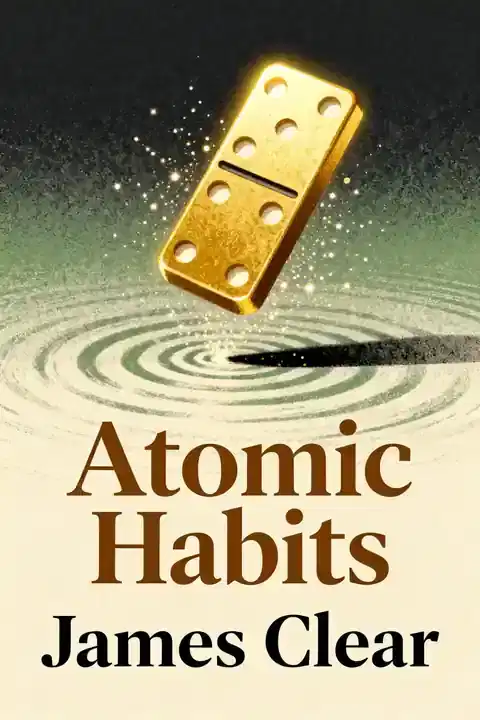
How does this book compare to Atomic Habits by James Clear?
While both address habit science, Dean focuses more on psychological mechanisms and habitual triggers, whereas Clear emphasizes systems and identity shifts. Making Habits is ideal for understanding the “why,” while Atomic Habits offers more tactical “how” advice.
Why is Making Habits, Breaking Habits relevant in 2025?
With rising interest in mental health and AI-driven habit apps, Dean’s research on conscious behavior modification remains critical. The book’s strategies align with modern tools like habit-tracking wearables, making it a timeless primer for personal growth.
Feel the book through the author's voice
Turn knowledge into engaging, example-rich insights
Capture key ideas in a flash for fast learning
Enjoy the book in a fun and engaging way
Key Themes in Making Habits, Breaking Habits
Quotes from Making Habits, Breaking Habits
Habits are curiously emotionless-through repetition, they lose their emotional flavor.
Familiarity creates an illusion of control over precisely those behaviors we control least.
Changing your environment can be more effective than relying on willpower alone.
We feel detached from our habits, as if externally controlled.
Characters in Making Habits, Breaking Habits
Quick Summary Mode - Read or listen to Making Habits, Breaking Habits Summary in 8 Minutes

Break down key ideas from Making Habits, Breaking Habits into bite-sized takeaways to understand how innovative teams create, collaborate, and grow.

Flash Card Mode - Top 9 Insights from Making Habits, Breaking Habits in a Nutshell

Distill Making Habits, Breaking Habits into rapid-fire memory cues that highlight key principles of candor, teamwork, and creative resilience.

Fun Mode - Making Habits, Breaking Habits Lessons Told Through 26-Min Stories

Experience Making Habits, Breaking Habits through vivid storytelling that turns innovation lessons into moments you'll remember and apply.
Personalize Mode - Read or listen to Making Habits, Breaking Habits Summary in 0 Minutes

Ask anything, pick the voice, and co-create insights that truly resonate with you.

From Columbia University alumni built in San Francisco
"Instead of endless scrolling, I just hit play on BeFreed. It saves me so much time."


"I never knew where to start with nonfiction—BeFreed’s book lists turned into podcasts gave me a clear path."


"Perfect balance between learning and entertainment. Finished ‘Thinking, Fast and Slow’ on my commute this week."
"Crazy how much I learned while walking the dog. BeFreed = small habits → big gains."
"Reading used to feel like a chore. Now it’s just part of my lifestyle."

"Feels effortless compared to reading. I’ve finished 6 books this month already."
"BeFreed turned my guilty doomscrolling into something that feels productive and inspiring."

"BeFreed turned my commute into learning time. 20-min podcasts are perfect for finishing books I never had time for."
"BeFreed replaced my podcast queue. Imagine Spotify for books — that’s it. 🙌"

"It is great for me to learn something from the book without reading it."
"The themed book list podcasts help me connect ideas across authors—like a guided audio journey."
"Makes me feel smarter every time before going to work"
From Columbia University alumni built in San Francisco
"Instead of endless scrolling, I just hit play on BeFreed. It saves me so much time."
"I never knew where to start with nonfiction—BeFreed’s book lists turned into podcasts gave me a clear path."
"Perfect balance between learning and entertainment. Finished ‘Thinking, Fast and Slow’ on my commute this week."
"Crazy how much I learned while walking the dog. BeFreed = small habits → big gains."
"Reading used to feel like a chore. Now it’s just part of my lifestyle."
"Feels effortless compared to reading. I’ve finished 6 books this month already."
"BeFreed turned my guilty doomscrolling into something that feels productive and inspiring."
"BeFreed turned my commute into learning time. 20-min podcasts are perfect for finishing books I never had time for."
"BeFreed replaced my podcast queue. Imagine Spotify for books — that’s it. 🙌"
"It is great for me to learn something from the book without reading it."
"The themed book list podcasts help me connect ideas across authors—like a guided audio journey."
"Makes me feel smarter every time before going to work"
"Instead of endless scrolling, I just hit play on BeFreed. It saves me so much time."
"I never knew where to start with nonfiction—BeFreed’s book lists turned into podcasts gave me a clear path."
"Perfect balance between learning and entertainment. Finished ‘Thinking, Fast and Slow’ on my commute this week."
"Crazy how much I learned while walking the dog. BeFreed = small habits → big gains."
"Reading used to feel like a chore. Now it’s just part of my lifestyle."
"Feels effortless compared to reading. I’ve finished 6 books this month already."
"BeFreed turned my guilty doomscrolling into something that feels productive and inspiring."
"BeFreed turned my commute into learning time. 20-min podcasts are perfect for finishing books I never had time for."
"BeFreed replaced my podcast queue. Imagine Spotify for books — that’s it. 🙌"
"It is great for me to learn something from the book without reading it."
"The themed book list podcasts help me connect ideas across authors—like a guided audio journey."
"Makes me feel smarter every time before going to work"
"Instead of endless scrolling, I just hit play on BeFreed. It saves me so much time."
"I never knew where to start with nonfiction—BeFreed’s book lists turned into podcasts gave me a clear path."
"Perfect balance between learning and entertainment. Finished ‘Thinking, Fast and Slow’ on my commute this week."
"Crazy how much I learned while walking the dog. BeFreed = small habits → big gains."
"Reading used to feel like a chore. Now it’s just part of my lifestyle."
"Feels effortless compared to reading. I’ve finished 6 books this month already."
"BeFreed turned my guilty doomscrolling into something that feels productive and inspiring."
"BeFreed turned my commute into learning time. 20-min podcasts are perfect for finishing books I never had time for."
"BeFreed replaced my podcast queue. Imagine Spotify for books — that’s it. 🙌"
"It is great for me to learn something from the book without reading it."
"The themed book list podcasts help me connect ideas across authors—like a guided audio journey."
"Makes me feel smarter every time before going to work"

Get the Making Habits, Breaking Habits summary as a free PDF or EPUB. Print it or read offline anytime.