I Want to Die but I Want to Eat Tteokbokki

Overview of I Want to Die but I Want to Eat Tteokbokki
In this raw therapy memoir, Baek Sehee navigates depression while craving life's simple pleasures. Endorsed by BTS and translated by an International Booker Prize nominee, it's the contradiction we all live - wanting to disappear yet still hungering for spicy rice cakes.
- Chronic depression management requires embracing life’s duality of despair and small joys.
- Therapy uncovers how performative calmness masks deeper anxiety and self-doubt.
- Baek Sehee’s sessions reveal that healing is non-linear and requires relentless self-compassion.
- Mental health in South Korea balances societal pressure with private psychiatric care.
- Self-criticism thrives on black-and-white thinking; nuance is key to emotional freedom.
- Authentic self-acceptance means rejecting society’s checklist for personal fulfillment.
- Long-term dysthymia treatment involves medication, therapy, and redefining self-worth.
- Baek Sehee’s memoir proves that vulnerability about darkness is a form of light.
- Struggling silently? Normalizing therapy conversations reduces stigma in collectivist cultures.
- I Want to Die redefines success as internal peace over external validation.
- Emotional exhaustion stems from perpetual people-pleasing and repressed inner turmoil.
- Tteokbokki cravings symbolize hope’s persistence amid mental health battles.
About the Author of I Want to Die but I Want to Eat Tteokbokki
Baek Se-hee, bestselling author of I Want to Die but I Want to Eat Tteokbokki, is a South Korean essayist and mental health advocate whose candid exploration of depression resonates globally.
Born in 1990, she studied creative writing and spent five years in publishing before channeling her decade-long experience with dysthymia (persistent mild depression) into this genre-blending memoir and self-help work.
Structured as transcripts of her therapy sessions, the book delves into anxiety, self-doubt, and healing through everyday struggles, anchored by her relatable craving for the spicy rice cake dish tteokbokki.
Originally self-published in 2018, the Korean edition became a cultural phenomenon, later translated into English by Anton Hur in 2022 and endorsed by BTS leader RM. Its raw authenticity led to a stage adaptation, amplifying conversations about mental health. The two-part series has been translated into over 20 languages, bridging personal vulnerability with universal resonance.
FAQs About I Want to Die but I Want to Eat Tteokbokki
What is I Want to Die but I Want to Eat Tteokbokki about?
This bestselling memoir by Baek Sehee blends therapy session transcripts with personal essays about her 10-year struggle with dysthymia (chronic mild depression). Structured as 12 conversations with her psychiatrist, it explores self-doubt, anxiety, and the paradox of clinging to life’s small joys—like craving tteokbokki—amid emotional exhaustion. The raw, intimate format bridges memoir and self-help.
Who should read I Want to Die but I Want to Eat Tteokbokki?
This book resonates with readers navigating mental health challenges, particularly those interested in therapy dynamics or South Korea’s cultural approach to depression. Its candid tone and relatable struggles make it ideal for fans of hybrid memoirs like Reasons to Stay Alive or The Midnight Library.
Is I Want to Die but I Want to Eat Tteokbokki worth reading?
Yes—it offers a rare glimpse into South Korean mental health care while normalizing conversations about depression. Critics praise its vulnerability, though some note the advice feels surface-level or culturally specific. Its viral title and Anton Hur’s translation have fueled global appeal.
How does the book address mental health stigma in South Korea?
Baek’s sessions highlight societal pressures to mask emotions, contrasting with her psychiatrist’s pragmatic advice. While South Korea’s universal healthcare includes mental health support, the book subtly critiques workplace culture and patriarchal norms that exacerbate anxiety.
What are the main themes in I Want to Die but I Want to Eat Tteokbokki?
- Self-worth: Struggles with feeling “not good enough” at work and relationships.
- Existential duality: Balancing suicidal ideation with cravings for simple pleasures.
- Cultural identity: How Korean societal expectations shape mental health perceptions.
What key quotes define the book’s message?
- “I don’t know if I want to live, but I still want to eat tteokbokki.” – Symbolizes clinging to mundane joys amid despair.
- “Revealing my darkness is as natural as revealing my light.” – Advocates for destigmatizing mental health struggles.
How does the book portray therapy in South Korea?
Sessions focus on cognitive reframing and medication, reflecting common psychiatric practices there. Baek’s therapist prioritizes functional improvements (e.g., work performance) over emotional exploration—a approach some Western readers find pragmatic, others impersonal.
What criticisms exist about the book?
Some readers find the therapy advice overly simplistic or culturally narrow, noting Baek’s privilege in accessing long-term care. Others critique repetitive themes, though many argue this mirrors the cyclical nature of depression.
Why is tteokbokki significant in the book?
The spicy rice cake represents fleeting comforts that anchor Baek to life. It’s a metaphor for how small, visceral joys can counterbalance existential despair—a motif resonating with global readers.
How relevant is the book in 2025?
Its exploration of post-pandemic mental health fatigue and Gen Z disillusionment remains timely. The blend of memoir and self-help aligns with trends toward vulnerable, hybrid nonfiction.
How does Anton Hur’s translation impact the book?
Hur preserves the conversational tone while adapting cultural nuances, though some phrases feel distinctly Korean. Critics applaud his balance of accessibility and authenticity.
What is Baek Sehee’s background?
Born in 1990, Baek studied creative writing, worked in publishing, and rescued her dog Jaram. Her decade-long therapy journey inspired this book, which began as a viral essay series in South Korea.
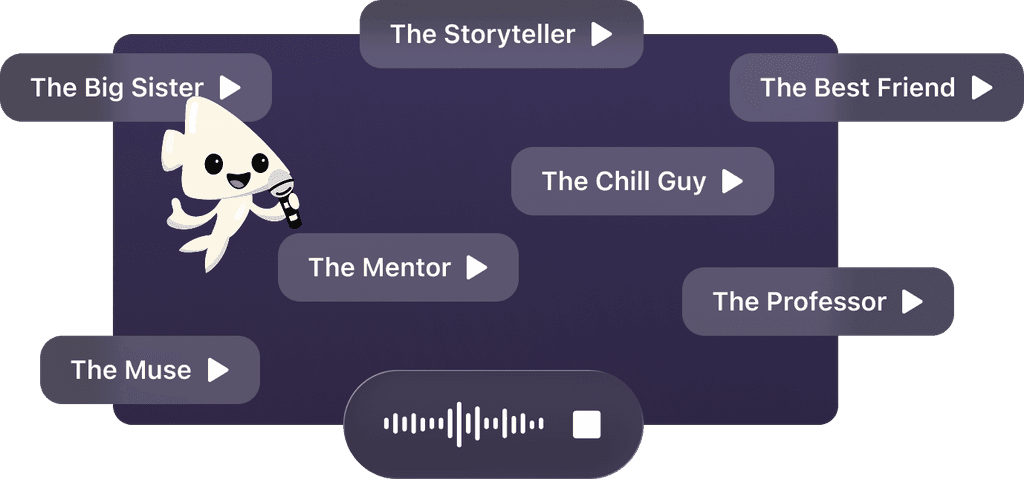
Feel the book through the author's voice
Turn knowledge into engaging, example-rich insights
Capture key ideas in a flash for fast learning
Enjoy the book in a fun and engaging way
Characters in I Want to Die but I Want to Eat Tteokbokki
- Baek Se-heeThe author and subject of the memoir
- The PsychiatristThe medical professional conducting therapy
- Roxane GayAuthor whose memoir triggers an emotional breakthrough
Key Themes in I Want to Die but I Want to Eat Tteokbokki
- high-functioning depression
- dysthymia management
- therapy session transcripts
- emotional contradictions
- selective perception
Quotes from I Want to Die but I Want to Eat Tteokbokki
"I want to die, but I want to eat tteokbokki."
She wants to be seen yet fears visibility.
Healing doesn't mean eliminating complexity.
When I absorb only the words that hurt me...
...not changing how others see her but changing how she processes their perceptions.
Explore Your Way of Learning
 Quick Summary Mode
Read or listen to I Want to Die but I Want to Eat Tteokbokki Summary in 8 Minutes
Break down key ideas from I Want to Die but I Want to Eat Tteokbokki into bite-sized takeaways to understand how innovative teams create, collaborate, and grow.

 Fun Mode
I Want to Die but I Want to Eat Tteokbokki Lessons Told Through 23-Min Stories
Experience I Want to Die but I Want to Eat Tteokbokki through vivid storytelling that turns innovation lessons into moments you'll remember and apply.
 Personalize Mode
Experience I Want to Die but I Want to Eat Tteokbokki in your own learning style
Ask anything, choose your learning style, and co-create insights that truly resonate with you.
From Columbia University alumni built in San Francisco
"Instead of endless scrolling, I just hit play on BeFreed. It saves me so much time."


"I never knew where to start with nonfiction—BeFreed’s book lists turned into podcasts gave me a clear path."


"Perfect balance between learning and entertainment. Finished ‘Thinking, Fast and Slow’ on my commute this week."
"Crazy how much I learned while walking the dog. BeFreed = small habits → big gains."
"Reading used to feel like a chore. Now it’s just part of my lifestyle."

"Feels effortless compared to reading. I’ve finished 6 books this month already."
"BeFreed turned my guilty doomscrolling into something that feels productive and inspiring."

"BeFreed turned my commute into learning time. 20-min podcasts are perfect for finishing books I never had time for."
"BeFreed replaced my podcast queue. Imagine Spotify for books — that’s it. 🙌"

"It is great for me to learn something from the book without reading it."
"The themed book list podcasts help me connect ideas across authors—like a guided audio journey."
"Makes me feel smarter every time before going to work"
From Columbia University alumni built in San Francisco
"Instead of endless scrolling, I just hit play on BeFreed. It saves me so much time."
"I never knew where to start with nonfiction—BeFreed’s book lists turned into podcasts gave me a clear path."
"Perfect balance between learning and entertainment. Finished ‘Thinking, Fast and Slow’ on my commute this week."
"Crazy how much I learned while walking the dog. BeFreed = small habits → big gains."
"Reading used to feel like a chore. Now it’s just part of my lifestyle."
"Feels effortless compared to reading. I’ve finished 6 books this month already."
"BeFreed turned my guilty doomscrolling into something that feels productive and inspiring."
"BeFreed turned my commute into learning time. 20-min podcasts are perfect for finishing books I never had time for."
"BeFreed replaced my podcast queue. Imagine Spotify for books — that’s it. 🙌"
"It is great for me to learn something from the book without reading it."
"The themed book list podcasts help me connect ideas across authors—like a guided audio journey."
"Makes me feel smarter every time before going to work"
"Instead of endless scrolling, I just hit play on BeFreed. It saves me so much time."
"I never knew where to start with nonfiction—BeFreed’s book lists turned into podcasts gave me a clear path."
"Perfect balance between learning and entertainment. Finished ‘Thinking, Fast and Slow’ on my commute this week."
"Crazy how much I learned while walking the dog. BeFreed = small habits → big gains."
"Reading used to feel like a chore. Now it’s just part of my lifestyle."
"Feels effortless compared to reading. I’ve finished 6 books this month already."
"BeFreed turned my guilty doomscrolling into something that feels productive and inspiring."
"BeFreed turned my commute into learning time. 20-min podcasts are perfect for finishing books I never had time for."
"BeFreed replaced my podcast queue. Imagine Spotify for books — that’s it. 🙌"
"It is great for me to learn something from the book without reading it."
"The themed book list podcasts help me connect ideas across authors—like a guided audio journey."
"Makes me feel smarter every time before going to work"
"Instead of endless scrolling, I just hit play on BeFreed. It saves me so much time."
"I never knew where to start with nonfiction—BeFreed’s book lists turned into podcasts gave me a clear path."
"Perfect balance between learning and entertainment. Finished ‘Thinking, Fast and Slow’ on my commute this week."
"Crazy how much I learned while walking the dog. BeFreed = small habits → big gains."
"Reading used to feel like a chore. Now it’s just part of my lifestyle."
"Feels effortless compared to reading. I’ve finished 6 books this month already."
"BeFreed turned my guilty doomscrolling into something that feels productive and inspiring."
"BeFreed turned my commute into learning time. 20-min podcasts are perfect for finishing books I never had time for."
"BeFreed replaced my podcast queue. Imagine Spotify for books — that’s it. 🙌"
"It is great for me to learn something from the book without reading it."
"The themed book list podcasts help me connect ideas across authors—like a guided audio journey."
"Makes me feel smarter every time before going to work"

Download Summary of I Want to Die but I Want to Eat Tteokbokki
Get the I Want to Die but I Want to Eat Tteokbokki summary as a free PDF or EPUB. Print it or read offline anytime.