Your Students, My Students, Our Students: Rethinking Equitable and Inclusive Classrooms

Overview of Your Students, My Students, Our Students
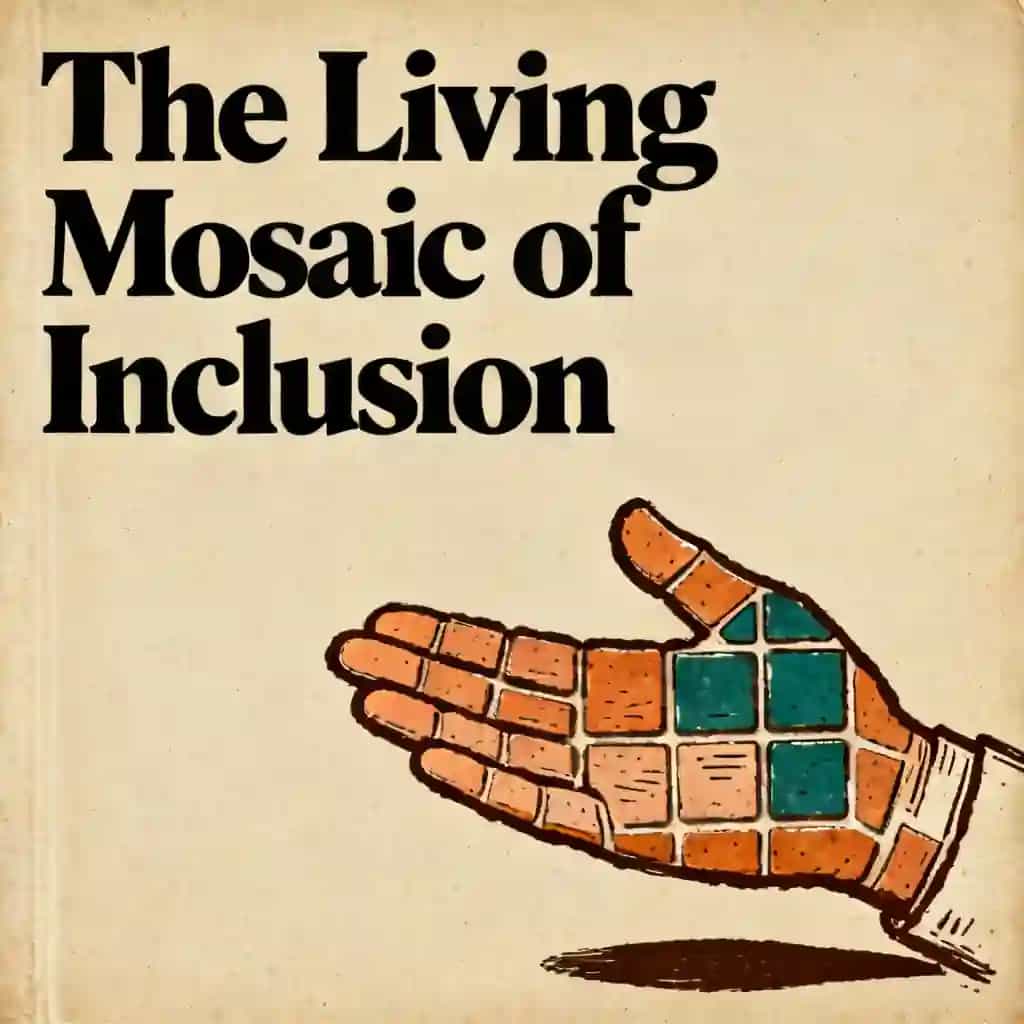
"Your Students, My Students, Our Students" challenges education's status quo with five essential disruptions to create truly inclusive classrooms. Winner of the AM&P EXCEL Bronze Award, this revolutionary guide asks: What if the 100+ years of combined expertise from four distinguished educators could transform how we serve all students?
- Rethink "least restrictive environment" norms to prioritize inclusive classroom placements over segregation.
- Build educator "dream teams" merging special and general education expertise for all learners.
- Replace deficit-focused IEPs with strength-based plans aligned to student aspirations and futures.
- Implement five systemic disruptions to dismantle inequitable special education structures in schools.
- Co-teaching models blend content mastery with individualized supports for meaningful inclusion.
- Shift from labeling students to shared ownership of learning across all educators.
- Honor student aspirations through collaborative goal-setting with families and support teams.
- Redefine special educator roles from isolated experts to classroom collaboration partners.
- Foster school-wide cultural transformation where every teacher champions equity and belonging.
- Align IEP objectives with grade-level standards while maintaining personalized support systems.
- Transform parent-teacher conferences into aspiration-focused discussions rather than deficit analyses.
- Create fluid academic support systems that follow students across classes and subjects.
About the Author of Your Students, My Students, Our Students
Lee Ann Jung, Nancy Frey, Douglas Fisher, and Julie Kroener are award-winning educators and thought leaders in inclusive education, renowned for their collaborative work on Your Students, My Students, Our Students: Rethinking Equitable and Inclusive Classrooms. This transformative guide blends their decades of experience in special education, curriculum design, and school leadership to challenge traditional practices and advance equity in K-12 settings.
Jung is a leading voice in inclusive education who authored From Goals to Growth and developed the International Inclusive Leadership Program.
Frey, a literacy expert and Christa McAuliffe Award recipient, co-wrote Better Learning Through Structured Teaching.
Fisher, a California Reading Hall of Fame inductee, cofounded Health Sciences High & Middle College and pioneered frameworks for professional learning communities.
Kroener, a credentialed special education administrator, directs support services for diverse learners. Their book, praised for its actionable strategies, holds a 4.3-star rating and is widely used in teacher training programs to redefine inclusive school cultures.
FAQs About Your Students, My Students, Our Students
What is Your Students, My Students, Our Students about?
Your Students, My Students, Our Students challenges traditional special education practices by advocating for equitable, inclusive classrooms. Co-authored by Lee Ann Jung, Nancy Frey, Douglas Fisher, and Julie Kroener, it proposes five systemic shifts: fostering inclusive school cultures, rethinking service delivery models, leveraging educator collaboration, prioritizing student aspirations, and redesigning intervention strategies. The book combines research with real-world examples to guide schools toward meaningful inclusion.
Who should read Your Students, My Students, Our Students?
This book is essential for all educators—general and special education teachers, administrators, and policymakers—committed to dismantling barriers in education. It offers actionable strategies for school leaders driving cultural change and classroom teachers seeking collaborative approaches to support neurodiverse learners. Its principles apply to K-12 settings and beyond.
Is Your Students, My Students, Our Students worth reading?
Yes—it’s a visionary yet practical resource for transforming inclusion practices. The authors, renowned experts in inclusive education, provide frameworks like the MAPs process for goal-setting and tools to address systemic inequities. Real-life success stories and step-by-step guidance make it valuable for educators at any career stage.
What are the five essential disruptions proposed in the book?
The authors outline five critical shifts:
- Building school cultures rooted in equity and belonging.
- Replacing restrictive service models with flexible, inclusive structures.
- Harnessing all educators’ strengths through shared responsibility.
- Collaborating on instruction, intervention, and assessment.
- Centering students’ aspirations in individualized planning.
How does the book recommend setting student-centered goals?
It advocates for the MAPs (Making Action Plans) process, where students, families, and educators collaboratively design goals tied to long-term aspirations. The book also promotes Goal Attainment Scaling to track progress and emphasizes starting early to align educational plans with students’ dreams.
What challenges to inclusion does the book highlight?
Key challenges include:
- Overreliance on segregated classrooms and labels.
- Inequitable resource distribution.
- Cultural resistance to inclusion as a shared responsibility.
- Low expectations for students with disabilities.
How does the book redefine educators’ roles in inclusive classrooms?
It urges collective accountability: general and special educators co-teaching, sharing expertise, and jointly problem-solving. The book stresses ongoing professional development and leadership support to dismantle silos between roles.
Why does the book emphasize honoring student aspirations?
The authors argue that aspirations drive motivation and self-advocacy. By aligning goals with students’ visions for their futures (e.g., careers, independence), educators foster hope and agency. Practical tools, like aspirational planning templates, help teams operationalize this approach.
What credentials do the authors bring to this topic?
Lee Ann Jung (clinical professor, San Diego State University) and co-authors are internationally recognized for research in inclusion, Universal Design for Learning, and grading reform. Jung alone has 25+ years of experience as a teacher, consultant, and author of eight education books.
How does this book compare to the authors’ other works?
While Jung’s earlier books focus on assessment and grading, this title prioritizes systemic change for inclusion. It expands on her Seen, Heard, and Valued by addressing collaboration and cultural shifts, offering a roadmap for entire schools—not just individual classrooms.
Feel the book through the author's voice
Turn knowledge into engaging, example-rich insights
Capture key ideas in a flash for fast learning
Enjoy the book in a fun and engaging way
Characters in Your Students, My Students, Our Students
- Lee Ann JungAuthor and education expert
- Nancy FreyAuthor and education expert
- ShaniceStudent who moved to general education classes
- John HattieResearcher who conducted a meta-analysis
Key Themes in Your Students, My Students, Our Students
- inclusive education
- disability identity
- universal design
- collaborative teaching
- educational equity
Quotes from Your Students, My Students, Our Students
Equity and inclusion must become more than buzzwords.
Not labeling students has a significant positive effect.
Prove you belong mindset continues to create barriers today.
All students are our students deserving expert assistance.
Explore Your Way of Learning
 Quick Summary Mode
Read or listen to Your Students, My Students, Our Students Summary in 10 Minutes
Break down key ideas from Your Students, My Students, Our Students into bite-sized takeaways to understand how innovative teams create, collaborate, and grow.

 Fun Mode
Your Students, My Students, Our Students Lessons Told Through 20-Min Stories
Experience Your Students, My Students, Our Students through vivid storytelling that turns innovation lessons into moments you'll remember and apply.
 Personalize Mode
Experience Your Students, My Students, Our Students in your own learning style
Ask anything, choose your learning style, and co-create insights that truly resonate with you.

From Columbia University alumni built in San Francisco
"Instead of endless scrolling, I just hit play on BeFreed. It saves me so much time."


"I never knew where to start with nonfiction—BeFreed’s book lists turned into podcasts gave me a clear path."


"Perfect balance between learning and entertainment. Finished ‘Thinking, Fast and Slow’ on my commute this week."
"Crazy how much I learned while walking the dog. BeFreed = small habits → big gains."
"Reading used to feel like a chore. Now it’s just part of my lifestyle."

"Feels effortless compared to reading. I’ve finished 6 books this month already."
"BeFreed turned my guilty doomscrolling into something that feels productive and inspiring."

"BeFreed turned my commute into learning time. 20-min podcasts are perfect for finishing books I never had time for."
"BeFreed replaced my podcast queue. Imagine Spotify for books — that’s it. 🙌"

"It is great for me to learn something from the book without reading it."
"The themed book list podcasts help me connect ideas across authors—like a guided audio journey."
"Makes me feel smarter every time before going to work"
From Columbia University alumni built in San Francisco
"Instead of endless scrolling, I just hit play on BeFreed. It saves me so much time."
"I never knew where to start with nonfiction—BeFreed’s book lists turned into podcasts gave me a clear path."
"Perfect balance between learning and entertainment. Finished ‘Thinking, Fast and Slow’ on my commute this week."
"Crazy how much I learned while walking the dog. BeFreed = small habits → big gains."
"Reading used to feel like a chore. Now it’s just part of my lifestyle."
"Feels effortless compared to reading. I’ve finished 6 books this month already."
"BeFreed turned my guilty doomscrolling into something that feels productive and inspiring."
"BeFreed turned my commute into learning time. 20-min podcasts are perfect for finishing books I never had time for."
"BeFreed replaced my podcast queue. Imagine Spotify for books — that’s it. 🙌"
"It is great for me to learn something from the book without reading it."
"The themed book list podcasts help me connect ideas across authors—like a guided audio journey."
"Makes me feel smarter every time before going to work"
"Instead of endless scrolling, I just hit play on BeFreed. It saves me so much time."
"I never knew where to start with nonfiction—BeFreed’s book lists turned into podcasts gave me a clear path."
"Perfect balance between learning and entertainment. Finished ‘Thinking, Fast and Slow’ on my commute this week."
"Crazy how much I learned while walking the dog. BeFreed = small habits → big gains."
"Reading used to feel like a chore. Now it’s just part of my lifestyle."
"Feels effortless compared to reading. I’ve finished 6 books this month already."
"BeFreed turned my guilty doomscrolling into something that feels productive and inspiring."
"BeFreed turned my commute into learning time. 20-min podcasts are perfect for finishing books I never had time for."
"BeFreed replaced my podcast queue. Imagine Spotify for books — that’s it. 🙌"
"It is great for me to learn something from the book without reading it."
"The themed book list podcasts help me connect ideas across authors—like a guided audio journey."
"Makes me feel smarter every time before going to work"
"Instead of endless scrolling, I just hit play on BeFreed. It saves me so much time."
"I never knew where to start with nonfiction—BeFreed’s book lists turned into podcasts gave me a clear path."
"Perfect balance between learning and entertainment. Finished ‘Thinking, Fast and Slow’ on my commute this week."
"Crazy how much I learned while walking the dog. BeFreed = small habits → big gains."
"Reading used to feel like a chore. Now it’s just part of my lifestyle."
"Feels effortless compared to reading. I’ve finished 6 books this month already."
"BeFreed turned my guilty doomscrolling into something that feels productive and inspiring."
"BeFreed turned my commute into learning time. 20-min podcasts are perfect for finishing books I never had time for."
"BeFreed replaced my podcast queue. Imagine Spotify for books — that’s it. 🙌"
"It is great for me to learn something from the book without reading it."
"The themed book list podcasts help me connect ideas across authors—like a guided audio journey."
"Makes me feel smarter every time before going to work"

Download Summary of Your Students, My Students, Our Students
Get the Your Students, My Students, Our Students summary as a free PDF or EPUB. Print it or read offline anytime.