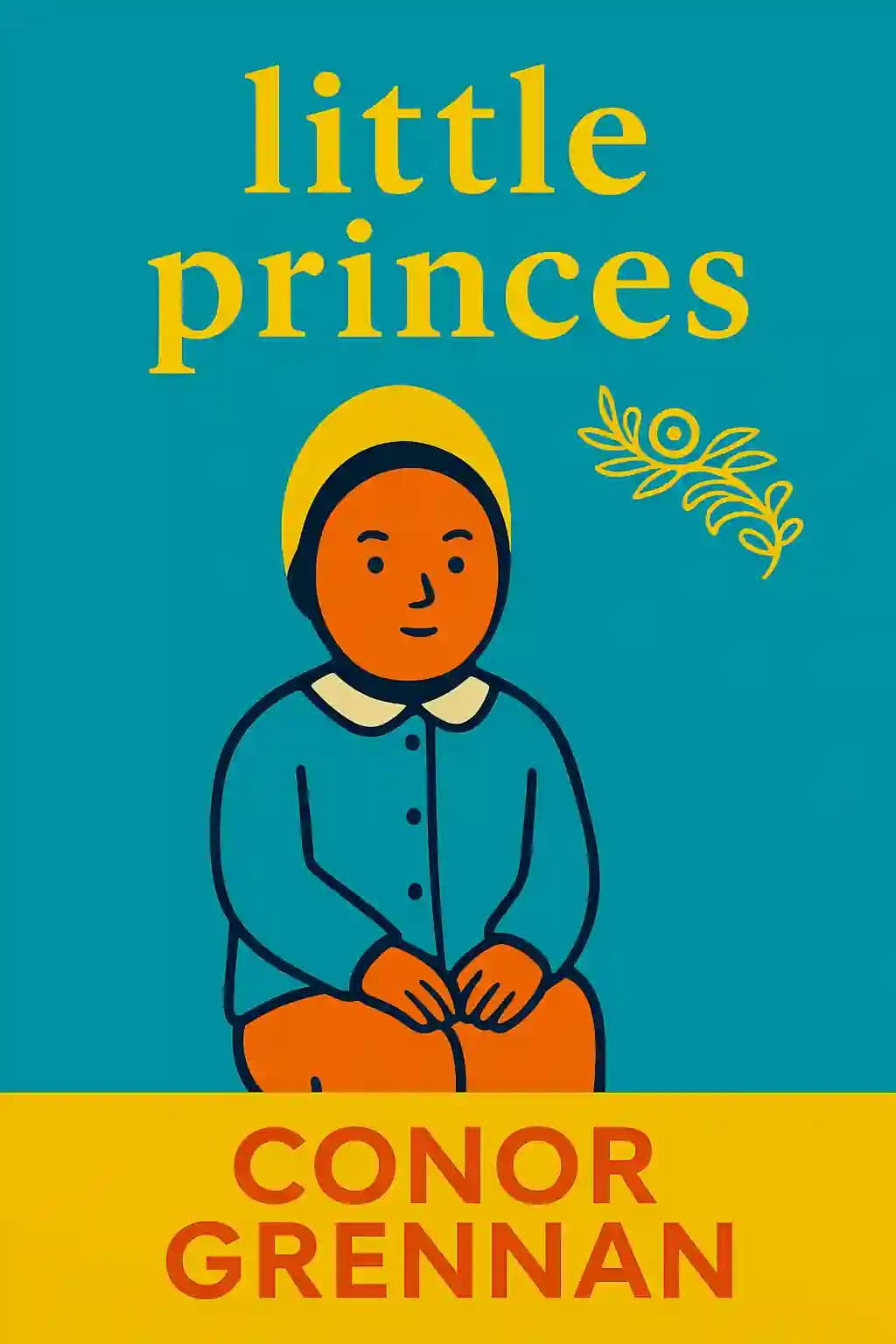
Little princes
one man's promise to bring home the lost children of Nepal
Overview of Little princes
In "Little Princes," Conor Grennan's volunteer trip becomes a life-altering mission to reunite trafficked Nepalese children with their families. This New York Times bestseller and Goodreads Choice Award winner inspired a nonprofit that continues fighting child trafficking today. What begins as tourism ends as transformation.

Key Themes in Little princes
- child trafficking rescue
- nepalese civil war
- voluntourism ethics
- family reunification
- accidental activism
Quotes from Little princes
I'll be back in one year.
The orphanage experience had permanently altered his lens on the world.
They just hadn't been given the same chance.
Characters in Little princes
- Conor GrennanThe author and volunteer who rescues children
- GolkkaA child trafficker who deceived Nepalese parents
- SantoshA bright teenage orphan who helped translate
- AnishA young boy at the orphanage who asked Conor to return
- SandraA volunteer kidnapped by Maoist rebels
About the Author
About the Author of Little princes
Conor Grennan is the New York Times bestselling author of Little Princes: One Man’s Promise to Bring Home the Lost Children of Nepal, a memoir chronicling his humanitarian work combating child trafficking in Nepal.
A graduate of NYU Stern School of Business, Grennan blends his professional background in international policy with firsthand experience founding Next Generation Nepal (NGN), a nonprofit dedicated to reuniting trafficked children with their families.
His writing explores themes of resilience, social justice, and cross-cultural compassion, informed by years spent navigating Nepal’s civil war and rural villages. Grennan also authored the middle-grade fantasy novel The Hadley Academy for the Improbably Gifted, showcasing his versatility across genres.
Recognized as a Huffington Post “Game Changer” and honored by the Dalai Lama, he serves as Dean of Students for NYU Stern’s MBA program. Little Princes has been translated into 15 languages and remains a landmark work in narrative nonfiction.
Download Summary of Little princes
Get the Little princes summary as a free PDF or EPUB. Print it or read offline anytime.
FAQs About This Book
Little Princes chronicles Conor Grennan’s journey volunteering at a Nepalese orphanage, where he discovers the children are victims of trafficking—not orphans. His mission to reunite them with their families during a civil war evolves into founding Next Generation Nepal, blending memoir with themes of resilience and compassion.
Fans of inspirational memoirs, humanitarian narratives, or stories about Nepal’s culture and civil war will find this book compelling. It appeals to readers interested in child welfare, social justice, or grassroots activism, offering a firsthand account of courage amid adversity.
Yes, Little Princes is a memoir detailing Grennan’s real-life experiences volunteering in Nepal, uncovering child trafficking rings, and reuniting families. His nonprofit work and encounters with Maoist rebels during the civil war are documented authentically.
Critics praise Little Princes for its heartwarming yet unflinching portrayal of resilience. Grennan’s humor and honesty, paired with the children’s harrowing stories, make it a standout in humanitarian literature. Ideal for readers seeking impactful narratives about altruism.
The civil war intensifies dangers, enabling traffickers to exploit vulnerable families. Grennan navigates Maoist checkpoints, resource shortages, and violence while working to protect the children, highlighting how conflict exacerbates humanitarian crises.
Initially motivated by adventure, Grennan transforms into a dedicated advocate. His bond with the children and exposure to trafficking’s horrors drive him to establish Next Generation Nepal, showcasing personal growth from volunteer to activist.
The book exposes traffickers’ scams: posing as protectors, they charge families to “rescue” children, then abandon them in cities. Grennan’s efforts to trace families through remote villages underscore systemic exploitation and grassroots solutions.
Grennan confronts treacherous Himalayan terrain, bureaucratic corruption, and wartime instability. Injuries, Maoist threats, and logistical hurdles test his resolve, illustrating the complexities of humanitarian work in crisis zones.
Founded by Grennan, this nonprofit reunites trafficked children with families and educates communities to prevent trafficking. The organization’s ongoing work is a key outcome of the memoir.
The book highlights villagers’ endurance amid poverty and war, emphasizing communal strength. Grennan’s deep immersion—learning customs, navigating festivals—reveals a culture rooted in perseverance and hope.
While praised for its gripping narrative, some readers note Grennan’s initial naivety as a Western volunteer. However, his self-awareness and focus on local partnerships counterbalance critiques of “savior” tropes.
The book explores both biological family reunification and Grennan’s role as a surrogate parent. Themes of unconditional love and sacrifice underscore how family bonds transcend blood ties.
Grennan blends wit with raw emotion, balancing the children’s humor against wartime bleakness. His accessible, conversational tone invites readers into Nepal’s landscapes and moral dilemmas.