Overview of Salt
How did a humble white crystal spark revolutions, build empires, and shape civilization? "Salt" unveils the mineral that funded the Great Wall of China, sparked Gandhi's revolution, and changed food preservation forever. The substance worth its weight in gold - hiding in plain sight.
- Salt’s role as an economic driver funded empires and infrastructure like the Erie Canal.
- Mahatma Gandhi’s 1930 salt march protested British colonial taxes, galvanizing India’s independence movement.
- Ancient Chinese innovations in salt extraction pioneered drilling techniques later used for oil.
- Salt taxes sparked rebellions, including France’s 1789 revolution and America’s pre-Revolutionary War tensions.
- Roman soldiers received “salarium” (salt payment), coining the term “salary” for modern wages.
- Preservation via salt enabled global exploration, from Viking voyages to colonial fish trades.
- Religious rituals used salt as a symbol of purity and divine connection across civilizations.
- The 19th-century discovery of vast salt deposits shifted it from luxury to cheap commodity.
- Salt shortages influenced Confederate strategies during the U.S. Civil War, weakening supply chains.
- Culinary traditions like soy sauce and cheese emerged from salt-dependent preservation methods.
- British salt trade manipulation fueled colonial unrest, accelerating America’s fight for independence.
- Kurlansky frames salt as the overlooked catalyst for technological, political, and cultural revolutions.
About the Author of Salt
Mark Kurlansky, bestselling author of Salt: A World History, is an acclaimed historian and journalist renowned for transforming niche subjects into sweeping narratives of human civilization. A former foreign correspondent for The International Herald Tribune and Miami Herald, his work blends rigorous research with storytelling, often exploring how singular elements—like cod, oysters, or salt—shaped economies, cultures, and conflicts.
Salt exemplifies his signature approach, tracing the mineral’s role in revolutions, trade empires, and technological breakthroughs.
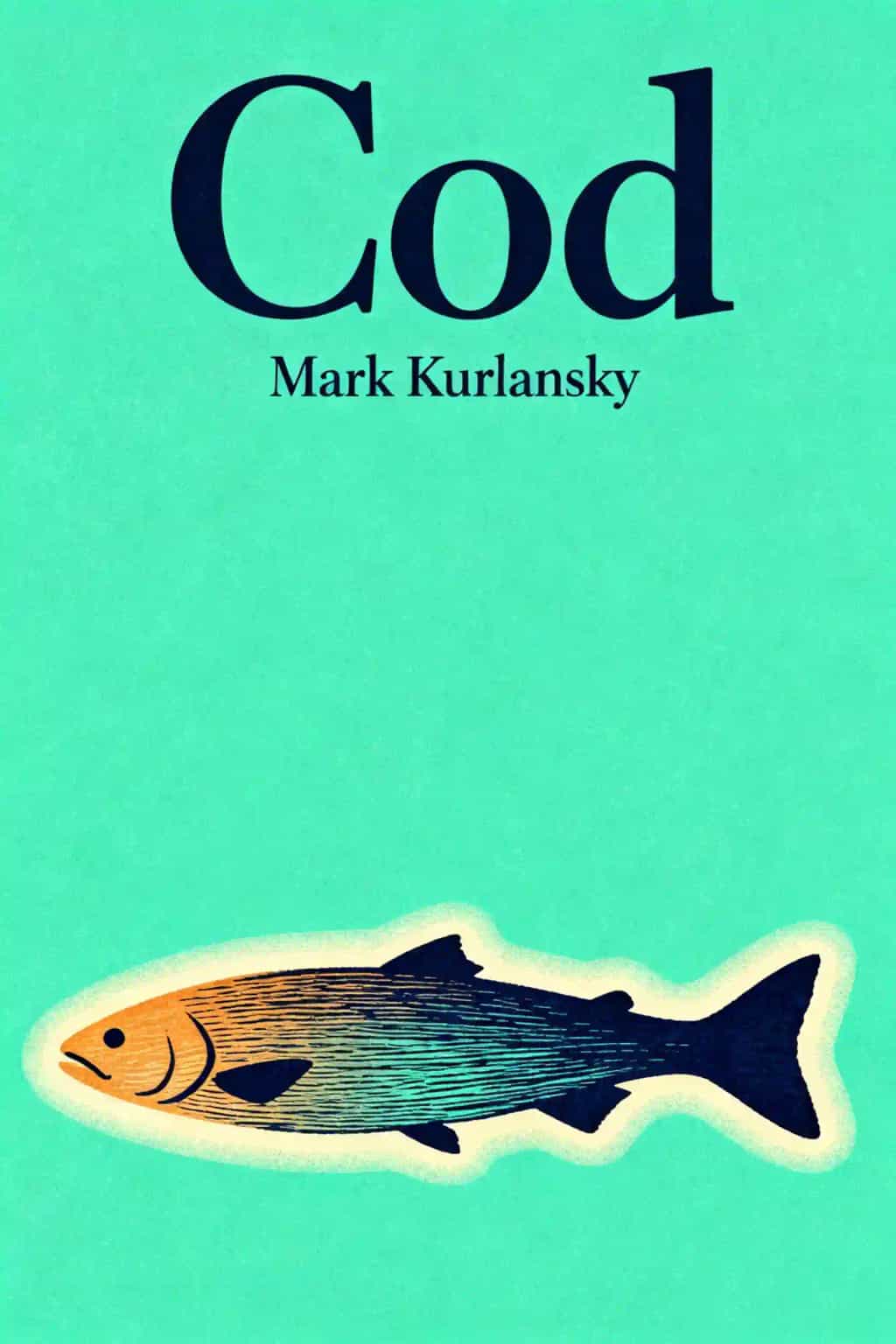
Kurlansky’s other landmark works include Cod: A Biography of the Fish That Changed the World, a James Beard Award winner, and 1968: The Year That Rocked the World, which dissects global social upheaval. His books are staples in academic curricula and have been translated into over 30 languages.
A Harman Writer-in-Residence at Baruch College and vocal advocate for nonviolence—his book on the topic won the Dayton Literary Peace Prize—Kurlansky combines journalistic precision with a playwright’s flair for drama. Salt alone has sold over 1 million copies worldwide, cementing its status as a modern classic of microhistory.
FAQs About Salt
What is Salt: A World History about?
Salt: A World History by Mark Kurlansky traces the profound impact of salt on human civilization, exploring its role in economics, warfare, culture, and technological innovation. From ancient Chinese saltworks to Gandhi’s Salt March, the book reveals how this common mineral shaped empires, funded revolutions, and influenced culinary traditions worldwide.
Who should read Salt: A World History?
History enthusiasts, foodies, and readers curious about how everyday substances shape societies will find this book compelling. Its interdisciplinary approach—weaving science, politics, and gastronomy—appeals to those interested in macro-historical narratives and niche cultural anecdotes.
Is Salt: A World History worth reading?
Yes. Kurlansky’s engaging storytelling transforms a mundane topic into a captivating global saga. The book’s blend of obscure historical facts, vivid characters (like salt-mining pioneers and revolutionary leaders), and surprising connections makes it both educational and entertaining.
Who is Mark Kurlansky?
Mark Kurlansky is an award-winning journalist and bestselling author known for exploring historical subjects through singular lenses, such as cod (Cod: A Biography of the Fish That Changed the World). His works combine meticulous research with narrative flair, earning acclaim for making niche topics accessible.
How did salt influence ancient civilizations?
Salt enabled food preservation, fostering trade networks and urbanization. Ancient China built advanced salt extraction systems, Rome monopolized salt routes to fund expansion, and African empires traded salt for gold. Its scarcity made it a form of currency and a symbol of wealth.
What role did salt play in wars and revolutions?
Salt taxes sparked rebellions, including the French Revolution and India’s independence movement. During the U.S. Civil War, salt shortages crippled the Confederacy, while British salt policies in colonial India became a focal point of Gandhi’s nonviolent resistance.
What is the connection between salt and the age of petroleum?
In 1901, drilling into a Texas salt dome revealed the Spindletop oil gusher, launching the modern petroleum industry. Salt’s geological presence often signals oil reserves, linking its history to energy exploration.
How did salt shape culinary traditions?
Salt preservation gave rise to staples like cheese, sauerkraut, and cured meats. Techniques like dry-salting fish enabled long-distance trade, influencing regional diets and global cuisine. Kurlansky also details salt’s symbolic role in religious rituals and folklore.
What is a key quote from Salt: A World History?
Kurlansky notes, “Salt is so common, so easy to obtain, and so inexpensive that we have forgotten that from the beginning of civilization until about 100 years ago, salt was one of the most sought-after commodities.” This underscores its historical indispensability.
What are criticisms of Salt: A World History?
Some readers find the book’s scope overly broad, with dense historical tangents. While praised for its creativity, critics note that later chapters meander compared to the tightly woven early narratives.
Why is Salt: A World History relevant today?
The book illuminates how resource control drives geopolitical strife—a theme mirrored in modern oil and mineral conflicts. It also highlights salt’s enduring role in food science, industry, and environmental challenges like road de-icing.
How does Salt: A World History compare to Kurlansky’s Cod?
Both books use a single commodity to unpack broader historical forces, but Salt spans more cultures and eras. While Cod focuses on maritime ecology, Salt emphasizes technological innovation and socio-political power struggles.
How does Kurlansky use interdisciplinary storytelling?
The book merges archaeology, economics, and culinary anthropology, such as linking Roman salt roads to medieval trade networks or explaining how salted cod fueled European colonialism. This approach reveals salt as a catalyst for interconnected historical shifts.
Feel the book through the author's voice
Turn knowledge into engaging, example-rich insights
Capture key ideas in a flash for fast learning
Enjoy the book in a fun and engaging way
Key Themes in Salt
Quotes from Salt
Without it, we die.
Salt has fascinated humanity for millennia.
The story of salt is ultimately the story of power.
The Chinese character for salt (yan) depicts state control.
Salt moved south across Africa while gold moved north.
Characters in Salt
Quick Summary Mode - Read or listen to Salt Summary in 9 Minutes

Break down key ideas from Salt into bite-sized takeaways to understand how innovative teams create, collaborate, and grow.

Flash Card Mode - Top 10 Insights from Salt in a Nutshell

Distill Salt into rapid-fire memory cues that highlight key principles of candor, teamwork, and creative resilience.

Fun Mode - Salt Lessons Told Through 25-Min Stories

Experience Salt through vivid storytelling that turns innovation lessons into moments you'll remember and apply.
Personalize Mode - Read or listen to Salt Summary in 0 Minutes

Ask anything, pick the voice, and co-create insights that truly resonate with you.

From Columbia University alumni built in San Francisco
"Instead of endless scrolling, I just hit play on BeFreed. It saves me so much time."


"I never knew where to start with nonfiction—BeFreed’s book lists turned into podcasts gave me a clear path."


"Perfect balance between learning and entertainment. Finished ‘Thinking, Fast and Slow’ on my commute this week."
"Crazy how much I learned while walking the dog. BeFreed = small habits → big gains."
"Reading used to feel like a chore. Now it’s just part of my lifestyle."

"Feels effortless compared to reading. I’ve finished 6 books this month already."
"BeFreed turned my guilty doomscrolling into something that feels productive and inspiring."

"BeFreed turned my commute into learning time. 20-min podcasts are perfect for finishing books I never had time for."
"BeFreed replaced my podcast queue. Imagine Spotify for books — that’s it. 🙌"

"It is great for me to learn something from the book without reading it."
"The themed book list podcasts help me connect ideas across authors—like a guided audio journey."
"Makes me feel smarter every time before going to work"
From Columbia University alumni built in San Francisco
"Instead of endless scrolling, I just hit play on BeFreed. It saves me so much time."
"I never knew where to start with nonfiction—BeFreed’s book lists turned into podcasts gave me a clear path."
"Perfect balance between learning and entertainment. Finished ‘Thinking, Fast and Slow’ on my commute this week."
"Crazy how much I learned while walking the dog. BeFreed = small habits → big gains."
"Reading used to feel like a chore. Now it’s just part of my lifestyle."
"Feels effortless compared to reading. I’ve finished 6 books this month already."
"BeFreed turned my guilty doomscrolling into something that feels productive and inspiring."
"BeFreed turned my commute into learning time. 20-min podcasts are perfect for finishing books I never had time for."
"BeFreed replaced my podcast queue. Imagine Spotify for books — that’s it. 🙌"
"It is great for me to learn something from the book without reading it."
"The themed book list podcasts help me connect ideas across authors—like a guided audio journey."
"Makes me feel smarter every time before going to work"
"Instead of endless scrolling, I just hit play on BeFreed. It saves me so much time."
"I never knew where to start with nonfiction—BeFreed’s book lists turned into podcasts gave me a clear path."
"Perfect balance between learning and entertainment. Finished ‘Thinking, Fast and Slow’ on my commute this week."
"Crazy how much I learned while walking the dog. BeFreed = small habits → big gains."
"Reading used to feel like a chore. Now it’s just part of my lifestyle."
"Feels effortless compared to reading. I’ve finished 6 books this month already."
"BeFreed turned my guilty doomscrolling into something that feels productive and inspiring."
"BeFreed turned my commute into learning time. 20-min podcasts are perfect for finishing books I never had time for."
"BeFreed replaced my podcast queue. Imagine Spotify for books — that’s it. 🙌"
"It is great for me to learn something from the book without reading it."
"The themed book list podcasts help me connect ideas across authors—like a guided audio journey."
"Makes me feel smarter every time before going to work"
"Instead of endless scrolling, I just hit play on BeFreed. It saves me so much time."
"I never knew where to start with nonfiction—BeFreed’s book lists turned into podcasts gave me a clear path."
"Perfect balance between learning and entertainment. Finished ‘Thinking, Fast and Slow’ on my commute this week."
"Crazy how much I learned while walking the dog. BeFreed = small habits → big gains."
"Reading used to feel like a chore. Now it’s just part of my lifestyle."
"Feels effortless compared to reading. I’ve finished 6 books this month already."
"BeFreed turned my guilty doomscrolling into something that feels productive and inspiring."
"BeFreed turned my commute into learning time. 20-min podcasts are perfect for finishing books I never had time for."
"BeFreed replaced my podcast queue. Imagine Spotify for books — that’s it. 🙌"
"It is great for me to learn something from the book without reading it."
"The themed book list podcasts help me connect ideas across authors—like a guided audio journey."
"Makes me feel smarter every time before going to work"

Get the Salt summary as a free PDF or EPUB. Print it or read offline anytime.