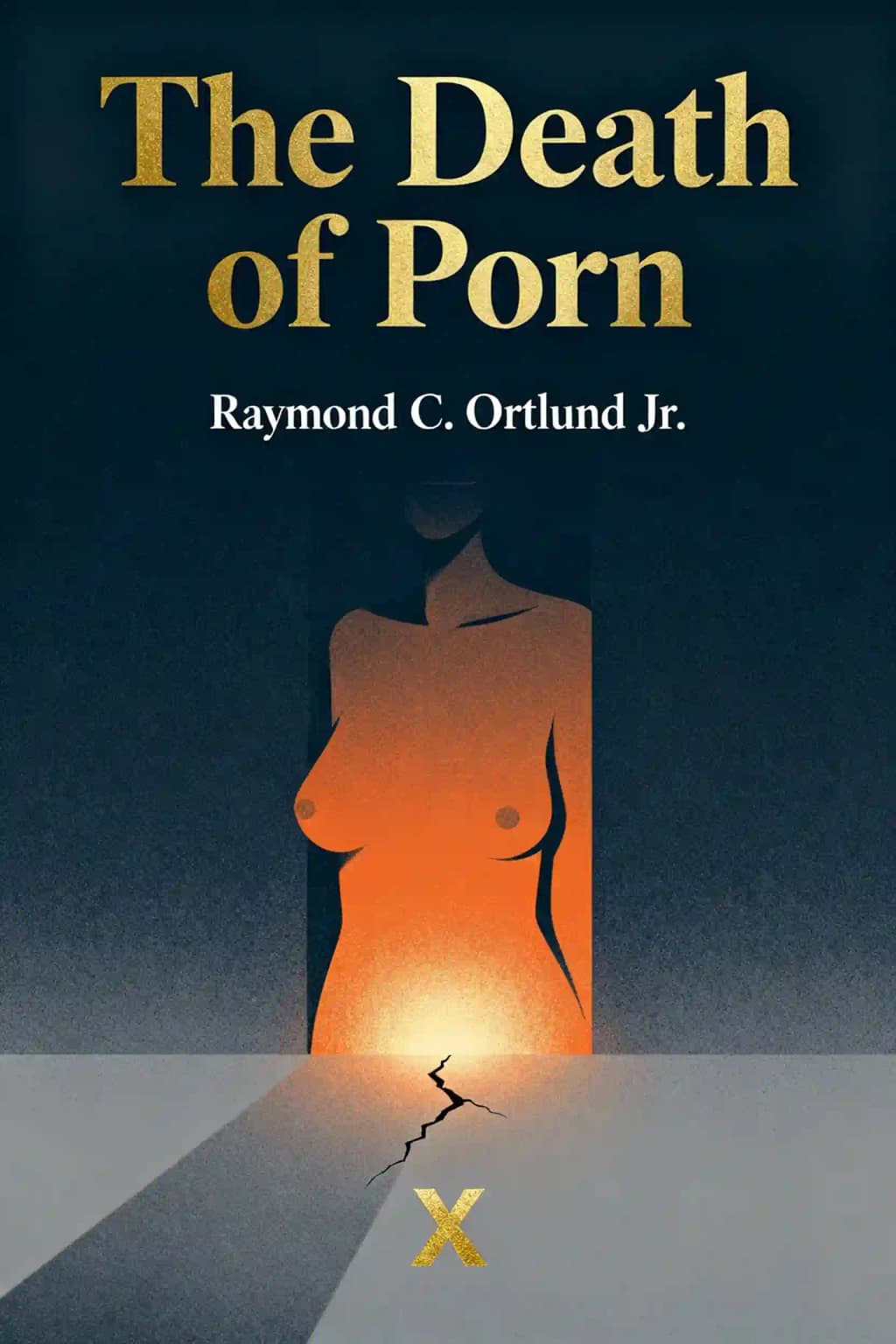
What is The Death of Porn by Raymond C. Ortlund Jr. about?
The Death of Porn is a gospel-centered guide addressing pornography addiction through the lens of God-given dignity and nobility. Written as a series of letters from a father to his son, Ray Ortlund Jr. challenges men to see their battle against pornography as part of a larger fight for women's dignity and their own restored identity in Christ. The book emphasizes hope over willpower and calls men to become active defenders rather than passive consumers.
Who is Raymond C. Ortlund Jr., author of The Death of Porn?
Raymond C. Ortlund Jr. is pastor emeritus of Immanuel Church in Nashville, Tennessee, and President of Renewal Ministries. He previously served as Professor of Old Testament and Semitic Languages at Trinity Evangelical Divinity School for nine years. Ortlund has authored multiple books and serves on the Council of The Gospel Coalition, bringing theological depth and pastoral wisdom to addressing contemporary Christian challenges.
Who should read The Death of Porn?
The Death of Porn is primarily written for men struggling with pornography addiction or seeking to understand its spiritual and relational impact. It's also valuable for pastors, counselors, fathers wanting to guide their sons, and anyone interested in a compassionate, gospel-centered approach to sexual integrity. The book's fatherly tone and theological depth make it suitable for both those in active struggle and those supporting others in their recovery journey.
Is The Death of Porn by Ray Ortlund worth reading?
Yes, The Death of Porn is widely praised for its compassionate yet unflinching approach to pornography addiction. As an ECPA Christian Book Award Finalist, it offers a unique father-to-son letter format that feels deeply personal. Readers appreciate Ortlund's emphasis on gospel grace rather than shame-based tactics, his focus on women's dignity, and his call to active advocacy against the porn industry's exploitation. The book provides both theological depth and practical hope for lasting change.
How does Ray Ortlund define royalty and nobility in The Death of Porn?
In The Death of Porn, Ray Ortlund defines royalty as being created in God's image with inherent worth and unique purpose, while nobility means living selflessly for others with courage and commitment to justice. Ortlund urges men to reject mediocrity and embrace their destiny as agents of good, not just "nice guys". True royalty and nobility are restored through Christ's grace rather than human willpower. This framework reframes the battle against pornography as reclaiming one's God-given identity and defending the vulnerable.
What is Ray Ortlund's approach to overcoming pornography in The Death of Porn?
Ray Ortlund's approach emphasizes hope over willpower, teaching that freedom comes through believing in God's grace rather than white-knuckled self-control. He encourages honest self-assessment, urging men to call pornography what it truly is: "sexual exploitation" and "abuse of a woman". Community and confession are central, with healing coming through confessing sins to trusted brothers and praying together. Ortlund also calls men to purposeful action—actively opposing the porn industry and supporting those harmed by it.
How does The Death of Porn by Ray Ortlund address women's dignity?
The Death of Porn insists that every woman in pornography is created in God's image and deserves honor as "royalty". Ortlund exposes the exploitation, coercion, and trauma women in the industry experience, including a chapter where sex trafficking survivor Tara shares her story. He challenges men to stop objectifying women as pleasure sources and instead see them as sisters to defend and cherish. The book emphasizes that every moment of porn consumption leaves behind a broken woman with lasting trauma.
What makes The Death of Porn different from other books on pornography?
The Death of Porn stands out through its father-to-son letter format, creating an intimate, personal tone many men never experience in real life. Unlike how-to guides, it elevates readers' vision by focusing on God's noble purpose for humanity rather than mere behavioral modification. The book uniquely connects individual struggles to the larger battle against the porn industry's systemic evil. It also emphasizes advocacy and action—calling men not just to stop watching but to actively defend exploited women.
What is the two-part structure of The Death of Porn?
The Death of Porn is organized into two main sections that guide readers from understanding to action. Part One focuses on identity, exploring God's design for men and women as royalty and nobility, while exposing pornography's destructive warping of that design. Part Two, "Reimagining the Future," offers hope for life after pornography, summarizing how to fight well and assuring readers they're on the right side of history because of Christ's resurrection. This structure moves from theological foundation to practical application.
What does Ray Ortlund say about honesty and confession in The Death of Porn?
Ray Ortlund emphasizes that freedom begins with brutal honesty about pornography use. He rejects minimizing language like "I slipped up today," urging men instead to say, "Today I entertained myself with sexual exploitation" or "Today I joined in the abuse of a woman". Ortlund teaches that no man is helped by "nicey-nice hypocritical words" and that healing comes through exposing pornography to the light of reality. He stresses community confession and praying with trusted brothers as essential to recovery.
How does The Death of Porn use hope as its central theme?
The Death of Porn positions hope, not willpower, as the foundation for overcoming pornography addiction. Ray Ortlund teaches that the battle isn't about white-knuckled self-control but about believing in a hopeful future grounded in God's grace and Christ's resurrection. He assures readers, "You're on the right side of history, not because of your resolve but because of his resurrection". This hope-centered approach contrasts with shame-based methods, offering freedom through the gospel rather than human effort alone.
What does Ray Ortlund say about the porn industry in The Death of Porn?
Ray Ortlund exposes the porn industry as a system of exploitation that degrades, hurts, and traffics women. He reveals how the industry causes women to lose sight of their identity as image-bearers of God and destroys hope of escape. Ortlund frames the porn industry as essentially Satanic, representing systemic evil that individual consumption supports. The book calls men to move from passive consumption to active opposition, advocating for justice and supporting survivors. Every viewing moment perpetuates real abuse with lasting consequences.
What are the potential criticisms of The Death of Porn?
Some readers note that while the book's encouragement is truthful and biblical, it occasionally becomes apparent that pornography was never a personal struggle for Ortlund, which is typical for his generation. The solutions could have used more nuance and practical step-by-step guidance beyond the theological framework. Additionally, the book's framing of individual struggles as part of a cosmic battle against Satan may feel overwhelming to some readers, though it effectively emphasizes the real-world consequences of pornography consumption.