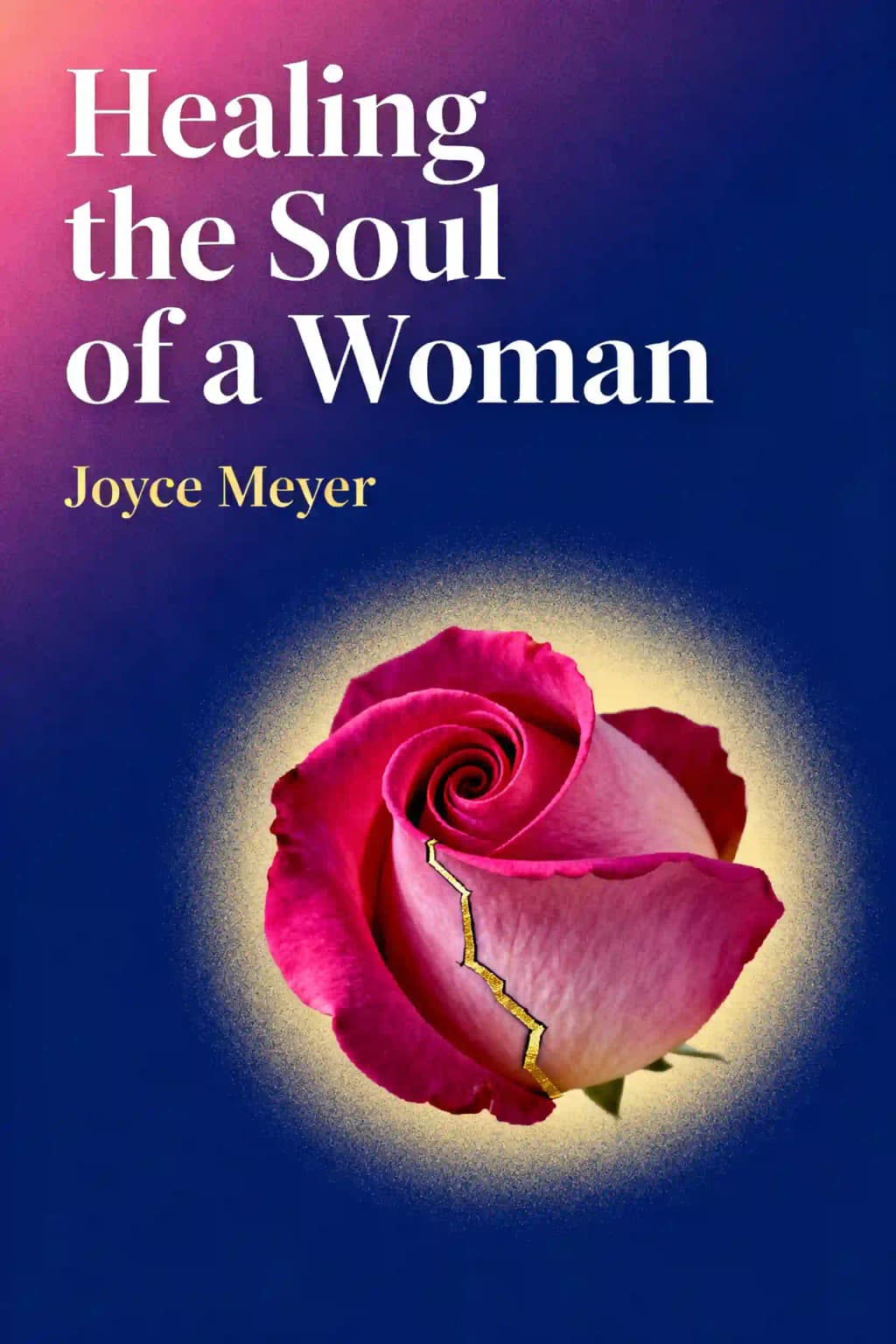
What is Healing the Soul of a Woman about?
Healing the Soul of a Woman by Joyce Meyer is a Christian self-help book that guides women through emotional healing from past trauma, abuse, and betrayal. Drawing from her own history of sexual abuse and abandonment, Meyer presents a 23-chapter roadmap addressing wounds like guilt, shame, fear, and codependency through biblical principles. The book emphasizes that healing comes through faith, forgiveness, and understanding one's identity in Christ, offering practical steps to move from pain to wholeness.
Who is Joyce Meyer and why did she write Healing the Soul of a Woman?
Joyce Meyer is an internationally renowned Bible teacher, author, and president of Joyce Meyer Ministries, born June 4, 1943. She survived childhood sexual abuse by her father and a difficult first marriage before finding healing through faith. Meyer wrote Healing the Soul of a Woman to share the deeper journey of healing she's experienced since her bestseller Beauty for Ashes, using her testimony to show women that complete restoration from emotional wounds is possible through God's love.
Who should read Healing the Soul of a Woman by Joyce Meyer?
Healing the Soul of a Woman is essential reading for women who have experienced abuse, abandonment, betrayal, or deep emotional wounds and struggle to move forward. The book specifically helps those dealing with trauma from toxic relationships, childhood abuse, or patterns of shame and self-blame. While written for women, the healing principles Joyce Meyer presents—including forgiveness, boundary-setting, and identity restoration—apply to anyone seeking emotional and spiritual wholeness after life's painful circumstances.
Is Healing the Soul of a Woman by Joyce Meyer worth reading?
Healing the Soul of a Woman is worth reading for anyone seeking faith-based guidance through emotional trauma and recovery. Joyce Meyer's transparent sharing of her abuse history provides authentic insight, while her practical, Bible-centered approach offers actionable steps beyond theoretical concepts. The book's 23 chapters systematically address common healing roadblocks like self-pity, blame, and codependency, making complex emotional work manageable. However, readers seeking secular psychology approaches may find the exclusively Christian framework limiting.
What is "The Great Exchange" concept in Healing the Soul of a Woman?
"The Great Exchange" in Healing the Soul of a Woman refers to Joyce Meyer's framework for exchanging old, negative patterns for new, positive ones through Christ. Drawing from Isaiah's promise of receiving "beauty for ashes," Meyer teaches that believers can trade past hurts, shame, and brokenness for healing, dignity, and new life. This concept empowers readers to actively participate in their healing by consciously choosing to let go of destructive thoughts and embrace God's promises, making transformation a participatory process rather than passive waiting.
How does Joyce Meyer address forgiveness in Healing the Soul of a Woman?
Joyce Meyer presents forgiveness in Healing the Soul of a Woman as the single most powerful tool for emotional healing and freedom. She teaches that forgiving those who caused pain releases individuals from bitterness and resentment, while positioning it as both a biblical command and practical necessity for moving forward. Meyer emphasizes that forgiveness doesn't excuse the wrongdoer's actions but frees the forgiver from emotional bondage, allowing God to work in both lives and opening doors to restored relationships and inner peace.
What does Joyce Meyer teach about self-worth in Healing the Soul of a Woman?
In Healing the Soul of a Woman, Joyce Meyer teaches that true self-worth comes from understanding one's identity in Christ, not from external validation or past experiences. She encourages women to reject lies that lead to feelings of worthlessness and embrace God's truth that they are valuable and loved regardless of their history. Meyer provides practical steps including positive self-talk, surrounding oneself with supportive people, and affirming that "you are not damaged goods"—emphasizing that past trauma doesn't define future potential or inherent worth.
What are the best quotes from Healing the Soul of a Woman by Joyce Meyer?
The most impactful quotes from Healing the Soul of a Woman include "You can be pitiful or powerful, but you can't be both," which challenges readers to choose empowerment over self-pity. Meyer writes "God wants to heal us everywhere we hurt, including our soul," highlighting holistic healing that addresses emotional pain alongside physical suffering. Another powerful line states "Forgiveness is the single most powerful thing you can do," underscoring transformation through letting go. The affirmation "You are not damaged goods" reminds readers that past experiences don't diminish their value or future possibilities.
How does Healing the Soul of a Woman help overcome shame?
Healing the Soul of a Woman addresses shame by teaching that through Christ, believers are made righteous, which removes shame's power over their lives. Joyce Meyer explains that shame is a destructive force keeping individuals trapped in their past, but God's forgiveness and love provide the antidote. The book offers practical steps including renewing the mind with biblical truth, seeking supportive relationships, and actively letting go of shame by embracing one's new identity in Christ rather than past mistakes or victimization.
What is the difference between Beauty for Ashes and Healing the Soul of a Woman?
Beauty for Ashes was Joyce Meyer's earlier bestseller that first told her personal healing story, while Healing the Soul of a Woman delves deeper into that journey with the wisdom of additional years and experience. The newer book expands beyond Meyer's testimony to provide a comprehensive 23-chapter guide addressing specific healing obstacles like codependency, boundaries, and roadblocks that weren't covered as thoroughly in the original. Healing the Soul of a Woman offers more practical frameworks and actionable steps for readers at various stages of their healing journey.
How does Joyce Meyer address boundaries in Healing the Soul of a Woman?
Joyce Meyer teaches in Healing the Soul of a Woman that setting healthy boundaries is essential for protecting oneself and maintaining respect in relationships. She distinguishes between establishing necessary boundaries and building walls that isolate, emphasizing that boundaries preserve emotional health without cutting off connection. Meyer addresses cutting off codependent relationships and standing up for oneself as crucial healing steps. The book provides guidance on communicating boundaries clearly while maintaining openness to healthy, supportive relationships that encourage accountability and growth.
What are the main takeaways from Healing the Soul of a Woman by Joyce Meyer?
The central takeaways from Healing the Soul of a Woman are that healing from deep wounds is possible through faith and God's love, and that forgiveness is essential for emotional freedom. Joyce Meyer emphasizes that understanding one's identity in Christ overcomes feelings of worthlessness and shame. Key insights include that healing requires active participation—confronting past issues and making conscious choices rather than passive waiting. The book teaches that renewing the mind through biblical truth, engaging supportive community, and replacing negative patterns with God's promises creates lasting transformation and wholeness.