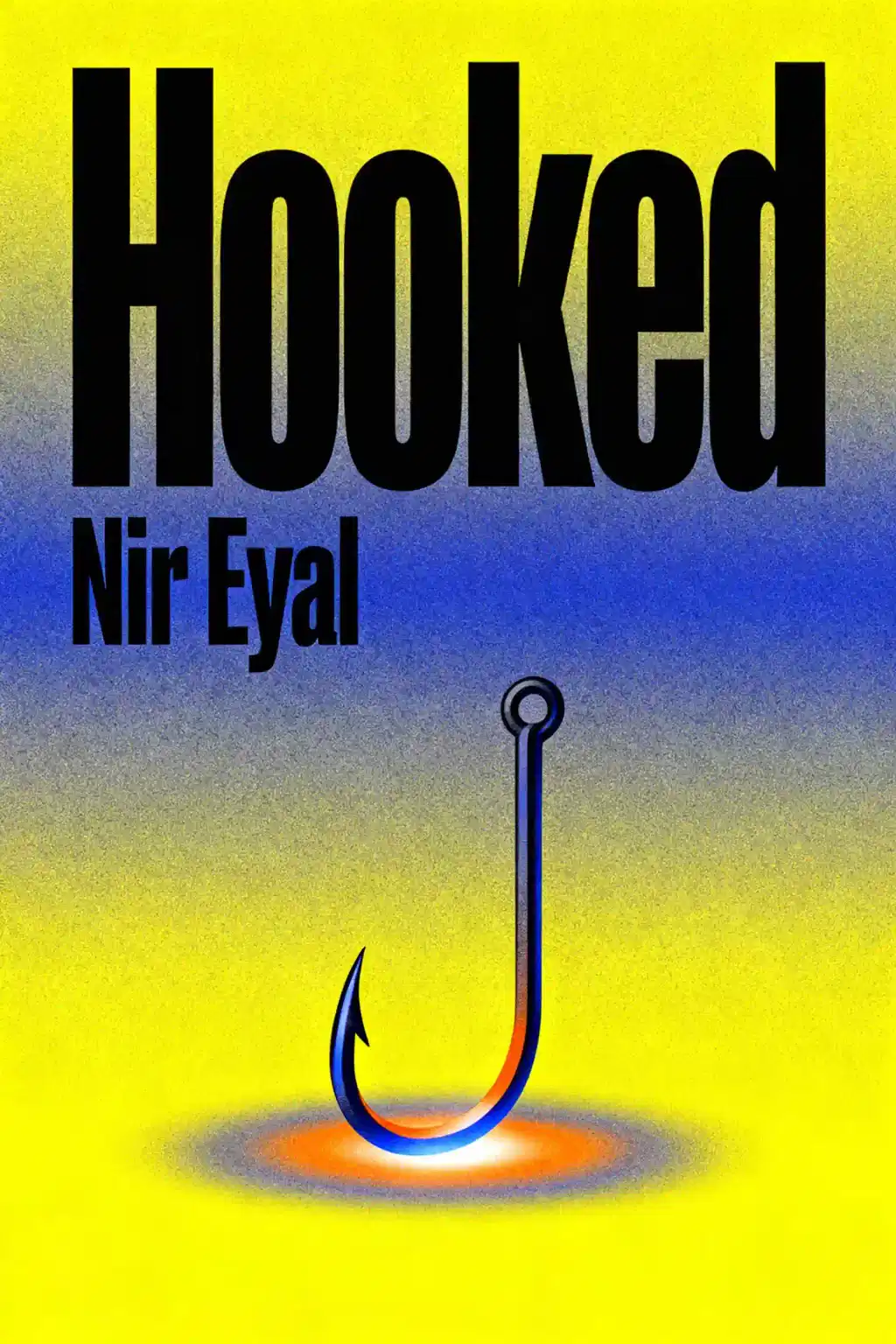
Overview of Hooked
Discover why Silicon Valley's elite swear by "Hooked" - Nir Eyal's blueprint for creating irresistible products. Using his four-step HOOK model, companies engineer digital addiction. Controversial yet revolutionary, it reveals the psychological triggers that keep billions reaching for their phones.
- The Hook Model transforms user habits through trigger-action-reward-investment cycles
- Internal triggers drive habitual product use by linking to emotional needs
- Variable rewards boost engagement by creating anticipation and psychological craving
- User investment in a product increases future usage through stored value
- Habit-forming products must pass Nir Eyal's two-question morality test
- External triggers initiate user behavior while internal triggers sustain it
- The Habit Zone occurs when high-frequency use meets emotional connection
- Painkiller solutions create urgency versus vitamin-like nice-to-have features
- Successful products reduce friction between trigger and immediate action
- Habit formation requires consecutive loops of the Hook Model stages
- Eyal's framework balances behavioral design with ethical responsibility considerations
- Variable rewards work best when fulfilling core human desires for connection
About the Author of Hooked
Nir Eyal is the bestselling author of Hooked: How to Build Habit-Forming Products and a leading expert in behavioral design and habit formation. A Stanford MBA graduate and former instructor at the Stanford School of Engineering, Eyal blends psychology and technology to decode how products like Facebook and Instagram create habitual user engagement. His work focuses on the Hook Model—a four-phase framework (trigger, action, variable reward, investment) that explains how habits are engineered into everyday tech.
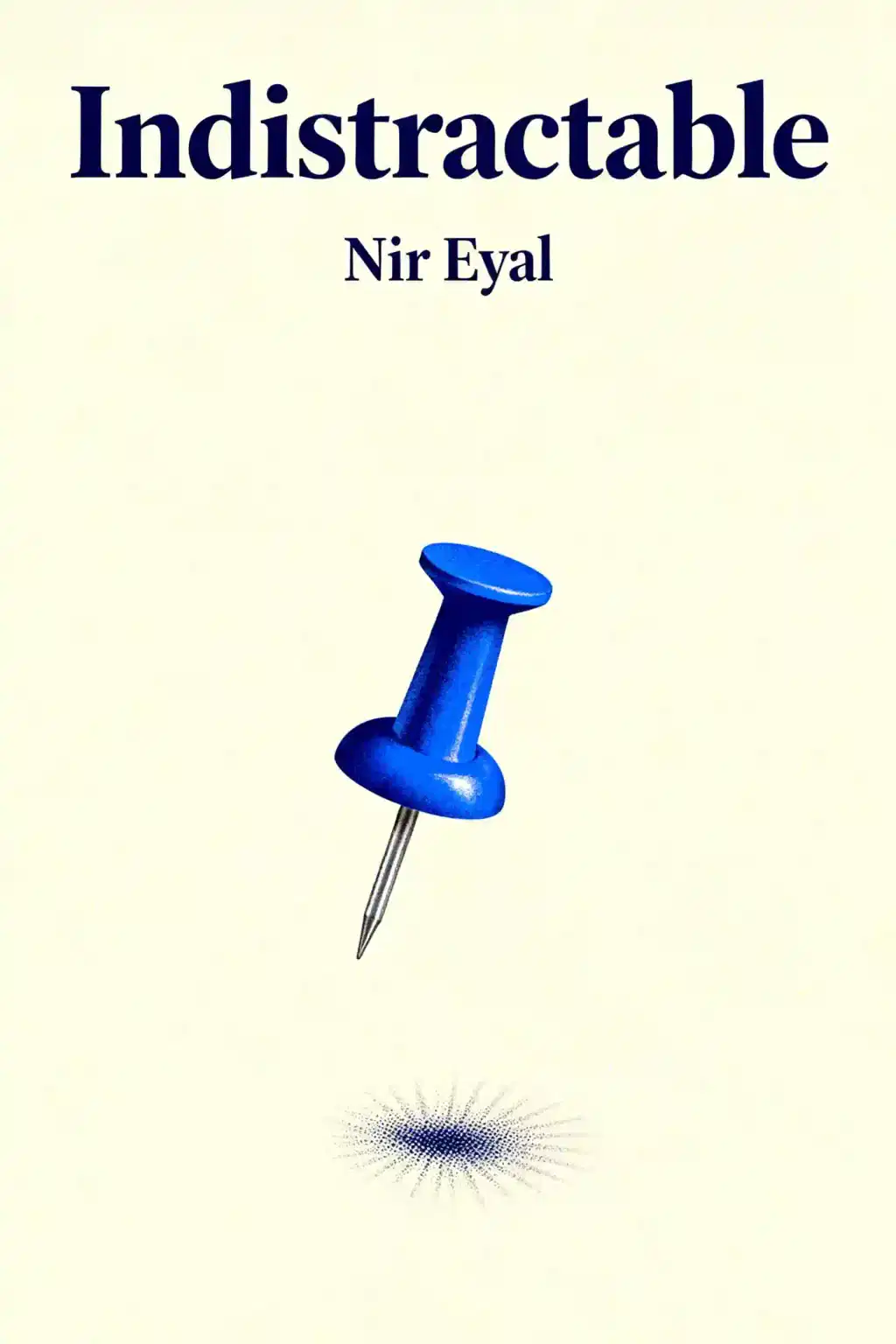
Eyal’s insights have been featured in Harvard Business Review, Fast Company, and The Atlantic, and he shares ongoing research on his blog, NirAndFar.com. His follow-up book, Indistractable: How to Control Your Attention and Choose Your Life, expands on managing tech-driven distractions.
A sought-after speaker and consultant, Eyal has advised startups and Fortune 500 companies on product strategy. Hooked has sold over 250,000 copies and remains a seminal text in tech and behavioral science, cited widely in product design and digital wellness discourse.
FAQs About Hooked
What is Hooked by Nir Eyal about?
Hooked explains how companies create habit-forming products using a four-step "Hook Model": triggers, actions, variable rewards, and investments. Nir Eyal reveals how apps like Facebook and Instagram leverage psychology to drive unprompted user engagement, turning casual users into habitual ones. The book combines behavioral science with practical strategies for building products that stick.
Who should read Hooked by Nir Eyal?
Product managers, marketers, and entrepreneurs seeking to design habit-forming technologies will benefit most. It’s also valuable for consumers interested in understanding how apps manipulate behavior. The book offers actionable frameworks for embedding user habits, making it essential for tech-driven industries.
Is Hooked by Nir Eyal worth reading?
Yes—it’s a Wall Street Journal bestseller translated into 30+ languages. The Hook Model provides a proven blueprint for habit-forming products, backed by case studies from Twitter, Pinterest, and others. Critics note its ethical implications, but its insights remain critical for modern product design.
What are the four phases of the Hook Model?
- Triggers (external/internal cues prompting action).
- Action (simple behavior anticipating reward).
- Variable Reward (unpredictable gratifications).
- Investment (user efforts that increase product value).
This cycle creates self-reinforcing habits.
How does Hooked define "variable rewards"?
Variable rewards are unpredictable incentives (social validation, novelty, or personal achievement) that keep users engaged. Examples include Instagram likes (social rewards) or TikTok’s algorithm-driven content diversity. This unpredictability taps into dopamine-driven feedback loops.
What is the "Habit Zone" in Hooked?
The Habit Zone occurs when a product’s frequency of use and perceived utility intersect. High-frequency products solving persistent needs (e.g., Slack for communication) dominate this zone, fostering automatic user behavior without external triggers.
What are criticisms of Hooked by Nir Eyal?
Critics argue the model can exploit psychological vulnerabilities, fostering addiction. Eyal addresses ethical concerns by advocating a "Manipulation Matrix" to ensure products align with user well-being. However, some companies misuse these tactics for short-term gains.
How does Hooked apply to non-tech industries?
The Hook Model works for any habit-forming service: fitness apps (variable rewards via achievements), e-commerce (limited-time discounts as triggers), or even education platforms (gamified learning investments). The principles transcend tech, focusing on behavioral loops.
What key quote summarizes Hooked?
"All humans are motivated to seek pleasure and avoid pain, to seek hope and avoid fear, and to seek social acceptance and avoid rejection." This quote underscores the psychological drivers behind habit-forming products.
How does Nir Eyal’s background influence Hooked?
Eyal’s MBA from Stanford, tech entrepreneurship (founder of AdNectar), and Stanford teaching experience inform his blend of academic rigor and practical insights. His work bridges behavioral psychology and scalable product design.
How does Hooked compare to Atomic Habits?
While Atomic Habits focuses on personal behavior change, Hooked targets product-led habit formation. Both explore feedback loops, but Eyal’s model is tailored for businesses, whereas James Clear emphasizes individual systems.
Why is Hooked relevant in 2025?
As AI and personalized tech advance, ethical habit design grows critical. Hooked’s frameworks help teams balance engagement with user well-being—a vital skill in industries leveraging machine learning and predictive analytics.
Feel the book through the author's voice
Turn knowledge into engaging, example-rich insights
Capture key ideas in a flash for fast learning
Enjoy the book in a fun and engaging way
Key Themes in Hooked
Quotes from Hooked
One-third of Americans would rather give up sex than lose their cell phones.
Old habits truly die hard.
Habits begin with triggers-the actuators of behavior that move us to action.
Taking action must be easier than thinking.
Missing a daily Instagram check-in can create genuine discomfort.
Characters in Hooked
Quick Summary Mode - Read or listen to Hooked Summary in 9 Minutes

Break down key ideas from Hooked into bite-sized takeaways to understand how innovative teams create, collaborate, and grow.

Flash Card Mode - Top 12 Insights from Hooked in a Nutshell

Distill Hooked into rapid-fire memory cues that highlight key principles of candor, teamwork, and creative resilience.

Fun Mode - Hooked Lessons Told Through 23-Min Stories

Experience Hooked through vivid storytelling that turns innovation lessons into moments you'll remember and apply.
Personalize Mode - Read or listen to Hooked Summary in 0 Minutes

Ask anything, pick the voice, and co-create insights that truly resonate with you.

From Columbia University alumni built in San Francisco
"Instead of endless scrolling, I just hit play on BeFreed. It saves me so much time."


"I never knew where to start with nonfiction—BeFreed’s book lists turned into podcasts gave me a clear path."


"Perfect balance between learning and entertainment. Finished ‘Thinking, Fast and Slow’ on my commute this week."
"Crazy how much I learned while walking the dog. BeFreed = small habits → big gains."
"Reading used to feel like a chore. Now it’s just part of my lifestyle."

"Feels effortless compared to reading. I’ve finished 6 books this month already."
"BeFreed turned my guilty doomscrolling into something that feels productive and inspiring."

"BeFreed turned my commute into learning time. 20-min podcasts are perfect for finishing books I never had time for."
"BeFreed replaced my podcast queue. Imagine Spotify for books — that’s it. 🙌"

"It is great for me to learn something from the book without reading it."
"The themed book list podcasts help me connect ideas across authors—like a guided audio journey."
"Makes me feel smarter every time before going to work"
From Columbia University alumni built in San Francisco
"Instead of endless scrolling, I just hit play on BeFreed. It saves me so much time."
"I never knew where to start with nonfiction—BeFreed’s book lists turned into podcasts gave me a clear path."
"Perfect balance between learning and entertainment. Finished ‘Thinking, Fast and Slow’ on my commute this week."
"Crazy how much I learned while walking the dog. BeFreed = small habits → big gains."
"Reading used to feel like a chore. Now it’s just part of my lifestyle."
"Feels effortless compared to reading. I’ve finished 6 books this month already."
"BeFreed turned my guilty doomscrolling into something that feels productive and inspiring."
"BeFreed turned my commute into learning time. 20-min podcasts are perfect for finishing books I never had time for."
"BeFreed replaced my podcast queue. Imagine Spotify for books — that’s it. 🙌"
"It is great for me to learn something from the book without reading it."
"The themed book list podcasts help me connect ideas across authors—like a guided audio journey."
"Makes me feel smarter every time before going to work"
"Instead of endless scrolling, I just hit play on BeFreed. It saves me so much time."
"I never knew where to start with nonfiction—BeFreed’s book lists turned into podcasts gave me a clear path."
"Perfect balance between learning and entertainment. Finished ‘Thinking, Fast and Slow’ on my commute this week."
"Crazy how much I learned while walking the dog. BeFreed = small habits → big gains."
"Reading used to feel like a chore. Now it’s just part of my lifestyle."
"Feels effortless compared to reading. I’ve finished 6 books this month already."
"BeFreed turned my guilty doomscrolling into something that feels productive and inspiring."
"BeFreed turned my commute into learning time. 20-min podcasts are perfect for finishing books I never had time for."
"BeFreed replaced my podcast queue. Imagine Spotify for books — that’s it. 🙌"
"It is great for me to learn something from the book without reading it."
"The themed book list podcasts help me connect ideas across authors—like a guided audio journey."
"Makes me feel smarter every time before going to work"
"Instead of endless scrolling, I just hit play on BeFreed. It saves me so much time."
"I never knew where to start with nonfiction—BeFreed’s book lists turned into podcasts gave me a clear path."
"Perfect balance between learning and entertainment. Finished ‘Thinking, Fast and Slow’ on my commute this week."
"Crazy how much I learned while walking the dog. BeFreed = small habits → big gains."
"Reading used to feel like a chore. Now it’s just part of my lifestyle."
"Feels effortless compared to reading. I’ve finished 6 books this month already."
"BeFreed turned my guilty doomscrolling into something that feels productive and inspiring."
"BeFreed turned my commute into learning time. 20-min podcasts are perfect for finishing books I never had time for."
"BeFreed replaced my podcast queue. Imagine Spotify for books — that’s it. 🙌"
"It is great for me to learn something from the book without reading it."
"The themed book list podcasts help me connect ideas across authors—like a guided audio journey."
"Makes me feel smarter every time before going to work"

Get the Hooked summary as a free PDF or EPUB. Print it or read offline anytime.