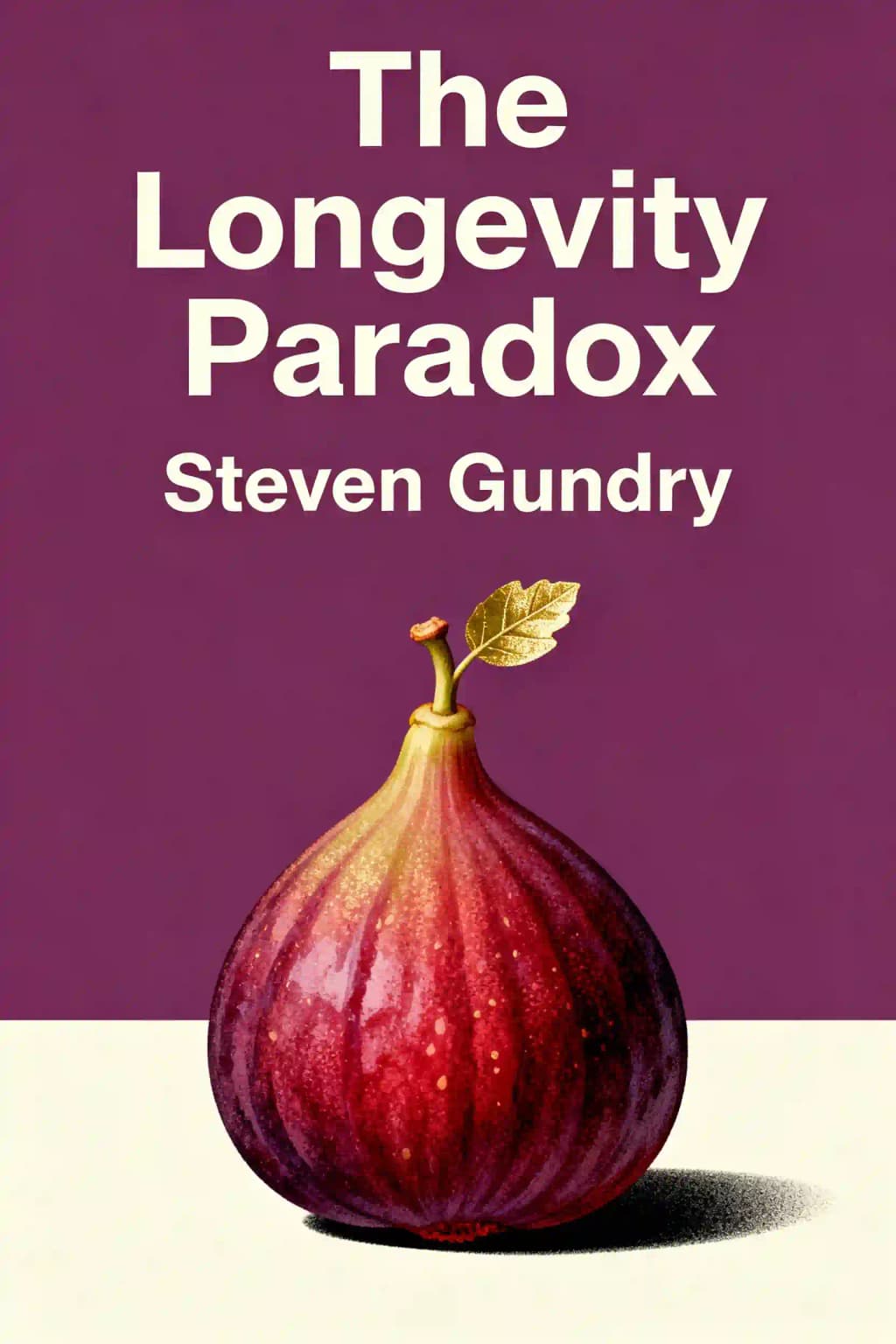
The Longevity Paradox
How to Die Young at a Ripe Old Age
Overview of The Longevity Paradox
Discover why your gut microbiome - not genetics - determines how you age in Dr. Gundry's New York Times bestseller. What if the secret to living past 100 lies in your "gut bugs" rather than your DNA? Blue Zone communities already know.

Key Themes in The Longevity Paradox
- gut microbiome health
- mitochondrial function
- lectin sensitivity
- intestinal permeability
- hormetic stressors
Quotes from The Longevity Paradox
Chronological aging doesn't have to mean physical decline.
We're designed for periods of growth and regression.
The real cause isn't inflammation itself but an imbalanced gut.
The key is activating stem cells through temporary cellular stress.
Your brain, starved for energy, demands more food.
Characters in The Longevity Paradox
- Dr. Steven GundryAuthor and renowned heart surgeon
- Edith MorreyA 95-year-old patient exemplifying vital aging
About the Author
About the Author of The Longevity Paradox
Dr. Steven Gundry, the acclaimed author of The Longevity Paradox and a four-time New York Times bestselling writer, is a pioneering cardiothoracic surgeon and nutritional expert. He is renowned for revolutionizing approaches to aging and chronic disease.
A former chief of cardiothoracic surgery at Loma Linda University Medical Center, Gundry performed over 10,000 surgeries before shifting his focus to diet’s crucial role in health. This change was driven by witnessing a patient’s remarkable recovery through nutrition.
His work delves into gut health, lectins, and epigenetics, themes central to his bestselling titles such as The Plant Paradox and Unlocking the Keto Code. As the host of the globally top-ranked The Dr. Gundry Podcast, he frequently appears on media platforms including The Tamron Hall Show and Armchair Expert with Dax Shepard, effectively blending clinical expertise with accessible science communication.
The Plant Paradox alone has empowered thousands to improve their metabolic health, while The Longevity Paradox distills decades of research into actionable strategies for thriving in later life. His books have been translated into over 20 languages, solidifying his status as a leading voice in preventative medicine.
Download Summary of The Longevity Paradox
Get the The Longevity Paradox summary as a free PDF or EPUB. Print it or read offline anytime.
FAQs About This Book
The Longevity Paradox explores how gut microbiome health influences aging, arguing that nurturing beneficial gut bacteria can prevent age-related diseases like Alzheimer’s and arthritis. Dr. Gundry provides dietary and lifestyle strategies to promote longevity, emphasizing plant-based foods, intermittent fasting, and reducing inflammation.
This book is ideal for individuals over 40 seeking science-backed methods to age healthily, those interested in microbiome research, or anyone wanting actionable steps to reduce chronic disease risk. It’s also relevant for fans of Gundry’s prior work, such as The Plant Paradox.
Key ideas include:
- Gut microbiome as the “aging control center”: Harmful gut bacteria accelerate aging, while beneficial strains protect against disease.
- Mitochondrial health: Fasting and polyphenol-rich foods optimize cellular energy production.
- 7 Deadly Myths of Aging: Debunking misconceptions like “meat-heavy diets prolong life”.
While The Plant Paradox focuses on avoiding lectins to heal gut permeability, The Longevity Paradox shifts to optimizing microbiome diversity for longevity. The latter reduces animal protein recommendations and emphasizes prebiotic fibers over strict lectin avoidance.
Gundry advocates a plant-centric diet rich in prebiotics (e.g., leafy greens, resistant starches), limited animal protein, and avoidance of processed foods. He highlights olive oil, nuts, and fermented foods as longevity staples.
Yes. Fasting is recommended to activate autophagy (cellular cleanup) and reduce inflammation. Gundry suggests time-restricted eating windows, such as 16:8, to support mitochondrial health.
Some nutrition experts argue Gundry overemphasizes microbiome influence on aging and downplays genetic factors. Others question the feasibility of long-term adherence to his dietary restrictions.
The book links Alzheimer’s risk to gut permeability (“leaky gut”) and recommends polyphenol-rich foods (e.g., berries, dark chocolate) to reduce brain inflammation. It also advises against excess iron and copper intake.
- Replace breakfast with herbal tea or coffee.
- Prioritize sleep for microbiome recovery.
- Walk 30 minutes daily instead of intense workouts.
Gundry cites patients reversing joint pain, improving skin elasticity, and regrowing hair through his protocol. Lab studies in mice showing reversed aging biomarkers are also highlighted.
Unlike Lifespan (David Sinclair) focusing on cellular machinery, Gundry’s approach centers on gut-microbiome symbiosis. Both agree on fasting and plant-based diets but differ on meat consumption.
Yes, for its actionable anti-aging strategies grounded in emerging microbiome science. However, consult a healthcare provider before adopting restrictive dietary changes, especially if managing chronic conditions.