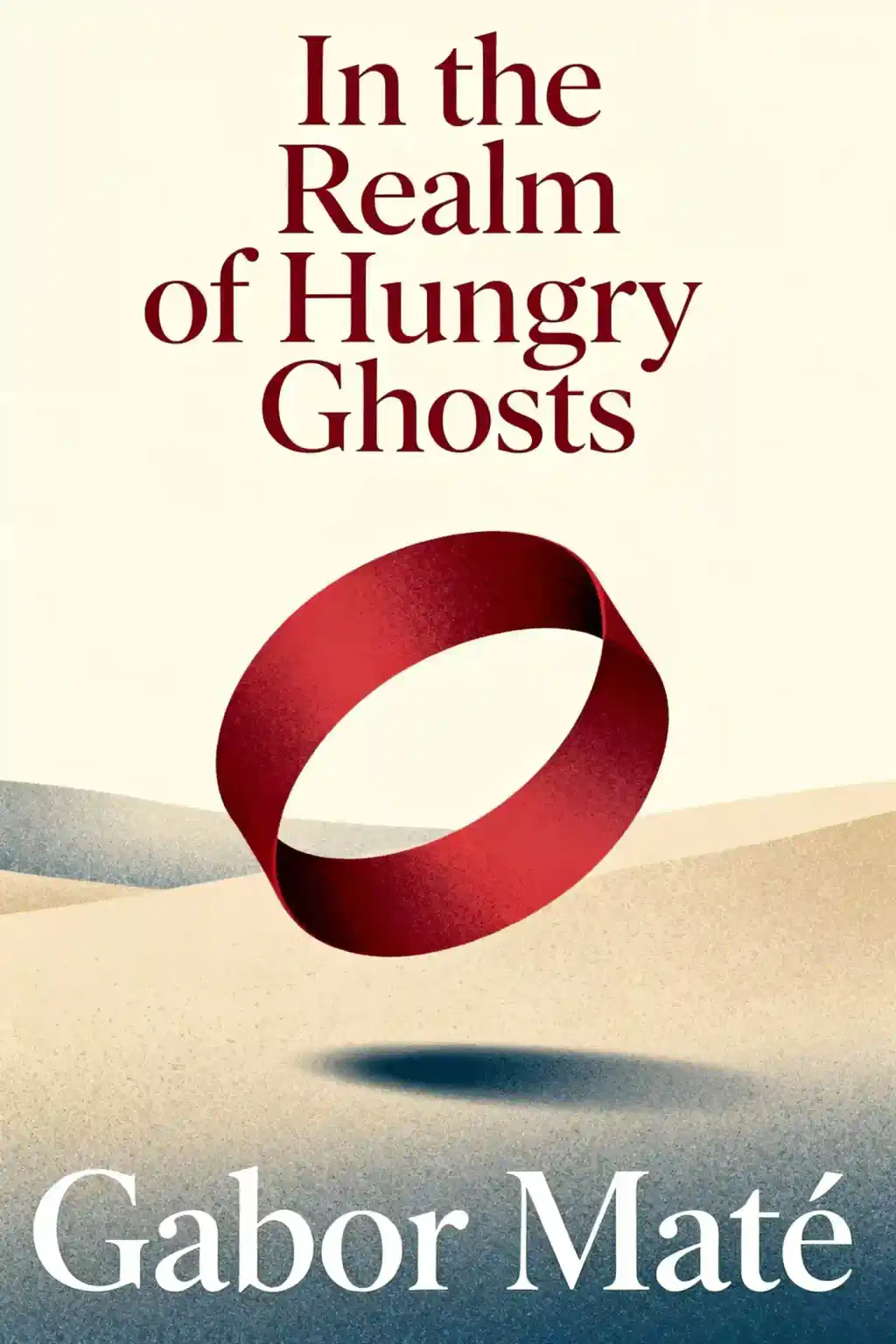
In the Realm of Hungry Ghosts
Close Encounters with Addiction
Overview of In the Realm of Hungry Ghosts
In "Hungry Ghosts," renowned physician Gabor Mate revolutionizes addiction science, revealing how trauma - not choice - fuels dependency. This #1 international bestseller changed how Bruce Perry and countless experts approach recovery. What if understanding addiction requires examining your own wounds first?

Key Themes in In the Realm of Hungry Ghosts
- childhood trauma recovery
- harm reduction model
- neurobiology of addiction
- trauma-informed care
- social displacement
Quotes from In the Realm of Hungry Ghosts
The question is not, “Why the addiction?” but, “Why the pain?”
Addiction fundamentally represents a flight from distress rather than a pursuit of pleasure.
When we flee vulnerability, we lose our capacity for feeling emotion.
The Downtown Eastside offers the fresh air of truth.
Healing often begins with simple acceptance and connection.
Characters in In the Realm of Hungry Ghosts
- Gabor MatéAuthor and physician to addicted patients
- JoeyResident who died of an overdose
- MaureenPatient discussing chronic sleep deprivation
About the Author
About the Author of In the Realm of Hungry Ghosts
Gabor Maté, CM, is a Canadian physician and bestselling author of In the Realm of Hungry Ghosts: Close Encounters with Addiction, a seminal work blending memoir, case studies, and trauma-informed analysis of substance use disorders.
A leading authority on addiction, childhood development, and the mind-body connection, Maté draws on decades of clinical experience, including 12 years treating patients in Vancouver’s Downtown Eastside, one of North America’s most concentrated areas of drug use and poverty. His trauma-focused approach, emphasizing compassion over stigma, stems from his work as a family physician, palliative care specialist, and his own Holocaust-survivor family history.
Maté’s expertise extends to bestselling titles like When the Body Says No (stress-related illness) and Scattered Minds (ADHD), alongside The Myth of Normal, co-authored with his son Daniel. A regular columnist for The Globe and Mail and frequent guest on PBS and top wellness podcasts, he has been awarded the Order of Canada and the Civic Merit Award for his contributions to public discourse. In the Realm of Hungry Ghosts, winner of the Hubert Evans Prize for literary nonfiction, has been translated into over 30 languages, cementing its status as a global resource for redefining addiction and recovery.
Download Summary of In the Realm of Hungry Ghosts
Get the In the Realm of Hungry Ghosts summary as a free PDF or EPUB. Print it or read offline anytime.
FAQs About This Book
In the Realm of Hungry Ghosts examines addiction through intimate patient stories from Vancouver’s Downtown Eastside and scientific research. Dr. Gabor Maté frames addiction as a trauma response, arguing that compulsive behaviors stem from unresolved emotional pain and societal neglect. The book critiques punitive drug policies and advocates for compassionate, holistic approaches to treatment.
This book is pivotal for mental health professionals, policymakers, and individuals impacted by addiction. It’s equally valuable for readers seeking a trauma-informed understanding of substance abuse or behavioral addictions. Maté’s blend of medical rigor and human storytelling offers insights for anyone rethinking societal or personal approaches to recovery.
Yes—it’s a groundbreaking work that reshapes how addiction is understood. Maté’s evidence-based analysis, paired with raw patient narratives, challenges stigmatizing myths. The book’s emphasis on empathy over judgment makes it essential for those seeking alternatives to traditional, abstinence-focused models.
The metaphor, drawn from Buddhist mythology, depicts addiction as an insatiable craving. “Hungry ghosts” are described as beings with tiny mouths and empty bellies, symbolizing the futile pursuit of fulfillment through substances or behaviors. Maté uses this imagery to illustrate how addiction perpetuates cycles of emotional emptiness and desperation.
Maté identifies childhood trauma, chronic stress, and societal inequities as root causes. He links addiction to brain chemistry altered by adversity, framing substance use as a misguided attempt to numb emotional pain. His model emphasizes developmental wounds over genetic predisposition or moral failure.
Maté condemns the War on Drugs as a harmful failure, arguing it criminalizes vulnerability instead of addressing trauma. The book advocates for decriminalization, harm reduction programs, and healthcare-focused policies. Maté highlights Portugal’s success in treating addiction as a public health issue, not a crime.
Notable quotes include:
- “The attempt to escape from pain is what creates more pain.”
- “Not all addictions are rooted in abuse or trauma, but they can all be traced to painful experience.”
These reflect Maté’s view of addiction as a survival mechanism for unmet emotional needs.
Both books explore trauma’s health impacts, but Hungry Ghosts focuses narrowly on addiction, while The Myth of Normal critiques broader cultural toxicity. Together, they showcase Maté’s expertise in connecting individual suffering to systemic failures, from healthcare gaps to societal alienation.
Maté promotes trauma-informed therapies, harm reduction strategies, and safe relational environments. Key recommendations include:
- Integrating mental health and addiction services
- Prioritizing emotional security over forced abstinence
- Addressing socio-economic factors like poverty and housing
He rejects punitive measures in favor of patience and psychological support.
Some researchers argue Maté overemphasizes trauma while underplaying neurobiological factors. Others note the book’s focus on extreme cases may not represent all addicts. However, its humanistic framework is widely praised for destigmatizing addiction and inspiring policy reforms.
The book validates sufferers by reframing addiction as a coping strategy, not a character flaw. It encourages self-compassion and provides a roadmap for healing through trauma resolution, community support, and reconnecting with core emotional needs—offering hope beyond shame-based recovery models.
Maté’s critique of prohibitionist policies aligns with modern calls for opioid crisis solutions centered on healthcare access and overdose prevention. The book’s insights into trauma’s role in addiction inform current efforts to address root causes, from childhood adversity to systemic neglect in marginalized communities.