Chapter 4
Beneath the Surface: Trauma and Hidden Histories
Both Elsa and Aiden carry deep psychological wounds that fundamentally shape their behaviors and relationships. Elsa suffers from vivid, recurring nightmares featuring monsters, dark basements, and sensations of drowning - fragments of memories she can't fully access or piece together. These nightmares, which often leave her gasping and disoriented, hint at a far darker past than the simple house fire she believes killed her parents. During these episodes, she hears disturbing phrases like "You'll never escape me" and "You're my masterpiece," suggesting systematic abuse or prolonged trauma beyond what she consciously remembers. The way she instinctively flinches from certain touches or freezes at specific sounds further indicates deeply embedded traumatic responses.
Aiden's trauma manifests differently but runs equally deep. His mother died when he was seven - officially from a prolonged illness, though persistent rumors in their small town suggest suicide. The timing coincides with his father's sudden career change and their abrupt move across the country, raising questions about what really happened. Elsa notices mysterious circular scars around his ankle, resembling chain marks, and two precise slash marks down his back, hinting at calculated abuse rather than accidental injury. When questioned about these marks, he deflects with practiced ease or responds with bursts of anger, creating another layer of mystery around his character. His occasional violent outbursts, particularly when feeling cornered or vulnerable, suggest deeply ingrained defensive mechanisms.
Their shared trauma creates an unspoken bond that transcends their conscious understanding. When Aiden climbs through Elsa's window after one of her particularly violent nightmares and holds her through the night, we see a rare moment of genuine tenderness that reveals their deeper connection. For the first time in years, she sleeps peacefully in his arms, suggesting that despite their often toxic dynamic, they somehow provide each other with a sense of safety their traumatized psyches recognize and crave. These moments of vulnerability reveal glimpses of their true selves beneath their carefully constructed facades.
The novel skillfully uses these trauma histories to explain their intense attraction without excusing their destructive behaviors. Their relationship becomes a complex mirror reflecting their unresolved pain - Elsa's need for absolute control stemming from her lost memories and sense of powerlessness, and Aiden's possessiveness from his own mysterious past of abandonment and abuse. This psychological depth elevates what could be a simple bully romance into a nuanced exploration of how childhood trauma shapes our capacity for intimacy and trust. Their dynamic demonstrates how trauma survivors often unconsciously seek out relationships that feel familiar, even if those relationships are ultimately harmful, creating a cycle that can only be broken through awareness and healing.
Chapter 5
The Intoxication of Surrender: Desire Despite Reason
Despite recognizing Aiden's manipulation and cruelty, Elsa finds herself increasingly drawn to him with an intensity that defies logical explanation. Their physical encounters crackle with a dangerous electricity that blurs the line between fear and desire - a primal dance of power and submission that leaves her simultaneously repelled and magnetized. When he corners her in a coffee shop bathroom and pleasures her against her will, her body betrays her by responding despite her mental objections. This visceral betrayal of flesh against mind creates a powerful internal struggle that drives much of the narrative tension, forcing her to confront uncomfortable truths about desire's irrational nature.
What makes their relationship so compelling is Elsa's razor-sharp self-awareness. She acknowledges her attraction is fundamentally unhealthy yet can't deny its overwhelming power - like watching a train wreck in slow motion while being unable to look away. After their first sexual encounter, she reflects that being with Aiden feels like "falling off a cliff - terrifying yet thrilling." She meticulously dissects her own responses, wondering why part of her wants the experience to hurt, recognizing that pain makes her feel alive after years of emotional numbness following her father's death. Each encounter leaves her analyzing the gap between what she wants and what she knows she should want.
The novel doesn't shy away from exploring the darker aspects of desire, delving deep into the shadowy corners of human sexuality. When Aiden tells Elsa about consensual non-consent fantasies, suggesting she needs "an excuse" to admit her desires, he touches on complex questions about agency and responsibility that echo throughout their relationship. Their dynamic becomes a charged space where Elsa can finally explore aspects of herself she's always suppressed - her anger at past trauma, her unexplored sexuality, her capacity for breaking societal rules and expectations. Each transgressive act peels away another layer of her carefully constructed facade.
This exploration of forbidden desire speaks to something primal in human psychology, addressing questions that haunt many but few dare to voice. Why are we sometimes attracted to what we know is bad for us? The novel suggests that for people carrying deep trauma, conventional relationships might feel empty or safe to the point of being stifling. Through Elsa's internal monologues and therapy sessions, we see how the intensity of their connection - even with its obvious toxicity - provides a feeling of aliveness that more balanced relationships might lack. The adrenaline rush of danger becomes its own form of addiction, making the mundane patterns of everyday life feel pale in comparison.
Their relationship serves as a mirror reflecting broader truths about human nature - how desire often operates independently of our rational minds, how trauma can rewire our needs, and how the search for intensity can override our instinct for self-preservation. Through Elsa's journey, readers are forced to examine their own relationships with desire, power, and the sometimes blurry line between pleasure and pain.
Chapter 6
The Price of Possession: Jealousy as Currency
Jealousy functions as both weapon and aphrodisiac in Aiden and Elsa's relationship. When Elsa refuses to officially become "his," Aiden deliberately flaunts his former flame Silver to provoke her jealousy. This manipulation works-seeing them together triggers violent thoughts in Elsa that frighten her with their intensity.
Similarly, when Aiden finds Elsa having an intellectual conversation with his friend Cole, his fury reveals the depth of his possessiveness. He declares, "I don't share what's mine. Not with Knight, not with Cole, not with anyone." This possessiveness extends beyond romantic rivals to include every aspect of Elsa's life-he even becomes jealous when she takes photos with Arsenal football players, telling her not to "idolize other men" in front of him.
What's particularly interesting is how Elsa begins mirroring this possessiveness. When she discovers Aiden with Silver, she grabs Silver by the hair with shocking violence, warning her to stay away. This moment triggers a fragment of memory-"Steel blood runs through your veins, Princess"-suggesting that perhaps Elsa's capacity for possessive violence predates her relationship with Aiden.
Their mutual jealousy creates a closed circuit of intensity. Each display of possessiveness reinforces their connection while simultaneously highlighting its toxicity. Aiden openly admits he would kill any man who touched Elsa but would never leave her, while she acknowledges she would immediately leave him for cheating-a contrast that reveals fundamental differences in how they view relationships.
This exploration of jealousy speaks to deeper questions about love versus possession. Is wanting someone exclusively a sign of love or control? The novel doesn't provide easy answers but instead shows how jealousy can function as both evidence of care and as a mechanism of control.
Chapter 7
Secrets and Lies: The Mystery Driving Their Connection
A web of secrets surrounds both Elsa and Aiden, creating a mystery that drives the narrative forward. Elsa's lost memories from before the fire form one thread of this mystery. When she visits Dr. Khan, her childhood therapist, she discovers a shocking truth-her memories weren't erased through hypnosis as she suspected; rather, her child self chose to suppress them as a response to unbearable trauma.
Meanwhile, Aiden's cryptic statement that Elsa was "a ghost" when they first met hints at a shared history she can't remember. When she presses him about why he hated her from the beginning, he claims she's "not ready for the truth." These hints create a sense that their connection predates their first meeting at Royal Elite School, adding another layer to their complex dynamic.
The novel builds toward a devastating revelation when Elsa overhears Silver telling Jonathan King that her parents allegedly killed Aiden's mother. This suggests Aiden's initial promise to destroy her was actually part of an elaborate revenge plot-making their entire relationship built on deception.
This revelation functions as both plot twist and thematic exploration. It raises questions about whether genuine connection can grow from false pretenses, and whether understanding someone's motivations changes the reality of their actions. If Aiden truly believed Elsa's family was responsible for his mother's death, does that justify his treatment of her? And if their connection developed despite this initial motive, does that make it more or less meaningful?
The novel ends on this cliffhanger, with Elsa pushed into a pool after learning this devastating truth. This ending perfectly encapsulates the central question of their relationship: when built on such toxic foundations, can genuine love emerge, or is destruction inevitable?
Chapter 8
Breaking and Remaking: The Transformation of Identity
Throughout the novel, both Elsa and Aiden undergo significant transformations as their relationship evolves. Elsa begins as someone who lives by strict rules-perfect grades, perfect behavior, perfect control over her emotions. Her nickname "Frozen" reflects this carefully maintained facade. Yet through her interactions with Aiden, she discovers parts of herself she's long suppressed-her capacity for anger, jealousy, and passion.
When Kim points out that Elsa has always lived by others' rules rather than her own, she touches on a central aspect of Elsa's character development. Her attraction to Aiden stems partly from his complete disregard for rules and social expectations. Through him, she begins to question whether the life she's built is truly her own or simply a reflection of what her aunt and uncle want for her.
Aiden, too, shows glimpses of change. Though he remains manipulative and controlling, moments of vulnerability emerge-like when he admits "I was never supposed to like you this much" or when he holds Elsa through her nightmares without taking advantage of her vulnerability. These moments suggest the possibility that his feelings have evolved beyond his initial revenge motive.
Their transformative impact on each other raises questions about the nature of identity itself. Are we defined by our past traumas and the roles we've adopted in response to them? Or can connection with another person-even a toxic connection-help us break free from these patterns and discover new aspects of ourselves?
The novel doesn't provide simple answers but instead shows how relationships can function as mirrors reflecting both our best and worst qualities. Through Aiden, Elsa sees her capacity for darkness; through Elsa, Aiden glimpses possibilities for genuine connection beyond control and manipulation.
Chapter 9
The Shadows of the Past: Family Secrets and Inherited Trauma
Family dynamics serve as the foundational force shaping both protagonists' behaviors and motivations, creating intricate webs of loyalty, fear, and unspoken truths. Elsa's relationship with her aunt and uncle presents a particularly complex dynamic - while they rescued her from the foster care system and funded her life-saving heart surgery, their reactions to her recurring nightmares reveal darker undertones. Their persistent attempts to minimize her dreams and deflect conversations about her early childhood suggest not merely concern, but active concealment. When Elsa mentions specific details from her nightmares, their exchanged glances and hurried changes of subject hint at knowledge they're deliberately withholding.
Aiden's relationship with his father Jonathan exemplifies a more overt form of dysfunction. Their interactions crackle with tension, revealing a power struggle between two dominant personalities shaped by years of mutual distrust. Jonathan's calculated charm masks a predatory nature that Aiden recognizes all too well. When Jonathan first encounters Elsa at a charity gala, Aiden's immediate physical positioning between them - and his white-knuckled grip on his wine glass - speaks volumes about the threat he perceives. Later, when Aiden leverages Kim's safety to force Elsa's distance from his father, the desperation in his voice reveals not just manipulation but genuine terror of what Jonathan might do.
The novel masterfully weaves together patterns of generational trauma through subtle revelations and careful character development. Margot, the housekeeper who became Aiden's de facto mother figure, serves as both witness and historian to the family's troubled past. Her revelations about Aiden's mother's struggles with addiction and mental illness - "She'd wash pills down with champagne at breakfast, wearing pearls like everything was normal" - illuminate the environment that shaped Aiden's control issues and fear of abandonment. Similarly, Elsa's nightmares, featuring a voice calling her "my masterpiece" while she feels trapped in darkness, suggest systematic psychological manipulation during her earliest years.
These deeply rooted family dynamics create a complex framework for understanding both characters' destructive behaviors without absolving them of responsibility. The toxic elements in Aiden and Elsa's relationship - his need for control, her tendency to minimize abuse - mirror patterns established in their respective families decades before they met. Their story poses a profound question about the nature of inherited trauma: are we destined to perpetuate the cycles of abuse we've inherited, or can awareness of these patterns become the key to breaking them? The answer seems to lie in their growing recognition of these dynamics, though the path to healing remains treacherous and uncertain.
Chapter 10
Beyond the Fairytale: Redefining Romance in Darker Shades
"Deviant King" deliberately subverts traditional romance tropes to explore darker aspects of human connection. There's no knight in shining armor here-Aiden explicitly identifies himself as a villain rather than a hero. Their relationship doesn't follow the typical trajectory of mutual respect growing into love; instead, it begins with hatred and manipulation before evolving into something more complex.
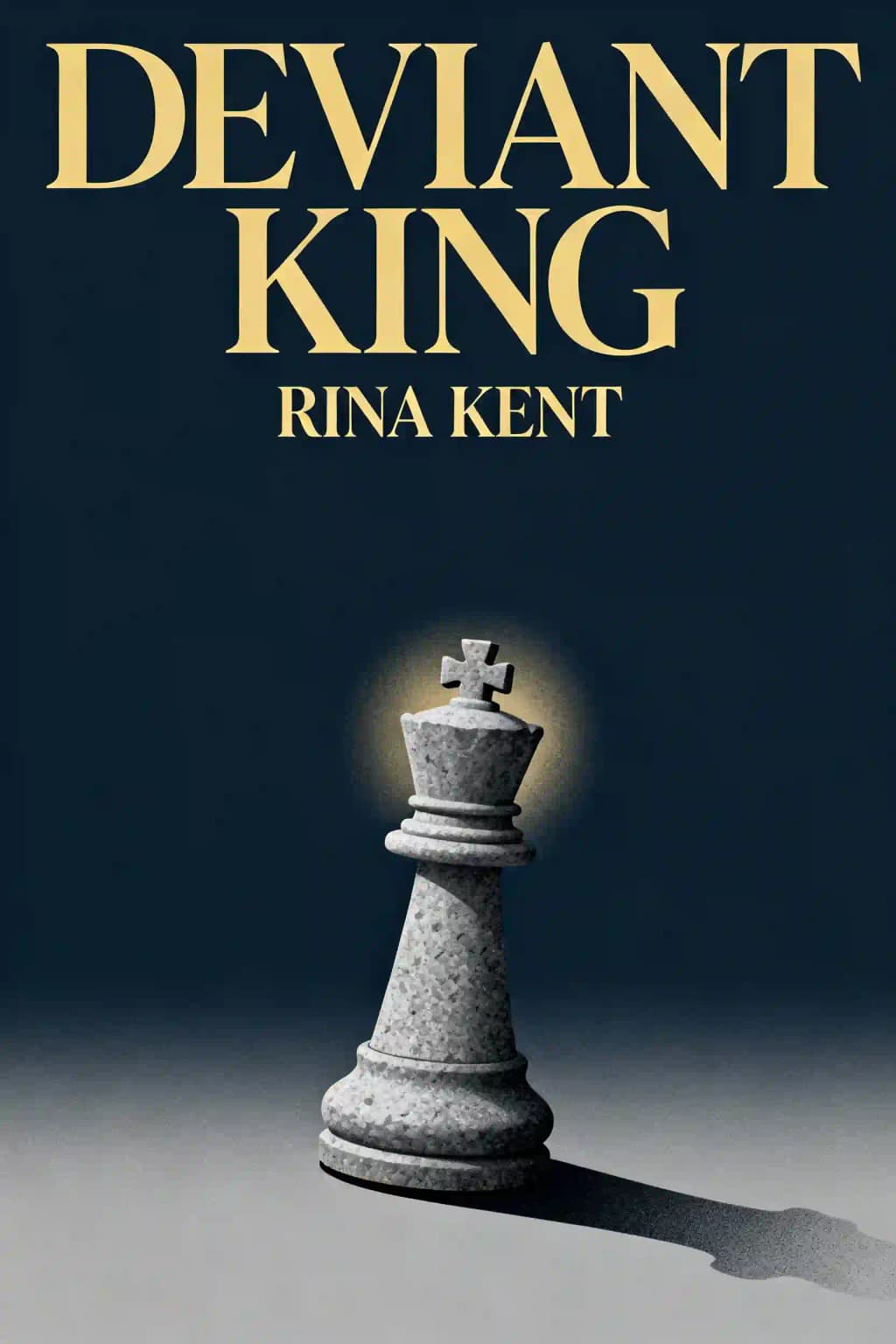
What makes this subversion particularly effective is how it questions our expectations about romance narratives. When Aiden tells Elsa she has two choices-"Be mine and you become the queen on my board. Fight and you'll remain a pawn"-he frames their relationship in terms of power rather than partnership. Yet despite this framing, moments of genuine connection emerge between them, suggesting that human relationships are more complex than simple categories of "healthy" or "toxic" might suggest.
The novel doesn't romanticize abuse-Elsa consistently recognizes Aiden's behavior as problematic and pushes back against his control. Yet it also acknowledges the complex reality that attraction doesn't always follow moral guidelines. By exploring this uncomfortable territory, the book creates space for readers to examine their own assumptions about desire, power, and connection.
This darker vision of romance speaks to a broader cultural shift toward more complex relationship narratives. In a world increasingly aware of power dynamics and psychological manipulation, stories that acknowledge these complexities while still exploring the possibility of connection offer a more nuanced understanding of human relationships than traditional romance narratives might provide.
The novel ends with Elsa learning that her entire relationship with Aiden may have been built on revenge-a devastating revelation that sets up the sequel. This cliffhanger perfectly encapsulates the central tension of their story: when a relationship begins with destruction, can it ever truly transform into something constructive? Or are some connections doomed by their origins to end in further pain? These questions linger long after the final page, inviting readers to continue the journey into the next installment of this dark, compelling series.