Overview of Human Swarm
How do ants, wolves, and humans all build complex societies? "The Human Swarm" - acclaimed by Margaret Atwood and compared to Sapiens - reveals the surprising biological patterns behind civilization's rise and fall, challenging everything we thought about belonging and tribalism.
- Human societies mirror ant colonies through anonymous recognition systems
- Shared identity trumps kinship as society’s foundational glue
- Language and symbols act as tribal passwords for belonging
- Societies thrive on temporary cohesion but face inevitable fracturing
- Conflict emerges naturally from competing group identity markers
- Hunter-gatherers held more fluid social bonds than modern nations
- Ethnicity functions as an evolutionary "bulletin board" for trust
- Ant warfare strategies reveal roots of human tribalism
- Trust in strangers enabled civilization’s scale through symbolic cues
- Racial biases stem from hyper-sensitive outgroup detection mechanisms
- Nations persist by balancing inclusive belonging with exclusionary boundaries
- Social complexity grows when anonymity replaces personal relationships
About the Author of Human Swarm
Mark W. Moffett, acclaimed tropical biologist and author of The Human Swarm: How Societies Arise, Thrive, and Fail, bridges the worlds of animal behavior and human sociology in this exploration of collective societies. A Harvard-trained Ph.D. mentored by renowned biologist E.O. Wilson, Moffett’s expertise spans ant colonies to rainforest canopies, informed by decades of fieldwork across 40 countries. His prior works, including the visually stunning Adventures Among Ants: A Global Safari with a Cast of Trillions and The High Frontier: Exploring the Tropical Rainforest Canopy, established his reputation for blending rigorous science with gripping storytelling.
A frequent National Geographic contributor and Smithsonian Research Associate, Moffett has appeared on The Colbert Report, NPR’s Fresh Air, and CBS Sunday Morning, captivating audiences with insights into societal parallels between humans and insects.
His macrophotography exhibits, such as Farmers, Warriors, Builders at the Smithsonian, and his Guinness World Record for climbing the tallest tree underscore his adventurous ethos. The Human Swarm draws from five years of interdisciplinary research, offering a provocative lens on cultural identity and cooperation. Translated into multiple languages, Moffett’s works are celebrated for making complex ecological concepts accessible to general readers.
FAQs About Human Swarm
What is The Human Swarm by Mark W. Moffett about?
The Human Swarm explores how human societies form, thrive, and collapse through evolutionary biology, anthropology, and comparisons with animal groups like ants. Mark W. Moffett argues that humanity’s unique ability to coexist with strangers—unlike most species—enabled global dominance, while analyzing identity markers (language, symbols) that bind societies. The book traces societal evolution from tribes to nations, emphasizing inevitable conflicts and temporary cohesion.
Who should read The Human Swarm?
This book suits readers interested in anthropology, sociology, or evolutionary biology, particularly those curious about parallels between human and insect societies. It appeals to fans of Yuval Noah Harari’s macro-historical narratives and E.O. Wilson’s sociobiological insights. Policy makers and educators will value its analysis of societal fractures and identity dynamics.
What are the main ideas in The Human Swarm?
Key ideas include:
- Foreignness as a societal driver: Humans uniquely tolerate strangers through shared identity markers like flags or rituals.
- Conflict inevitability: Societies fracture due to competing interests, though collapse isn’t inherently negative.
- Ant-human parallels: Ant colonies exhibit complex cooperation and division of labor akin to human societies.
How does The Human Swarm compare to Sapiens by Yuval Noah Harari?
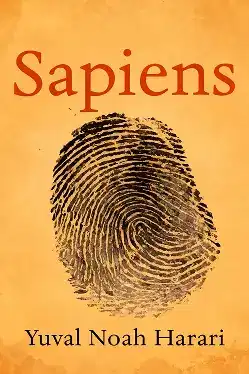
While both analyze human societies, Moffett focuses on biological roots and cross-species comparisons (e.g., ants), whereas Harari emphasizes cultural evolution. The Human Swarm offers fewer speculative futurisms, grounding arguments in field research and ethnography. Fans of interdisciplinary approaches may prefer Moffett’s blend of entomology and anthropology.
What criticisms exist about The Human Swarm?
Some reviewers note dense academic prose and occasional over-reliance on animal analogies. However, Moffett avoids romanticizing past societies or deriving direct ethical lessons from biology, earning praise for balanced analysis. Critics suggest tighter editing could enhance accessibility for general audiences.
What quotes from The Human Swarm are significant?
Notable quotes include:
- “Societies are temporary by nature”: Highlights Moffett’s view that societal rise/fall cycles are inevitable.
- “Identity is a shared hallucination”: Emphasizes constructed markers (language, rituals) binding groups.
How does Mark W. Moffett’s ant research inform The Human Swarm?
Moffett’s studies of Argentine ants and marauder ants reveal how cooperation and specialization enable large societies. These insights frame human societal traits like division of labor and conflict resolution, showing shared evolutionary strategies despite differing biological mechanisms.
Does The Human Swarm address modern societal issues?
Yes. Moffett examines polarization, immigration, and nationalism through the lens of “in-group” vs. “out-group” dynamics. He argues understanding societal fluidity can mitigate tensions, though avoids prescriptive solutions. The book’s 2019 release predates 2020s geopolitical shifts but remains relevant to current debates.
What makes human societies unique according to The Human Swarm?
Humans uniquely sustain large-scale cooperation with strangers through abstract identity markers (flags, myths), unlike primates limited to kinship bonds. This allows unprecedented scalability in resource sharing and collective problem-solving.
Is The Human Swarm worth reading?
Yes for readers seeking interdisciplinary insights into societal mechanics. Its blend of biology, history, and anthropology offers fresh perspectives on current issues like nationalism. While academically dense, it avoids jargon, making it accessible to motivated non-specialists.
How does The Human Swarm define a “society”?
Moffett defines a society as a discrete group with a shared identity sustained across generations, beyond mere familial ties. This identity demarcates members from outsiders, enabling resource access and collective security—traits observed in humans and select species like ants.
What role do myths play in societies according to The Human Swarm?
Moffett argues myths (historical narratives, founding stories) cement societal identity, regardless of factual accuracy. These shared beliefs foster trust among strangers, enabling large-scale cooperation—a key factor in humanity’s global dominance.
Feel the book through the author's voice
Turn knowledge into engaging, example-rich insights
Capture key ideas in a flash for fast learning
Enjoy the book in a fun and engaging way
Key Themes in Human Swarm
Quotes from Human Swarm
Societies become battlegrounds where individuals struggle for resources and status.
Cooperation exists without forming societies.
Societies provide, and they protect.
Societies, distinguished by member identities, transcend personal networks.
Chimpanzees need to know everybody. Ants need to know nobody.
Characters in Human Swarm
Quick Summary Mode - Read or listen to Human Swarm Summary in 9 Minutes

Break down key ideas from Human Swarm into bite-sized takeaways to understand how innovative teams create, collaborate, and grow.

Flash Card Mode - Top 10 Insights from Human Swarm in a Nutshell

Distill Human Swarm into rapid-fire memory cues that highlight key principles of candor, teamwork, and creative resilience.

Fun Mode - Human Swarm Lessons Told Through 19-Min Stories

Experience Human Swarm through vivid storytelling that turns innovation lessons into moments you'll remember and apply.
Personalize Mode - Read or listen to Human Swarm Summary in 0 Minutes

Ask anything, pick the voice, and co-create insights that truly resonate with you.

From Columbia University alumni built in San Francisco
"Instead of endless scrolling, I just hit play on BeFreed. It saves me so much time."


"I never knew where to start with nonfiction—BeFreed’s book lists turned into podcasts gave me a clear path."


"Perfect balance between learning and entertainment. Finished ‘Thinking, Fast and Slow’ on my commute this week."
"Crazy how much I learned while walking the dog. BeFreed = small habits → big gains."
"Reading used to feel like a chore. Now it’s just part of my lifestyle."

"Feels effortless compared to reading. I’ve finished 6 books this month already."
"BeFreed turned my guilty doomscrolling into something that feels productive and inspiring."

"BeFreed turned my commute into learning time. 20-min podcasts are perfect for finishing books I never had time for."
"BeFreed replaced my podcast queue. Imagine Spotify for books — that’s it. 🙌"

"It is great for me to learn something from the book without reading it."
"The themed book list podcasts help me connect ideas across authors—like a guided audio journey."
"Makes me feel smarter every time before going to work"
From Columbia University alumni built in San Francisco
"Instead of endless scrolling, I just hit play on BeFreed. It saves me so much time."
"I never knew where to start with nonfiction—BeFreed’s book lists turned into podcasts gave me a clear path."
"Perfect balance between learning and entertainment. Finished ‘Thinking, Fast and Slow’ on my commute this week."
"Crazy how much I learned while walking the dog. BeFreed = small habits → big gains."
"Reading used to feel like a chore. Now it’s just part of my lifestyle."
"Feels effortless compared to reading. I’ve finished 6 books this month already."
"BeFreed turned my guilty doomscrolling into something that feels productive and inspiring."
"BeFreed turned my commute into learning time. 20-min podcasts are perfect for finishing books I never had time for."
"BeFreed replaced my podcast queue. Imagine Spotify for books — that’s it. 🙌"
"It is great for me to learn something from the book without reading it."
"The themed book list podcasts help me connect ideas across authors—like a guided audio journey."
"Makes me feel smarter every time before going to work"
"Instead of endless scrolling, I just hit play on BeFreed. It saves me so much time."
"I never knew where to start with nonfiction—BeFreed’s book lists turned into podcasts gave me a clear path."
"Perfect balance between learning and entertainment. Finished ‘Thinking, Fast and Slow’ on my commute this week."
"Crazy how much I learned while walking the dog. BeFreed = small habits → big gains."
"Reading used to feel like a chore. Now it’s just part of my lifestyle."
"Feels effortless compared to reading. I’ve finished 6 books this month already."
"BeFreed turned my guilty doomscrolling into something that feels productive and inspiring."
"BeFreed turned my commute into learning time. 20-min podcasts are perfect for finishing books I never had time for."
"BeFreed replaced my podcast queue. Imagine Spotify for books — that’s it. 🙌"
"It is great for me to learn something from the book without reading it."
"The themed book list podcasts help me connect ideas across authors—like a guided audio journey."
"Makes me feel smarter every time before going to work"
"Instead of endless scrolling, I just hit play on BeFreed. It saves me so much time."
"I never knew where to start with nonfiction—BeFreed’s book lists turned into podcasts gave me a clear path."
"Perfect balance between learning and entertainment. Finished ‘Thinking, Fast and Slow’ on my commute this week."
"Crazy how much I learned while walking the dog. BeFreed = small habits → big gains."
"Reading used to feel like a chore. Now it’s just part of my lifestyle."
"Feels effortless compared to reading. I’ve finished 6 books this month already."
"BeFreed turned my guilty doomscrolling into something that feels productive and inspiring."
"BeFreed turned my commute into learning time. 20-min podcasts are perfect for finishing books I never had time for."
"BeFreed replaced my podcast queue. Imagine Spotify for books — that’s it. 🙌"
"It is great for me to learn something from the book without reading it."
"The themed book list podcasts help me connect ideas across authors—like a guided audio journey."
"Makes me feel smarter every time before going to work"

Get the Human Swarm summary as a free PDF or EPUB. Print it or read offline anytime.