Brave New World by Aldous Huxley Summary

Overview of Brave New World
In Huxley's dystopian masterpiece - ranked fifth among the century's greatest novels - pleasure becomes control. Banned yet prophetic, it eerily predicted our addiction to technology and consumption. What's more terrifying: Orwell's brutal dictatorship or Huxley's seductive slavery?
- Technology-driven control erodes human autonomy and emotional depth
- Artificial happiness via soma masks existential emptiness and stifles growth
- Consumerism replaces meaningful human connection with shallow gratification
- Genetic predetermination in the World State destroys individuality and creativity
- Questioning authority preserves humanity in oppressive systems of conformity
- True freedom requires embracing pain and imperfection for authenticity
- Monogamy’s eradication destabilizes emotional bonds and personal identity
- Fordian society trades art and spirituality for stability and control
- Huxley’s dystopia warns against utopian ideals built on dehumanization
- The Savage’s revolt exposes society’s fear of unchecked human passion
- Mandatory conformity suppresses dissent but fuels existential rebellion
- Free will becomes obsolete in state-manufactured hierarchies of power
About the Author of Brave New World
Aldous Huxley (1894–1963), the visionary British author of Brave New World, was a pioneering social critic and literary satirist whose dystopian novel reshaped 20th-century speculative fiction. Born into a family of renowned scientists—including his biologist grandfather Thomas Henry Huxley—Huxley blended scientific foresight with philosophical inquiry, exploring themes of technological tyranny, psychological conditioning, and societal conformity.
His partial blindness in youth diverted him from a medical career to literature, where works like Eyeless in Gaza and The Doors of Perception further cemented his reputation for merging speculative narratives with existential questions.
A California resident from 1937 until his death, Huxley expanded his explorations into mysticism and psychedelics, documented in essays like The Perennial Philosophy. Brave New World has sold over 15 million copies globally, been translated into 28 languages, and inspired countless adaptations, solidifying its status as a cornerstone of dystopian literature. His final novel, Island, offers a utopian counterpoint to Brave New World’s warnings, completing his lifelong examination of humanity’s fragile balance between progress and ethics.
FAQs About Brave New World
What is Brave New World by Aldous Huxley about?
Brave New World (1932) depicts a dystopian future where society is controlled through genetic engineering, psychological conditioning, and pleasure-inducing drugs. Set in 2540 CE, the World State prioritizes stability over individuality, eradicating family, art, and free will. Key characters like Bernard Marx and John the Savage grapple with the dehumanizing effects of a society that sacrifices humanity for efficiency.
Who should read Brave New World?
This novel suits readers interested in dystopian classics, critiques of technology-driven societies, or themes like government control vs. personal freedom. Fans of Orwell’s 1984 or Atwood’s The Handmaid’s Tale will find parallels in Huxley’s exploration of societal manipulation and loss of identity.
Is Brave New World worth reading?
Yes. Huxley’s work remains a cornerstone of dystopian literature, offering sharp commentary on consumerism, scientific advancement, and authoritarianism. Though critiqued for its bleakness and controversial themes, its warnings about sacrificing morality for comfort remain urgently relevant.
What are the main themes in Brave New World?
- Government control: Citizens are genetically engineered and conditioned for predetermined roles.
- Technology vs. humanity: Science replaces natural reproduction and emotions.
- Freedom vs. happiness: Stability is enforced through soma (a pacifying drug) and suppressed individualism.
Who are the key characters in Brave New World?
- Bernard Marx: An Alpha Plus who resists societal norms but succumbs to vanity.
- John the Savage: Raised outside the World State, he symbolizes natural human emotion.
- Mustapha Mond: A World Controller who defends the system’s dehumanizing logic.
How does the World State maintain control in Brave New World?
- Genetic engineering: Embryos are scientifically altered to fit caste roles.
- Conditioning: Children learn societal values through sleep-teaching.
- Soma: A drug used to suppress dissent and ensure compliance.
How does Brave New World compare to 1984?
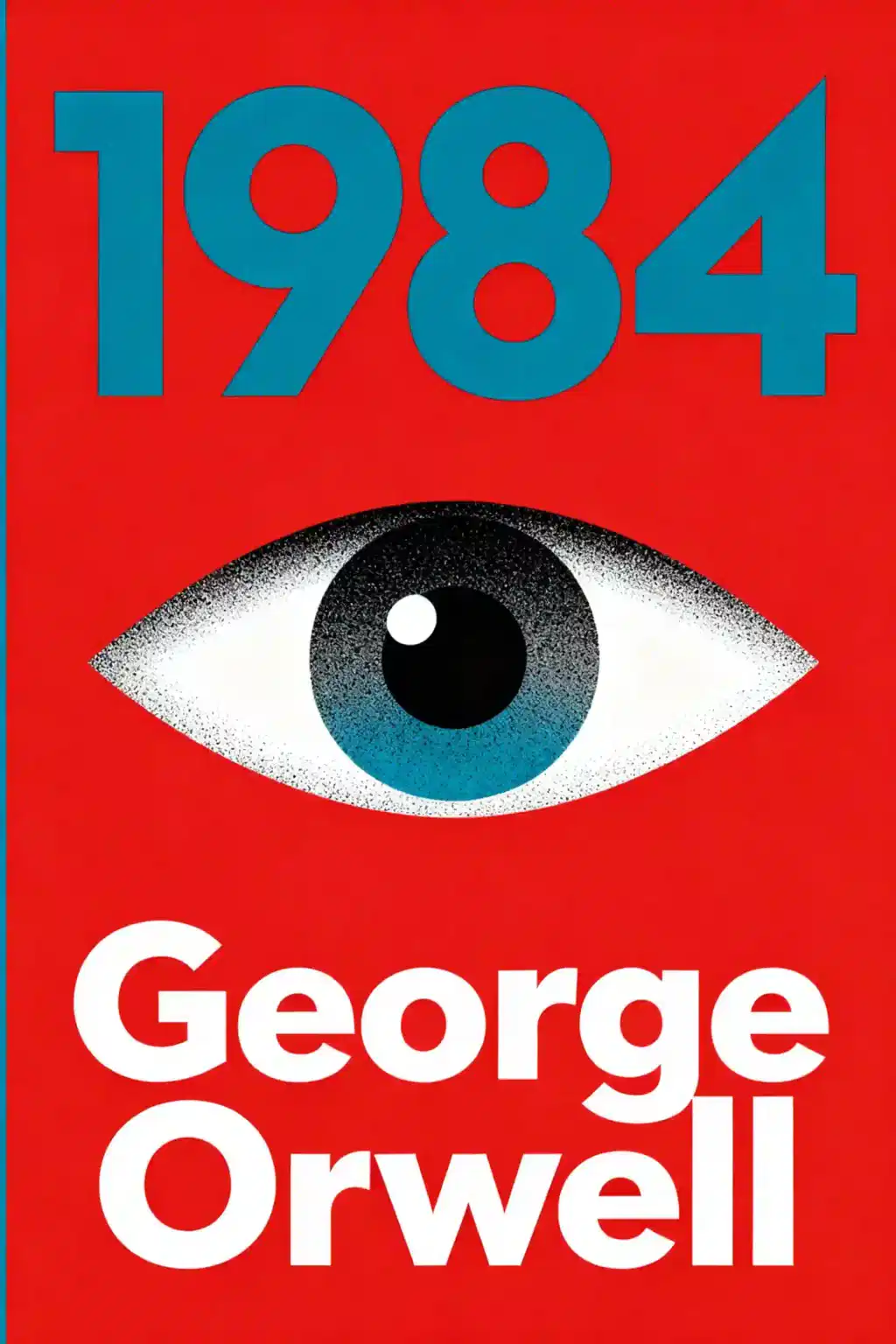
While both critique totalitarianism, Huxley’s society controls through pleasure and distraction, whereas Orwell’s uses surveillance and fear. Brave New World warns about voluntary submission to comfort, while 1984 focuses on forced oppression.
What is the significance of the title Brave New World?
The phrase, borrowed from Shakespeare’s The Tempest, is used ironically. John the Savage initially sees the World State as “brave” but later rejects its emptiness, highlighting the gap between technological progress and human fulfillment.
What are common criticisms of Brave New World?
Some argue Huxley’s portrayal of promiscuity and drug use is immoral, while others find the characters underdeveloped. Critics also debate whether true happiness can exist without freedom or emotional depth.
Why is Brave New World still relevant today?
The novel’s themes resonate with modern concerns: AI ethics, genetic manipulation, and social media’s role in pacifying populations. Its warning about trading autonomy for convenience mirrors debates on technology’s psychological costs.
What is the main message of Brave New World?
Huxley warns that utopian ideals often mask dehumanization. The pursuit of stability through control sacrifices creativity, love, and individuality, reducing humans to cogs in a machine.
How does John the Savage challenge the World State?
John’s exposure to Shakespearean ideals clashes with the World State’s shallow values. His eventual suicide underscores the incompatibility of raw human emotion with a sanitized, pleasure-driven society.
What does Mustapha Mond represent in Brave New World?
As Resident Controller, Mond embodies the regime’s logic. He defends the suppression of art, religion, and science, arguing that happiness requires the eradication of discomfort and ambition.
Feel the book through the author's voice
Turn knowledge into engaging, example-rich insights
Capture key ideas in a flash for fast learning
Enjoy the book in a fun and engaging way
Key Themes in Brave New World
Quotes from Brave New World
Freedom is the true obscenity.
Oppression comes gift-wrapped as pleasure.
Everyone belongs to everyone else.
Ending is better than mending.
A gramme is better than a damn.
Characters in Brave New World
Quick Summary Mode - Read or listen to Brave New World Summary in 9 Minutes

Break down key ideas from Brave New World into bite-sized takeaways to understand how innovative teams create, collaborate, and grow.

Flash Card Mode - Top 10 Insights from Brave New World in a Nutshell

Distill Brave New World into rapid-fire memory cues that highlight key principles of candor, teamwork, and creative resilience.

Fun Mode - Brave New World Lessons Told Through 24-Min Stories

Experience Brave New World through vivid storytelling that turns innovation lessons into moments you'll remember and apply.
Personalize Mode - Read or listen to Brave New World Summary in 0 Minutes

Ask anything, pick the voice, and co-create insights that truly resonate with you.

From Columbia University alumni built in San Francisco
"Instead of endless scrolling, I just hit play on BeFreed. It saves me so much time."


"I never knew where to start with nonfiction—BeFreed’s book lists turned into podcasts gave me a clear path."


"Perfect balance between learning and entertainment. Finished ‘Thinking, Fast and Slow’ on my commute this week."
"Crazy how much I learned while walking the dog. BeFreed = small habits → big gains."
"Reading used to feel like a chore. Now it’s just part of my lifestyle."

"Feels effortless compared to reading. I’ve finished 6 books this month already."
"BeFreed turned my guilty doomscrolling into something that feels productive and inspiring."

"BeFreed turned my commute into learning time. 20-min podcasts are perfect for finishing books I never had time for."
"BeFreed replaced my podcast queue. Imagine Spotify for books — that’s it. 🙌"

"It is great for me to learn something from the book without reading it."
"The themed book list podcasts help me connect ideas across authors—like a guided audio journey."
"Makes me feel smarter every time before going to work"
From Columbia University alumni built in San Francisco
"Instead of endless scrolling, I just hit play on BeFreed. It saves me so much time."
"I never knew where to start with nonfiction—BeFreed’s book lists turned into podcasts gave me a clear path."
"Perfect balance between learning and entertainment. Finished ‘Thinking, Fast and Slow’ on my commute this week."
"Crazy how much I learned while walking the dog. BeFreed = small habits → big gains."
"Reading used to feel like a chore. Now it’s just part of my lifestyle."
"Feels effortless compared to reading. I’ve finished 6 books this month already."
"BeFreed turned my guilty doomscrolling into something that feels productive and inspiring."
"BeFreed turned my commute into learning time. 20-min podcasts are perfect for finishing books I never had time for."
"BeFreed replaced my podcast queue. Imagine Spotify for books — that’s it. 🙌"
"It is great for me to learn something from the book without reading it."
"The themed book list podcasts help me connect ideas across authors—like a guided audio journey."
"Makes me feel smarter every time before going to work"
"Instead of endless scrolling, I just hit play on BeFreed. It saves me so much time."
"I never knew where to start with nonfiction—BeFreed’s book lists turned into podcasts gave me a clear path."
"Perfect balance between learning and entertainment. Finished ‘Thinking, Fast and Slow’ on my commute this week."
"Crazy how much I learned while walking the dog. BeFreed = small habits → big gains."
"Reading used to feel like a chore. Now it’s just part of my lifestyle."
"Feels effortless compared to reading. I’ve finished 6 books this month already."
"BeFreed turned my guilty doomscrolling into something that feels productive and inspiring."
"BeFreed turned my commute into learning time. 20-min podcasts are perfect for finishing books I never had time for."
"BeFreed replaced my podcast queue. Imagine Spotify for books — that’s it. 🙌"
"It is great for me to learn something from the book without reading it."
"The themed book list podcasts help me connect ideas across authors—like a guided audio journey."
"Makes me feel smarter every time before going to work"
"Instead of endless scrolling, I just hit play on BeFreed. It saves me so much time."
"I never knew where to start with nonfiction—BeFreed’s book lists turned into podcasts gave me a clear path."
"Perfect balance between learning and entertainment. Finished ‘Thinking, Fast and Slow’ on my commute this week."
"Crazy how much I learned while walking the dog. BeFreed = small habits → big gains."
"Reading used to feel like a chore. Now it’s just part of my lifestyle."
"Feels effortless compared to reading. I’ve finished 6 books this month already."
"BeFreed turned my guilty doomscrolling into something that feels productive and inspiring."
"BeFreed turned my commute into learning time. 20-min podcasts are perfect for finishing books I never had time for."
"BeFreed replaced my podcast queue. Imagine Spotify for books — that’s it. 🙌"
"It is great for me to learn something from the book without reading it."
"The themed book list podcasts help me connect ideas across authors—like a guided audio journey."
"Makes me feel smarter every time before going to work"

Get the Brave New World summary as a free PDF or EPUB. Print it or read offline anytime.