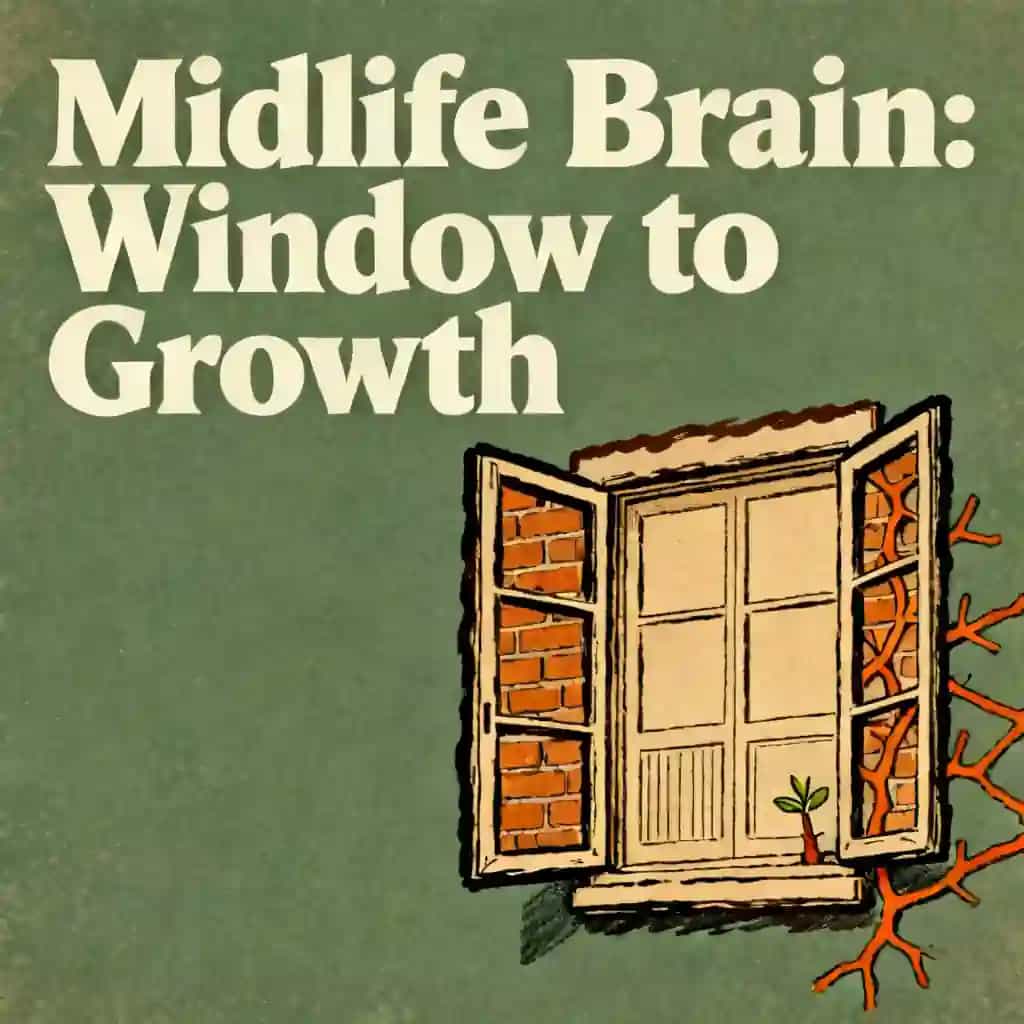
Midlife: A Philosophical Guide by Kieran Setiya Summary

Overview of Midlife
Feeling lost in life's middle chapters? Kieran Setiya's philosophical guide challenges the midlife crisis myth with accessible wisdom. Featured on Freakonomics, this thought-provoking work offers intellectual tools for confronting regret and mortality - what if philosophy holds the key to your midlife renewal?
- Shift from telic goals to atelic activities for present fulfillment
- Embrace midlife regret as evidence of life’s abundant possibilities
- Balance existential and ameliorative activities to enrich midlife meaning
- Adopt temporal neutrality to diminish fear of midlife mortality
- Escape project-oriented treadmill by valuing activities without end goals
- Midlife’s U-shaped happiness curve validates temporary struggles and future hope
- Avoid idealizing unchosen paths to reduce midlife dissatisfaction
- Pursue altruistic goals over self-interest to unlock genuine happiness
- View midlife crisis as catalyst for growth, not failure
About the Author of Midlife
Kieran Setiya, author of Midlife: A Philosophical Guide, is a professor of philosophy at MIT and a leading voice in ethics, epistemology, and the philosophy of mind.
His acclaimed work blends rigorous academic insight with accessible public philosophy, offering timeless wisdom for modern challenges. Midlife merges personal reflection with philosophical analysis to address universal struggles like grief, failure, and existential doubt, drawing from Setiya’s expertise in virtue ethics and moral psychology.
A frequent contributor to The New York Times, Aeon, and The Guardian, he has authored influential books such as Life Is Hard: How Philosophy Can Help Us Find Our Way and Practical Knowledge.
Setiya’s writing has been featured in The New Yorker’s Best Books list and endorsed by major media outlets, including The Economist. Midlife earned recognition as a Times Higher Education “Book of the Week,” cementing his reputation for transforming complex ideas into practical guidance.
FAQs About Midlife
What is "Midlife: A Philosophical Guide" about?
Midlife: A Philosophical Guide explores how philosophical concepts from Aristotle to Simone de Beauvoir can help navigate midlife challenges like regret, mortality, and existential dissatisfaction. Kieran Setiya blends personal essays with academic philosophy, offering reflective strategies to reframe unfulfilled aspirations and find meaning in life’s processes rather than outcomes. The book provides a self-help approach through stoicism, virtue ethics, and mindfulness practices.
Who should read "Midlife: A Philosophical Guide"?
This book targets middle-aged individuals grappling with existential questions, as well as philosophy enthusiasts seeking practical applications of ethical theories. It appeals to readers interested in reconciling nostalgia for lost opportunities or seeking structured ways to confront aging, failure, and mortality through a blend of academic rigor and accessible prose.
Is "Midlife: A Philosophical Guide" worth reading?
Yes, for its unique synthesis of philosophy and self-help. While some critique its privileged perspective, others praise its intellectual depth and actionable insights on reframing midlife struggles. The New Yorker named it a 2022 standout, and it’s recommended for those valuing reflective, idea-driven approaches over quick fixes.
What are the main philosophical ideas in "Midlife: A Philosophical Guide"?
Key concepts include atelic activities (valuing processes like relationships over goals), Stoic acceptance of mortality, and Aristotelian virtue ethics. Setiya critiques the “midlife crisis” as a cultural construct and advocates mindfulness to embrace the present, drawing on Schopenhauer’s views on suffering and John Stuart Mill’s utilitarian principles.
How does the book address regret and "missing out"?
Setiya argues that missing out is inevitable and redefines it as a natural consequence of meaningful choice. He uses philosophical frameworks to show how foreclosed paths can be sources of growth, not loss, urging readers to focus on “the value of commitment” rather than nostalgia for unrealized possibilities.
What does Setiya say about living in the present?
The book links mindfulness practices to philosophical traditions, suggesting that meditation and atelic activities (e.g., hobbies, friendships) help counter midlife futility. Setiya emphasizes finding joy in daily processes instead of fixating on outcomes, drawing parallels to Buddhist and Stoic thought.
How does "Midlife" handle the concept of mortality?
Setiya offers consolations from Epicureanism and existentialism, arguing that accepting mortality’s inevitability reduces its existential weight. He critiques the fear of death as a distraction from living meaningfully, advocating focus on present relationships and ethical legacy.
What are the criticisms of "Midlife: A Philosophical Guide"?
Critics note its narrow focus on professionally successful audiences and limited discussion of societal issues like economic inequality. Some reviewers find its advice overly abstract for readers seeking concrete steps.
How does "Midlife" compare to other self-help books?
Unlike mainstream self-help, Setiya’s work grounds advice in academic philosophy, avoiding simplistic formulas. It’s closer to Alain de Botton’s The Consolations of Philosophy but with a sharper focus on midlife-specific angst and ethical theory.
What practical advice does Setiya offer for midlife?
Key tips include prioritizing atelic activities (e.g., learning, art), reframing past mistakes as learning opportunities, and using meditation to cultivate presence. He also advises embracing finite possibilities as a natural part of adulthood.
How does Setiya use personal anecdotes in the book?
He interweaves experiences like career doubts and parental challenges with philosophical analysis, making abstract ideas relatable. For example, he ties his midlife disillusionment to Schopenhauer’s theories on desire and suffering.
What role does meditation play in "Midlife: A Philosophical Guide"?
Setiya presents meditation as a tool to achieve philosophical ideals of presence, citing its ability to reduce anxiety about the past or future. He connects mindfulness to Aristotle’s concept of eudaimonia (flourishing) and Buddhist detachment.
Feel the book through the author's voice
Turn knowledge into engaging, example-rich insights
Capture key ideas in a flash for fast learning
Enjoy the book in a fun and engaging way
Key Themes in Midlife
Quotes from Midlife
You must care about something beyond yourself.
Such activities are 'fit for immortality' and give us 'a share in the life of the gods'.
Researchers noted that many self-reported 'crises' were actually responses to external events.
Philosophy offers unique cognitive therapy for the midlife crisis.
Characters in Midlife
Quick Summary Mode - Read or listen to Midlife Summary in 9 Minutes

Break down key ideas from Midlife into bite-sized takeaways to understand how innovative teams create, collaborate, and grow.

Flash Card Mode - Top 7 Insights from Midlife in a Nutshell

Distill Midlife into rapid-fire memory cues that highlight key principles of candor, teamwork, and creative resilience.

Fun Mode - Midlife Lessons Told Through 22-Min Stories

Experience Midlife through vivid storytelling that turns innovation lessons into moments you'll remember and apply.
Personalize Mode - Read or listen to Midlife Summary in 0 Minutes

Ask anything, pick the voice, and co-create insights that truly resonate with you.

From Columbia University alumni built in San Francisco
"Instead of endless scrolling, I just hit play on BeFreed. It saves me so much time."


"I never knew where to start with nonfiction—BeFreed’s book lists turned into podcasts gave me a clear path."


"Perfect balance between learning and entertainment. Finished ‘Thinking, Fast and Slow’ on my commute this week."
"Crazy how much I learned while walking the dog. BeFreed = small habits → big gains."
"Reading used to feel like a chore. Now it’s just part of my lifestyle."

"Feels effortless compared to reading. I’ve finished 6 books this month already."
"BeFreed turned my guilty doomscrolling into something that feels productive and inspiring."

"BeFreed turned my commute into learning time. 20-min podcasts are perfect for finishing books I never had time for."
"BeFreed replaced my podcast queue. Imagine Spotify for books — that’s it. 🙌"

"It is great for me to learn something from the book without reading it."
"The themed book list podcasts help me connect ideas across authors—like a guided audio journey."
"Makes me feel smarter every time before going to work"
From Columbia University alumni built in San Francisco
"Instead of endless scrolling, I just hit play on BeFreed. It saves me so much time."
"I never knew where to start with nonfiction—BeFreed’s book lists turned into podcasts gave me a clear path."
"Perfect balance between learning and entertainment. Finished ‘Thinking, Fast and Slow’ on my commute this week."
"Crazy how much I learned while walking the dog. BeFreed = small habits → big gains."
"Reading used to feel like a chore. Now it’s just part of my lifestyle."
"Feels effortless compared to reading. I’ve finished 6 books this month already."
"BeFreed turned my guilty doomscrolling into something that feels productive and inspiring."
"BeFreed turned my commute into learning time. 20-min podcasts are perfect for finishing books I never had time for."
"BeFreed replaced my podcast queue. Imagine Spotify for books — that’s it. 🙌"
"It is great for me to learn something from the book without reading it."
"The themed book list podcasts help me connect ideas across authors—like a guided audio journey."
"Makes me feel smarter every time before going to work"
"Instead of endless scrolling, I just hit play on BeFreed. It saves me so much time."
"I never knew where to start with nonfiction—BeFreed’s book lists turned into podcasts gave me a clear path."
"Perfect balance between learning and entertainment. Finished ‘Thinking, Fast and Slow’ on my commute this week."
"Crazy how much I learned while walking the dog. BeFreed = small habits → big gains."
"Reading used to feel like a chore. Now it’s just part of my lifestyle."
"Feels effortless compared to reading. I’ve finished 6 books this month already."
"BeFreed turned my guilty doomscrolling into something that feels productive and inspiring."
"BeFreed turned my commute into learning time. 20-min podcasts are perfect for finishing books I never had time for."
"BeFreed replaced my podcast queue. Imagine Spotify for books — that’s it. 🙌"
"It is great for me to learn something from the book without reading it."
"The themed book list podcasts help me connect ideas across authors—like a guided audio journey."
"Makes me feel smarter every time before going to work"
"Instead of endless scrolling, I just hit play on BeFreed. It saves me so much time."
"I never knew where to start with nonfiction—BeFreed’s book lists turned into podcasts gave me a clear path."
"Perfect balance between learning and entertainment. Finished ‘Thinking, Fast and Slow’ on my commute this week."
"Crazy how much I learned while walking the dog. BeFreed = small habits → big gains."
"Reading used to feel like a chore. Now it’s just part of my lifestyle."
"Feels effortless compared to reading. I’ve finished 6 books this month already."
"BeFreed turned my guilty doomscrolling into something that feels productive and inspiring."
"BeFreed turned my commute into learning time. 20-min podcasts are perfect for finishing books I never had time for."
"BeFreed replaced my podcast queue. Imagine Spotify for books — that’s it. 🙌"
"It is great for me to learn something from the book without reading it."
"The themed book list podcasts help me connect ideas across authors—like a guided audio journey."
"Makes me feel smarter every time before going to work"

Get the Midlife summary as a free PDF or EPUB. Print it or read offline anytime.