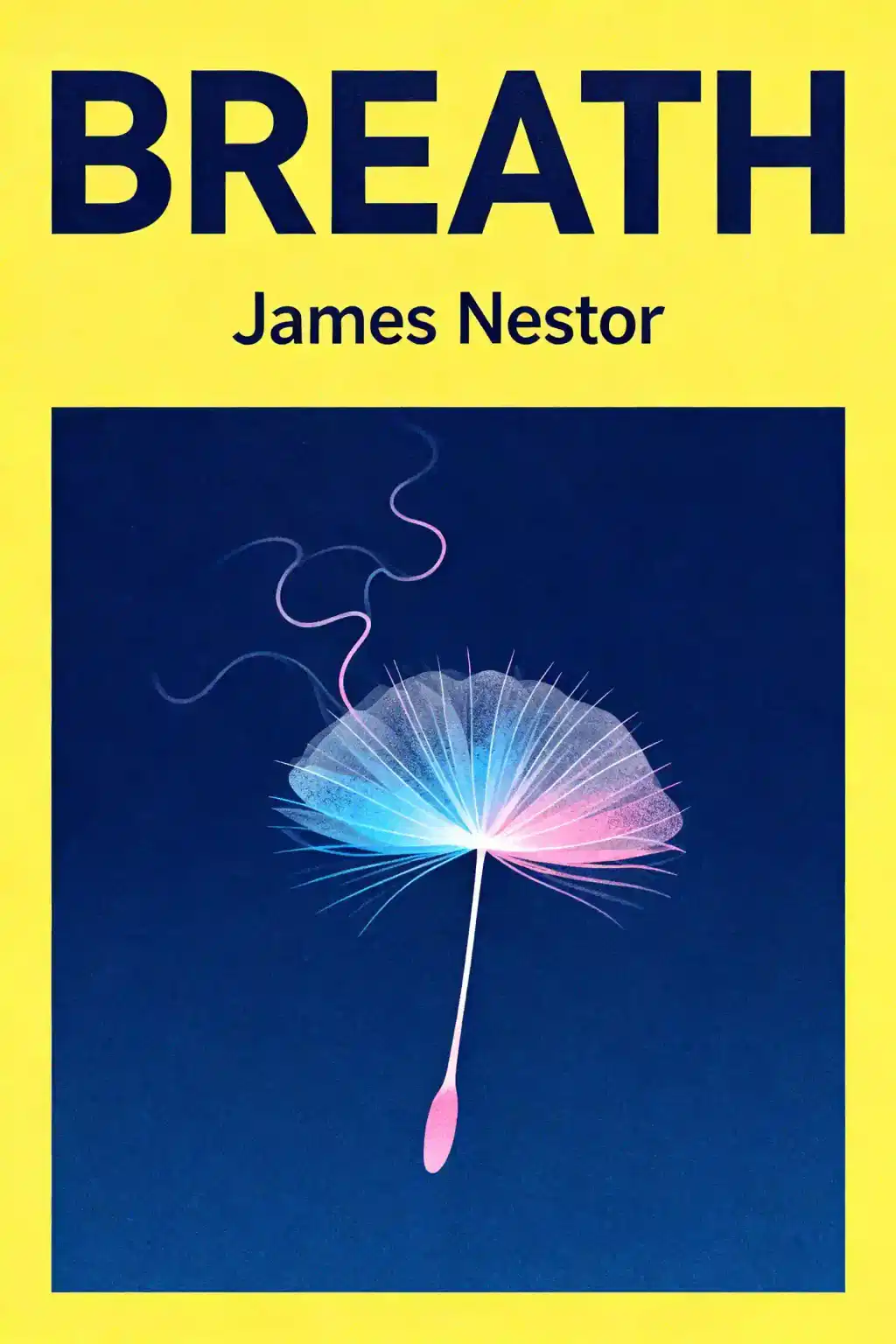
Therapeutic Journey: Lessons from the School of Life by Alain de Botton Summary

Overview of Therapeutic Journey
In "A Therapeutic Journey," Alain de Botton transforms mental health conversations with compassion and historical insight. Featured on Steven Bartlett's influential podcast, this Sunday Times bestseller argues mental illness is as unshameful as physical ailments. What masterpiece helps celebrities find resilience through art?
- Alain de Botton redefines mental health as lifelong self-understanding, not permanent wellness.
- Embrace mental fluctuations like shifting clouds—darkness is temporary, not failure.
- Self-care means radical honesty about career dissatisfaction or relationship doubts.
- Build resilience by living wisely with difficulties, not eliminating them.
- Mental recovery requires companionship—share struggles using School of Life frameworks.
- Alain de Botton’s emotional maturity roadmap: crisis → self-care → stability → joy.
- Therapeutic journeys demand sitting with discomfort to uncover life-altering insights.
- Mental health relapses aren’t regression—they’re expected phases of growth.
- Redefine happiness as reconnecting with meaning, not chasing constant positivity.
- Explain mental health struggles using de Botton’s “sky and clouds” metaphor.
- School of Life’s recovery plan: diagnose → therapize → rebuild → sustain.
- Alain de Botton frames therapy as rediscovering warmth through self-compassion.
About the Author of Therapeutic Journey
Alain de Botton, the Swiss-born British philosopher and bestselling author of A Therapeutic Journey, is celebrated for merging philosophical wisdom with everyday emotional challenges.
A King’s College London philosophy graduate, de Botton founded The School of Life, a global institution dedicated to self-awareness and emotional resilience.
His acclaimed works, including Essays in Love, Status Anxiety, and The Architecture of Happiness, dissect modern anxieties through accessible, thought-provoking prose. A frequent media commentator and TED speaker, de Botton’s books have been translated into 30 languages, selling millions worldwide.
A Therapeutic Journey continues his mission to reframe mental health struggles through philosophical inquiry, offering practical solace rooted in centuries of human thought.
FAQs About Therapeutic Journey
What is A Therapeutic Journey by Alain de Botton about?
A Therapeutic Journey explores mental health challenges through a philosophical lens, guiding readers from crisis to recovery. It discusses self-care, therapy’s role, and emotional resilience, blending personal anecdotes with actionable advice. The book emphasizes kindness and self-compassion, framed by Alain de Botton’s signature approach to applying philosophy to modern life.
Who should read A Therapeutic Journey?
This book is ideal for individuals navigating mental health struggles, fans of Alain de Botton’s reflective style, and anyone seeking practical strategies for emotional well-being. It resonates with readers interested in self-improvement, psychology, and philosophical insights into anxiety, grief, and personal growth.
Is A Therapeutic Journey worth reading?
Yes, particularly for its compassionate, non-judgmental approach to mental health. Reviewers praise its blend of theoretical depth and actionable advice, such as reframing negative thoughts and embracing vulnerability. However, those seeking clinical guidance should supplement it with professional resources.
What are the key concepts in A Therapeutic Journey?
- Emotional resilience: Cultivating strength through self-awareness.
- Self-compassion: Prioritizing kindness toward oneself during crises.
- Therapy’s value: Normalizing seeking help and understanding its transformative potential.
- Existential reframing: Addressing anxiety by reinterpreting life’s challenges.
How does A Therapeutic Journey compare to Alain de Botton’s other works?
Unlike The Architecture of Happiness (focused on design) or Status Anxiety (social perception), this book delves deeply into personal mental health. It retains de Botton’s philosophical tone but offers more practical, therapeutic tools, reflecting his work with The School of Life.
What critiques exist about A Therapeutic Journey?
Some readers find its abstract philosophy less actionable for acute mental health needs. Others note repetition of themes from de Botton’s earlier works. However, its empathetic tone and relatable anecdotes are widely praised.
How can A Therapeutic Journey help with anxiety?
The book suggests strategies like journaling to track emotional patterns, reframing negative thoughts through Stoic principles, and embracing uncertainty. It emphasizes small, daily acts of self-care to build long-term resilience.
What are memorable quotes from A Therapeutic Journey?
While direct quotes aren’t provided in sources, the book underscores ideas like:
- “Mental healing begins with accepting imperfection.”
- “Therapy is not a cure but a dialogue with pain.”
Why is A Therapeutic Journey relevant in 2025?
As mental health remains a global priority, the book’s focus on emotional resilience and self-compassion aligns with contemporary discussions about workplace stress, social isolation, and post-pandemic recovery. Its timeless themes ensure ongoing relevance.
What are alternatives to A Therapeutic Journey?
For similar themes, consider:
- The School of Life: An Emotional Education (de Botton’s earlier work).
- Lost Connections by Johann Hari (social causes of mental health).
- Maybe You Should Talk to Someone by Lori Gottlieb (therapy narratives).
How does A Therapeutic Journey address therapy?
It frames therapy as a collaborative, non-shameful process to confront repressed emotions and unhelpful thought patterns. The book demystifies therapy, encouraging readers to view it as a tool for self-discovery rather than a last resort.
What metaphors does de Botton use in A Therapeutic Journey?
While specifics aren’t cited, de Botton often employs metaphors like “emotional archaeology” (excavating past traumas) and “mental weather systems” (understanding moods as temporary storms).
Feel the book through the author's voice
Turn knowledge into engaging, example-rich insights
Capture key ideas in a flash for fast learning
Enjoy the book in a fun and engaging way
Key Themes in Therapeutic Journey
Quotes from Therapeutic Journey
There's nothing shameful about reaching your breaking point.
Art serves as a weapon against this despair.
Our culture's ideas about mature adulthood lack realism.
We cause ourselves unnecessary pain by pretending to be competent.
A major impediment to self-understanding is our assumption that we already know ourselves.
Characters in Therapeutic Journey
Quick Summary Mode - Read or listen to Therapeutic Journey Summary in 9 Minutes

Break down key ideas from Therapeutic Journey into bite-sized takeaways to understand how innovative teams create, collaborate, and grow.

Flash Card Mode - Top 9 Insights from Therapeutic Journey in a Nutshell

Distill Therapeutic Journey into rapid-fire memory cues that highlight key principles of candor, teamwork, and creative resilience.

Fun Mode - Therapeutic Journey Lessons Told Through 23-Min Stories

Experience Therapeutic Journey through vivid storytelling that turns innovation lessons into moments you'll remember and apply.
Personalize Mode - Read or listen to Therapeutic Journey Summary in 0 Minutes

Ask anything, pick the voice, and co-create insights that truly resonate with you.

From Columbia University alumni built in San Francisco
"Instead of endless scrolling, I just hit play on BeFreed. It saves me so much time."


"I never knew where to start with nonfiction—BeFreed’s book lists turned into podcasts gave me a clear path."


"Perfect balance between learning and entertainment. Finished ‘Thinking, Fast and Slow’ on my commute this week."
"Crazy how much I learned while walking the dog. BeFreed = small habits → big gains."
"Reading used to feel like a chore. Now it’s just part of my lifestyle."

"Feels effortless compared to reading. I’ve finished 6 books this month already."
"BeFreed turned my guilty doomscrolling into something that feels productive and inspiring."

"BeFreed turned my commute into learning time. 20-min podcasts are perfect for finishing books I never had time for."
"BeFreed replaced my podcast queue. Imagine Spotify for books — that’s it. 🙌"

"It is great for me to learn something from the book without reading it."
"The themed book list podcasts help me connect ideas across authors—like a guided audio journey."
"Makes me feel smarter every time before going to work"
From Columbia University alumni built in San Francisco
"Instead of endless scrolling, I just hit play on BeFreed. It saves me so much time."
"I never knew where to start with nonfiction—BeFreed’s book lists turned into podcasts gave me a clear path."
"Perfect balance between learning and entertainment. Finished ‘Thinking, Fast and Slow’ on my commute this week."
"Crazy how much I learned while walking the dog. BeFreed = small habits → big gains."
"Reading used to feel like a chore. Now it’s just part of my lifestyle."
"Feels effortless compared to reading. I’ve finished 6 books this month already."
"BeFreed turned my guilty doomscrolling into something that feels productive and inspiring."
"BeFreed turned my commute into learning time. 20-min podcasts are perfect for finishing books I never had time for."
"BeFreed replaced my podcast queue. Imagine Spotify for books — that’s it. 🙌"
"It is great for me to learn something from the book without reading it."
"The themed book list podcasts help me connect ideas across authors—like a guided audio journey."
"Makes me feel smarter every time before going to work"
"Instead of endless scrolling, I just hit play on BeFreed. It saves me so much time."
"I never knew where to start with nonfiction—BeFreed’s book lists turned into podcasts gave me a clear path."
"Perfect balance between learning and entertainment. Finished ‘Thinking, Fast and Slow’ on my commute this week."
"Crazy how much I learned while walking the dog. BeFreed = small habits → big gains."
"Reading used to feel like a chore. Now it’s just part of my lifestyle."
"Feels effortless compared to reading. I’ve finished 6 books this month already."
"BeFreed turned my guilty doomscrolling into something that feels productive and inspiring."
"BeFreed turned my commute into learning time. 20-min podcasts are perfect for finishing books I never had time for."
"BeFreed replaced my podcast queue. Imagine Spotify for books — that’s it. 🙌"
"It is great for me to learn something from the book without reading it."
"The themed book list podcasts help me connect ideas across authors—like a guided audio journey."
"Makes me feel smarter every time before going to work"
"Instead of endless scrolling, I just hit play on BeFreed. It saves me so much time."
"I never knew where to start with nonfiction—BeFreed’s book lists turned into podcasts gave me a clear path."
"Perfect balance between learning and entertainment. Finished ‘Thinking, Fast and Slow’ on my commute this week."
"Crazy how much I learned while walking the dog. BeFreed = small habits → big gains."
"Reading used to feel like a chore. Now it’s just part of my lifestyle."
"Feels effortless compared to reading. I’ve finished 6 books this month already."
"BeFreed turned my guilty doomscrolling into something that feels productive and inspiring."
"BeFreed turned my commute into learning time. 20-min podcasts are perfect for finishing books I never had time for."
"BeFreed replaced my podcast queue. Imagine Spotify for books — that’s it. 🙌"
"It is great for me to learn something from the book without reading it."
"The themed book list podcasts help me connect ideas across authors—like a guided audio journey."
"Makes me feel smarter every time before going to work"

Get the Therapeutic Journey summary as a free PDF or EPUB. Print it or read offline anytime.