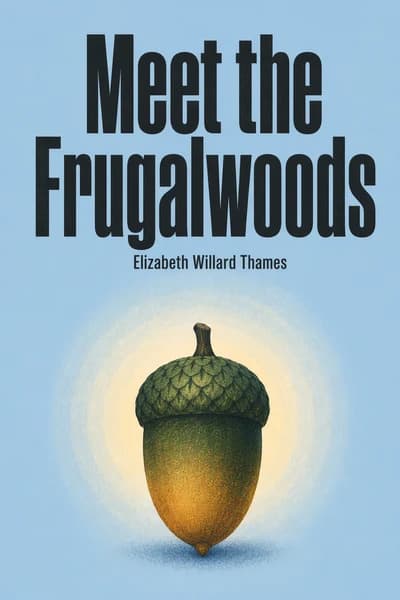
Meet the Frugalwoods
Achieving Financial Independence Through Simple Living
Overview of Meet the Frugalwoods
From urban professionals to Vermont homesteaders, "Meet the Frugalwoods" reveals how one couple achieved financial independence by saving 70% of their income. Can extreme frugality truly buy freedom? This memoir sparked a movement that challenges our relationship with money and meaning.

Key Themes in Meet the Frugalwoods
- financial independence
- radical frugality
- homesteading transition
- intentional living
- consumer culture critique
Quotes from Meet the Frugalwoods
Neither world felt right.
Less could be more.
Success wasn't confined to office walls.
The wealthy obsessed over household staff...yet appearing deeply unhappy.
Characters in Meet the Frugalwoods
- Elizabeth Willard ThamesThe author and protagonist who seeks frugality
- NateElizabeth's husband and partner in homesteading
- WinElizabeth's senior boss at WGBH
About the Author
About the Author of Meet the Frugalwoods
Elizabeth Willard Thames is the bestselling author of Meet the Frugalwoods: Achieving Financial Independence Through Simple Living and a renowned advocate for minimalist, purpose-driven living. Combining memoir with actionable personal finance strategies, her book details how she and her husband achieved early retirement at 32 by saving over 70% of their income to pursue a homesteading life on 66 acres in Vermont.
A former nonprofit fundraiser and communications manager with an MA in Public Administration, Thames channels her expertise into the award-winning blog Frugalwoods.com, launched in 2014, which has guided millions toward financial mindfulness.
Her work has been featured on The Today Show, NPR, and in The New York Times, cementing her authority in frugality and intentional living. Thames holds degrees in political science, creative writing, and public administration, blending analytical rigor with relatable storytelling.
Meet the Frugalwoods is available in audiobook and eBook formats and has inspired a global audience to reimagine wealth beyond materialism.
Download Summary of Meet the Frugalwoods
Get the Meet the Frugalwoods summary as a free PDF or EPUB. Print it or read offline anytime.
FAQs About This Book
Meet the Frugalwoods chronicles Elizabeth Willard Thames' journey from urban corporate life to financial independence through extreme frugality. By saving over 70% of their income, she and her husband retired at 32 to a Vermont homestead, embracing mindful spending, DIY projects, and simplicity. The book blends personal narrative with actionable advice, redefining success as freedom from consumerism.
This book is ideal for anyone seeking financial independence, minimalist living, or escape from the "rat race." It resonates with frugality enthusiasts, homesteading aspirants, and those questioning societal norms around consumption. Readers interested in personal finance blogs or unconventional lifestyle changes will find practical inspiration.
Yes, for its unique blend of memoir and frugality strategies. While not a strict financial guide, it offers relatable insights into achieving early retirement through intentional spending. Critics praise its authenticity but note its focus on privileged circumstances.
Thames advocates a "zero budget" approach, prioritizing needs over wants. Key strategies include:
- DIY everything (home repairs, haircuts)
- Secondhand purchasing (clothing, furniture)
- Mindful consumption (avoiding impulse buys)
This method enabled 70–93% savings rates, funding their financial independence.
They maximized income from tech careers, slashed expenses via frugality, and invested in index funds. By living on ≤30% of their earnings for three years, they built a portfolio supporting rural homesteading. Their story emphasizes discipline over extreme deprivation.
The couple faced societal pressure to conform, lifestyle inflation, infertility struggles, and fears about abandoning conventional success. Elizabeth also details emotional hurdles in redefining self-worth beyond materialism.
Success shifts from wealth accumulation to freedom, purpose, and community. The book emphasizes:
- Time autonomy over 9–5 jobs
- Simple joys (nature, family) over consumerism
- Self-sufficiency through homesteading skills
- "Frugality isn’t deprivation—it’s liberation."
- "We bought our future freedom with today’s choices."
These highlight the book’s theme of intentional living as a path to empowerment.
Some note the Thames’ high incomes made extreme savings feasible, limiting relatability. Others argue rural homesteading isn’t universally practical. However, supporters appreciate adaptable frugality principles.
Both advocate frugality for financial independence, but Thames’ memoir focuses on personal transformation, while Vicki Robin’s classic offers structured steps. Frugalwoods appeals more to narrative-driven readers.
Yes—its principles (budgeting, mindful spending) apply to debt payoff. The book’s emphasis on aligning spending with values helps readers prioritize financial goals over ephemeral purchases.
Thames shares insights on gardening, firewood harvesting, and DIY home projects. These skills support self-reliance but also symbolize the book’s broader philosophy: investing effort into meaningful tasks over consumer conveniences.