Healing Collective Trauma: A Process for Integrating Our Intergenerational and Cultural Wounds by Thomas Hübl & Julie Jordan Avritt Summary

Overview of Healing Collective Trauma
In "Healing Collective Trauma," Thomas Hubl bridges science and mysticism to heal our shared wounds. Endorsed by Oprah Daily, this 4.2-star Goodreads favorite reveals how unresolved historical traumas shape society. What invisible forces from our ancestors still influence your life today?
- Collective trauma requires healing spaces integrating past wounds with present awareness
- Systemic coherence repairs fragmentation from ancestral and cultural traumatization
- Collective healing amplifies individual growth through resonant group processes
- Unresolved intergenerational trauma repeats patterns until consciously integrated
- Relational skill-building reduces polarization by addressing collective numbness
- Mass memory release transforms historical pain into collective resilience
- Ecosystemic health depends on restoring fragmented mind-body-community connections
- Trauma-informed presence creates safety for biological and emotional detox
- Collective absencing perpetuates social crises; communal witnessing enables integration
- Ancestral wounds manifest as current crises demanding ethical restoration
- Group resonance activates self-healing mechanisms through shared vulnerability
- Cultural repair begins when collective narratives align with lived truth
About the Author of Healing Collective Trauma
Thomas Hübl, PhD, and Julie Jordan Avritt, co-authors of Healing Collective Trauma: A Process for Integrating Our Intergenerational and Cultural Wounds, are pioneering voices in trauma healing and relational psychology.
Hübl is an international facilitator and visiting scholar at Harvard University’s Wyss Institute. He merges modern science with wisdom traditions to address systemic issues like racism, colonialism, and genocide through large-scale collective trauma workshops. Hübl’s insights have been featured in Psychology Today, First for Women, and talks at Harvard Medical School alongside experts like Dr. Gabor Maté and Dr. Peter Levine.
Avritt is a professional ghostwriter and integral thinker who collaborates with global changemakers to distill complex concepts into accessible frameworks. Together, Hübl and Avritt also co-wrote Attuned: Practicing Interdependence to Heal Our Trauma—and Our World, expanding on relational healing methodologies.
Their work explores how unresolved historical wounds impact present-day societal dynamics, offering tools for individual and communal integration. Healing Collective Trauma has been translated into six languages and endorsed by thought leaders like Jack Kornfield and Terry Real, cementing its status as a cornerstone in trauma-informed literature.
FAQs About Healing Collective Trauma
What is Healing Collective Trauma by Thomas Hübl about?
Healing Collective Trauma explores how unresolved historical and intergenerational wounds permeate societies, affecting mental health, relationships, and global systems. Thomas Hübl blends spiritual insights with scientific research to present the Collective Trauma Integration Process, a group-based method for addressing ancestral and cultural trauma through presence, attunement, and shared narratives. Key themes include trauma’s physiological imprint, “trauma loyalty,” and healing’s role in societal transformation.
Who should read Healing Collective Trauma?
This book is for therapists, community leaders, and individuals seeking to understand systemic trauma’s impact on personal and collective well-being. It appeals to those interested in integrative approaches combining neuroscience, group dynamics, and mystical traditions like meditation. Hübl’s work is particularly relevant for activists addressing climate change or social justice, as it links environmental crises to unhealed trauma.
What is the Collective Trauma Integration Process?
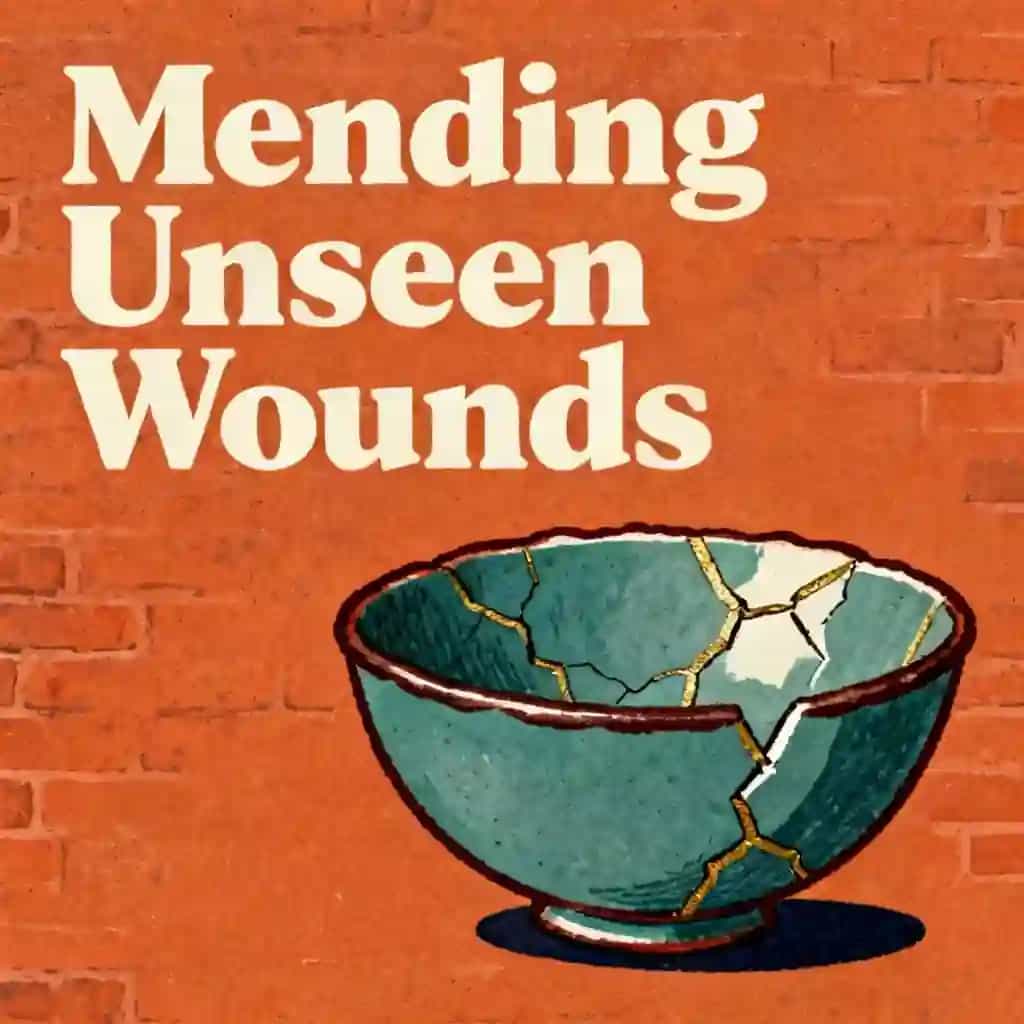
Hübl’s signature method involves group sessions where participants acknowledge trapped traumatic energies, navigate denial phases, and co-create healing narratives. Rooted in attuned presence, it helps dissolve intergenerational patterns by addressing ancestral and cultural wounds collectively. The process draws parallels to kintsugi (repairing pottery with gold), framing trauma as a catalyst for resilience.
How does Healing Collective Trauma address intergenerational trauma?
The book explains how trauma transcends individuals, embedding in communities through inherited behaviors, epigenetic changes, and cultural narratives. Hübl emphasizes “retrocausality”—using present-moment awareness to heal past wounds—and illustrates how unresolved grief or violence perpetuates cycles of dysfunction across generations.
What role does spirituality play in Hübl’s trauma healing approach?
Hübl integrates mystical concepts like the soul’s resilience and “luminous potential” with trauma neuroscience. He frames healing as a spiritual practice requiring collective responsibility, emphasizing meditative techniques to restore connection between body, energy, and community.
Does Healing Collective Trauma discuss climate change?
Yes. Hübl argues environmental crises stem from humanity’s unprocessed trauma, manifesting as ecological disconnection. Healing collective wounds, he suggests, can realign human behavior with planetary stewardship, turning climate action into a “soul-centered” practice.
What is “trauma loyalty” in the book?
“Trauma loyalty” refers to unconscious bonds formed around shared pain, such as families repeating abusive patterns or nations fixating on historical conflicts. Hübl explains how these bonds hinder growth and offers strategies to reframe identity beyond suffering.
How does Healing Collective Trauma differ from individual-focused therapy models?
Unlike conventional methods, Hübl’s approach prioritizes group dynamics and systemic patterns. He asserts that collective trauma requires communal spaces for expression, arguing individual healing is incomplete without addressing ancestral and cultural contexts.
Are there practical exercises in the book?
Yes. The text includes meditations, group facilitation guidelines, and reflection prompts to help readers identify trauma’s legacy in their lives. Case studies demonstrate techniques like body scans and narrative-sharing rituals for integration.
What are criticisms of Healing Collective Trauma?
Some readers may find its spiritual terminology less accessible, and the group-based model requires committed participation. However, the book is widely praised for bridging trauma science with actionable strategies for communities.
How does Hübl define “retrocausality”?
This concept posits that present-moment awareness can reshape past trauma’s impact, creating new futures. By addressing historical wounds collectively, groups reduce their unconscious influence on current behavior.
Is Healing Collective Trauma worth reading?
Absolutely. It offers a groundbreaking lens on trauma’s societal roots, combining rigor with compassionate insight. The book is ideal for readers seeking holistic frameworks to address personal and global challenges.
Feel the book through the author's voice
Turn knowledge into engaging, example-rich insights
Capture key ideas in a flash for fast learning
Enjoy the book in a fun and engaging way
Key Themes in Healing Collective Trauma
Quotes from Healing Collective Trauma
Our very survival depends on our willingness to make whole what has been fragmented.
When burdened by stories about the past, we cannot fully show up in the present.
Modern life is saturated with trauma's effects.
Shadow is created by arrested energy bound to vertices in this living matrix.
Characters in Healing Collective Trauma
Quick Summary Mode - Read or listen to Healing Collective Trauma Summary in 9 Minutes

Break down key ideas from Healing Collective Trauma into bite-sized takeaways to understand how innovative teams create, collaborate, and grow.

Flash Card Mode - Top 11 Insights from Healing Collective Trauma in a Nutshell

Distill Healing Collective Trauma into rapid-fire memory cues that highlight key principles of candor, teamwork, and creative resilience.

Fun Mode - Healing Collective Trauma Lessons Told Through 20-Min Stories

Experience Healing Collective Trauma through vivid storytelling that turns innovation lessons into moments you'll remember and apply.
Personalize Mode - Read or listen to Healing Collective Trauma Summary in 0 Minutes

Ask anything, pick the voice, and co-create insights that truly resonate with you.

From Columbia University alumni built in San Francisco
"Instead of endless scrolling, I just hit play on BeFreed. It saves me so much time."


"I never knew where to start with nonfiction—BeFreed’s book lists turned into podcasts gave me a clear path."


"Perfect balance between learning and entertainment. Finished ‘Thinking, Fast and Slow’ on my commute this week."
"Crazy how much I learned while walking the dog. BeFreed = small habits → big gains."
"Reading used to feel like a chore. Now it’s just part of my lifestyle."

"Feels effortless compared to reading. I’ve finished 6 books this month already."
"BeFreed turned my guilty doomscrolling into something that feels productive and inspiring."

"BeFreed turned my commute into learning time. 20-min podcasts are perfect for finishing books I never had time for."
"BeFreed replaced my podcast queue. Imagine Spotify for books — that’s it. 🙌"

"It is great for me to learn something from the book without reading it."
"The themed book list podcasts help me connect ideas across authors—like a guided audio journey."
"Makes me feel smarter every time before going to work"
From Columbia University alumni built in San Francisco
"Instead of endless scrolling, I just hit play on BeFreed. It saves me so much time."
"I never knew where to start with nonfiction—BeFreed’s book lists turned into podcasts gave me a clear path."
"Perfect balance between learning and entertainment. Finished ‘Thinking, Fast and Slow’ on my commute this week."
"Crazy how much I learned while walking the dog. BeFreed = small habits → big gains."
"Reading used to feel like a chore. Now it’s just part of my lifestyle."
"Feels effortless compared to reading. I’ve finished 6 books this month already."
"BeFreed turned my guilty doomscrolling into something that feels productive and inspiring."
"BeFreed turned my commute into learning time. 20-min podcasts are perfect for finishing books I never had time for."
"BeFreed replaced my podcast queue. Imagine Spotify for books — that’s it. 🙌"
"It is great for me to learn something from the book without reading it."
"The themed book list podcasts help me connect ideas across authors—like a guided audio journey."
"Makes me feel smarter every time before going to work"
"Instead of endless scrolling, I just hit play on BeFreed. It saves me so much time."
"I never knew where to start with nonfiction—BeFreed’s book lists turned into podcasts gave me a clear path."
"Perfect balance between learning and entertainment. Finished ‘Thinking, Fast and Slow’ on my commute this week."
"Crazy how much I learned while walking the dog. BeFreed = small habits → big gains."
"Reading used to feel like a chore. Now it’s just part of my lifestyle."
"Feels effortless compared to reading. I’ve finished 6 books this month already."
"BeFreed turned my guilty doomscrolling into something that feels productive and inspiring."
"BeFreed turned my commute into learning time. 20-min podcasts are perfect for finishing books I never had time for."
"BeFreed replaced my podcast queue. Imagine Spotify for books — that’s it. 🙌"
"It is great for me to learn something from the book without reading it."
"The themed book list podcasts help me connect ideas across authors—like a guided audio journey."
"Makes me feel smarter every time before going to work"
"Instead of endless scrolling, I just hit play on BeFreed. It saves me so much time."
"I never knew where to start with nonfiction—BeFreed’s book lists turned into podcasts gave me a clear path."
"Perfect balance between learning and entertainment. Finished ‘Thinking, Fast and Slow’ on my commute this week."
"Crazy how much I learned while walking the dog. BeFreed = small habits → big gains."
"Reading used to feel like a chore. Now it’s just part of my lifestyle."
"Feels effortless compared to reading. I’ve finished 6 books this month already."
"BeFreed turned my guilty doomscrolling into something that feels productive and inspiring."
"BeFreed turned my commute into learning time. 20-min podcasts are perfect for finishing books I never had time for."
"BeFreed replaced my podcast queue. Imagine Spotify for books — that’s it. 🙌"
"It is great for me to learn something from the book without reading it."
"The themed book list podcasts help me connect ideas across authors—like a guided audio journey."
"Makes me feel smarter every time before going to work"

Get the Healing Collective Trauma summary as a free PDF or EPUB. Print it or read offline anytime.